2026 Consumer Spending Shift: Key Segments Driving U.S. Online Retail
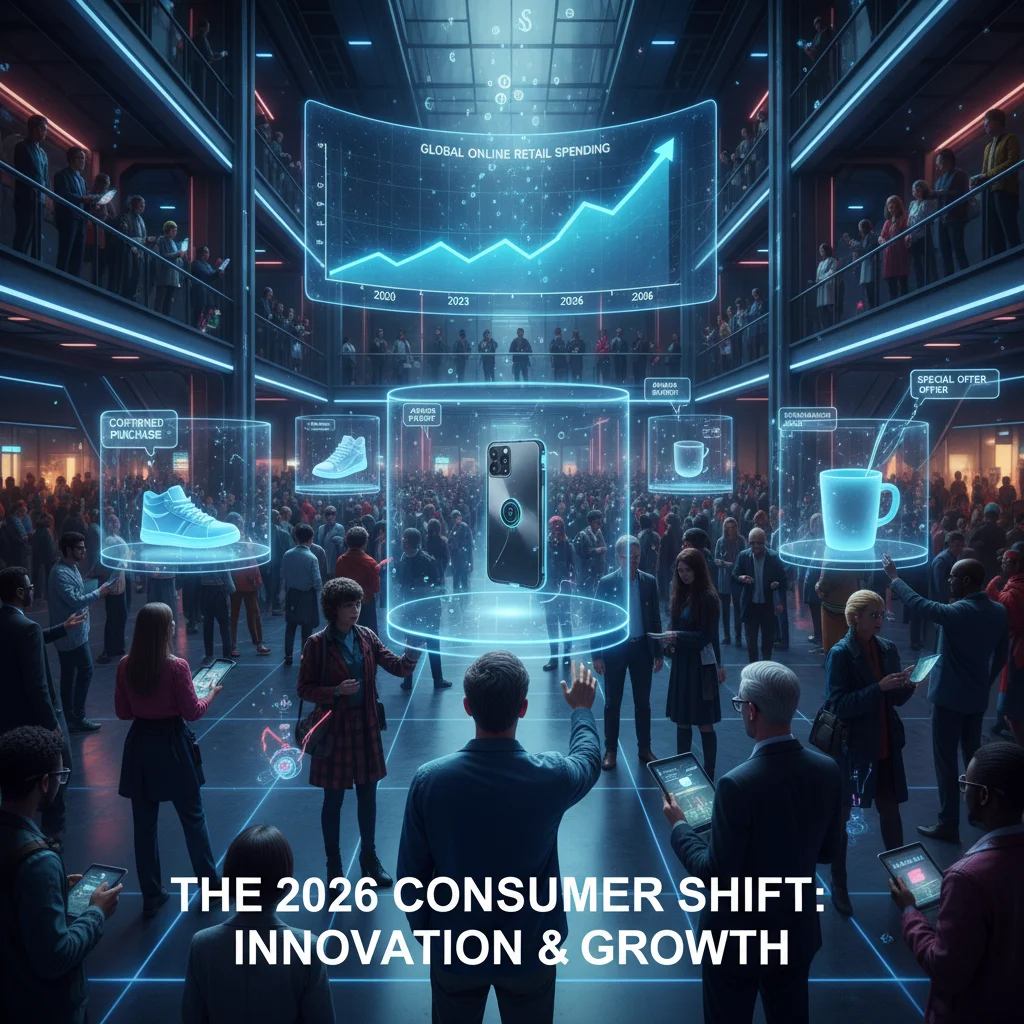
The landscape of commerce is in a perpetual state of flux, driven by technological advancements, socio-economic shifts, and evolving consumer preferences. As we rapidly approach 2026, the United States is poised for a significant consumer spending shift, particularly within the dynamic realm of online retail. Understanding these impending changes is not merely an academic exercise; it is a strategic imperative for businesses aiming to thrive in an increasingly digital-first economy. This comprehensive analysis will dissect the seven key segments that are expected to be the primary architects of this transformation, offering invaluable insights for retailers, marketers, and investors alike.
The digital revolution has fundamentally reshaped how consumers interact with brands and make purchasing decisions. E-commerce, once a niche alternative, has become a dominant force, accelerated by recent global events that cemented online shopping as a mainstream activity. Looking ahead to 2026, this trend is not just continuing; it is diversifying and specializing. Consumers are becoming more discerning, valuing convenience, personalization, sustainability, and ethical practices alongside price and product quality. The confluence of these factors is creating distinct spending patterns and opportunities within various market segments.
For businesses, staying ahead of the curve means more than just having an online presence. It requires a deep understanding of who the future consumer is, what motivates their purchases, and where their dollars are most likely to flow. The consumer spending shift we anticipate by 2026 will be characterized by a reallocation of budgets, a prioritization of certain product and service categories, and a heightened expectation for seamless, integrated shopping experiences. Ignoring these shifts could lead to stagnation, while embracing them opens doors to unprecedented growth and market leadership.
This article will guide you through the intricacies of these shifts, providing actionable intelligence to refine your strategies, optimize your offerings, and connect more effectively with the evolving American consumer. Prepare to explore the future of online retail, segment by segment.
The Rise of the Conscious Consumer: Sustainable & Ethical Products
One of the most profound drivers of the upcoming consumer spending shift is the growing consciousness among consumers regarding the environmental and social impact of their purchases. By 2026, the demand for sustainable and ethically sourced products is projected to surge dramatically. This segment encompasses everything from eco-friendly fashion and organic food to fair-trade electronics and cruelty-free cosmetics. Consumers, particularly younger generations, are increasingly willing to pay a premium for products that align with their values, prioritizing transparency, responsible manufacturing, and minimal environmental footprint.
Retailers who have traditionally focused solely on price and convenience are now compelled to integrate sustainability into their core business models. This isn’t just about marketing; it’s about authentic commitment. Brands that can genuinely demonstrate their dedication to ethical practices, from supply chain to packaging, will capture a significant share of this evolving market. Certification labels, clear communication about ingredient sourcing, and initiatives that support local communities or environmental causes will become powerful differentiators. The consumer spending shift towards conscious consumption represents a fundamental re-evaluation of value, where purpose often rivals profit in the minds of buyers.
For online retailers, this means optimizing product descriptions to highlight sustainable attributes, partnering with ethical suppliers, and potentially even offering carbon-neutral shipping options. The digital space offers unique opportunities to tell a brand’s sustainability story through engaging content, videos, and interactive features that build trust and resonate with this value-driven demographic. Furthermore, the ability to track and report on environmental impact can transform a brand’s appeal, turning a simple transaction into a statement of shared values.
Personalized Health & Wellness: Digital Solutions & Niche Products
The pursuit of health and wellness continues to be a dominant theme in consumer behavior, but by 2026, it will be characterized by an intensified focus on personalization and digital integration. The consumer spending shift in this segment will see a boom in online sales of tailored nutritional supplements, at-home fitness equipment with integrated digital coaching, wearable health tech, mental wellness apps, and specialized dietary products (e.g., allergen-free, plant-based, keto-friendly). Consumers are seeking solutions that cater specifically to their individual needs, moving away from one-size-fits-all approaches.
Telehealth services, online therapy platforms, and virtual fitness classes have already gained significant traction, and their integration with physical products will only deepen. Imagine smart scales that automatically adjust your personalized supplement recommendations, or fitness trackers that sync with meal delivery services. The convenience of accessing bespoke health solutions from home, combined with data-driven insights, will fuel spending in this category. Companies that can leverage AI and data analytics to offer highly customized health and wellness journeys will command significant market share.
Online retailers need to consider how to create holistic wellness ecosystems rather than just selling individual products. Subscription models for personalized vitamins, virtual consultations with health experts, and community-driven platforms for shared wellness goals will be key. The consumer spending shift here is not just about buying products; it’s about investing in a lifestyle, supported by technology and tailored advice that can be accessed anytime, anywhere. This segment also benefits from a strong community aspect, where users share progress and recommendations, further amplifying online engagement and sales.
Experience Economy Goes Digital: Online Learning & Entertainment
While physical experiences will always hold a place, the consumer spending shift by 2026 will see a significant portion of the ‘experience economy’ migrating and expanding into the digital realm. This includes a massive increase in spending on online learning platforms (e.g., skill-based courses, degree programs, hobby classes), digital entertainment (e.g., streaming services, gaming, virtual concerts, interactive media), and virtual travel experiences. The pandemic accelerated this trend, but its convenience, accessibility, and often lower cost ensure its continued growth.
Consumers are increasingly valuing personal development, upskilling, and accessible forms of entertainment. The ability to learn a new language, master a software, or attend a live concert from the comfort of one’s home is a powerful draw. Furthermore, the metaverse and other immersive digital environments are expected to mature, opening up entirely new avenues for virtual experiences that will attract significant consumer dollars. This segment is not just about passive consumption; it’s about interactive engagement and co-creation.
For online businesses, this means investing in high-quality digital content, robust streaming infrastructure, and interactive user interfaces. Subscription models will continue to dominate, but hybrid models offering one-off purchases for premium content or personalized coaching will also gain traction. The key is to offer unique, engaging, and high-value digital experiences that justify the investment. The consumer spending shift towards digital experiences reflects a desire for continuous self-improvement and accessible leisure, making it a fertile ground for innovation and growth.
Smart Home & IoT Devices: Connected Living
The proliferation of smart home devices and the Internet of Things (IoT) will continue to drive a substantial consumer spending shift. By 2026, more households will invest in interconnected devices that enhance convenience, security, and energy efficiency. This segment includes smart thermostats, lighting systems, security cameras, voice assistants, smart appliances, and health monitoring devices that seamlessly integrate into daily life. The appeal lies in the promise of a more automated, comfortable, and responsive living environment.
The growth isn’t just in individual devices but in integrated ecosystems. Consumers will seek compatibility and ease of use across different brands and platforms. Retailers offering curated bundles, setup services, and ongoing technical support will have a competitive edge. As the technology matures, the focus will shift from novelty to utility, with consumers expecting tangible benefits like energy savings, enhanced safety, and streamlined routines. Data privacy and security will also become paramount concerns, influencing purchasing decisions.
Online stores specializing in smart home technology must provide detailed compatibility information, user guides, and customer support resources. Interactive product demos and virtual reality experiences that allow consumers to visualize how devices would function in their own homes could also boost sales. The consumer spending shift in this area is a testament to the ongoing desire for convenience and control, powered by increasingly sophisticated and affordable technology that simplifies complex tasks and enhances quality of life within the home environment.
Pet Care & Premium Pet Products: Humanization of Pets
The humanization of pets is a long-standing trend that shows no signs of slowing down, and by 2026, it will significantly influence the consumer spending shift in online retail. Pet owners are increasingly treating their animal companions as integral family members, leading to higher spending on premium pet food, specialized health products, fashionable accessories, subscription boxes, and even pet insurance. The online channel is particularly well-suited for this segment, offering a vast array of niche products often unavailable in local brick-and-mortar stores.
The demand for organic, grain-free, and personalized pet diets will continue to grow, mirroring human food trends. Furthermore, pet tech, such as GPS trackers, automatic feeders, and interactive cameras, will see increased adoption. The convenience of having heavy bags of pet food delivered directly to one’s door, or subscribing to monthly boxes of toys and treats, makes online shopping exceptionally appealing for pet owners. This segment is driven by emotional attachment and a willingness to invest in the well-being and happiness of their furry, feathered, or scaled friends.
Online pet retailers should focus on building communities, offering expert advice, and providing highly personalized product recommendations. Subscription services, loyalty programs, and engaging content (e.g., pet care tips, breed-specific information) can foster strong customer relationships. The consumer spending shift in pet care highlights a demographic that is deeply committed and willing to spend on quality, convenience, and specialized items for their beloved companions, making it a robust and growing online market.
Digital Transformation Tools & Services: Small Business & Freelancer Focus
Beyond individual consumers, the consumer spending shift by 2026 will also be heavily influenced by small businesses and freelancers investing in digital transformation tools and services. As the gig economy expands and more individuals launch entrepreneurial ventures, the demand for online solutions that streamline operations, enhance productivity, and facilitate growth will skyrocket. This segment includes cloud-based software, project management tools, digital marketing services, e-commerce platforms, payment gateways, cybersecurity solutions, and virtual collaboration tools.
Many traditional businesses are also undergoing digital makeovers, recognizing the necessity of an online presence and efficient digital workflows. This means increased spending on website development tools, SEO services, social media management platforms, and online accounting software. The accessibility and scalability of SaaS (Software as a Service) models make these solutions particularly attractive to smaller entities that lack the resources for large-scale IT infrastructure.
Online providers in this space need to offer intuitive, affordable, and integrated solutions that cater to the specific needs of small businesses and individual entrepreneurs. Freemium models, clear upgrade paths, and excellent customer support will be crucial for attracting and retaining clients. The consumer spending shift in this B2B-lite segment reflects the broader digitization of the economy, where even the smallest enterprise recognizes the power of digital tools to compete and succeed in an increasingly online world.

Subscription & Membership Models: Convenience & Curation
Finally, the overall consumer spending shift will see a continued and expanded embrace of subscription and membership models across a multitude of categories. Beyond traditional streaming services, consumers are increasingly opting for recurring deliveries of everyday essentials, curated discovery boxes, software access, and exclusive content or community memberships. The appeal lies in convenience, predictability, and the perceived value of curated experiences.
This segment is not just about receiving products; it’s about belonging and simplified consumption. Whether it’s coffee beans, razor blades, pet supplies, or fashion accessories, subscriptions remove the friction of repeated purchasing decisions. Membership models, on the other hand, offer exclusive access, discounts, and a sense of community, fostering stronger brand loyalty. The data gathered from subscription services also allows businesses to refine their offerings and personalize experiences even further, creating a virtuous cycle of engagement.
For online retailers, developing compelling subscription offerings requires careful consideration of product value, delivery frequency, and customer retention strategies. The focus should be on creating a seamless sign-up process, managing renewals effectively, and consistently delivering high-quality products or exclusive benefits that justify the recurring cost. The consumer spending shift towards subscriptions indicates a preference for hassle-free access and curated experiences, making them a powerful tool for building long-term customer relationships and predictable revenue streams.
Preparing for the 2026 Consumer Spending Shift
The anticipated consumer spending shift by 2026 is not a distant future but an imminent reality. For businesses operating in the U.S. online retail market, understanding and adapting to these seven key segments is paramount for sustained growth and competitive advantage. The common threads weaving through these shifts include a demand for personalization, a heightened sense of social and environmental responsibility, the integration of technology into daily life, and an overarching desire for convenience and value.
Retailers must move beyond generic strategies and cultivate a deeper understanding of their target demographics within these emerging segments. This involves investing in robust data analytics to track evolving preferences, embracing agile product development cycles to respond quickly to market demands, and fostering authentic brand narratives that resonate with conscious consumers. Supply chain optimization, seamless user experiences, and multi-channel engagement will also be critical success factors.
Furthermore, the ability to innovate and experiment with new business models, such as hybrid subscription services or immersive digital shopping experiences, will differentiate market leaders. Collaboration with technology partners, investment in AI-driven personalization engines, and a commitment to customer-centricity will empower businesses to navigate the complexities of the 2026 online retail landscape successfully. The future of commerce is dynamic, and those who proactively embrace the consumer spending shift will be best positioned to capture its immense opportunities.
In conclusion, the U.S. online retail market in 2026 will be defined by a more discerning, digitally savvy, and value-driven consumer. By strategically focusing on sustainable products, personalized wellness, digital experiences, smart home technology, premium pet care, small business tools, and robust subscription models, businesses can not only survive but thrive in this exciting new era of digital commerce. The time to prepare for this transformative consumer spending shift is now.