Building Trust Through Transparency: A US CX Imperative for the Next 12 Months

Building Trust Through Transparency: A US CX Imperative for the Next 12 Months
In today’s dynamic and often skeptical marketplace, the concept of customer trust transparency has transcended from a mere buzzword to an undeniable imperative for businesses operating in the United States. As we look ahead to the next 12 months, the ability of companies to cultivate and maintain genuine trust with their customer base will not just be a competitive advantage; it will be a foundational requirement for survival and sustainable growth. The US consumer, now more than ever, demands openness, honesty, and clarity from the brands they engage with. This demand isn’t just about ethical considerations; it’s a direct driver of purchasing decisions, brand loyalty, and ultimately, a company’s bottom line.
The landscape of customer experience (CX) in the US is continually evolving, shaped by technological advancements, shifting societal values, and an unprecedented access to information. Consumers are empowered, informed, and increasingly vocal. They scrutinize corporate practices, delve into product origins, and share their experiences – good or bad – across vast digital networks. In this environment, any perceived lack of transparency can quickly erode trust, leading to reputational damage that can take years, if not decades, to repair. Conversely, businesses that actively embrace transparency, weaving it into the very fabric of their operations and customer interactions, are poised to forge deeper, more meaningful connections with their clientele, fostering unparalleled loyalty and advocacy.
This comprehensive article will explore the multifaceted dimensions of building customer trust transparency within the US market. We will delve into why this is a critical CX imperative for the coming year, examine the key pillars of transparency, and provide actionable strategies for businesses to integrate these principles effectively. From transparent pricing and data privacy to ethical sourcing and clear communication, we will cover the essential elements that will define successful customer relationships in the near future.
The Shifting Sands of Consumer Expectations in the US
For decades, marketing rhetoric often focused on crafting a perfect brand image, sometimes at the expense of absolute honesty. However, the digital age has fundamentally altered this paradigm. Social media, independent review platforms, and instant access to information have stripped away the veil that once allowed companies to control narratives without significant public scrutiny. Today’s US consumer is not just looking for a product or service; they are seeking authenticity, values alignment, and a relationship built on mutual respect. This shift is particularly pronounced among younger demographics, who prioritize ethical practices and social responsibility when making purchasing decisions.
The COVID-19 pandemic further accelerated this trend. During times of crisis, consumers looked to brands for reassurance, clear communication, and empathetic responses. Companies that were perceived as transparent about their challenges, their efforts to protect employees, and their commitment to customer well-being often emerged with stronger bonds. Those that appeared to hide information or prioritize profit over people faced significant backlash. This experience has left an indelible mark, raising the bar for what consumers expect from businesses in terms of openness and accountability.
Moreover, concerns around data privacy have reached an all-time high. With numerous high-profile data breaches and growing awareness about how personal information is collected, stored, and utilized, consumers are increasingly wary. They want to understand exactly what data is being collected, why it’s necessary, and how it’s being protected. Opaque privacy policies or convoluted terms and conditions are no longer acceptable; they are red flags that deter engagement and undermine trust. Building customer trust transparency in this area is paramount.
Why Transparency is a CX Imperative for the Next 12 Months
The next 12 months represent a crucial period for US businesses to double down on transparency initiatives. Several factors contribute to this urgency:
- Increased Competition: The US market is saturated, and differentiation is key. Transparency offers a powerful way to stand out, attracting customers who value honesty and ethical conduct.
- Erosion of Trust in Institutions: Broader societal trends indicate a general decline in trust towards institutions, including corporations. Businesses that actively work to rebuild and maintain trust through transparency can counteract this trend.
- Regulatory Scrutiny: Legislators and regulators are increasingly focusing on consumer protection, data privacy (e.g., CCPA, state-level privacy laws), and ethical business practices. Proactive transparency can help businesses stay ahead of compliance requirements and avoid costly penalties.
- Demand for Authenticity: Consumers, particularly younger generations, are increasingly prioritizing authentic brand experiences. They want to know the story behind a product, the values of a company, and the impact of their purchases.
- Reputational Resilience: In an age where a single negative incident can go viral, a foundation of trust built on transparency can act as a buffer, making a company more resilient to crises and helping it recover faster from missteps.
Ultimately, fostering customer trust transparency is not just about avoiding negatives; it’s about unlocking significant positives. It leads to higher customer retention, increased lifetime value, stronger brand advocacy, and a more engaged, loyal customer base that is willing to forgive minor errors when a company’s intentions are clear and honest.
Pillars of Customer Trust Transparency
To effectively implement a strategy of customer trust transparency, businesses must focus on several key areas:
1. Transparent Communication
Clear, honest, and consistent communication is the cornerstone of transparency. This extends to all touchpoints, from marketing messages and product descriptions to customer service interactions and crisis communications.
- Honest Marketing & Advertising: Avoid exaggerated claims, misleading imagery, or deceptive sales tactics. Clearly state product benefits, limitations, and potential side effects.
- Proactive Information Sharing: Don’t wait for customers to ask. Proactively share information about product changes, service disruptions, or company policies.
- Clear Language: Eschew jargon and legalistic phrasing. Use plain, understandable language in all communications, especially in terms and conditions or privacy policies.
- Two-Way Dialogue: Create channels for customers to provide feedback, ask questions, and voice concerns. Respond promptly and genuinely, demonstrating that their input is valued.
2. Pricing and Value Transparency
One of the most common areas where trust can be eroded is through opaque or misleading pricing structures. Customers expect to understand exactly what they are paying for and why.
- No Hidden Fees: Clearly disclose all costs upfront, including taxes, shipping fees, and any recurring charges. Avoid bait-and-switch tactics.
- Value Proposition Clarity: Explain clearly what customers are receiving for their money. If there are different tiers or packages, outline the benefits and features of each in an easy-to-compare format.
- Fair Pricing Justification: If prices change, explain the reasons behind the adjustment. If a product is premium, justify its price through quality, sustainability, or unique features.
3. Data Privacy and Security Transparency
Given the heightened concerns around personal data, this pillar is non-negotiable for building customer trust transparency.
- Clear Privacy Policies: Make privacy policies easy to find, read, and understand. Explain in simple terms what data is collected, why it’s collected, how it’s used, and who it’s shared with.
- Data Security Measures: Inform customers about the security measures in place to protect their data. While not revealing vulnerabilities, communicate a commitment to robust security.
- Consent and Control: Empower customers with control over their data. Provide clear options for opting in or out of data collection, marketing communications, and data sharing.
- Breach Communication: In the unfortunate event of a data breach, communicate promptly, honestly, and clearly about what happened, what data was affected, and what steps are being taken to mitigate harm and prevent future incidents.

4. Operational and Ethical Transparency
This goes beyond customer-facing interactions and delves into the internal workings and values of the company.
- Supply Chain Transparency: Consumers want to know where products come from, how they are made, and under what conditions. Disclose sourcing practices, labor standards, and environmental impact.
- Company Values and Mission: Clearly articulate the company’s mission, values, and ethical commitments. Demonstrate how these are put into practice through actions, not just words.
- Accountability for Mistakes: When errors occur, acknowledge them transparently, apologize sincerely, and outline the steps being taken to rectify the situation and prevent recurrence. This builds immense trust.
- Employee Relations: While not always directly visible to customers, how a company treats its employees often reflects its broader ethical stance. Companies known for fair labor practices often earn greater customer respect.
Strategies for Implementing Customer Trust Transparency
Translating these pillars into actionable strategies requires a holistic approach that permeates every level of an organization. For US businesses, the next 12 months are critical for making significant strides in this area.
1. Audit Your Current Transparency Levels
Before implementing new strategies, conduct a thorough audit of your existing practices. Evaluate all customer touchpoints and internal processes: website content, marketing materials, privacy policies, customer service scripts, product labels, and supply chain documentation. Identify areas where information is unclear, difficult to find, or potentially misleading. Ask critical questions: Are we truly being honest? Is this easy for a customer to understand? This initial assessment provides a baseline for improvement in customer trust transparency.
2. Empower and Educate Employees
Transparency starts from within. Ensure all employees, especially those in customer-facing roles, understand the company’s commitment to transparency and are equipped to communicate openly and honestly. Provide training on how to handle difficult questions, disclose information appropriately, and escalate issues when necessary. Empower them to be advocates for transparency.
3. Leverage Technology for Clarity
Technology can be a powerful tool for enhancing transparency. Utilize clear, intuitive website design to make information easily accessible. Implement interactive tools that allow customers to track orders, understand product features, or manage their data preferences. Chatbots and AI can also be programmed to provide transparent answers to common queries, though human oversight remains crucial for complex or sensitive issues.
4. Simplify Legal and Policy Language
Work with legal teams to simplify privacy policies, terms of service, and other legal documents. While legal accuracy is paramount, presentation matters. Consider using clear headings, bullet points, and plain English summaries to make complex information digestible. Tools like “privacy dashboards” can give customers an intuitive overview of their data controls.
5. Proactive and Empathetic Communication
Embrace a proactive communication strategy. If there’s an outage, a product recall, or a policy change, communicate it immediately and clearly across all relevant channels. When communicating, adopt an empathetic tone. Acknowledge customer feelings and concerns, and demonstrate that you understand their perspective. This is particularly vital in crisis situations, where genuine empathy can significantly mitigate negative impact and reinforce customer trust transparency.
6. Solicit and Act on Customer Feedback
Actively seek customer feedback through surveys, reviews, social media monitoring, and direct engagement. Critically, don’t just collect feedback; act on it transparently. If a change is made based on customer input, communicate that back to your audience. This demonstrates that you are listening and value their opinions, further cementing trust.
7. Showcase Ethical Practices
Don’t shy away from highlighting your ethical sourcing, sustainable practices, or community involvement. Tell the stories behind your products and services. Certifications (e.g., B Corp, Fair Trade) can provide external validation, but genuine internal commitment and transparent reporting are even more powerful. This contributes significantly to building customer trust transparency.
8. Be Accountable and Learn from Mistakes
No company is perfect. When mistakes happen, own them. Issue sincere apologies, explain what went wrong, and detail the steps you are taking to prevent recurrence. This level of accountability, while sometimes uncomfortable, is incredibly powerful in building long-term trust. It shows humility and a commitment to continuous improvement.
Measuring the Impact of Transparency on CX
Implementing transparency initiatives is only half the battle; measuring their impact is crucial to understanding their effectiveness and demonstrating ROI. For US businesses focusing on CX over the next 12 months, key metrics to track include:
- Customer Satisfaction (CSAT) and Net Promoter Score (NPS): Transparent practices often lead to higher satisfaction and a greater willingness for customers to recommend your brand.
- Customer Retention and Churn Rates: A trusted brand retains customers longer. Monitor changes in these metrics after implementing transparency initiatives.
- Customer Lifetime Value (CLV): Loyal, trusting customers tend to spend more over time.
- Brand Reputation and Sentiment: Track online reviews, social media mentions, and media coverage to gauge public perception and sentiment towards your brand.
- Employee Engagement: A transparent culture often leads to more engaged and satisfied employees, which in turn positively impacts customer interactions.
- Website Analytics: Monitor traffic to your privacy policy, terms of service, and “about us” pages. Increased engagement with these pages can indicate a heightened customer interest in understanding your practices.
By diligently tracking these metrics, businesses can gain valuable insights into how their transparency efforts are resonating with customers and make data-driven adjustments to their strategies. The goal is not just to be transparent, but to ensure that transparency is perceived and valued by the customer base.
The Future of Customer Experience: A Transparent Path Forward
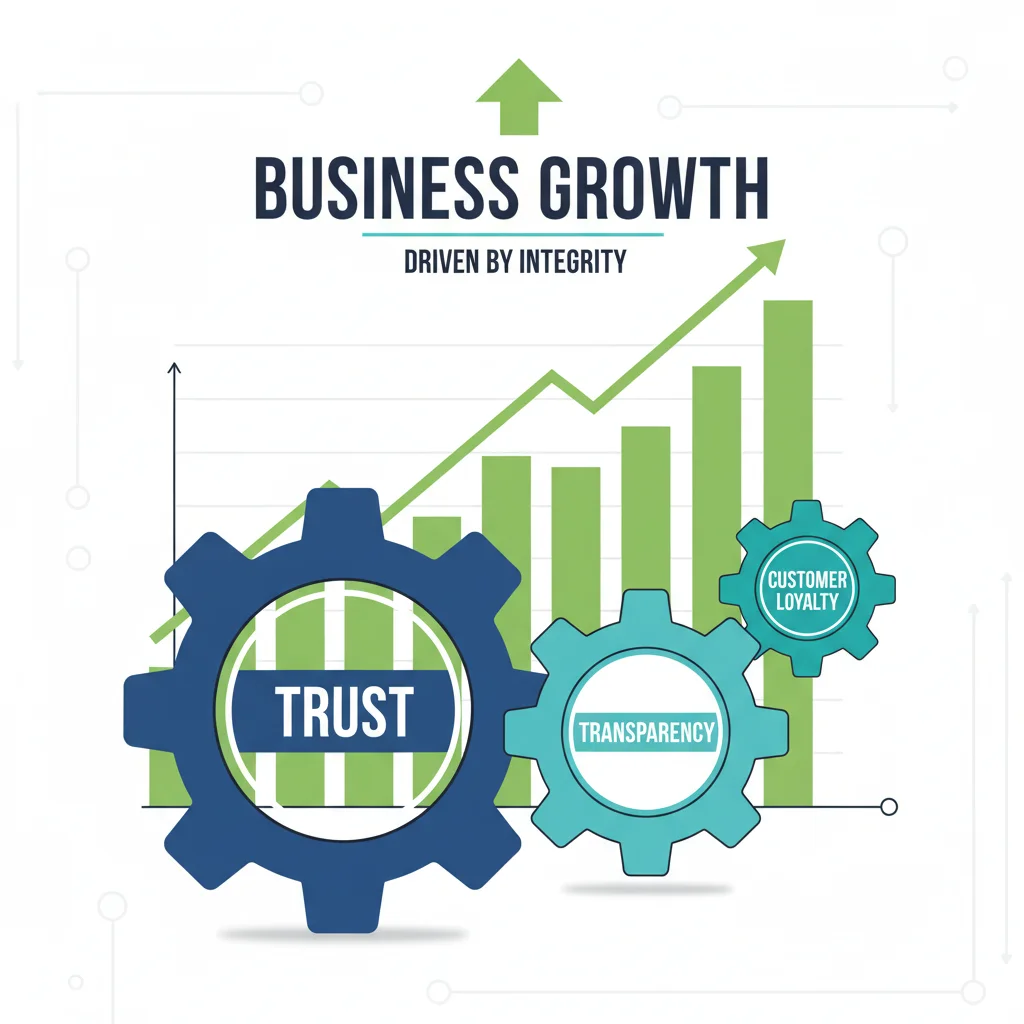
The imperative for customer trust transparency in the US market is not a fleeting trend but a fundamental shift in how businesses must operate to succeed. The next 12 months will serve as a critical period for companies to either embrace this reality or risk being left behind by more forward-thinking competitors. Consumers are no longer passive recipients of marketing messages; they are active participants in a brand’s journey, demanding honesty, accountability, and genuine connection.
By prioritizing transparent communication, clear pricing, robust data privacy measures, and ethical operational practices, US businesses can build a foundation of trust that not only enhances customer experience but also drives sustainable growth and resilience. This commitment to openness will foster deeper loyalty, transform customers into advocates, and ultimately, secure a stronger, more respected position in the competitive American landscape. The path to a superior CX is paved with transparency, and those who walk it with conviction will reap the rewards.