The 2026 State of US Customer Expectations: What 75% of Shoppers Demand Now
The consumer landscape is in a constant state of flux, and anticipating future trends is not just strategic, it’s essential for survival. As we hurtle towards 2026, a significant shift in customer expectations is becoming increasingly clear. Businesses that fail to recognize and adapt to these evolving demands risk being left behind in a fiercely competitive market. This comprehensive guide delves into what 75% of US shoppers will be demanding by 2026, offering actionable insights for companies aiming not just to meet, but to exceed these heightened desires.
The past few years have accelerated digital transformation and redefined what ‘good service’ truly means. From instant gratification to ethical consumption, the modern shopper is more informed, more empowered, and less forgiving than ever before. Understanding these nuanced shifts in customer expectations 2026 is paramount for crafting successful business strategies and fostering long-term customer loyalty.
The Foundation: Beyond Basic Service to Hyper-Personalization
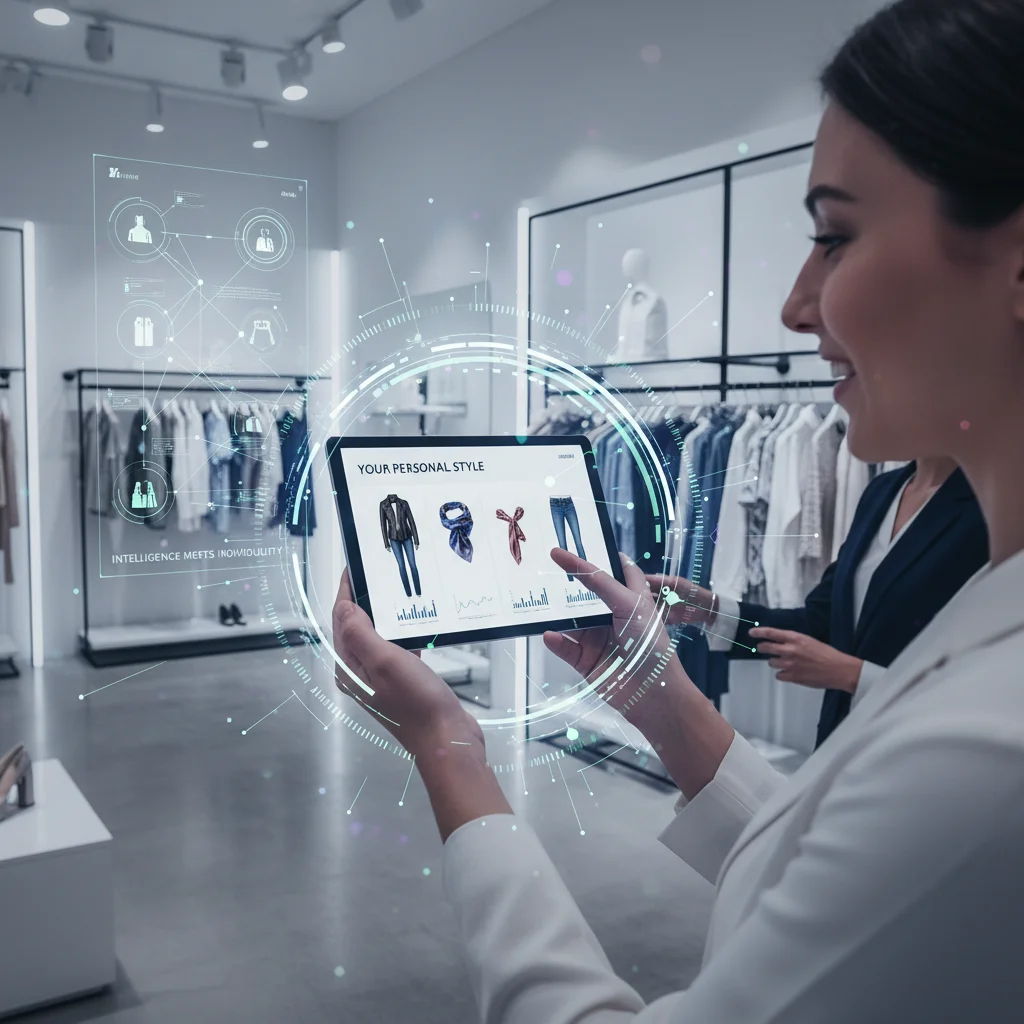
Gone are the days when a simple ‘thank you’ and a functional product sufficed. By 2026, the baseline for customer service will be exceptionally high, with a strong emphasis on hyper-personalization. Customers expect brands to not only know their purchase history but to anticipate their needs, preferences, and even their mood. This isn’t just about addressing them by name; it’s about tailoring every interaction, every recommendation, and every touchpoint to their individual journey.
A recent study indicates that 75% of US shoppers will expect a highly personalized experience across all channels. This means that generic marketing emails, one-size-fits-all product suggestions, and impersonal customer service interactions will be immediate turn-offs. Brands must invest heavily in data analytics and AI to truly understand their customers at an individual level. The goal is to create a sense of being understood and valued, making each customer feel like a segment of one.
This level of personalization requires a robust data infrastructure capable of collecting, analyzing, and acting upon customer data in real-time. It means moving beyond simple demographics to psychographics, understanding lifestyle choices, values, and even emotional drivers behind purchasing decisions. For businesses, this translates into a need for advanced CRM systems, predictive analytics, and AI-driven recommendation engines that can dynamically adjust based on evolving customer behavior.
Consider the impact of Netflix or Spotify’s recommendation algorithms. Customers have grown accustomed to these intelligent suggestions, and they now expect similar levels of foresight from every brand they interact with. The challenge for businesses is to replicate this seamless, intuitive personalization across diverse industries, from retail and finance to healthcare and hospitality. The brands that master this will build stronger relationships and capture a larger share of the market by meeting the elevated customer expectations 2026.
The Ethical Imperative: Sustainability, Transparency, and Social Responsibility
Beyond personal benefits, modern consumers are increasingly driven by ethical considerations. By 2026, a significant portion of the 75% of shoppers will demand that brands align with their values, particularly concerning sustainability, transparency, and social responsibility. This isn’t a niche concern; it’s becoming a mainstream expectation that influences purchasing decisions and brand loyalty.
Sustainability at the Forefront
Environmental consciousness is no longer optional. Shoppers want to know where products come from, how they are made, and what impact they have on the planet. This includes everything from sustainable sourcing of materials to eco-friendly packaging and responsible waste management. Brands that can demonstrate a genuine commitment to sustainability, rather than just greenwashing, will win over a large segment of the market. This means:
- Transparent Supply Chains: Blockchain technology and detailed reporting can help showcase ethical sourcing and production.
- Reduced Environmental Footprint: From manufacturing processes to logistics, every step needs to be scrutinized for its ecological impact.
- Circular Economy Initiatives: Offering repair services, take-back programs, and products designed for longevity or recyclability will resonate strongly.
Transparency as a Trust Builder
In an age of misinformation, transparency builds trust. Consumers want to know the truth about products, pricing, and company practices. Hidden fees, ambiguous return policies, or unclear ingredient lists will erode confidence. Brands that are open and honest about their operations, even when it involves admitting shortcomings, will foster stronger relationships with their customers. This includes:
- Clear Pricing: No hidden costs or confusing discount structures.
- Accessible Information: Easy-to-understand product details, origin stories, and company policies.
- Data Privacy: Explicit communication about how customer data is collected, used, and protected. This is a non-negotiable aspect of modern trust.
Social Responsibility: More Than Just Profits
Today’s consumers expect brands to contribute positively to society. This can manifest in various ways, from fair labor practices and diverse hiring to community involvement and philanthropic efforts. Brands that demonstrate a genuine commitment to social good will attract and retain customers who share those values. This goes beyond corporate social responsibility (CSR) reports; it needs to be integrated into the company’s core mission and values. Businesses must:
- Support Ethical Labor: Ensuring fair wages and safe working conditions throughout their supply chain.
- Promote Diversity and Inclusion: Reflecting societal diversity within their workforce and leadership.
- Give Back to Communities: Engaging in meaningful initiatives that address social issues.
Ignoring these ethical dimensions will be a costly mistake. By 2026, a brand’s moral compass will be as important as its product quality in shaping customer expectations 2026 and ultimately, purchasing decisions.
The Seamless Experience: Omnichannel, Instant, and Frictionless
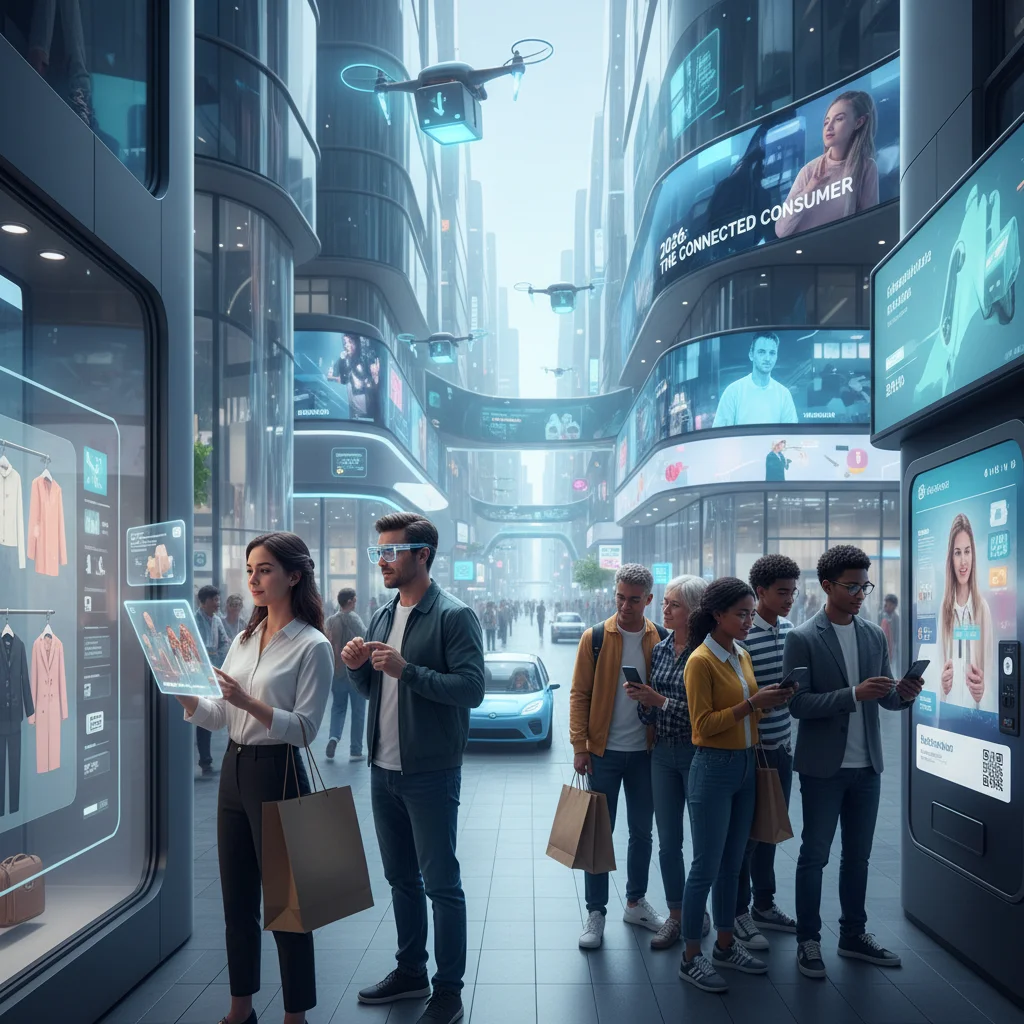
The modern customer journey is rarely linear. Shoppers might start their research on a mobile device, continue on a desktop, ask a question via social media, visit a physical store, and complete a purchase online. The expectation for 2026 is that this journey should be utterly seamless, with no friction points or disconnects between channels.
True Omnichannel Integration
Omnichannel isn’t just about being present on multiple channels; it’s about those channels working together in harmony. Customers expect their interactions to be remembered, their preferences to be carried over, and their progress to be saved, regardless of the touchpoint. This means:
- Consistent Brand Experience: A unified look, feel, and tone across all platforms.
- Shared Customer Data: Customer service agents should have access to the full interaction history, whether it’s an in-store purchase, a website chat, or a phone call.
- Flexible Fulfillment Options: Buy online, pick up in-store (BOPIS), ship from store, and easy returns are becoming standard rather than premium services.
The Demand for Instant Gratification
In a world accustomed to instant messaging and on-demand streaming, patience is a dwindling virtue. By 2026, customers will expect near-instant responses to queries, rapid problem resolution, and extremely fast delivery. This puts immense pressure on operational efficiency and technological infrastructure.
- 24/7 Support: AI-powered chatbots and self-service portals will be crucial for handling common queries outside of business hours, freeing up human agents for more complex issues.
- Real-time Communication: Proactive updates on order status, delivery times, and service interruptions will be expected.
- Expedited Delivery: While not always feasible for all products, the expectation for faster shipping will continue to rise, pushing logistics providers to innovate.
Frictionless Interactions
Every step in the customer journey should be as easy as possible. This means simplifying processes, minimizing clicks, and removing any hurdles that might lead to frustration or abandonment. Examples include:
- Intuitive Website/App Navigation: Clear layouts, powerful search functions, and mobile optimization are table stakes.
- Streamlined Checkout Processes: Guest checkout options, autofill forms, and diverse payment methods (including digital wallets) are essential.
- Effortless Returns and Exchanges: A simple, transparent, and hassle-free return policy can significantly boost customer confidence.
Achieving a truly seamless experience requires a holistic approach, breaking down silos between departments and investing in integrated technologies. The brands that master this will create loyal advocates who appreciate the ease and efficiency of their interactions, directly addressing the core of customer expectations 2026.
The Power of Community and Co-Creation
Beyond individual interactions, customers in 2026 will increasingly seek a sense of belonging and influence. They want to be part of a brand’s story, not just a recipient of its products or services. This translates into a growing demand for community engagement and opportunities for co-creation.
Building Brand Communities
Social media platforms and dedicated forums offer fertile ground for building vibrant brand communities. These spaces allow customers to connect with each other, share experiences, offer advice, and provide feedback directly to the brand. Companies that actively nurture these communities can:
- Foster Loyalty: A sense of belonging makes customers more likely to stick with a brand.
- Generate User-Generated Content: Authentic content from customers is highly influential.
- Gather Insights: Direct feedback from engaged users provides invaluable information for product development and service improvement.
Opportunities for Co-Creation
The most forward-thinking brands will invite customers to participate in the creation and evolution of products and services. This can range from soliciting ideas for new features to involving them in beta testing or even allowing customization of products. This approach not only builds stronger ties but also ensures that offerings are truly aligned with customer needs.
- Idea Submission Platforms: Dedicated channels for customers to suggest improvements or new products.
- Beta Testing Programs: Involving key customers in the early stages of product development.
- Customization Options: Empowering customers to personalize products to their exact specifications.
By empowering customers and giving them a voice, businesses can transform passive consumers into active brand advocates. This collaborative approach significantly elevates customer expectations 2026, moving beyond transactional relationships to genuine partnerships.
Proactive Service and Predictive Analytics
The shift from reactive to proactive customer service is another critical trend for 2026. Instead of waiting for customers to report issues, brands will be expected to anticipate problems and address them before they even arise. This is largely enabled by advanced analytics and AI.
Anticipating Needs and Preventing Problems
Imagine a scenario where your internet provider notifies you of a potential service interruption and offers a solution before your connection even drops. Or a retail brand suggesting a replenishment of a frequently purchased item just as you’re about to run out. This level of foresight is what 75% of shoppers will demand.
- Predictive Maintenance: For service-based industries, using IoT data to predict equipment failures and schedule maintenance proactively.
- Personalized Alerts: Notifying customers of potential delays, stock shortages, or relevant updates based on their past behavior and preferences.
- Smart Recommendations: Leveraging AI to suggest solutions or products based on anticipated life events or seasonal needs.
This proactive approach not only resolves issues faster but also builds immense trust and demonstrates a deep understanding of the customer’s journey. It transforms customer service from a cost center into a powerful differentiator, directly influencing customer expectations 2026 for reliability and care.
The Role of Emerging Technologies: AI, AR, and Voice
While the core principles of personalization, ethics, and seamlessness remain, emerging technologies will play a crucial role in delivering these experiences by 2026. Businesses must strategically integrate AI, Augmented Reality (AR), and voice interfaces to meet evolving demands.

Artificial Intelligence (AI) Everywhere
AI will be the backbone of most advanced customer experiences. Beyond chatbots, AI will power:
- Hyper-Personalization Engines: Analyzing vast datasets to create truly unique customer journeys.
- Predictive Analytics: Identifying potential issues or opportunities before they fully materialize.
- Intelligent Automation: Streamlining repetitive tasks, freeing human agents for complex interactions.
- Sentiment Analysis: Understanding customer emotions from text and voice to tailor responses.
The ethical deployment of AI will also be critical, ensuring transparency in its use and safeguarding customer data.
Augmented Reality (AR) for Enhanced Experiences
AR is moving beyond novelty to become a practical tool for enriching the shopping experience. By 2026, customers will expect AR applications for:
- Virtual Try-Ons: Testing clothes, glasses, or makeup virtually before purchase.
- Product Visualization: Placing furniture or appliances in their home virtually to assess fit and aesthetics.
- Interactive Instructions: Overlaying digital information onto physical products for assembly or use.
AR bridges the gap between the digital and physical worlds, offering immersive and informative experiences that reduce uncertainty and boost confidence in purchasing decisions.
Voice Interfaces and Conversational Commerce
With the proliferation of smart speakers and voice assistants, conversational commerce will become increasingly prevalent. Customers will expect to interact with brands naturally, using voice commands for:
- Product Search and Discovery: Asking for recommendations based on specific criteria.
- Order Placement and Tracking: Managing purchases hands-free.
- Customer Support: Resolving issues through natural language conversations.
Optimizing for voice search and developing intuitive voice interfaces will be essential for meeting the evolving customer expectations 2026 for convenience and accessibility.
Measuring Success: Beyond NPS to Lifetime Value
In this new era of heightened customer expectations, traditional metrics like Net Promoter Score (NPS) or Customer Satisfaction (CSAT) will still hold value, but businesses will need to look deeper. The ultimate measure of success will be customer lifetime value (CLTV) and the ability to foster genuine advocacy.
Holistic Customer Metrics
Companies must develop a more holistic view of customer health, incorporating metrics such as:
- Customer Effort Score (CES): Measuring how easy it is for customers to achieve their goals.
- Churn Rate and Retention Rate: Indicating the effectiveness of loyalty initiatives.
- Engagement Metrics: Tracking interactions across all channels, not just purchases.
- Sentiment Analysis: Understanding the emotional tone of customer feedback.
By combining these data points, businesses can gain a comprehensive understanding of their customers’ experiences and identify areas for improvement more effectively.
The Rise of Customer Lifetime Value (CLTV)
Focusing on short-term gains will be detrimental. The real value lies in building long-term relationships that lead to repeated purchases, referrals, and brand advocacy. CLTV will become a primary KPI, guiding investment decisions in customer experience initiatives. This means:
- Investing in Retention: Understanding that retaining an existing customer is often more cost-effective than acquiring a new one.
- Personalized Loyalty Programs: Moving beyond simple point systems to offer truly valuable, tailored rewards.
- Proactive Engagement: Nurturing relationships through relevant communications and exclusive offers.
The businesses that prioritize and effectively measure CLTV will be the ones that thrive in the competitive landscape of 2026, consistently exceeding customer expectations 2026.
Conclusion: Preparing for the Future of Customer Expectations
The year 2026 is not far off, and the demands of US shoppers are clear: they expect hyper-personalized, ethically sound, seamless, and proactive experiences, often powered by advanced technology. The 75% statistic isn’t just a number; it represents a fundamental shift in consumer power and preference. Businesses that proactively invest in understanding and addressing these evolving customer expectations 2026 will not only survive but flourish.
This requires a cultural shift within organizations, placing the customer at the absolute center of every decision. It necessitates significant investment in data infrastructure, AI, and integrated omnichannel platforms. More importantly, it demands a commitment to transparency, sustainability, and social responsibility that goes beyond mere marketing rhetoric. The brands that embody these values and consistently deliver exceptional, personalized, and effortless experiences will be the ones that capture the hearts, minds, and wallets of the discerning 2026 consumer. The time to prepare is now.