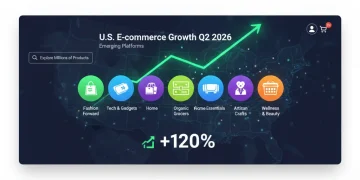
Boost E-commerce AOV 6%: Personalization Strategies for 2026 Success
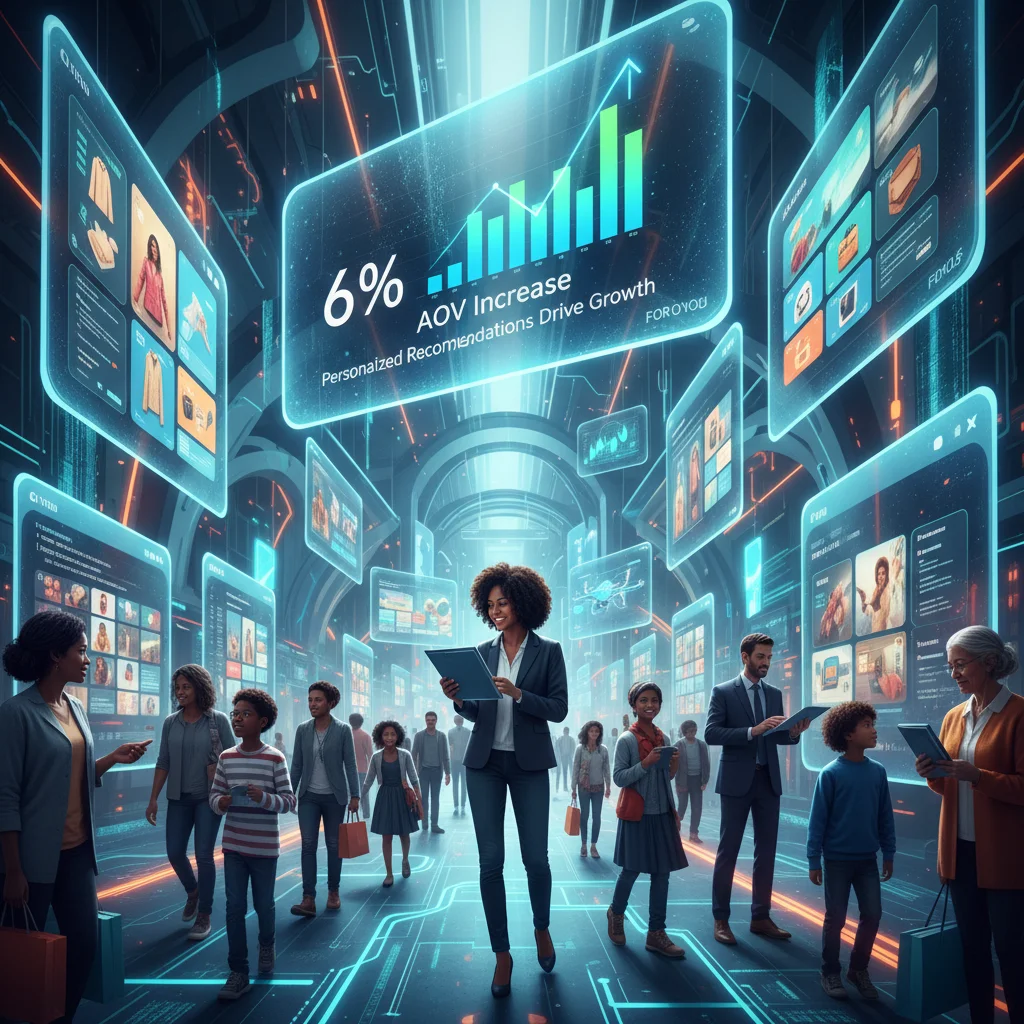
Personalization at Scale: Driving a 6% Increase in U.S. E-commerce AOV by 2026
The e-commerce landscape is in a constant state of flux, driven by technological advancements and ever-evolving consumer expectations. As we look towards 2026, one strategy stands out as a critical lever for growth: personalization at scale. This isn’t just a buzzword; it’s a fundamental shift in how businesses interact with their customers, moving from generic broadcasts to tailored experiences. Our projections indicate that businesses effectively implementing advanced ecommerce personalization AOV strategies can anticipate a significant 6% increase in Average Order Value (AOV) across the U.S. e-commerce market.
But what does ‘personalization at scale’ truly mean, and how can businesses harness its power to achieve such substantial gains? This comprehensive guide will delve into the core principles, technologies, and actionable strategies required to not only meet but exceed these benchmarks. We’ll explore how a deep understanding of customer behavior, combined with cutting-edge AI and machine learning, can create shopping journeys that are not just efficient but intrinsically engaging and value-driven for the consumer, ultimately boosting your ecommerce personalization AOV.
The Shifting Sands of Consumer Expectations
Today’s consumers are savvier, more demanding, and less patient than ever before. They expect businesses to not only understand their preferences but anticipate their needs. The days of one-size-fits-all marketing are long gone. In a crowded digital marketplace, personalization is no longer a luxury; it’s a necessity for survival and growth. A recent study revealed that 71% of consumers expect companies to deliver personalized interactions, and 76% get frustrated when this doesn’t happen. This expectation directly impacts purchasing decisions and, consequently, Average Order Value (AOV).
When customers feel understood and valued, they are more likely to explore more products, add complementary items to their cart, and ultimately spend more. This emotional connection fostered through personalized experiences is a powerful driver of the projected 6% AOV increase. It’s about creating a seamless, intuitive, and highly relevant shopping journey that makes the customer feel like the brand truly ‘gets’ them. Achieving this level of insight is where advanced hyper-personalization strategies come into play.
Understanding AOV and Its Importance
Average Order Value (AOV) is a crucial metric in e-commerce, representing the average amount of money a customer spends per transaction. Increasing AOV means that for every customer you acquire, you are generating more revenue without necessarily needing to increase your customer base or traffic. This makes it an incredibly efficient way to boost profitability. A 6% increase, as projected, can translate into millions, if not billions, of dollars across the U.S. e-commerce sector.
Several factors influence AOV, including product pricing, promotional strategies, and, critically, the effectiveness of upselling and cross-selling. Personalization enhances all these elements by ensuring that recommendations, promotions, and product bundles are highly relevant to the individual customer, maximizing the likelihood of them adding more to their cart. This targeted approach is the cornerstone of successful ecommerce personalization AOV growth.
The Pillars of Effective E-commerce Personalization
Achieving personalization at scale requires a multi-faceted approach built upon several key pillars:
1. Robust Data Collection and Analysis
The foundation of any successful personalization strategy is data. This includes browsing history, purchase history, demographic information, geographic location, device usage, on-site behavior (clicks, scrolls, time spent), and even external data points like weather or social media activity. The more comprehensive and accurate your data, the better you can understand your customers.
However, collecting data is only half the battle. The real power lies in its analysis. Advanced analytics and machine learning algorithms are essential for sifting through vast datasets to identify patterns, predict future behavior, and segment customers into meaningful groups. This allows for hyper-targeted campaigns that resonate deeply with individual preferences, directly impacting ecommerce personalization AOV.
2. Advanced Segmentation and Micro-segmentation
While broad segmentation (e.g., new vs. returning customers) is a start, true personalization thrives on micro-segmentation. This involves creating highly specific customer groups based on shared behaviors, preferences, and demographics. Examples include:
- Value-based segments: High-value, frequent buyers vs. one-time purchasers.
- Behavioral segments: Cart abandoners, recent browsers of a specific product category, engaged email subscribers.
- Lifecycle segments: First-time visitors, repeat customers, loyal advocates.
The more granular your segmentation, the more relevant your personalized experiences can be. Each micro-segment can receive unique product recommendations, content, and offers, optimizing the chances of a higher AOV.
3. AI and Machine Learning for Predictive Personalization
Artificial intelligence (AI) and machine learning (ML) are the engines driving modern personalization. These technologies can:
- Predict purchasing behavior: Based on past interactions, AI can forecast what a customer is likely to buy next.
- Generate real-time recommendations: Dynamic product suggestions appear as a customer browses, based on their current session and historical data.
- Optimize pricing and promotions: AI can identify the optimal price point or promotional offer for an individual customer to maximize conversion and AOV.
- Personalize content: From email subject lines to website banners, AI can tailor content to individual preferences.
The ability of AI to process and learn from data at speed and scale is what makes true ecommerce personalization AOV achievable, moving beyond rule-based systems to truly adaptive experiences.

Actionable Strategies for Boosting AOV Through Personalization
With the foundational pillars in place, let’s explore specific strategies that directly contribute to increasing AOV:
1. Dynamic Product Recommendations
This is perhaps the most visible form of personalization. Dynamic recommendations go beyond ‘customers who bought this also bought that.’ They use AI to suggest products based on:
- Browsing history: Products similar to those recently viewed.
- Purchase history: Complementary items or upgrades to past purchases.
- Real-time behavior: What other users with similar browsing patterns are currently looking at.
- Popularity trends: Trending items within categories a customer shows interest in.
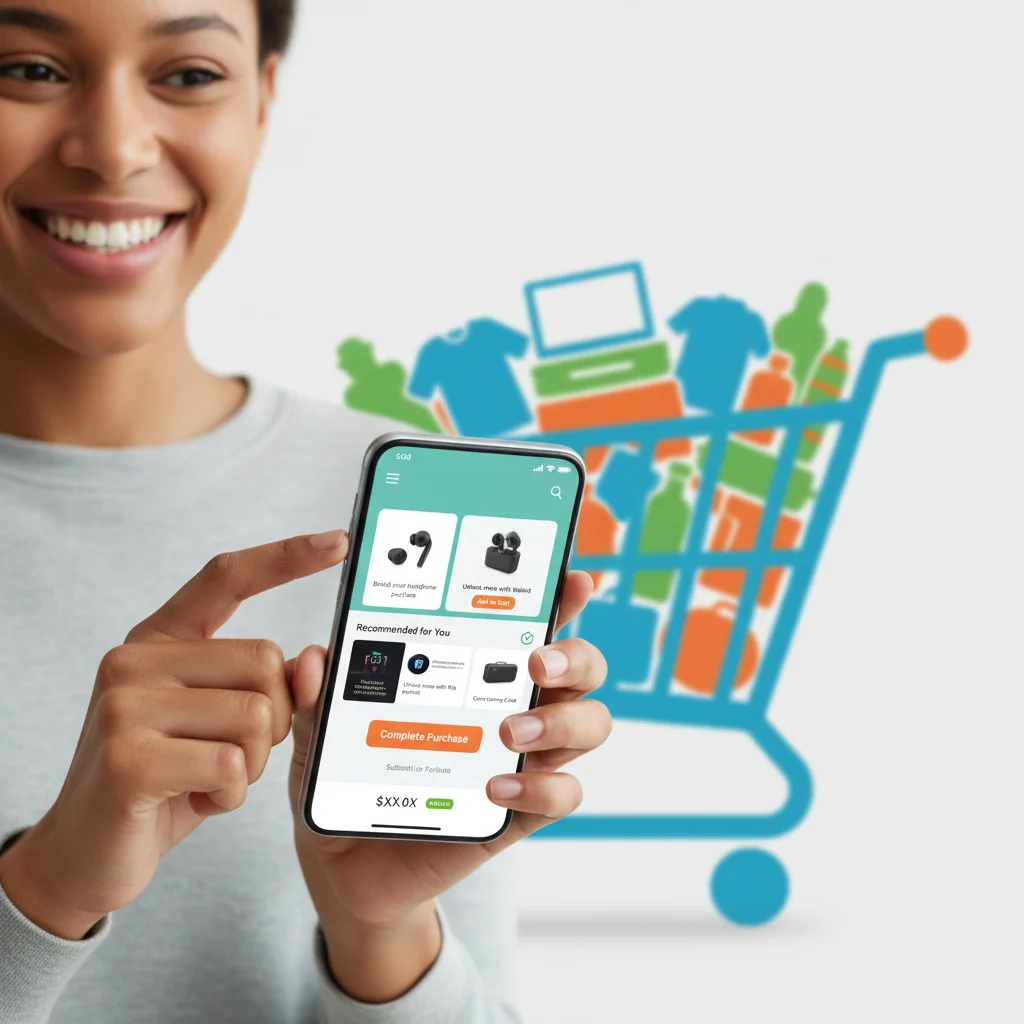
Placing these recommendations strategically on product pages, cart pages, and even post-purchase emails can significantly encourage additional purchases, directly impacting ecommerce personalization AOV.
2. Personalized Upselling and Cross-selling
Upselling involves offering a more expensive or premium version of a product a customer is considering (e.g., suggesting a larger TV model). Cross-selling involves recommending complementary products (e.g., suggesting batteries with a toy, or a case with a smartphone).
Personalization makes these tactics far more effective. Instead of generic suggestions, AI can identify the most relevant upsell or cross-sell opportunities for each individual, based on their specific preferences and past behavior. This can be integrated into product pages, during the checkout process, or even through personalized email campaigns.
3. Tailored Bundling and Package Deals
Creating personalized product bundles can be a powerful AOV booster. Instead of generic bundles, use data to suggest custom bundles that make sense for an individual customer. For example, a customer who frequently buys coffee beans might be offered a personalized bundle including their favorite beans, a new mug, and a coffee grinder at a slight discount. This encourages them to purchase multiple items they might not have considered individually, thereby increasing their order value.
4. Personalized Promotions and Discounts
While blanket discounts can erode margins, personalized promotions can be highly effective for AOV. Offer targeted discounts on items a customer has shown interest in but hasn’t purchased, or provide a special incentive to complete an abandoned cart with an additional item. Loyalty programs with personalized rewards also encourage repeat purchases and higher spending, directly contributing to a better ecommerce personalization AOV.
5. Dynamic Pricing Strategies
In highly sophisticated personalization systems, dynamic pricing can be implemented. This involves adjusting product prices in real-time based on factors like customer segment, demand, competitor pricing, and even the individual customer’s perceived willingness to pay. While controversial if not handled ethically, when implemented transparently and focused on value, dynamic pricing can optimize revenue and AOV.
6. Personalized Content and User Experience (UX)
Personalization extends beyond just product recommendations. It encompasses the entire user experience. This includes:
- Personalized homepages: Displaying products, categories, and promotions most relevant to the individual.
- Tailored email campaigns: Sending emails with product suggestions, abandoned cart reminders, and exclusive offers based on individual behavior.
- Customized search results: Prioritizing products in search results based on past preferences.
- Localized content: Displaying language, currency, and product availability relevant to the user’s location.
A consistent, personalized experience across all touchpoints makes the customer journey smoother and more enjoyable, leading to higher engagement and a greater likelihood of increased spending.
Measuring Success: KPIs for Personalization and AOV
To ensure your personalization efforts are truly driving the projected 6% AOV increase, it’s crucial to track the right Key Performance Indicators (KPIs):
- Average Order Value (AOV): The most direct measure of success. Monitor this metric closely, comparing personalized segments against control groups.
- Conversion Rate: While AOV is the focus, a higher conversion rate often goes hand-in-hand with effective personalization.
- Customer Lifetime Value (CLTV): Personalization builds loyalty, leading to customers spending more over their lifetime with your brand.
- Bounce Rate: A lower bounce rate on personalized pages indicates greater relevance and engagement.
- Add-to-Cart Rate: Higher rates suggest that recommendations and personalized offers are compelling.
- Return Customer Rate: Personalized experiences encourage customers to return to your site.
- Revenue per Visitor: A holistic metric that combines conversion and AOV.
Regularly analyzing these KPIs allows for continuous optimization of your ecommerce personalization AOV strategies.
Challenges and Considerations for 2026
While the benefits of personalization are clear, implementing it at scale for a 6% AOV increase by 2026 comes with its own set of challenges:
1. Data Privacy and Trust
With increasing concerns about data privacy (e.g., GDPR, CCPA), businesses must be transparent about data collection and usage. Building customer trust is paramount. Ethical personalization respects user privacy while still delivering relevant experiences. Companies that prioritize transparency will build stronger customer relationships.
2. Data Silos and Integration
Many organizations struggle with fragmented data across different systems (CRM, e-commerce platform, marketing automation, analytics). Breaking down these data silos and integrating systems is essential for a holistic customer view and effective personalization.
3. Technological Complexity and Investment
Implementing advanced AI and ML-driven personalization platforms requires significant technological investment and expertise. Businesses need to evaluate various solutions, consider build vs. buy decisions, and invest in training their teams.
4. Avoiding Over-Personalization
There’s a fine line between helpful personalization and creepy over-personalization. Bombarding customers with too many recommendations or revealing too much about their browsing history can be off-putting. The goal is to be helpful and intuitive, not intrusive.
5. Maintaining Agility and Adaptability
The digital landscape evolves rapidly. Personalization strategies must be agile and adaptable, constantly learning from new data and adjusting to changing customer behaviors and market trends. What works today might not work tomorrow.
The Future of Personalization in E-commerce
Looking ahead to 2026 and beyond, personalization will become even more sophisticated. We can expect:
- Hyper-personalization: Moving beyond segments to truly individual experiences, where every interaction is uniquely tailored.
- Voice and Visual Commerce Personalization: As voice assistants and visual search become more prevalent, personalization will extend to these new interfaces.
- Augmented Reality (AR) and Virtual Reality (VR) Personalization: Imagine trying on clothes virtually, with recommendations based on your body type and style preferences in a VR shopping environment.
- Proactive Personalization: Systems that anticipate needs before the customer even expresses them, perhaps through smart home integration or predictive analytics based on external life events.
- Ethical AI in Personalization: Greater emphasis on fairness, transparency, and accountability in AI algorithms to avoid bias and ensure privacy.
These advancements will further solidify the role of ecommerce personalization AOV as a primary driver of e-commerce success.
Conclusion: Seizing the 6% AOV Opportunity
The opportunity to drive a 6% increase in U.S. e-commerce AOV by 2026 through advanced personalization is real and achievable. It requires a strategic commitment to data, technology, and a customer-centric mindset. Businesses that invest in understanding their customers at a deeper level and leverage AI-driven personalization tools will be the ones that not only survive but thrive in the competitive digital marketplace.
By focusing on robust data collection, intelligent segmentation, dynamic recommendations, and personalized upsell/cross-sell strategies, e-commerce businesses can create incredibly engaging and valuable shopping experiences. This doesn’t just lead to higher average order values; it fosters deeper customer loyalty, stronger brand advocacy, and ultimately, sustainable long-term growth. The time to embrace the power of ecommerce personalization AOV is now, setting the stage for a prosperous future in digital retail.