Boost Sales: Virtual Selling Tools Driving 25% Higher Conversions

Boost Sales: Virtual Selling Tools Driving 25% Higher Conversions
In today’s rapidly evolving business landscape, the traditional sales model has undergone a significant transformation. The shift towards remote work and digital interactions has propelled virtual selling tools to the forefront of sales strategies for US companies. This isn’t just a temporary trend; it’s a fundamental change that’s redefining how businesses connect with prospects, nurture leads, and close deals. The most compelling evidence of this paradigm shift is the remarkable statistic: US companies are achieving an astounding 25% higher conversion rates by strategically implementing interactive platforms and cutting-edge virtual selling tools this year. This article delves deep into the power of these tools, exploring how they are revolutionizing sales, the specific technologies driving success, and practical strategies for businesses to harness their full potential.
The pandemic undoubtedly accelerated the adoption of virtual sales, but the benefits extend far beyond mere necessity. Companies that have embraced a robust virtual selling framework are discovering unparalleled efficiencies, broader reach, and a more personalized customer experience. This isn’t about replacing human interaction, but rather augmenting it with technology to create more impactful and scalable engagements. From initial contact to closing, every stage of the sales cycle can be enhanced by the right virtual selling tools.
The Evolution of Sales: Why Virtual Selling Tools are Essential
For decades, sales relied heavily on in-person meetings, handshake deals, and the ability to read body language in a physical room. While these elements still hold value, the modern buyer’s journey has fundamentally changed. Prospects are more informed, conducting extensive research online before ever engaging with a sales representative. They expect instant access to information, personalized experiences, and efficient interactions.
This is precisely where virtual selling tools step in. They empower sales teams to meet customers where they are – online. These tools facilitate seamless communication, engaging presentations, and collaborative decision-making, all without the need for physical presence. The benefits are multifaceted:
- Increased Reach: Geographic barriers are eliminated, allowing sales teams to connect with prospects across the country and even globally, expanding market opportunities significantly.
- Reduced Costs: Travel expenses, accommodation, and time spent commuting are drastically cut, leading to substantial savings for businesses.
- Improved Efficiency: Automation features, scheduling tools, and centralized data management free up sales reps to focus on selling, rather than administrative tasks.
- Enhanced Personalization: Data-driven insights from virtual platforms allow for highly tailored pitches and product demonstrations, addressing specific customer needs and pain points.
- Better Data and Analytics: Every interaction, from email opens to presentation engagement, can be tracked and analyzed, providing valuable insights to optimize sales strategies.
The 25% higher conversion rates reported by US companies are a direct testament to these advantages. By leveraging the right virtual selling tools, businesses are not just adapting to a new normal; they are actively thriving in it, building stronger relationships and ultimately driving more revenue.
Key Virtual Selling Tools Driving Higher Conversions
The landscape of virtual selling tools is vast and ever-expanding. To achieve significant conversion rate improvements, companies need to strategically select and integrate tools that address specific stages of the sales funnel. Here’s a breakdown of essential categories and examples:
1. Video Conferencing and Communication Platforms
At the heart of virtual selling are robust video conferencing solutions. These platforms go beyond simple video calls, offering features crucial for effective sales interactions.
- Zoom, Microsoft Teams, Google Meet: These are the staples, providing high-quality video and audio, screen sharing, and recording capabilities. For sales, features like breakout rooms for team collaboration during a client meeting, virtual whiteboards for brainstorming, and integrated chat functions are invaluable.
- Specialized Sales Communication Tools: Some platforms offer enhanced features like real-time sentiment analysis, transcriptions, and AI-powered insights into customer engagement during calls, helping reps refine their approach.
2. Interactive Presentation and Demo Platforms
Gone are the days of static PowerPoint presentations. Interactive platforms are key to keeping prospects engaged and illustrating product value dynamically.
- Interactive Content Tools (e.g., Highspot, Seismic): These platforms allow sales reps to create personalized, interactive presentations, collateral, and proposals. They can track how prospects engage with content, providing insights into what resonates most. Features like embedded videos, quizzes, and clickable elements transform passive viewing into active participation.
- Product Demo Software (e.g., Consensus, Demostack): These tools enable sales teams to create customized, on-demand product demos that prospects can explore at their own pace. They can also facilitate live, interactive demos where reps can control the product in real-time, allowing prospects to ask questions and see immediate results.
3. CRM and Sales Engagement Platforms
A strong CRM (Customer Relationship Management) system is the backbone of any sales operation, and its integration with sales engagement tools is critical for virtual selling success.
- Salesforce, HubSpot, Zoho CRM: These platforms centralize customer data, track interactions, manage pipelines, and automate many sales processes. For virtual selling, their ability to integrate with communication and presentation tools is paramount.
- Sales Engagement Platforms (e.g., Salesloft, Outreach): These tools automate and personalize outreach across multiple channels (email, phone, social). They help sales reps manage sequences of touchpoints, track engagement metrics, and ensure consistent follow-up, which is vital in a virtual environment where direct physical cues are absent.
4. E-Signature and Contract Management Tools
Closing deals virtually requires streamlined contract processes.
- DocuSign, Adobe Sign: These platforms enable secure and legally binding electronic signatures, significantly accelerating the sales cycle by eliminating the need for printing, scanning, and mailing documents.
- Contract Lifecycle Management (CLM) Software: More comprehensive solutions help manage the entire contract process, from creation and negotiation to execution and renewal, ensuring compliance and efficiency.
5. Analytics and AI-Powered Sales Tools
Data is king, and AI is its most powerful interpreter. These tools provide insights that drive strategic decisions and improve performance.
- Sales Analytics Dashboards: Integrated within CRMs or standalone, these dashboards provide real-time visibility into sales performance, conversion rates, pipeline health, and individual rep effectiveness.
- AI-Powered Sales Assistants (e.g., Gong.io, Chorus.ai): These tools analyze sales calls and meetings, identifying key discussion points, sentiment, talk-to-listen ratios, and successful sales techniques. They provide actionable insights for coaching and improving sales effectiveness.
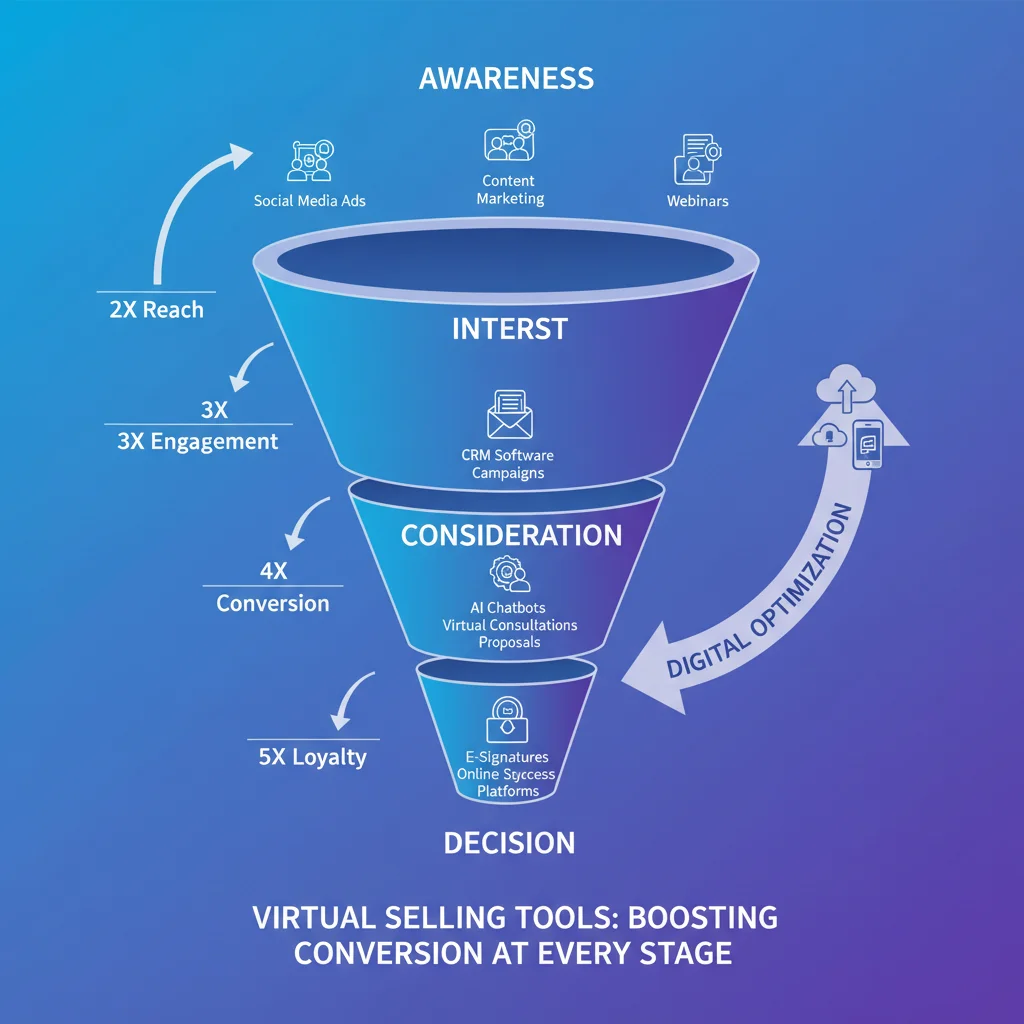
Strategies for Maximizing Conversion Rates with Virtual Selling Tools
Simply adopting virtual selling tools isn’t enough; the key lies in how they are implemented and integrated into a comprehensive sales strategy. Here are proven strategies that US companies are employing to achieve and surpass that 25% higher conversion rate:
1. Personalization at Scale
In a virtual world, personalization is more critical than ever. Generic outreach is easily ignored. Leverage data from your CRM and sales engagement platforms to tailor every communication.
- Dynamic Content: Use interactive presentation tools to dynamically insert prospect-specific data, case studies, or product configurations during a live demo or within a shared proposal.
- Targeted Messaging: Craft emails and social messages that address specific pain points identified during discovery calls or through online research.
- Video Messages: Instead of plain text emails, send short, personalized video messages to prospects. This adds a human touch and significantly increases engagement.
2. Engaging and Interactive Presentations
Monologues kill deals. Your virtual presentations must be engaging and encourage participation.
- Interactive Demos: Allow prospects to ‘drive’ the demo, clicking through features or configuring solutions in real-time. This hands-on experience builds ownership and understanding.
- Polls and Q&A: Integrate interactive polls or dedicated Q&A sessions within your virtual meetings to keep attendees engaged and address their concerns immediately.
- Visual Storytelling: Use high-quality visuals, animations, and short video clips to illustrate complex concepts and keep the presentation dynamic.
3. Seamless Collaboration and Follow-up
The sales process often involves multiple stakeholders. Virtual selling tools should facilitate smooth collaboration.
- Shared Digital Workspaces: Use platforms that allow sales reps and prospects to collaborate on documents, proposals, or project plans in real-time.
- Automated Follow-up Sequences: Implement sales engagement platforms to ensure timely and relevant follow-ups, nurturing leads without manual overload.
- Internal Team Collaboration: Use communication tools to ensure sales, marketing, and product teams are aligned and can quickly provide support during the sales process.
4. Data-Driven Sales Coaching and Optimization
The wealth of data generated by virtual selling tools is a goldmine for continuous improvement.
- Call Analysis: Utilize AI tools (like Gong.io) to analyze sales calls, identify winning patterns, and pinpoint areas for improvement in individual rep performance.
- Content Effectiveness: Track engagement with virtual content to understand what resonates and what doesn’t, allowing for continuous optimization of sales collateral.
- Pipeline Health Monitoring: Regularly review CRM data to identify bottlenecks in the sales funnel and adjust strategies accordingly.
5. Building Trust in a Virtual Environment
Trust is harder to build without in-person interactions, but it’s not impossible.
- Professional Appearance and Setup: Ensure reps have professional virtual backgrounds, good lighting, and reliable audio/video equipment.
- Active Listening: Train reps to actively listen and acknowledge prospect concerns, showing empathy and understanding.
- Timely and Transparent Communication: Be prompt in responses and transparent about processes, fostering reliability.
- Social Proof: Leverage testimonials, case studies, and industry awards within your virtual presentations to build credibility.
Challenges and How to Overcome Them
While the benefits are clear, implementing virtual selling tools is not without its challenges. Understanding these hurdles and proactively addressing them is crucial for sustained success.
1. Technology Adoption and Training
Challenge: Sales teams may be resistant to new technologies or lack the skills to effectively use complex platforms.
Solution: Invest heavily in comprehensive training programs. Provide ongoing support, create easily accessible resources (video tutorials, FAQs), and highlight the direct benefits to individual reps (e.g., saving time, closing more deals). Foster a culture of continuous learning and celebrate early adopters.
2. Maintaining Human Connection
Challenge: It can be difficult to replicate the rapport and personal connection built during in-person meetings.
Solution: Encourage video-on policies, even for internal meetings, to foster a sense of presence. Train reps on virtual body language, active listening techniques, and how to project warmth and sincerity through a screen. Utilize personalized video messages and find creative ways to engage prospects beyond formal meetings, such as virtual coffee chats.
3. Technical Glitches and Connectivity Issues
Challenge: Unreliable internet, software bugs, or user errors can disrupt virtual meetings and undermine professionalism.
Solution: Equip sales teams with reliable high-speed internet and backup options. Standardize hardware (webcams, microphones). Always have a backup communication plan (e.g., phone number) for virtual meetings. Conduct pre-call tech checks and train reps on basic troubleshooting.
4. Information Overload and Data Silos
Challenge: The sheer volume of data from various virtual tools can be overwhelming, and information can become fragmented if not managed properly.
Solution: Implement a robust CRM as the central hub for all customer data. Ensure seamless integration between all virtual selling tools to prevent data silos. Utilize analytics dashboards to present key metrics clearly and concisely, focusing on actionable insights rather than raw data.

The Future is Interactive: What’s Next for Virtual Selling Tools?
The evolution of virtual selling tools is far from over. As technology continues to advance, we can expect even more sophisticated and immersive experiences that further blur the lines between virtual and physical interactions.
- Augmented Reality (AR) and Virtual Reality (VR): Imagine conducting a product demo where the prospect can virtually ‘try on’ a product or walk through a simulated environment. AR and VR are poised to offer unparalleled immersion for complex products and services, creating highly memorable and impactful sales experiences.
- AI-Powered Personalization: AI will become even more adept at analyzing customer behavior and preferences, allowing for hyper-personalized recommendations and dynamic content adjustments in real-time during a sales call.
- Predictive Analytics: Advanced AI will not only analyze past performance but also predict future sales trends, identify high-potential leads, and suggest optimal sales strategies, further boosting conversion rates.
- Integrated Buying Experiences: The trend will move towards even more seamless integration of sales, marketing, and customer service platforms, creating a unified and frictionless buying journey for the customer.
- Gamification: Incorporating game-like elements into the sales process – for both reps and prospects – can increase engagement, motivation, and learning.
US companies that stay ahead of these trends and continuously adapt their use of virtual selling tools will be the ones that continue to report impressive gains in conversion rates and market share. The competitive advantage will belong to those who view technology not just as a support function, but as a core driver of sales success.
Conclusion: Embracing the Power of Virtual Selling Tools for Growth
The evidence is clear: virtual selling tools are no longer a nice-to-have, but a must-have for US companies aiming to thrive in the modern economy. The reported 25% higher conversion rates are a powerful indicator of their effectiveness when implemented strategically. By investing in the right technologies, providing comprehensive training, and fostering a culture of innovation, businesses can transform their sales processes, expand their reach, reduce costs, and ultimately drive significant revenue growth.
The future of sales is undoubtedly virtual, interactive, and data-driven. Companies that embrace this reality and continuously optimize their use of virtual selling tools will not only meet the evolving expectations of their customers but will also unlock new levels of efficiency and profitability. It’s time to leverage these powerful platforms to connect, engage, and convert like never before, securing a competitive edge in an increasingly digital world.