Sales Enablement Software 2026: Boost Rep Productivity by 30%

The 2026 Guide to Sales Enablement Software: Choosing Tools That Boost Rep Productivity by 30%
In the rapidly evolving landscape of B2B sales, the quest for efficiency, effectiveness, and unparalleled productivity is more critical than ever. As we look towards 2026, the strategic implementation of Sales Enablement Software has transitioned from a beneficial addition to an absolute necessity for organizations aiming to not only survive but thrive. This comprehensive guide will delve into the intricacies of selecting and deploying the right sales enablement tools, with a specific focus on how these platforms can realistically boost your sales representatives’ productivity by an impressive 30%.
The modern sales environment is characterized by informed buyers, intense competition, and a proliferation of digital channels. Sales teams are under constant pressure to deliver consistent results, personalize buyer interactions, and navigate increasingly complex sales cycles. Without the right technological backbone, even the most talented sales professionals can find themselves bogged down by administrative tasks, searching for relevant content, or lacking the insights needed to close deals efficiently. This is precisely where Sales Enablement Software steps in, offering a holistic solution to empower sales teams and streamline their entire workflow.
Understanding the Evolution of Sales Enablement Software
The concept of sales enablement isn’t new, but its technological manifestation has undergone a significant transformation. Initially, sales enablement efforts often involved manual processes, disconnected content repositories, and sporadic training sessions. Fast forward to 2026, and modern Sales Enablement Software platforms are sophisticated, AI-driven ecosystems that integrate seamlessly with existing CRM systems, marketing automation platforms, and communication tools. They provide a centralized hub for content, training, coaching, and performance analytics, all designed to make sales reps more effective.
The core objective remains the same: to equip sales professionals with everything they need to engage buyers effectively throughout the sales process. However, the methods and capabilities of achieving this have grown exponentially. Today’s platforms leverage artificial intelligence for content recommendations, machine learning for predictive analytics, and advanced automation to reduce manual effort. This evolution is central to understanding how a 30% productivity increase is not just an aspiration but an achievable reality.
What is Sales Enablement Software, Really?
At its heart, Sales Enablement Software is a category of tools and platforms designed to optimize the sales process by providing sales teams with the resources, knowledge, and skills they need to succeed. Think of it as the central nervous system for your sales organization, connecting disparate elements and ensuring that every sales rep has immediate access to the most effective strategies and materials.
Key functionalities often include:
- Content Management and Distribution: A centralized repository for all sales-related content (presentations, case studies, battlecards, product sheets, videos, etc.), ensuring reps use the most up-to-date and on-brand materials. Advanced features include AI-driven content recommendations based on deal stage, buyer persona, and industry.
- Sales Training and Coaching: Tools for delivering ongoing training, skill development, and personalized coaching. This can include virtual role-playing, micro-learning modules, and performance-based feedback mechanisms.
- Sales Analytics and Reporting: Dashboards and reports that provide insights into content effectiveness, sales rep performance, pipeline health, and areas for improvement. This data is crucial for continuous optimization.
- CRM Integration: Seamless connectivity with CRM systems like Salesforce, HubSpot, or Microsoft Dynamics, allowing sales reps to access enablement tools directly from their familiar environment and ensuring data consistency.
- Buyer Engagement Tools: Features that help reps personalize outreach, track buyer interactions (email opens, content views), and provide a more tailored buying experience.
- Process Automation: Automating repetitive tasks, such as generating proposals, sending follow-up emails, or updating CRM records, freeing up reps’ time for selling.
By bringing these disparate functions under one roof, Sales Enablement Software reduces friction in the sales process, minimizes wasted effort, and ultimately empowers reps to spend more time doing what they do best: selling.
The Promise of a 30% Productivity Boost: How Sales Enablement Software Delivers
The claim of a 30% productivity boost might seem ambitious, but it’s grounded in the tangible efficiencies and strategic advantages that robust Sales Enablement Software provides. Let’s break down how these platforms achieve such significant gains:
1. Streamlined Content Access and Utilization
One of the biggest time sinks for sales reps is searching for the right content. Studies consistently show that reps spend a significant portion of their day looking for materials, or worse, creating their own, leading to inconsistency and compliance risks. Modern Sales Enablement Software solves this by:
- Centralized, Tagged Repository: All content is stored in one place, meticulously tagged and categorized, making it instantly searchable.
- AI-Powered Recommendations: AI algorithms suggest the most relevant content based on the sales stage, customer industry, persona, and even past successful engagements. This eliminates guesswork and ensures reps use high-impact materials.
- Version Control and Compliance: Ensures reps always use the latest, approved versions of content, protecting brand consistency and legal compliance.
By reducing search time and improving content quality, reps can dedicate more time to actual selling activities, directly impacting their productivity.
2. Enhanced Sales Training and Coaching
Effective training and ongoing coaching are paramount for sales success. However, traditional methods can be slow, inconsistent, and difficult to scale. Sales Enablement Software revolutionizes this by:
- On-Demand Learning Modules: Reps can access training materials, product updates, and skill-building exercises anytime, anywhere.
- Personalized Coaching Paths: AI can identify skill gaps based on performance data and recommend personalized training modules or coaching interventions.
- Practice and Role-Playing Tools: Virtual environments allow reps to practice pitches and presentations, receiving immediate feedback to refine their approach before engaging with real prospects.
- Automated Feedback Loops: Managers can provide targeted feedback on recorded calls or presentations more efficiently, leading to faster skill development.
Better-trained and coached reps are more confident, more knowledgeable, and ultimately, more productive.
3. Deeper Buyer Insights and Personalized Engagement
In 2026, generic sales approaches yield diminishing returns. Buyers expect personalized, relevant interactions. Sales Enablement Software facilitates this by:
- Buyer Engagement Tracking: Monitoring how prospects interact with sent content (opens, views, time spent) provides valuable insights into their interests and pain points.
- Personalized Content Assembly: Tools that allow reps to quickly assemble customized content packages for specific prospects, enhancing relevance.
- Competitive Intelligence: Providing reps with up-to-date information on competitors, enabling them to counter objections effectively.
Armed with these insights, reps can tailor their conversations, anticipate needs, and build stronger relationships, accelerating the sales cycle and increasing close rates.
4. Automation of Non-Selling Tasks
A significant portion of a sales rep’s day is often consumed by administrative tasks that don’t directly involve selling. Sales Enablement Software automates many of these, including:
- Proposal Generation: Automatically populating proposals with relevant product information, pricing, and legal clauses.
- CRM Updates: Integrating with CRM systems to automatically log activities, update deal stages, and capture notes.
- Follow-up Sequences: Automating the scheduling and sending of personalized follow-up emails based on buyer behavior.
By offloading these tasks, reps gain precious hours back in their day, which can be redirected towards high-value selling activities like prospecting, discovery calls, and closing deals. This is a direct contributor to the 30% productivity increase.
5. Performance Analytics for Continuous Improvement
What gets measured gets managed. Sales Enablement Software provides granular insights into what’s working and what’s not, both at an individual and team level:
- Content Effectiveness: Identifying which content pieces lead to higher engagement and better conversion rates.
- Rep Performance Metrics: Tracking individual rep activity, content usage, and pipeline contribution to identify top performers and areas needing support.
- Sales Cycle Optimization: Analyzing data to pinpoint bottlenecks in the sales process and inform strategic adjustments.
This data-driven approach allows sales leaders to make informed decisions, optimize strategies, and provide targeted support, continuously enhancing overall team productivity.
Choosing the Right Sales Enablement Software in 2026: A Strategic Approach
With a plethora of Sales Enablement Software options available, choosing the right platform requires a strategic and methodical approach. The goal isn’t just to buy a tool, but to invest in a solution that aligns with your specific sales processes, team needs, and business objectives. Here’s a step-by-step guide to making an informed decision:
Step 1: Define Your Specific Needs and Objectives
Before even looking at vendors, clearly articulate what problems you’re trying to solve and what outcomes you expect. Are your reps struggling with content discovery? Do they need better training? Is your sales cycle too long? Specific objectives might include:
- Reduce time spent searching for content by 25%.
- Improve sales rep onboarding time by 20%.
- Increase content utilization rates by 15%.
- Boost average deal size by 10% through better personalization.
- Achieve a 30% overall increase in sales rep productivity.
Having clear goals will guide your selection process and provide benchmarks for measuring success.
Step 2: Assess Your Current Sales Stack and CRM Integration
Your new Sales Enablement Software must integrate seamlessly with your existing technology ecosystem, especially your CRM. A disconnected solution will create more problems than it solves. Consider:
- CRM Compatibility: Does the platform integrate natively with your CRM (e.g., Salesforce, HubSpot, Dynamics 365)?
- Other Integrations: Does it connect with your marketing automation, communication, or analytics tools?
- API Capabilities: If native integrations aren’t available, does it offer robust APIs for custom development?
Seamless integration is crucial for data flow, user adoption, and maximizing the value of your investment.
Step 3: Prioritize Key Features and Functionality
While many platforms offer a wide range of features, focus on those that directly address your identified needs and contribute most to your productivity goals. Consider:
- Content Management: How intuitive is the content repository? Does it support various file types? Are tagging and search capabilities robust? Does it offer AI recommendations?
- Training & Coaching: What kind of learning modules, assessment tools, and coaching functionalities are available? Can you customize training paths?
- Analytics & Reporting: How comprehensive are the dashboards? Can you track individual and team performance, content effectiveness, and deal progression?
- Ease of Use: Is the interface intuitive for sales reps? A complex system will lead to low adoption rates.
- Scalability: Can the platform grow with your team and evolving needs?
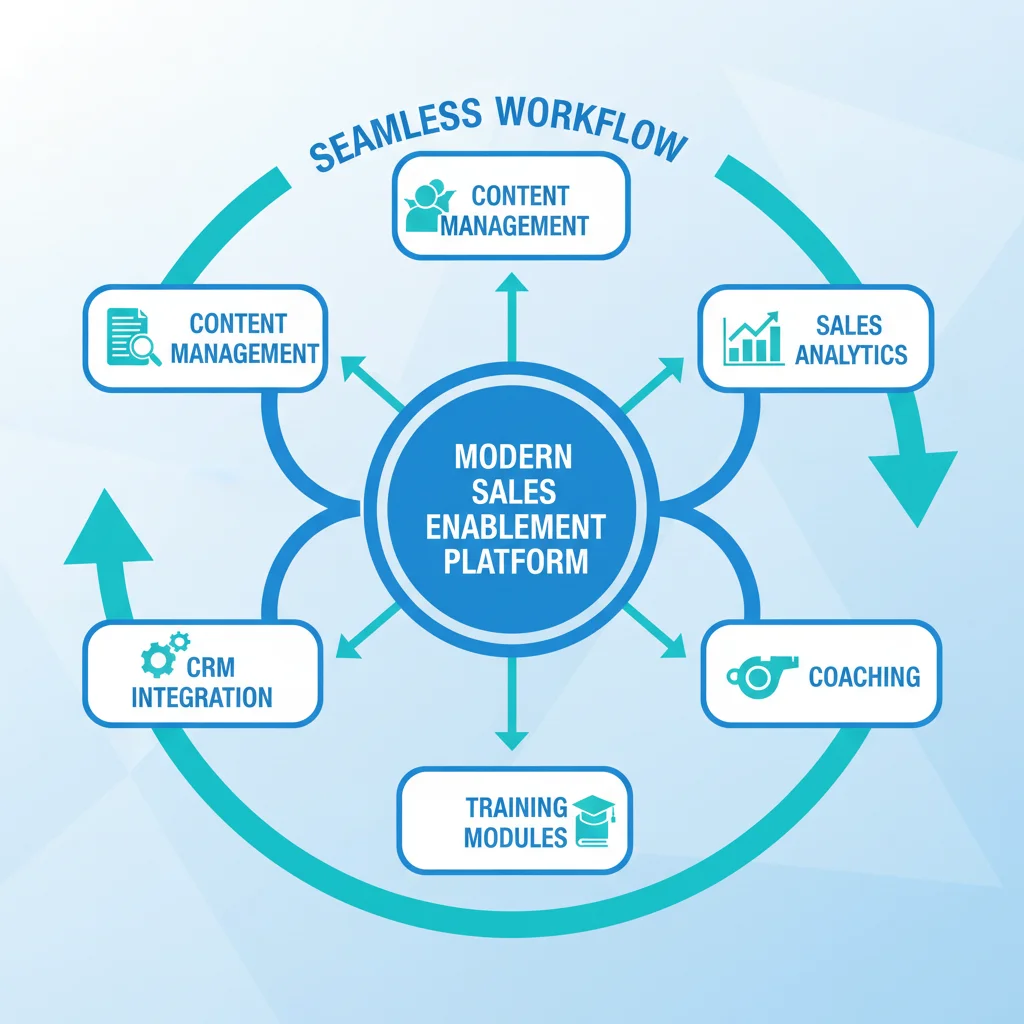
Remember, the best Sales Enablement Software is one that your team will actually use.
Step 4: Evaluate Vendor Support and Implementation
Implementation of new software can be complex. Choose a vendor that offers strong support, comprehensive onboarding, and ongoing training. Ask about:
- Onboarding Process: What does the implementation timeline look like? What resources will be provided?
- Customer Support: What are their support channels (phone, email, chat) and response times?
- Training Resources: Do they offer user guides, video tutorials, and live training sessions?
- Community & Best Practices: Do they have a user community or resources sharing best practices for maximizing the platform?
A good partnership with your vendor can significantly impact the success of your Sales Enablement Software deployment.
Step 5: Consider Budget and ROI
While cost is a factor, focus on the potential return on investment (ROI). A 30% increase in sales rep productivity can translate into significant revenue growth, easily justifying the software’s expense. Calculate the potential gains in terms of:
- Increased closed deals.
- Reduced sales cycle length.
- Higher average deal size.
- Lower sales rep turnover.
- Reduced content creation costs.
Request detailed pricing, understand licensing models, and consider any hidden costs. A robust business case demonstrating ROI will be essential for securing stakeholder buy-in.
Key Trends in Sales Enablement Software for 2026
The Sales Enablement Software landscape is dynamic, with continuous innovation driving new capabilities. As we head into 2026, several key trends are shaping the future of these platforms:
1. Hyper-Personalization at Scale
Leveraging AI and machine learning, platforms will move beyond basic content recommendations to enable hyper-personalized buyer journeys. This means dynamic content assembly, real-time message optimization based on buyer signals, and predictive analytics to anticipate buyer needs and preferences even before they are explicitly stated. The goal is to make every interaction feel bespoke.
2. Deeper Integration with Revenue Operations (RevOps)
The lines between sales, marketing, and customer success are blurring, giving rise to Revenue Operations (RevOps). Sales Enablement Software will play a central role in RevOps by providing a unified view of the customer journey, ensuring alignment across all revenue-generating functions, and optimizing the entire revenue funnel. Expect tighter integrations and shared data analytics across these departments.
3. Generative AI for Content Creation and Optimization
Generative AI will significantly impact content creation within sales enablement. Reps will be able to quickly generate personalized email drafts, social media posts, or even initial proposal outlines using AI, saving immense amounts of time. AI will also analyze content performance and suggest optimizations or entirely new content ideas based on what resonates most with buyers.
4. Advanced Sales Coaching and Skill Development
AI-powered coaching will become more sophisticated, offering real-time feedback during calls, analyzing conversation patterns, and identifying areas for improvement with unparalleled precision. Gamification, virtual reality (VR), and augmented reality (AR) will also be integrated into training modules, creating more immersive and effective learning experiences for sales teams.
5. Focus on Emotional Intelligence (EQ) and Soft Skills
While technology automates many tasks, the human element of sales remains critical. Sales Enablement Software will increasingly incorporate tools and training focused on developing reps’ emotional intelligence, active listening, empathy, and negotiation skills. AI will help identify gaps in these soft skills and recommend targeted development programs.
6. Data Ethics and Privacy Compliance
As sales enablement platforms collect vast amounts of data, ensuring data ethics, privacy, and compliance with regulations like GDPR and CCPA will be paramount. Vendors will invest heavily in robust security measures and transparent data handling practices to build trust and maintain regulatory adherence.
Implementing and Maximizing Your Sales Enablement Software Investment
Acquiring the right Sales Enablement Software is only half the battle. Successful implementation and continuous optimization are crucial for realizing that 30% productivity boost. Here’s how to ensure success:
1. Phased Rollout and Pilot Programs
Avoid a big-bang approach. Start with a pilot program involving a small, enthusiastic group of sales reps. Gather their feedback, identify pain points, and refine your processes before a wider rollout. This allows for iterative improvements and builds internal champions for the new system.
2. Comprehensive Training and Onboarding
Don’t assume reps will instinctively know how to use the new software. Provide thorough, hands-on training that covers all key functionalities. Emphasize the ‘why’ – how the software will make their jobs easier and more successful. Ongoing training and accessible support resources are also vital.
3. Establish Clear Usage Guidelines and Best Practices
Define how content should be tagged, how training modules should be completed, and how analytics should be interpreted. Document best practices and share success stories to encourage adoption and consistent usage across the team.
4. Foster a Culture of Continuous Learning and Feedback
Encourage reps to provide feedback on the software, content, and training. Use this feedback to make continuous improvements. Position the Sales Enablement Software as a dynamic tool that evolves with the team’s needs, rather than a static solution.
5. Measure, Analyze, and Optimize
Regularly review the analytics provided by your Sales Enablement Software. Track key metrics such as:
- Content usage and engagement rates.
- Sales cycle length.
- Win rates.
- Average deal size.
- Time spent on non-selling activities.
- Rep onboarding time.
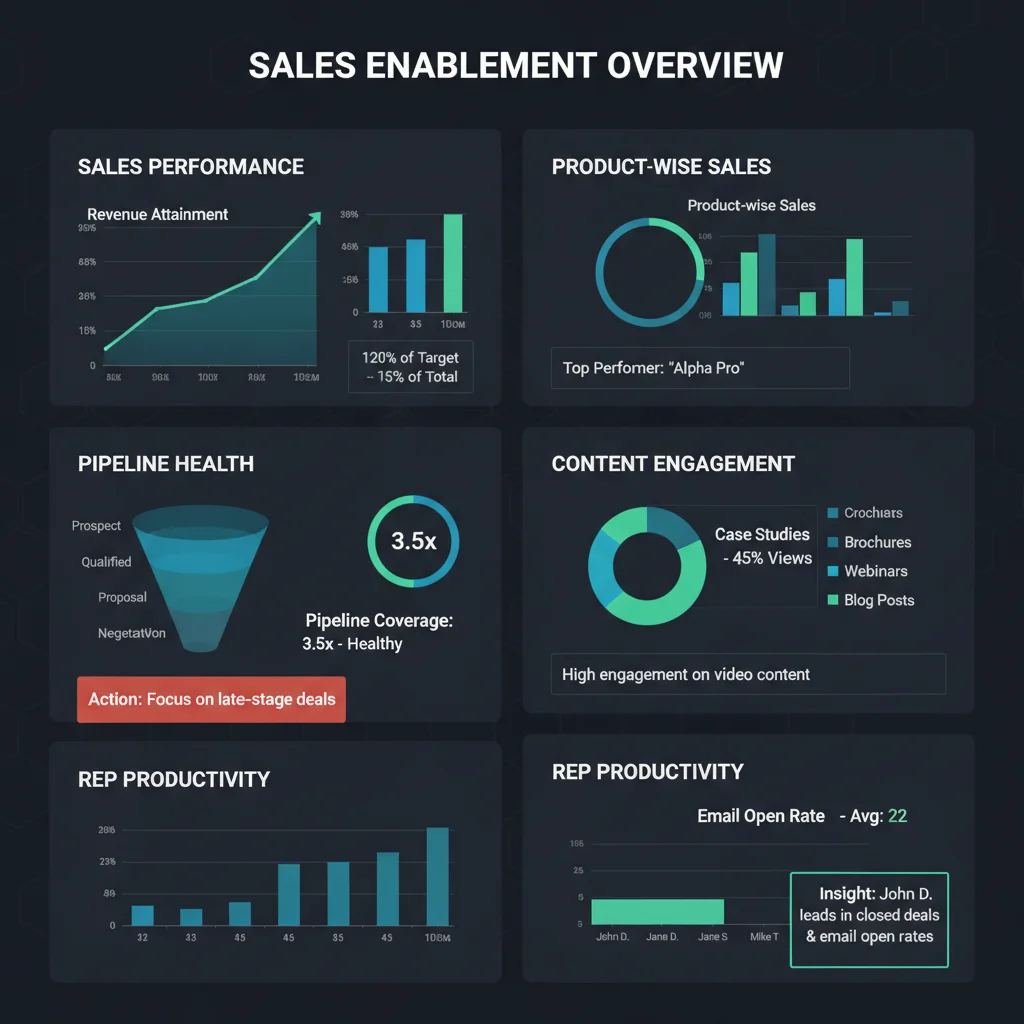
Use these insights to identify areas for improvement, optimize content, refine training programs, and adjust sales strategies. This iterative process of measurement and optimization is key to achieving and sustaining the desired 30% productivity increase.
6. Celebrate Successes
Highlight and celebrate the wins that result from using the Sales Enablement Software. Whether it’s a rep closing a big deal using a new piece of content or a team hitting their targets due to improved efficiency, recognizing these successes reinforces the value of the platform and encourages further adoption.
The Future of Sales: A Human-Centric, Tech-Powered Approach
In 2026, Sales Enablement Software is not about replacing human interaction but augmenting it. It frees sales professionals from mundane tasks, allowing them to focus on the uniquely human aspects of selling: building relationships, understanding complex needs, and demonstrating empathy. The goal is to transform sales reps into strategic advisors who can deliver exceptional value to their customers.
The 30% productivity boost isn’t just about closing more deals; it’s about creating a more empowered, engaged, and effective sales force. It’s about giving reps the confidence and capabilities to navigate an increasingly competitive market, ultimately driving sustainable revenue growth for your organization.
Conclusion
The year 2026 marks a pivotal moment for sales organizations. The strategic adoption of advanced Sales Enablement Software is no longer an option but a foundational pillar for success. By carefully evaluating your needs, integrating seamlessly with your existing tech stack, prioritizing key features, and committing to ongoing optimization, you can unlock the transformative potential of these platforms.
Embrace the future of sales enablement, empower your sales team with the best tools available, and prepare to witness a remarkable surge in productivity, potentially exceeding the ambitious 30% target. The investment in the right Sales Enablement Software is an investment in the future growth and resilience of your sales organization.