Subscription Models U.S. Digital Sales 2026: 20% Growth Deep Dive
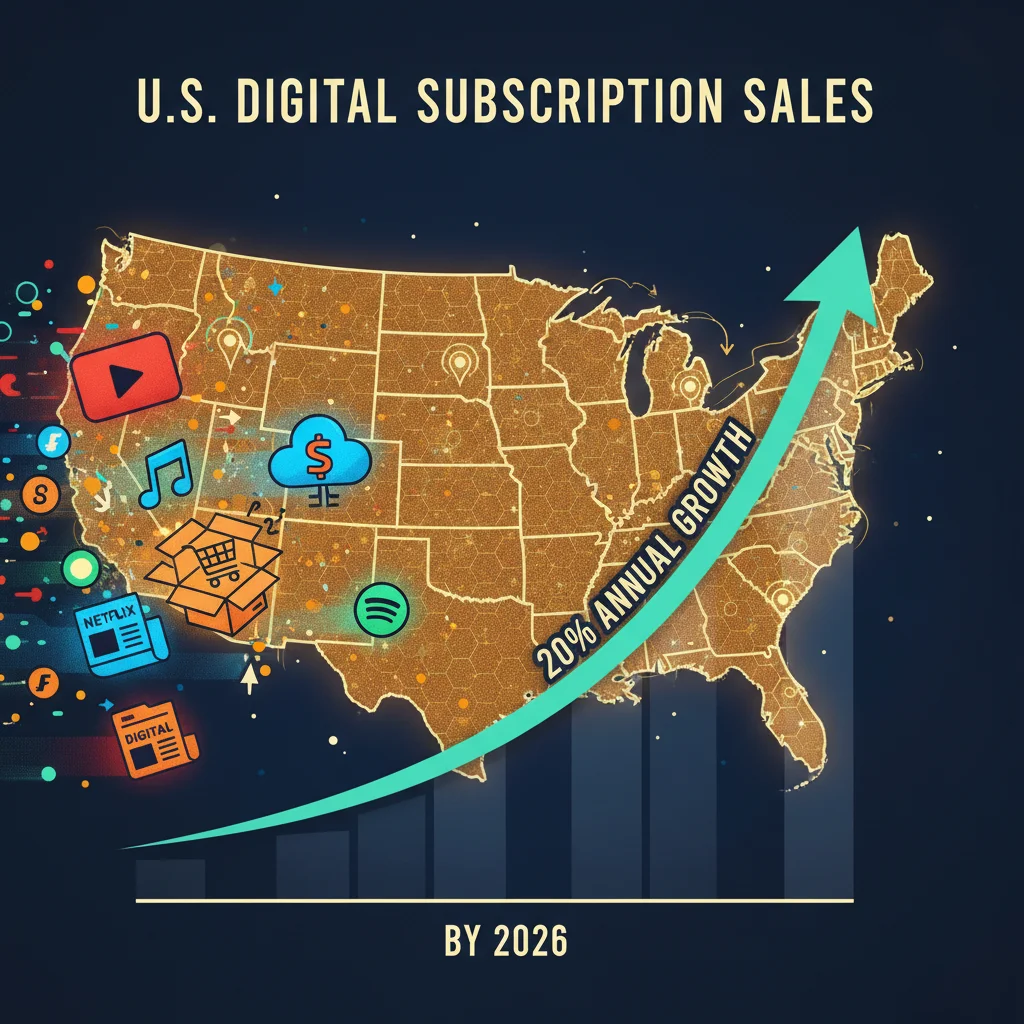
The Unstoppable Surge: U.S. Subscription Growth in Digital Sales Poised for 20% Annual Expansion by 2026
The economic landscape of the United States is undergoing a profound transformation, driven significantly by the burgeoning subscription economy. Once a niche business model, subscriptions have permeated nearly every facet of digital commerce, from entertainment and software to curated physical goods and essential services. This shift isn’t just a trend; it’s a fundamental recalibration of consumer behavior and business strategy, fueling an impressive U.S. Subscription Growth trajectory. Analysts project a staggering 20% annual growth in U.S. digital sales spearheaded by subscription models by 2026, a forecast that demands a comprehensive understanding for businesses, investors, and consumers alike.
This deep dive will explore the multifaceted dynamics propelling this growth, dissect the key sectors capitalizing on the recurring revenue model, identify the challenges and opportunities, and ultimately paint a picture of what the future holds for the U.S. digital subscription market. Understanding this seismic shift is no longer optional; it’s imperative for anyone operating within or adjacent to the digital economy.
Understanding the Phenomenon of U.S. Subscription Growth
The concept of subscription isn’t new; newspapers, magazines, and milk deliveries have long operated on this principle. However, the digital age has revolutionized its implementation, scalability, and reach. The convenience, personalization, and perceived value offered by digital subscriptions have resonated deeply with modern consumers, accustomed to on-demand access and tailored experiences. This consumer preference is the bedrock of the projected 20% annual U.S. Subscription Growth.
Several macro and microeconomic factors are converging to create this fertile ground for expansion:
- Predictable Revenue Streams: For businesses, subscriptions offer stability and predictability, allowing for better forecasting, resource allocation, and long-term planning. This recurring revenue model is highly attractive to investors, often leading to higher valuations.
- Enhanced Customer Lifetime Value (CLTV): By fostering ongoing relationships, businesses can significantly increase the CLTV of their customers. Loyal subscribers tend to spend more over time and are less costly to retain than to acquire new customers.
- Personalization and Customization: Digital platforms excel at collecting data, which, when used responsibly, enables businesses to offer highly personalized products, services, and content. This tailored experience is a major draw for subscribers.
- Convenience and Accessibility: From streaming movies to software as a service (SaaS), digital subscriptions provide instant access to a vast array of resources without the need for large upfront investments or physical ownership.
- The ‘Ownership’ vs. ‘Access’ Paradigm Shift: Modern consumers, particularly younger demographics, often prioritize access over ownership. They prefer to subscribe to services that provide ongoing value rather than owning a depreciating asset.
- Technological Advancements: The proliferation of high-speed internet, mobile devices, and sophisticated payment processing systems has made managing and delivering subscription services seamless for both providers and consumers.
These factors collectively contribute to a robust ecosystem where U.S. Subscription Growth isn’t just anticipated but almost inevitable, given current market dynamics and consumer preferences. The convenience of automatic renewals, the continuous updates in software, and the ever-expanding libraries of content all play a pivotal role in cementing the subscription model as a dominant force in digital sales.
Key Verticals Driving 20% Annual Growth in U.S. Digital Subscriptions
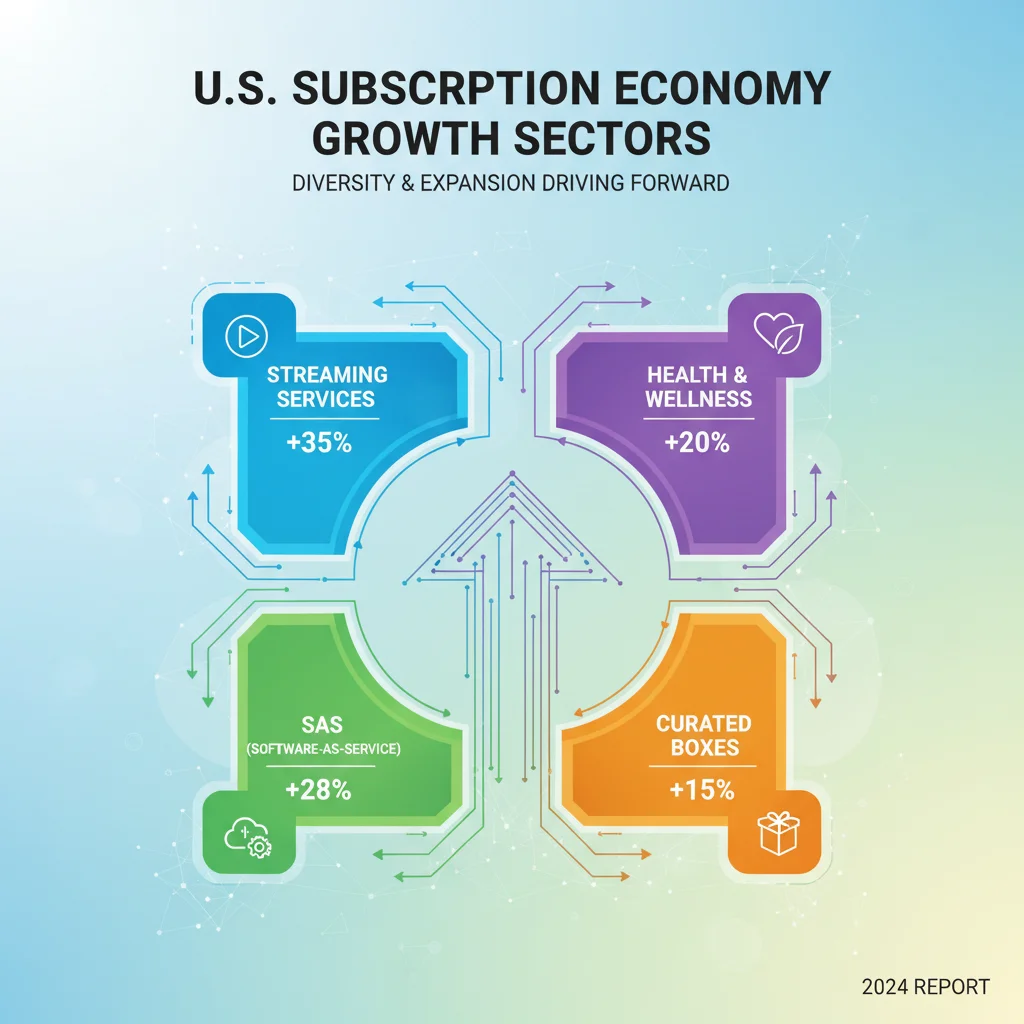
While the subscription model is versatile, certain sectors are experiencing particularly explosive U.S. Subscription Growth. Identifying these key verticals provides insight into where the most significant market shifts are occurring and where future innovation will likely concentrate.
1. Entertainment and Media Streaming
This is arguably the most visible and well-established segment of the subscription economy. Services like Netflix, Disney+, Spotify, and Apple Music have fundamentally altered how Americans consume entertainment. The fierce competition in this space has led to a continuous influx of original content, driving subscriber numbers ever higher. The convenience of ad-free, on-demand access to vast libraries of films, TV shows, and music has made these services indispensable for many households. The bundling of these services, or ‘super-bundling,’ is also becoming a strategic move to capture a larger share of consumer wallets, further fueling U.S. Subscription Growth in this sector.
2. Software as a Service (SaaS) and Cloud Solutions
From Adobe Creative Cloud to Microsoft 365, businesses and individuals increasingly rely on SaaS models for their software needs. The advantages are clear: automatic updates, cloud-based accessibility, reduced upfront costs, and scalable solutions. This sector continues to demonstrate strong U.S. Subscription Growth as more companies transition from perpetual licenses to recurring subscriptions, benefiting from predictable revenue and continuous feature improvements. The enterprise market, in particular, is a significant driver, with businesses of all sizes opting for flexible, scalable cloud-based subscriptions.
3. E-commerce and Curated Boxes
The rise of subscription boxes, offering everything from gourmet coffee and beauty products to pet supplies and artisanal goods, highlights the personalization aspect of the subscription model. Companies like Stitch Fix, Blue Apron, and Dollar Shave Club have popularized this segment. Consumers enjoy the surprise, convenience, and perceived value of having carefully selected items delivered to their doorstep regularly. This segment taps into the desire for discovery and convenience, contributing substantially to overall U.S. Subscription Growth in digital retail.
4. Health, Wellness, and Fitness
The pandemic accelerated the adoption of digital health and wellness subscriptions. Apps offering guided meditations, virtual fitness classes, personalized nutrition plans, and remote therapy sessions have seen a surge in popularity. This sector leverages technology to provide accessible and personalized health solutions, catering to a growing demand for holistic well-being. As consumers prioritize health, this area is set to see continued robust U.S. Subscription Growth.
5. Digital Education and Learning Platforms
Online courses, language learning apps, and professional development platforms operating on a subscription basis are empowering continuous learning. Services like Coursera, MasterClass, and Babbel provide access to expert-led content and skill-building resources. The flexibility and affordability of these platforms make them attractive alternatives to traditional education, fostering significant U.S. Subscription Growth in the knowledge economy.
Challenges and Opportunities in the Expanding U.S. Subscription Market
While the 20% annual U.S. Subscription Growth forecast is exciting, the market is not without its complexities. Businesses must navigate a competitive landscape, evolving consumer expectations, and operational hurdles to succeed.
Challenges:
- Subscription Fatigue and Churn: As consumers subscribe to more services, the risk of ‘subscription fatigue’ increases. Managing multiple subscriptions can be overwhelming, leading to higher churn rates if perceived value diminishes or pricing becomes unsustainable.
- Intense Competition: The low barrier to entry for many digital subscription services means intense competition. Businesses must constantly innovate and differentiate to retain subscribers.
- Customer Acquisition Costs (CAC): Acquiring new subscribers can be expensive. Companies need robust marketing strategies and strong value propositions to justify CAC.
- Data Privacy and Trust: Collecting and utilizing customer data is crucial for personalization, but companies must adhere to strict privacy regulations and maintain consumer trust to avoid backlash.
- Managing Billing and Payments: Handling recurring billing, failed payments, and customer support for subscriptions requires sophisticated systems and efficient processes.
Opportunities:
- Bundling and Ecosystems: Creating bundles of complementary services or building comprehensive ecosystems can increase value for subscribers and reduce churn. Think of Amazon Prime, which combines shipping, streaming, and other perks.
- Hyper-Personalization: Leveraging advanced analytics and AI to offer truly individualized experiences, from content recommendations to product suggestions, can significantly boost engagement and retention.
- Community Building: Fostering a sense of community around a subscription service can enhance loyalty and provide valuable feedback. Exclusive access to forums, events, or content can be powerful motivators.
- Global Expansion: Successful U.S. subscription models often have the potential for international expansion, tapping into new markets and accelerating overall growth.
- Niche Market Domination: Instead of competing with giants, focusing on underserved niche markets with highly specialized subscription offerings can be a profitable strategy.
- Freemium and Tiered Models: Offering a free basic version (freemium) or multiple pricing tiers allows businesses to attract a wider audience and cater to different customer needs and budgets, converting users over time.
The businesses that successfully navigate these challenges while capitalizing on these opportunities will be the ones that truly drive the 20% annual U.S. Subscription Growth in the coming years.
The Role of Technology and Data in Sustaining U.S. Subscription Growth
At the heart of the digital subscription revolution is technology. Advanced analytics, artificial intelligence (AI), and robust cloud infrastructure are not just enablers; they are the engines driving and sustaining the impressive U.S. Subscription Growth.
Artificial Intelligence and Machine Learning (AI/ML):
AI and ML are critical for understanding subscriber behavior, predicting churn, and personalizing experiences at scale. From recommending the next movie to suggesting tailored workout plans, AI algorithms enhance the value proposition of subscription services. They can identify patterns in usage data to proactively address potential issues or offer timely upgrades, thereby improving retention rates. Furthermore, AI-powered chatbots and customer service tools streamline support, making the subscriber journey smoother and more efficient.
Data Analytics and Insights:
The sheer volume of data generated by subscription services is a goldmine. Companies that effectively collect, analyze, and act upon this data gain a significant competitive advantage. Insights derived from data can inform content strategy, product development, pricing models, and marketing campaigns. Understanding what keeps subscribers engaged and what leads to cancellations is paramount for continuous U.S. Subscription Growth.
Cloud Infrastructure and Scalability:
The ability to scale operations quickly and efficiently is a hallmark of successful digital subscription businesses. Cloud computing provides the flexible infrastructure needed to handle fluctuating demand, store vast amounts of data, and deliver content globally without significant upfront capital investment. This scalability allows companies to grow rapidly in line with the projected 20% annual U.S. Subscription Growth.
Seamless User Experience (UX):
A frictionless user experience is non-negotiable. Intuitive interfaces, easy sign-up processes, flexible payment options, and responsive customer support all contribute to subscriber satisfaction. Technology plays a vital role in optimizing every touchpoint of the subscriber journey, from initial discovery to ongoing engagement and renewal. A poor UX can quickly lead to churn, regardless of the quality of the core offering.

Future Outlook: Beyond 2026 for U.S. Subscription Growth
The 20% annual U.S. Subscription Growth predicted for 2026 is likely just a waypoint in a longer journey. The subscription economy is still evolving, and several emerging trends suggest continued expansion and diversification.
Everything-as-a-Service (XaaS):
The ‘as-a-Service’ model is expanding beyond software (SaaS) to encompass virtually everything. We are already seeing Hardware-as-a-Service (HaaS), Mobility-as-a-Service (MaaS), and even Food-as-a-Service. This trend suggests that more physical products and traditional services will transition to subscription models, driven by consumer demand for convenience and flexibility, further fueling U.S. Subscription Growth.
Embedded Subscriptions:
Subscriptions will become increasingly embedded within other products and services. For instance, new cars might come with subscription services for advanced features, or smart home devices might require subscriptions for full functionality. This integration will make subscriptions even more ubiquitous and seamless.
Sustainability and Ethical Consumption:
As consumers become more environmentally conscious, subscription models that promote sustainability (e.g., rental clothing, refurbished electronics, eco-friendly product deliveries) could see significant traction. The focus on circular economies and reduced waste aligns well with the access-over-ownership mentality that underpins many subscription services.
Web3 and Decentralized Subscriptions:
The advent of Web3 technologies, including blockchain and NFTs, could introduce new models for subscriptions. Decentralized autonomous organizations (DAOs) might offer community-owned subscription services, or NFTs could grant access to exclusive content and experiences. While nascent, this area holds potential for future disruption and could contribute to novel forms of U.S. Subscription Growth.
The Blurring Lines Between B2C and B2B:
The strategies and technologies used in consumer-facing subscription services are increasingly being adopted by business-to-business (B2B) companies. Personalization, seamless user experience, and flexible pricing are becoming just as important for enterprise clients, indicating a broader convergence of best practices.
Conclusion: The Enduring Power of Recurring Value
The forecast of a 20% annual U.S. Subscription Growth in digital sales by 2026 is a testament to the enduring power and adaptability of the subscription model. It reflects a fundamental shift in how consumers prefer to access goods and services and how businesses deliver value. This growth isn’t merely about recurring payments; it’s about fostering ongoing relationships, providing continuous value, and adapting to the evolving needs of a digitally native populace.
For businesses looking to thrive in this new economic paradigm, understanding the nuances of the subscription economy is paramount. It requires a customer-centric approach, a commitment to innovation, and the strategic leverage of technology and data. Those who successfully embrace these principles will not only contribute to the impressive U.S. Subscription Growth but will also build resilient, profitable enterprises poised for long-term success in an increasingly subscription-driven world. The future of digital commerce in the U.S. is undeniably recurring, personalized, and continuously evolving.