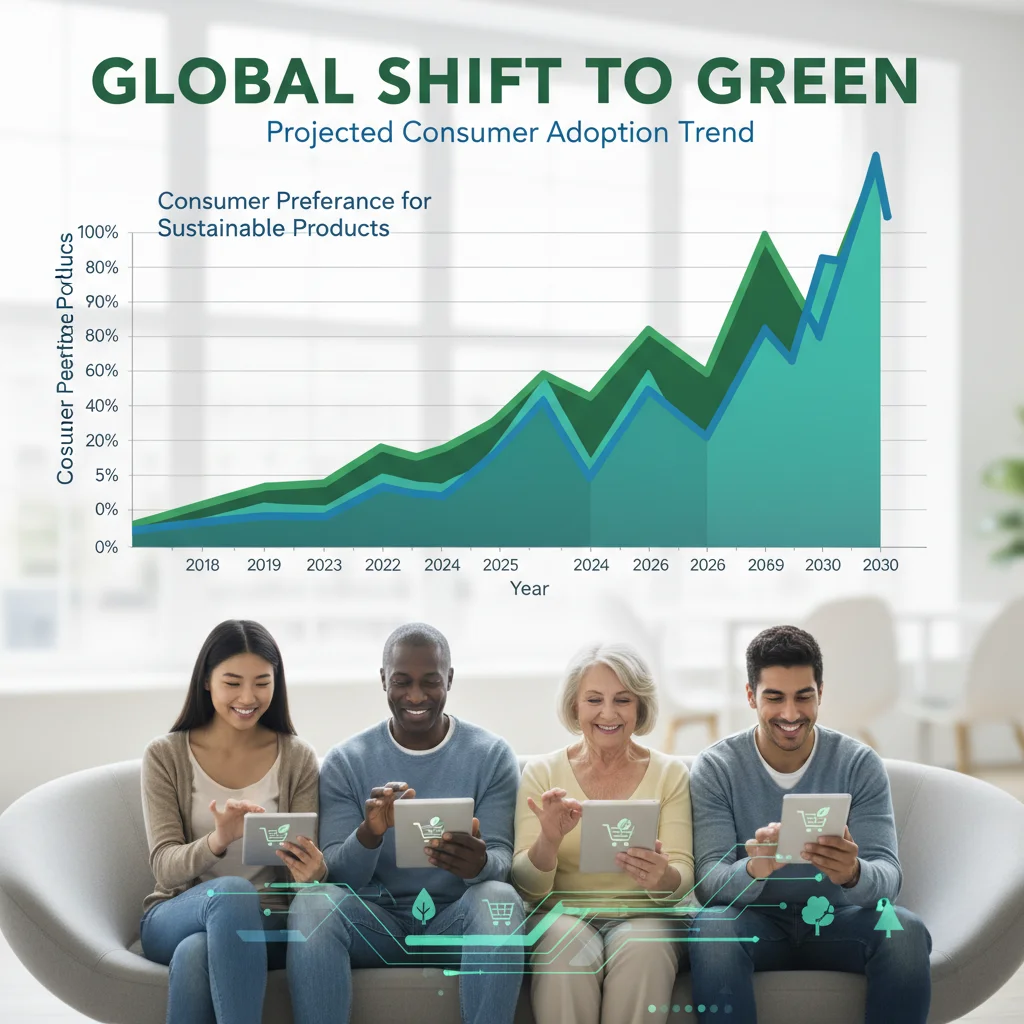
The landscape of e-commerce is undergoing a profound transformation, driven by an increasingly powerful force: the green consumer impact. As environmental concerns escalate and ethical considerations gain prominence, consumers are no longer just looking for convenience and price; they are demanding sustainability. This shift is not merely a niche trend but a fundamental reshaping of market dynamics, particularly within the United States. By 2026, projections indicate that sustainable choices will directly influence a significant 18% of all U.S. e-commerce decisions. This statistic underscores a critical imperative for businesses: embrace sustainability or risk being left behind.
This comprehensive article delves deep into the multifaceted aspects of the green consumer impact, exploring its origins, current manifestations, and future implications for the e-commerce sector. We will uncover the motivations behind this growing movement, analyze the demographic segments driving it, and provide actionable insights for businesses seeking to not only adapt but thrive in this evolving marketplace. From transparent supply chains to eco-friendly packaging and responsible marketing, understanding and integrating sustainable practices is no longer an option but a strategic necessity.
The journey towards a more sustainable economy is a collective one, and the e-commerce industry, with its vast reach and influence, plays a pivotal role. By understanding the nuances of the green consumer impact, businesses can foster genuine connections with their audience, build brand loyalty, and contribute to a healthier planet, all while securing a competitive edge in the digital realm. Join us as we explore this critical intersection of commerce, consciousness, and environmental stewardship.
The Rise of the Green Consumer: A Paradigm Shift in Purchasing
The concept of the ‘green consumer’ isn’t new, but its influence has reached an unprecedented scale. What was once a fringe movement championed by a dedicated few has now permeated mainstream consciousness, becoming a significant driver of purchasing behavior. This evolution is fueled by a confluence of factors, including increased awareness of climate change, plastic pollution, and social injustices within global supply chains. Consumers are becoming more educated, more vocal, and more willing to put their money where their values are, directly impacting the green consumer impact on retail.
Demographics Driving the Change
While environmental consciousness spans all age groups, certain demographics are particularly influential in accelerating the green consumer impact. Millennials and Gen Z, having grown up in an era of heightened environmental crises and digital transparency, are at the forefront. These generations are not only more likely to seek out sustainable products but also to actively research brands’ environmental and social practices. They expect authenticity, transparency, and demonstrable commitment to sustainability, rather than mere greenwashing.
- Millennials (born 1981-1996): Often prioritize ethical sourcing, sustainable packaging, and a brand’s overall social responsibility. They are willing to pay a premium for products that align with their values.
- Gen Z (born 1997-2012): Even more vocal and digitally native, Gen Z demands radical transparency and often uses social media to advocate for or against brands based on their sustainability efforts. They are deeply concerned about the future of the planet.
- Gen X (born 1965-1980): While perhaps less vocal than younger generations, Gen X also shows a growing inclination towards sustainable choices, especially concerning health and family well-being.
This demographic shift is crucial for e-commerce businesses to understand. As these generations gain more purchasing power, their preferences will continue to dictate market trends, amplifying the green consumer impact significantly.
Beyond Price: The New Value Equation
Historically, price and convenience were the undisputed kings of consumer decision-making. While they remain important, sustainability has emerged as a powerful third pillar in the value equation. Consumers are increasingly evaluating products not just on their immediate utility and cost, but on their broader environmental and social footprint. This includes:
- Product Lifespan and Durability: A move away from fast fashion and disposable items towards products designed to last.
- Ethical Sourcing: Ensuring raw materials are obtained responsibly, without exploiting labor or harming ecosystems.
- Carbon Footprint: The environmental impact associated with production, transportation, and disposal.
- Packaging: A strong preference for recycled, recyclable, biodegradable, or minimal packaging.
- Brand Values: Alignment with companies that demonstrate genuine commitment to environmental and social causes.
This holistic assessment is a clear indicator of the evolving green consumer impact. Businesses that fail to address these new value propositions will find themselves at a distinct disadvantage.
18% by 2026: Deconstructing the E-commerce Sustainability Projection
The projection that 18% of U.S. e-commerce decisions will be influenced by sustainable choices by 2026 is a compelling statistic that demands attention. This isn’t just a number; it represents billions of dollars in market share and a fundamental shift in consumer priorities. To fully grasp the implications of this green consumer impact, we need to dissect what drives this forecast and what it means for online businesses.
Factors Accelerating Sustainable E-commerce Growth
Several key factors are converging to propel this growth:
- Increasing Environmental Awareness: Global events, scientific reports, and media coverage continually highlight the urgency of environmental issues, pushing sustainability higher on the public agenda.
- Regulatory Pressures: Governments worldwide are introducing stricter regulations on environmental impact, waste management, and corporate social responsibility, indirectly influencing consumer choices and corporate behavior.
- Technological Advancements: Innovations in sustainable materials, renewable energy, and efficient logistics make eco-friendly products and practices more viable and affordable.
- Digital Transparency: The internet empowers consumers to easily research products, scrutinize brand claims, and share information, making greenwashing increasingly difficult and accountability paramount.
- Brand Differentiation: Companies are realizing that sustainability can be a powerful differentiator in a crowded market, attracting loyal customers and enhancing brand reputation.
- Supply Chain Optimization: As companies refine their supply chains for efficiency, they often find opportunities to reduce waste and carbon footprint, which can then be marketed to consumers.
These drivers collectively amplify the green consumer impact, making it an undeniable force in the e-commerce sphere.
Defining ‘Sustainable Choice’ in E-commerce
What exactly constitutes a ‘sustainable choice’ in the context of e-commerce? It’s a broad term encompassing various aspects:
- Product Attributes: Organic, fair trade, recycled content, biodegradable, non-toxic, locally sourced, cruelty-free.
- Brand Practices: Companies with certified ethical labor practices, carbon-neutral shipping, renewable energy use, water conservation, and philanthropic environmental initiatives.
- Packaging: Minimalist, recycled, recyclable, compostable, or reusable packaging materials.
- Circular Economy Models: Products designed for repair, reuse, or recycling, fostering a closed-loop system rather than a linear ‘take-make-dispose’ approach.
For an e-commerce business, clearly communicating these sustainable attributes is paramount to capturing the attention of the green consumer. The more transparent and verifiable these claims are, the stronger the green consumer impact will be on purchasing decisions.
Strategies for E-commerce Businesses to Embrace the Green Consumer Impact
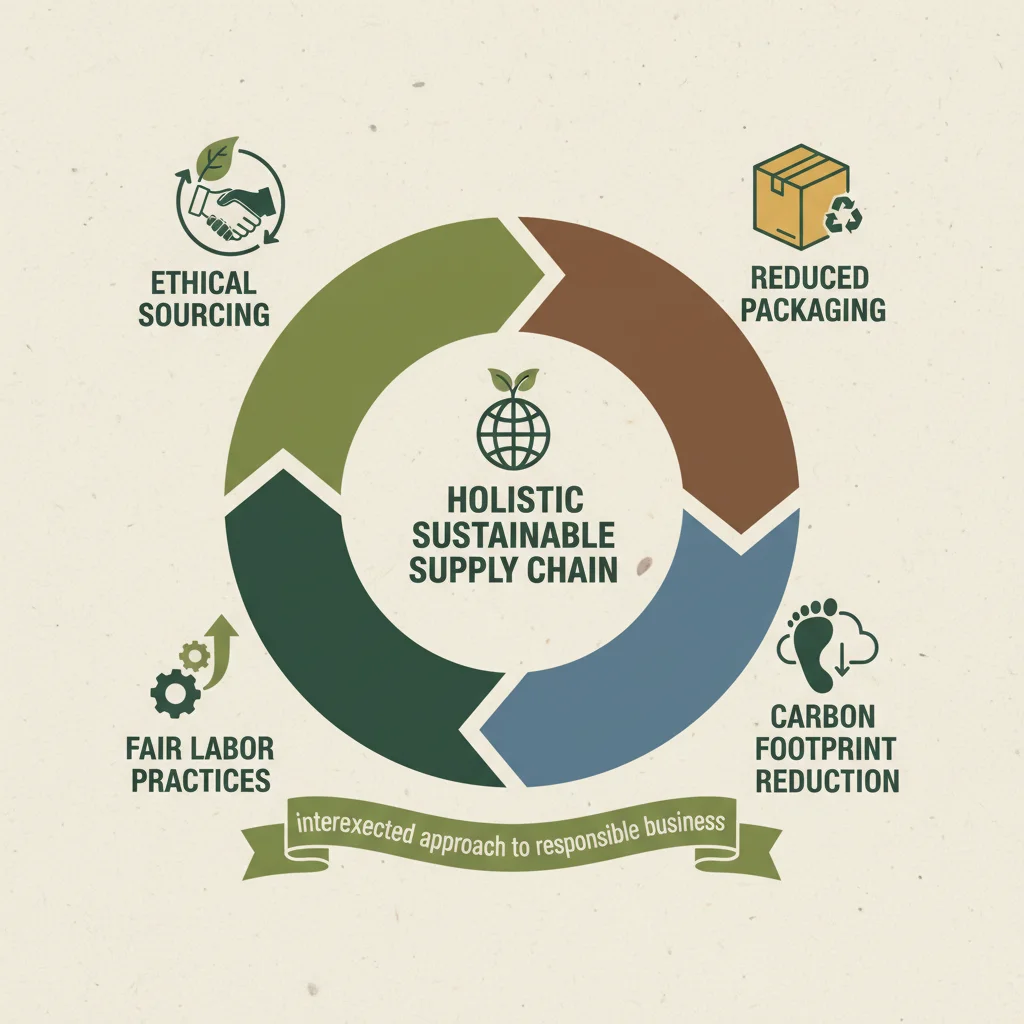
Adapting to the growing green consumer impact requires a holistic approach from e-commerce businesses. It’s not enough to simply offer a few ‘eco-friendly’ products; true success lies in embedding sustainability throughout the entire business model. Here are key strategies:
1. Transparent and Ethical Supply Chains
Consumers want to know where their products come from and how they are made. This means:
- Sourcing Transparency: Clearly communicating the origin of materials, from raw resources to finished goods.
- Ethical Labor Practices: Ensuring fair wages, safe working conditions, and no child labor across the supply chain. Certifications (e.g., Fair Trade) can build trust.
- Environmental Impact Assessment: Measuring and disclosing the environmental footprint of production processes, including water usage, energy consumption, and waste generation.
Companies that can tell a compelling and verifiable story about their ethical supply chain will significantly boost their green consumer impact.
2. Sustainable Product Development and Innovation
The core of a sustainable e-commerce offering lies in the products themselves. Businesses should focus on:
- Eco-Friendly Materials: Utilizing recycled, organic, biodegradable, or renewably sourced materials.
- Durability and Longevity: Designing products that last longer, reducing the need for frequent replacements.
- Circular Economy Principles: Developing products that can be repaired, reused, or easily recycled at the end of their life cycle.
- Reduced Waste in Production: Implementing lean manufacturing processes to minimize waste generation.
Innovation in this area is crucial for capturing the attention of a discerning green consumer. The more genuinely sustainable the product, the greater its green consumer impact.
3. Eco-Friendly Packaging Solutions
Packaging is often the first physical interaction a customer has with an e-commerce brand, and it presents a significant opportunity to showcase sustainability commitments. Key considerations include:
- Minimalism: Reducing unnecessary packaging materials.
- Recycled Content: Using packaging made from post-consumer recycled materials.
- Recyclability and Compostability: Ensuring packaging can be easily recycled or composted by the end-user.
- Biodegradable Alternatives: Exploring innovative materials that naturally decompose.
- Reusable Packaging: Implementing systems for customers to return and reuse packaging.
Thoughtful packaging not only reduces environmental harm but also enhances the brand image and reinforces the positive green consumer impact.
4. Green Logistics and Shipping
The delivery process is a major contributor to an e-commerce business’s carbon footprint. Strategies to mitigate this include:
- Optimized Shipping Routes: Using algorithms to find the most efficient delivery paths.
- Consolidated Shipments: Encouraging customers to group orders to reduce the number of deliveries.
- Carbon Offsetting Programs: Investing in initiatives that reduce greenhouse gas emissions to compensate for shipping emissions.
- Electric Vehicle Fleets: Transitioning to electric delivery vehicles where feasible.
- Local Warehousing: Reducing travel distances by strategically locating warehouses closer to customers.
Communicating these efforts builds trust and appeals to the environmentally conscious customer, strengthening the green consumer impact.
5. Authentic Marketing and Communication
Greenwashing – making unsubstantiated or misleading claims about environmental practices – is a significant risk. To genuinely connect with the green consumer, businesses must:
- Be Transparent: Clearly articulate sustainability goals, progress, and challenges. Share third-party certifications and impact reports.
- Educate Consumers: Explain the benefits of sustainable choices and how customers can participate (e.g., proper recycling of packaging).
- Tell Your Story: Share the ‘why’ behind your sustainability efforts, highlighting the people and processes involved.
- Avoid Exaggeration: Stick to verifiable facts and avoid making overly broad or vague environmental claims.
- Engage with the Community: Participate in environmental initiatives and support relevant causes.
Authenticity is key to leveraging the green consumer impact effectively. Consumers are savvy and will quickly detect insincerity.
Challenges and Opportunities in the Sustainable E-commerce Landscape
While the green consumer impact presents immense opportunities, it also comes with its share of challenges. Navigating these complexities is crucial for long-term success.
Challenges:
- Higher Costs: Sustainable materials, ethical labor, and green logistics can often be more expensive than conventional alternatives, potentially impacting profit margins or product pricing.
- Supply Chain Complexity: Ensuring sustainability across a global supply chain requires rigorous monitoring, auditing, and collaboration with multiple partners.
- Greenwashing Scrutiny: Consumers and advocacy groups are increasingly vigilant about greenwashing, making it imperative for companies to back up their claims with verifiable data.
- Consumer Education: While awareness is growing, many consumers still lack a deep understanding of what constitutes true sustainability, requiring ongoing education efforts from brands.
- Scalability: Scaling sustainable practices while maintaining efficiency and cost-effectiveness can be a significant hurdle for growing e-commerce businesses.
Opportunities:
- Enhanced Brand Reputation and Loyalty: Companies with genuine sustainability commitments build stronger trust and loyalty with consumers, especially the target demographic driving the green consumer impact.
- Competitive Differentiation: Sustainability offers a powerful way for businesses to stand out in a crowded market and attract a growing segment of conscious consumers.
- Access to New Markets: As more consumers prioritize sustainability, businesses with strong eco-credentials can tap into previously underserved niche markets.
- Innovation and Efficiency: The pursuit of sustainability often drives innovation in product design, manufacturing processes, and logistics, leading to long-term efficiencies and cost savings.
- Talent Attraction and Retention: Employees, particularly younger generations, are increasingly drawn to companies that align with their values, making sustainability a key factor in attracting and retaining top talent.
- Investor Interest: ESG (Environmental, Social, and Governance) factors are becoming critical for investors, making sustainable businesses more attractive for funding and growth.
Embracing the green consumer impact means transforming challenges into opportunities for innovation, growth, and positive global contribution.
The Future of E-commerce: A Sustainable Imperative
The 18% projection for 2026 is not an endpoint but a milestone on an accelerating trajectory. The green consumer impact is poised to become even more pervasive, evolving from a differentiator to a fundamental expectation. E-commerce businesses that proactively integrate sustainability into their core operations will be best positioned for long-term success.
Emerging Trends to Watch:
- Hyper-Personalized Sustainability: Consumers will increasingly seek out products and brands that align with their specific sustainability values (e.g., vegan, zero-waste, carbon-negative).
- Blockchain for Transparency: Technology like blockchain could provide immutable records of supply chain activities, offering unparalleled transparency and combating greenwashing.
- Regenerative Business Models: Beyond just reducing harm, businesses will focus on actively restoring and regenerating natural systems.
- Collaborative Consumption and Rental Models: A shift from ownership to access, reducing overall consumption and waste.
- AI-Powered Sustainability Optimization: Artificial intelligence will play a bigger role in optimizing sustainable sourcing, logistics, and waste reduction.
These trends underscore that the green consumer impact is not static; it’s a dynamic force that will continue to shape the future of commerce.
Beyond Profit: The Triple Bottom Line
The most successful e-commerce businesses of the future will operate not just with a focus on profit, but on the ‘triple bottom line’: People, Planet, and Profit. This integrated approach recognizes that environmental and social responsibility are inextricably linked to long-term financial viability. By prioritizing sustainable practices, businesses can achieve:
- Enhanced Brand Value: A strong reputation for sustainability attracts conscious consumers and builds enduring loyalty.
- Reduced Risks: Proactive environmental management can mitigate regulatory, reputational, and supply chain risks.
- Increased Efficiency: Sustainable practices often lead to optimized resource use, waste reduction, and operational cost savings.
- Positive Societal Impact: Contributing to a healthier planet and more equitable society creates a ripple effect of positive change.
The green consumer impact is a powerful catalyst for this paradigm shift, pushing businesses to think beyond immediate gains towards a more sustainable and equitable future.
Conclusion: The Green Consumer Imperative is Here to Stay
The data is clear: the green consumer impact is not a fleeting trend but a fundamental and enduring shift in market dynamics. The projection of sustainable choices influencing 18% of U.S. e-commerce decisions by 2026 serves as a powerful testament to this reality. Consumers are increasingly discerning, well-informed, and willing to align their purchasing power with their values, making sustainability a non-negotiable aspect of modern commerce.
For e-commerce businesses, this represents both a challenge and an immense opportunity. Those that embrace genuine sustainability across their entire value chain – from ethical sourcing and product innovation to eco-friendly packaging and green logistics – will not only meet consumer expectations but also build stronger brands, foster deeper loyalty, and unlock new avenues for growth. Transparency, authenticity, and a demonstrable commitment to environmental and social responsibility will be the hallmarks of success.
Ignoring the green consumer impact is no longer an option. The businesses that lead with sustainability will not only capture a significant share of the evolving e-commerce market but also contribute meaningfully to a more resilient and responsible global economy. The future of e-commerce is green, and the time to act is now.