Sales Coaching Strategies for 2026: Boost US Sales Quotas by 10% (Insider Knowledge)

In the fiercely competitive landscape of modern business, achieving and exceeding sales quotas is not merely an aspiration but a necessity for sustained growth and market leadership. As we look towards 2026, the demands on sales teams are intensifying, requiring more sophisticated approaches to talent development and performance management. This is where effective sales coaching strategies become indispensable. For US sales teams striving for a significant edge, a targeted 10% improvement in quotas is an ambitious yet achievable goal, provided the right coaching frameworks are in place. This comprehensive guide delves into the insider knowledge and actionable strategies that will empower sales leaders to transform their teams, foster a culture of continuous improvement, and ultimately drive unparalleled success.
The role of a sales coach has evolved dramatically beyond just reviewing numbers. Today, it encompasses mentorship, strategic guidance, psychological support, and the cultivation of advanced selling skills. It’s about empowering individual sales professionals to unlock their full potential, navigate complex sales cycles, and consistently deliver exceptional results. Without a robust and forward-thinking coaching program, even the most talented sales professionals can plateau, leading to missed opportunities and underperforming teams. Therefore, understanding and implementing the most impactful sales coaching strategies for 2026 is not just a best practice; it’s a strategic imperative.
The Shifting Paradigm of Sales Coaching: Why 2026 Demands a New Approach
The sales environment is in constant flux, shaped by technological advancements, evolving customer expectations, and global economic shifts. What worked effectively five years ago might be obsolete today. For 2026, several key trends necessitate a re-evaluation of traditional sales coaching methods:
- Data-Driven Insights: The proliferation of CRM systems, sales enablement platforms, and AI analytics provides an unprecedented wealth of data. Effective coaching must leverage this data to identify strengths, pinpoint weaknesses, and personalize development plans.
- Remote and Hybrid Workforces: The shift towards remote and hybrid sales teams requires coaches to adapt their communication styles, engagement tactics, and performance monitoring techniques to virtual environments.
- Customer-Centric Selling: Modern buyers are more informed and expect a consultative, value-driven approach. Coaching must focus on developing empathy, active listening, and problem-solving skills rather than aggressive selling tactics.
- Emphasis on Emotional Intelligence (EQ): Beyond technical selling skills, EQ is crucial for building rapport, handling objections, and maintaining resilience. Coaching programs must integrate EQ development.
- Continuous Learning and Upskilling: The pace of change demands that sales professionals are lifelong learners. Coaching should facilitate access to new training, tools, and methodologies.
Ignoring these trends means falling behind. Embracing them, however, offers a unique opportunity to refine your sales coaching strategies and create a truly high-performing sales organization ready for the challenges and opportunities of 2026.
Pillar 1: Personalized Coaching Plans Driven by Data Analytics
One of the most significant advancements in modern sales coaching is the ability to personalize development plans based on granular performance data. Generic coaching sessions are no longer sufficient to drive a 10% improvement in quotas. Instead, coaches must become adept at analyzing individual sales metrics to identify specific areas for growth.
Leveraging CRM and Sales Analytics Tools
Your CRM system is a goldmine of data. Beyond tracking deals, it can reveal patterns in call activity, email engagement, conversion rates at each stage of the sales funnel, average deal size, and sales cycle length. By meticulously analyzing this data, coaches can:
- Identify Skill Gaps: Is a rep struggling with prospecting? Are they getting stuck at the negotiation stage? Data can highlight these specific bottlenecks.
- Benchmark Performance: Compare individual performance against team averages and top performers to set realistic yet challenging goals.
- Predict Future Performance: Use historical data to anticipate potential issues and intervene proactively.
- Measure Coaching Effectiveness: Track whether coaching interventions are leading to tangible improvements in key metrics.
For example, if a salesperson consistently has a low conversion rate from discovery calls to proposal presentations, the coaching focus might be on improving their qualification skills or their ability to articulate value. Conversely, if they have a high close rate but low activity, coaching could target prospecting efficiency and lead generation. These data-driven insights form the bedrock of effective sales coaching strategies.
Creating Individual Development Plans (IDPs)
Once data insights are gathered, the next step is to co-create Individual Development Plans (IDPs) with each sales professional. These plans should be:
- Specific: Clearly define the skill to be developed.
- Measurable: Include metrics to track progress (e.g., increase discovery call conversions by 15%).
- Achievable: Set realistic goals that challenge but don’t overwhelm.
- Relevant: Align with the individual’s role and career aspirations.
- Time-bound: Establish a clear timeline for achieving the goal.
IDPs should also outline the specific coaching activities, resources, and support that will be provided, such as role-playing exercises, joint calls, online courses, or peer mentoring. This structured approach ensures that coaching efforts are targeted, accountable, and aligned with the overarching goal of improving sales quotas by 10%.
Pillar 2: The Art of Active Listening and Empathetic Feedback
While data provides the ‘what,’ effective coaching also requires understanding the ‘why.’ This is where active listening and empathetic feedback become critical. A coach isn’t just a taskmaster; they are a trusted advisor who understands the challenges, motivations, and aspirations of their team members.
Beyond Just Hearing: Truly Listening
Active listening in a coaching context means:
- Giving Undivided Attention: Putting away distractions and focusing entirely on the salesperson.
- Asking Open-Ended Questions: Encouraging the salesperson to reflect and articulate their thoughts and challenges.
- Listening for Non-Verbal Cues: Observing body language, tone of voice, and other signals that might indicate underlying issues.
- Summarizing and Reflecting: Paraphrasing what the salesperson has said to ensure understanding and demonstrate engagement.
When salespeople feel truly heard, they are more likely to open up about their struggles, accept feedback, and commit to behavioral changes. This builds trust, which is the foundation of any successful coaching relationship and a vital component of effective sales coaching strategies.
Delivering Empathetic and Constructive Feedback
Feedback is the cornerstone of improvement, but its delivery is paramount. Empathetic feedback focuses on growth, not criticism. It should be:
- Specific and Factual: Refer to concrete examples rather than generalizations.
- Timely: Deliver feedback as close to the event as possible.
- Balanced: Start with acknowledging strengths before addressing areas for improvement.
- Actionable: Provide clear suggestions for what the salesperson can do differently.
- Future-Oriented: Focus on what can be changed moving forward.
For instance, instead of saying, "Your discovery calls are weak," an empathetic coach might say, "I noticed in your last two discovery calls that you spent a significant amount of time presenting features before fully understanding the client’s pain points. How do you think we could shift that dynamic to encourage more client sharing early in the conversation?" This approach fosters a growth mindset and empowers the salesperson to take ownership of their development.
Pillar 3: Implementing a Structured Coaching Framework
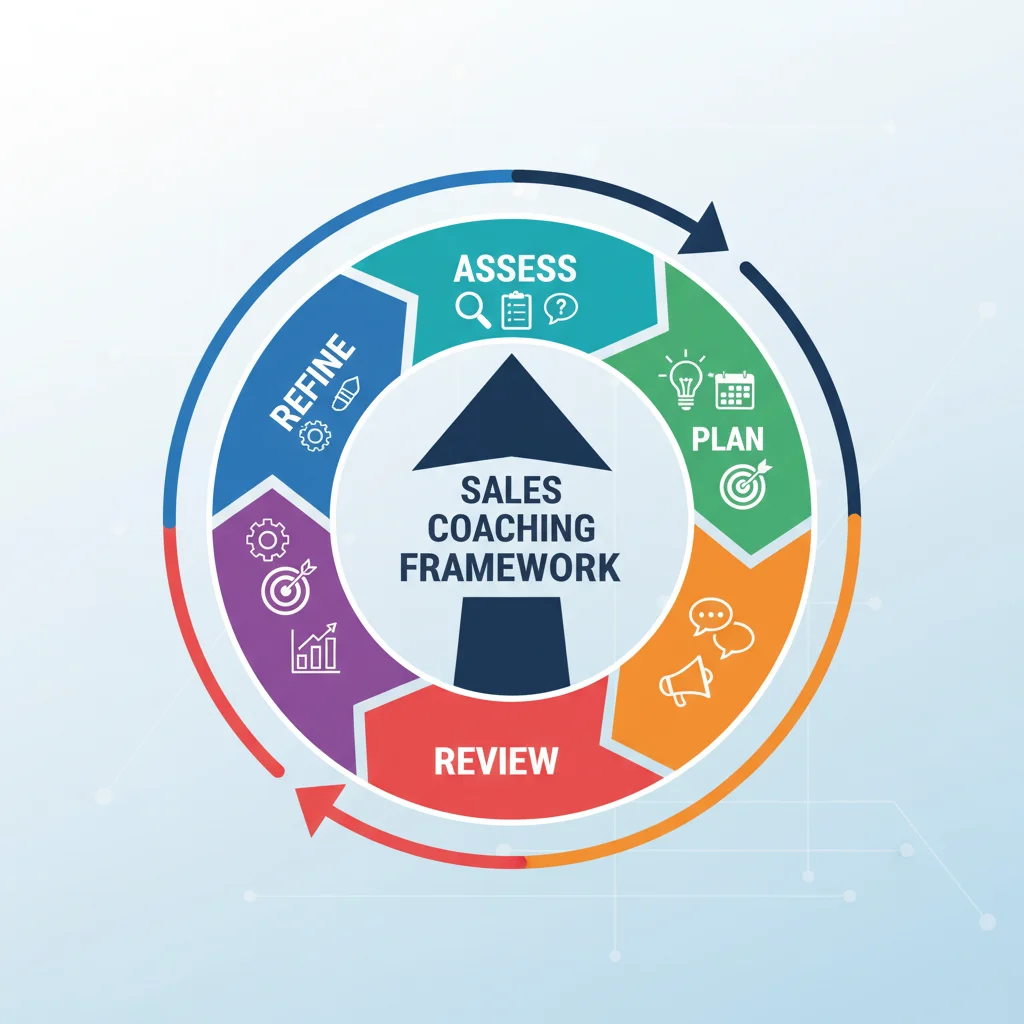
While personalization is key, a consistent and structured coaching framework ensures that all team members receive a baseline level of support and that coaching efforts are scalable. A well-defined framework provides clarity for both coaches and salespeople, outlining expectations, processes, and desired outcomes. This is a critical element of successful sales coaching strategies.
The "Assess, Plan, Execute, Review, Refine" Cycle
A highly effective coaching framework follows a cyclical process:
- Assess: Use data analytics, call recordings, and observations to identify specific strengths and areas for improvement for each salesperson.
- Plan: Collaborate with the salesperson to create a personalized IDP with clear goals, actionable steps, and success metrics.
- Execute: Provide the necessary resources, training, and support (e.g., role-playing, joint calls, shadowing) to help the salesperson implement the plan. This is where the bulk of the coaching interaction happens.
- Review: Regularly check in on progress. This isn’t just about reviewing numbers, but also discussing challenges, celebrating small wins, and making adjustments.
- Refine: Based on the review, adjust the IDP and coaching approach as needed. This ensures continuous adaptation and improvement.
This iterative cycle ensures that coaching is not a one-off event but an ongoing process of development and adaptation. Each stage provides opportunities for feedback, learning, and reinforcement, propelling the salesperson towards their quota goals.
Utilizing Coaching Cadences and Tools
To maintain consistency and effectiveness, establish a clear coaching cadence:
- Weekly 1:1 Meetings: Dedicated time for reviewing progress, addressing immediate challenges, and practicing specific skills.
- Monthly Performance Reviews: A more in-depth discussion of overall performance, IDP progress, and strategic goal setting.
- Call Recordings and Role-Playing: Regularly review recorded sales calls together, identifying areas for improvement and practicing new techniques through role-playing scenarios.
- Sales Playbooks and Battlecards: Provide readily accessible resources that reinforce coaching lessons and help salespeople navigate common objections or complex scenarios.
Incorporating these tools and cadences into your sales coaching strategies creates a supportive and structured environment where sales professionals can consistently grow and excel.
Pillar 4: Developing Advanced Selling Skills for 2026
To achieve a 10% quota improvement, coaching must go beyond basic sales techniques and focus on developing advanced skills that resonate with the modern buyer. These include:
Consultative Selling and Value Articulation
Coaches should train reps to move away from product-centric pitches towards a consultative approach where they:
- Uncover Deep Needs: Ask probing questions to understand the client’s business challenges, goals, and underlying motivations.
- Position Solutions, Not Features: Translate product features into tangible business outcomes and ROI specific to the client’s situation.
- Become Trusted Advisors: Build credibility by offering insights, challenging assumptions, and demonstrating a genuine desire to help.
This shift requires advanced questioning techniques, active listening, and the ability to connect solutions to strategic business objectives. These are fundamental to modern sales coaching strategies.
Objection Handling and Negotiation Mastery
Objections are a natural part of the sales process, but how they are handled can make or break a deal. Coaching should focus on:
- Root Cause Analysis: Teaching reps to understand the underlying concern behind an objection, rather than just providing a canned response.
- Proactive Objection Prevention: Addressing potential objections early in the sales cycle.
- Strategic Negotiation: Moving beyond price discussions to value-based negotiations, understanding win-win scenarios, and knowing when to walk away.
Storytelling and Persuasive Communication
Humans are wired for stories. Effective sales coaching should equip reps with the ability to:
- Craft Compelling Narratives: Share success stories, case studies, and personal anecdotes that resonate with client challenges.
- Communicate with Clarity and Impact: Deliver presentations and conversations that are engaging, memorable, and persuasive.
- Adapt Communication Styles: Adjust their approach based on the client’s personality and communication preferences.
Mastering these advanced skills through dedicated coaching will significantly elevate the team’s ability to close more deals and increase quota attainment.
Pillar 5: Fostering a Culture of Accountability and Continuous Improvement
The most effective sales coaching strategies extend beyond individual sessions to cultivate an organizational culture that values learning, accountability, and continuous improvement. This means embedding coaching principles into the very fabric of the sales team.
Setting Clear Expectations and Accountability
Coaches must clearly communicate performance expectations and hold team members accountable for their commitments. This involves:
- Transparent Goal Setting: Ensuring everyone understands their individual and team quotas, and how their IDPs contribute to these.
- Regular Performance Reviews: Consistent check-ins on progress against goals, celebrating successes, and addressing underperformance constructively.
- Consequences for Inaction: While coaching is supportive, there must also be clear understanding of the repercussions of consistently failing to meet expectations or engage with the coaching process.
Encouraging Peer Coaching and Mentorship
Learning doesn’t just happen top-down. Encourage a culture where salespeople learn from each other:
- Establish Peer Coaching Programs: Pair experienced reps with newer ones, or create small groups for skill practice and feedback.
- Facilitate Knowledge Sharing: Create forums (e.g., weekly meetings, internal chat channels) for reps to share best practices, overcome challenges, and celebrate wins.
- Recognize and Reward Collaboration: Acknowledge and incentivize reps who actively help their colleagues improve.
Continuous Coach Development
For sales coaching strategies to be sustainable and impactful, coaches themselves must be continuously developed. Provide your sales managers and coaches with:
- Coaching Skills Training: Equip them with the tools for active listening, feedback delivery, goal setting, and motivation.
- Access to Best Practices: Keep them updated on the latest sales methodologies, technologies, and industry trends.
- Peer Support for Coaches: Create a community where coaches can share experiences, challenges, and solutions.
Investing in your coaches is investing in your entire sales team’s future performance.

Pillar 6: Leveraging Technology for Enhanced Coaching Impact
Technology is no longer just a sales tool; it’s a powerful enabler of superior coaching. Integrating the right platforms can significantly amplify the impact of your sales coaching strategies for 2026.
AI-Powered Call Analysis
AI tools can analyze recorded sales conversations, providing insights that human coaches might miss. These tools can:
- Identify Talk-to-Listen Ratios: Pinpoint if reps are talking too much or too little.
- Detect Keywords and Phrases: Analyze the use of discovery questions, value propositions, and objection handling techniques.
- Measure Sentiment: Gauge the emotional tone of conversations from both the rep and the customer.
- Provide Automated Feedback: Offer immediate, objective feedback on specific aspects of a call, freeing up coach time for more strategic interventions.
By using AI to automate the initial analysis, coaches can focus on the "why" behind the data and provide more targeted, high-value coaching.
Sales Enablement Platforms
These platforms consolidate content, training, and coaching resources, making it easier for reps to access what they need, when they need it. Features that support coaching include:
- Centralized Content Libraries: Ensure reps have access to the most up-to-date sales collateral, case studies, and battlecards.
- Guided Selling Paths: Provide step-by-step guidance for complex sales processes.
- Learning Management Systems (LMS): Deliver structured training modules and track completion rates, reinforcing coaching lessons.
Virtual Coaching Tools
For remote and hybrid teams, virtual coaching tools are essential:
- Video Conferencing Platforms: For 1:1 meetings, group training, and role-playing.
- Shared Digital Whiteboards: For collaborative planning and brainstorming.
- Real-Time Sales Playbooks: Tools that can pop up relevant information during a live call, acting as a virtual co-pilot.
Embracing these technologies will not only make your sales coaching strategies more efficient but also more effective in driving that crucial 10% improvement in US sales team quotas.
Measuring the Impact: Quantifying Your 10% Quota Improvement
The ultimate goal of implementing these advanced sales coaching strategies is a measurable improvement in sales performance. To track your progress towards a 10% quota increase, focus on key performance indicators (KPIs) and establish clear baselines.
Key Metrics to Track
- Quota Attainment Rate: The most direct measure of success. Track individual and team attainment percentages.
- Average Deal Size: Are reps closing larger deals due to improved value articulation?
- Sales Cycle Length: Is the sales process becoming more efficient?
- Conversion Rates: Monitor conversion rates at each stage of the sales funnel (e.g., lead to opportunity, opportunity to close).
- Activity Metrics: Track calls made, emails sent, meetings booked, but always correlate these with conversion rates to ensure quality over quantity.
- Retention of Top Performers: Effective coaching not only improves performance but also boosts morale and reduces attrition among your best salespeople.
Establishing Baseline and Incremental Goals
Before implementing new coaching strategies, establish a clear baseline of your current sales performance across all relevant KPIs. Then, set incremental goals towards your 10% quota improvement target. For example, aim for a 2% increase in Q1, another 3% in Q2, and so on. Regularly review these metrics in your coaching sessions and team meetings to maintain focus and celebrate milestones.
Soliciting Feedback on Coaching Effectiveness
Don’t forget to gather feedback on the coaching program itself. Conduct anonymous surveys or direct interviews with your sales team to understand:
- What aspects of coaching are most helpful?
- What areas could be improved?
- Do they feel supported and empowered by their coaches?
- Do they see a direct correlation between coaching and their performance?
This feedback loop is crucial for refining your sales coaching strategies and ensuring they remain relevant and impactful.
Conclusion: Unleashing Your Sales Team’s Full Potential in 2026
The journey to a 10% improvement in US sales team quotas by 2026 is ambitious, but entirely achievable with the right sales coaching strategies. It requires a commitment to personalized development, data-driven insights, empathetic leadership, structured frameworks, continuous skill enhancement, and strategic technology adoption. By investing in your sales coaches and empowering them with the tools and training they need, you are not just improving individual performance; you are building a resilient, adaptable, and high-achieving sales organization ready to dominate the market.
The insider knowledge shared in this guide emphasizes that coaching is not a one-size-fits-all solution, nor is it a temporary fix. It is an ongoing, strategic investment in human capital that yields exponential returns. As sales leaders, your role in championing and implementing these advanced coaching methodologies will be the decisive factor in unlocking your team’s full potential and securing a competitive advantage in the years to come. Start today, and watch your sales quotas not just be met, but consistently exceeded.