Navigating U.S. Inflation: Digital Product Pricing for 10% Profit Margins by 2026
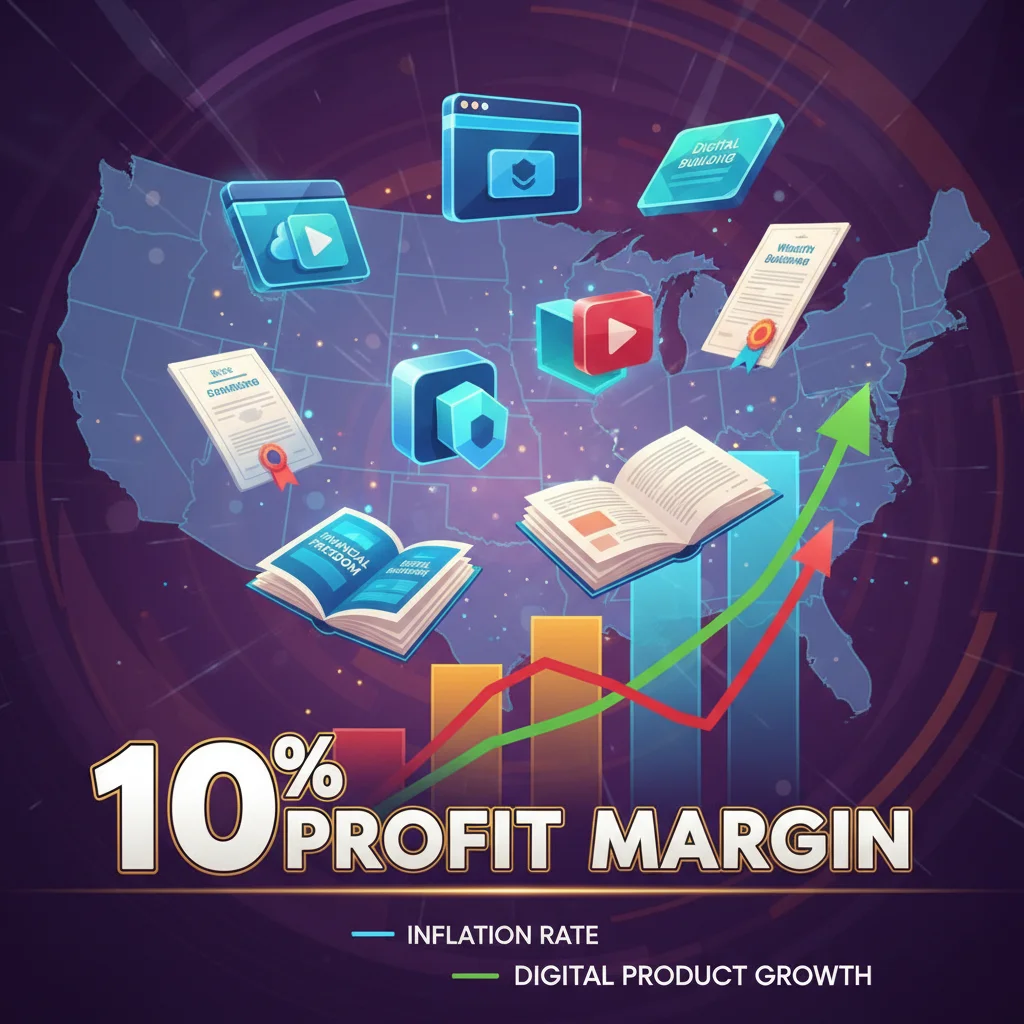
The economic landscape of the United States has been marked by persistent inflationary pressures, profoundly impacting businesses across all sectors. For digital product companies, this translates into a complex challenge: how to maintain, or even grow, profit margins in an environment where the cost of doing business is rising, and consumer spending habits are shifting. As we look towards 2026, the imperative to develop robust strategies for digital product pricing inflation becomes paramount, particularly for those aiming to sustain profit margins above 10%.
The digital economy, once seen as largely immune to traditional economic headwinds, is now feeling the squeeze. Increased operational costs, higher wages for skilled talent, rising marketing expenses, and even the cost of cloud infrastructure are all contributing to a shrinking bottom line if not managed proactively. This comprehensive guide will delve into the multifaceted challenges posed by U.S. inflation and provide actionable strategies, forward-looking insights, and practical frameworks to help digital product businesses not only survive but thrive, securing enviable profit margins by 2026.
Understanding the U.S. Inflationary Environment and its Nuances
Before diving into solutions, it’s crucial to understand the nature of the current inflationary environment. U.S. inflation isn’t a monolithic force; it’s influenced by a confluence of factors including supply chain disruptions, geopolitical events, fiscal and monetary policies, and shifts in consumer demand. For digital product businesses, understanding these underlying drivers is key to anticipating future trends and making informed pricing decisions.
The Persistent Nature of Inflation
While some economists initially viewed recent inflation as ‘transitory,’ it has proven to be more persistent. This persistence means that businesses cannot simply wait for prices to normalize; they must adapt their digital product pricing inflation strategies to a new normal. This involves not just reacting to current price increases but also building resilience against future inflationary shocks.
Impact on Operating Costs for Digital Businesses
- Talent Acquisition and Retention: Wages for software developers, designers, marketers, and customer support specialists have seen significant increases. The competition for talent remains fierce, pushing up compensation packages.
- Infrastructure and Tools: Cloud hosting services, SaaS subscriptions for essential business operations (CRM, project management, analytics), and development tools are subject to price adjustments from vendors, often linked to their own rising costs.
- Marketing and Advertising: The cost of acquiring customers through digital channels (paid ads, SEO services) has become more expensive, demanding higher ROI from marketing spend.
- Content Creation: For businesses relying on content (e-books, courses, premium articles), the cost of creators, editors, and researchers has risen.
Impact on Consumer Behavior
Inflation erodes purchasing power, making consumers more discerning about their spending. For digital products, this can mean:
- Increased Price Sensitivity: Customers are more likely to compare prices, seek discounts, and question the value proposition of a product.
- Shift to Essential Services: Non-essential digital subscriptions or one-off purchases might be cut back in favor of core necessities.
- Demand for Tangible Value: Customers expect clear, measurable benefits and a strong return on investment from their digital product purchases.
These dynamics necessitate a sophisticated approach to digital product pricing inflation that goes beyond simple cost-plus models.
The 10% Profit Margin Goal: Why it Matters for Digital Products
Setting a target of above 10% profit margin by 2026 is ambitious but achievable with the right strategies. For digital product businesses, healthy profit margins are not just about shareholder returns; they are vital for:
- Reinvestment in R&D: High margins allow for continuous innovation, feature development, and staying ahead of competitors.
- Talent Investment: Ability to attract and retain top talent through competitive compensation and benefits.
- Marketing and Growth: Funding aggressive marketing campaigns and expanding market reach.
- Economic Resilience: Providing a buffer against future economic downturns or unforeseen operational challenges.
- Strategic Acquisitions: Positioning the company for potential mergers and acquisitions, or for acquiring smaller, complementary businesses.
Achieving this target requires a holistic strategy encompassing pricing, cost management, and value delivery.
Strategic Pillars for Digital Product Pricing in an Inflationary Era
To navigate the inflationary landscape and secure profit margins above 10% by 2026, digital product businesses must focus on three core strategic pillars: Value-Based Pricing, Cost Optimization & Efficiency, and Innovation & Diversification.
Pillar 1: Mastering Value-Based Pricing
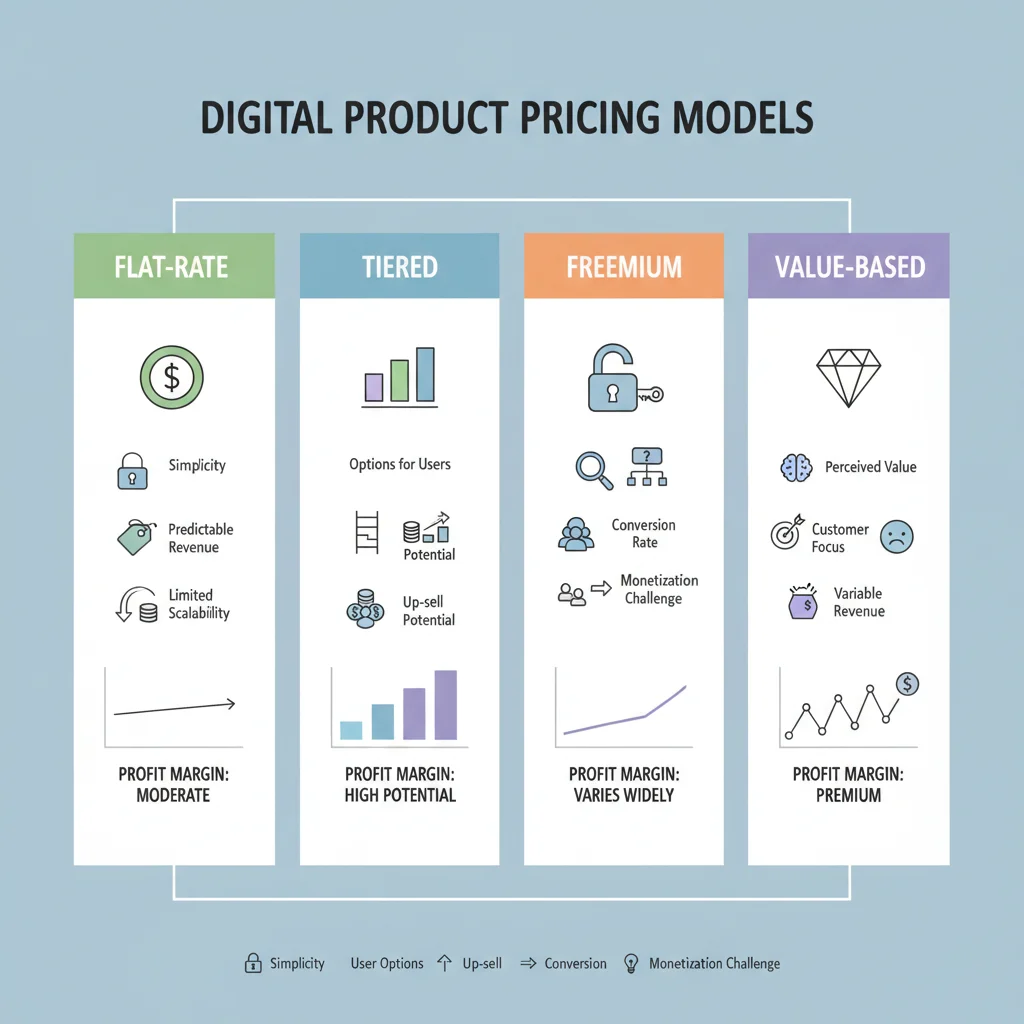
In an inflationary environment, the traditional cost-plus pricing model becomes increasingly unsustainable. Value-based pricing, where the price is set primarily on the perceived or actual value a product delivers to the customer, is crucial for combating digital product pricing inflation.
Understanding Customer Perceived Value
- Deep Customer Research: Conduct surveys, interviews, and focus groups to understand what problems your product solves, what benefits customers value most, and what they are willing to pay for those benefits.
- Quantify ROI: Help customers understand the quantifiable return on investment (ROI) they receive from your product. This could be time saved, revenue generated, costs reduced, or efficiency gained.
- Segmented Value Proposition: Different customer segments will derive different levels of value. Tailor your value proposition and potentially your pricing tiers to reflect these differences.
Implementing Dynamic Pricing Models
Static pricing struggles in a dynamic economy. Consider implementing more flexible and responsive pricing strategies:
- Tiered Pricing: Offer different versions of your product with varying features and price points to cater to different customer needs and budgets. This allows you to capture more value from high-end users while still serving budget-conscious ones.
- Freemium Models: A free basic version can attract a wide user base, with premium features driving conversions to paid subscriptions. The key is to strategically gate features that provide significant value.
- Usage-Based Pricing: For some digital products (e.g., API calls, storage, compute time), charging based on actual usage can align costs with value consumed, making it easier to justify price increases.
- Subscription Bundling: Combine multiple digital products or services into attractive bundles. This can increase average revenue per user (ARPU) and perceived value.
Communicating Price Changes Effectively
When price adjustments are necessary due to digital product pricing inflation, transparent and value-driven communication is essential to minimize churn.
- Provide Ample Notice: Inform customers well in advance of any price changes.
- Justify with Value: Frame price increases around enhanced value, new features, improved service, or increased operational costs that have allowed you to maintain service quality.
- Offer Alternatives: If possible, provide customers with options, such as switching to a lower tier or a different payment plan, to retain them.
Pillar 2: Aggressive Cost Optimization and Operational Efficiency
While increasing prices is one side of the coin, rigorous cost management is the other. In an inflationary environment, every dollar saved directly contributes to the profit margin.
Vendor Management and Negotiation
- Regular Vendor Reviews: Periodically audit all your SaaS subscriptions, cloud providers, and third-party services. Are you getting the best deal? Are you utilizing all features you pay for?
- Negotiate Terms: Don’t shy away from negotiating with vendors, especially for long-term contracts or increased usage. Explore multi-year agreements for potential discounts.
- Consolidate Tools: Identify redundancies in your tech stack. Can one tool replace several, or can you get better pricing by consolidating services with fewer providers?
Optimizing Cloud and Infrastructure Costs
Cloud computing, while flexible, can become a significant cost center if not managed effectively.
- Resource Optimization: Regularly review and right-size your cloud resources (servers, databases, storage). Eliminate idle resources.
- Reserved Instances/Savings Plans: Commit to predictable usage for significant discounts.
- Serverless Architectures: Explore serverless computing for specific workloads to pay only for actual execution time.
- CDN Optimization: Efficiently manage content delivery network costs, especially for global audiences.

Talent Efficiency and Retention
High employee turnover is costly. Focus on:
- Employee Engagement: Invest in employee development, create a positive work culture, and offer competitive (not necessarily highest) compensation to reduce churn.
- Skill Development: Upskill existing employees to meet new demands rather than constantly hiring externally.
- Strategic Hiring: Be precise with hiring, ensuring each new role directly contributes to strategic goals and has a clear ROI.
Pillar 3: Innovation and Diversification for Future Growth
Beyond pricing and cost, sustainable profit margins come from continuous growth, which is fueled by innovation and strategic diversification.
Enhancing Product Value Through Innovation
Regularly update and enhance your digital products to justify premium pricing and attract new customers.
- AI Integration: Leverage AI to add new features, personalize user experiences, or automate complex tasks within your product, increasing its perceived value.
- User Experience (UX) Improvement: A seamless and delightful user experience can be a powerful differentiator, reducing support costs and increasing customer loyalty.
- Community Building: Foster a strong user community around your product. This adds value, provides organic support, and generates valuable feedback.
Exploring New Revenue Streams
Don’t put all your eggs in one basket. Diversify your income sources.
- Upselling and Cross-selling: Develop complementary products or services that can be offered to existing customers.
- Strategic Partnerships: Collaborate with other digital businesses to offer bundled solutions or integrate functionalities, expanding your reach and value proposition.
- New Market Segments: Can your existing digital product be adapted for a new industry or geographic market?
- Premium Support/Consulting: Offer specialized support packages or consulting services around your product for high-value clients.
Focusing on Customer Lifetime Value (CLTV)
Acquiring new customers is expensive, especially with rising marketing costs. Prioritize retaining existing customers and increasing their CLTV.
- Exceptional Customer Service: Loyal customers are less price-sensitive and more likely to refer others.
- Personalization: Tailor experiences and offers based on user data and behavior.
- Feedback Loops: Actively solicit and act on customer feedback to continuously improve your product and service.
Forecasting and Adapting to 2026 and Beyond
The economic landscape is constantly evolving. Digital product businesses must adopt a proactive, data-driven approach to forecasting and adaptation.
Key Metrics to Monitor
- Inflation Rate (CPI): Keep a close eye on official inflation data and expert forecasts.
- Producer Price Index (PPI): Monitor PPI for inputs relevant to your business (e.g., tech hardware, energy costs for data centers).
- Wage Growth: Track average wage growth in your industry and regions where you hire.
- Customer Acquisition Cost (CAC): Understand how inflation impacts your marketing spend efficiency.
- Churn Rate: Monitor customer attrition closely, as it can be an early indicator of price sensitivity or dissatisfaction.
- Average Revenue Per User (ARPU): Track changes in ARPU to understand the effectiveness of your digital product pricing inflation strategies.
- Gross and Net Profit Margins: The ultimate indicators of your success.
Scenario Planning and Flexibility
Develop different financial scenarios (e.g., moderate inflation, high inflation, recession) and plan your responses for each. Build flexibility into your business model, allowing for quick adjustments to pricing, product features, and operational spending.
Leveraging Data Analytics
Invest in robust analytics tools to gain deep insights into customer behavior, product usage, and financial performance. Data will be your most valuable asset in making informed decisions about pricing, feature development, and marketing spend in an inflationary environment.
Case Studies & Examples (Conceptual)
Case Study 1: SaaS Platform X & Value-Based Tiering
SaaS Platform X, offering project management tools, faced rising operational costs due to inflation. Instead of a flat price increase, they restructured their pricing into three tiers: ‘Starter,’ ‘Pro,’ and ‘Enterprise.’ The ‘Pro’ tier introduced advanced AI-driven analytics, and the ‘Enterprise’ tier offered dedicated account management and custom integrations. They communicated the changes by highlighting the enhanced value in the higher tiers, demonstrating how the new features directly led to increased team efficiency and project completion rates. This strategy allowed them to raise ARPU by 15% across their paying customer base while maintaining a healthy churn rate, securing their profit margins.
Case Study 2: E-learning Provider Y & Subscription Bundling
E-learning Provider Y, specializing in professional development courses, saw a dip in new enrollments as consumers tightened their belts. They introduced a ‘Career Accelerator Bundle’ that combined access to three popular courses, personalized mentorship sessions, and exclusive job market insights at a price point slightly higher than two individual courses. This bundle offered significant perceived value and a clear path to career advancement, making it an attractive proposition despite inflation. Their profit margins improved as the average order value increased, and customer loyalty grew due to the comprehensive offering.
Case Study 3: Digital Asset Marketplace Z & Operational Efficiency
Digital Asset Marketplace Z, facilitating the sale of digital art and collectibles, experienced a surge in cloud hosting costs due to increased traffic. They undertook a comprehensive cloud optimization initiative, migrating certain less-frequently accessed data to colder storage tiers, implementing auto-scaling policies more aggressively, and negotiating a long-term commitment with their cloud provider. Simultaneously, they automated their content moderation process using AI, reducing manual labor costs. These operational efficiencies allowed them to absorb rising infrastructure costs without passing them directly to their users, thereby protecting their profit margins.
Conclusion: Proactive Adaptation is Key to 2026 Profitability
The ongoing impact of U.S. inflation on digital product pricing presents a significant challenge, but also a profound opportunity for businesses willing to adapt. Achieving and sustaining profit margins above 10% by 2026 will require a strategic blend of astute digital product pricing inflation, rigorous cost management, and continuous innovation.
By shifting to value-based pricing, optimizing every facet of operations, and relentlessly focusing on enhancing product value and customer lifetime value, digital product companies can not only weather the inflationary storm but emerge stronger and more profitable. The businesses that understand the nuances of the current economic climate, proactively plan for future challenges, and execute with precision will be the ones that define success in the digital economy of 2026 and beyond.