2026 Guide to Sales Enablement Content Audits: Boost Asset Utilization by 35%
In the dynamic landscape of modern sales, the effectiveness of your sales team hinges not just on their skill, but significantly on the quality and accessibility of the content they wield. As we step into 2026, the imperative for robust sales enablement has never been clearer. Organizations are constantly seeking ways to empower their sales force, and at the heart of this empowerment lies a critical, yet often overlooked, process: the Sales Enablement Audit.
This comprehensive guide will equip you with the knowledge and practical solutions to conduct a thorough Sales Enablement Audit, specifically focusing on your content assets. Our goal? To help you improve your asset utilization by a remarkable 35%, ensuring every piece of content works harder for your sales team and, ultimately, your bottom line.
The digital age has ushered in an era of content proliferation. Sales teams are often overwhelmed with an abundance of materials – presentations, case studies, battle cards, product sheets, videos, and more. While the intention behind creating this content is always good – to support sales efforts – the reality is that much of it goes underutilized, becomes outdated, or simply gets lost in the shuffle. This not only represents a significant waste of resources but also hinders sales productivity and effectiveness.
A well-executed Sales Enablement Audit addresses these challenges head-on. It’s not just about cleaning out old files; it’s a strategic process that involves evaluating, optimizing, and organizing your sales content to ensure it is relevant, accessible, and impactful. By systematically reviewing your content ecosystem, you can identify gaps, eliminate redundancies, refresh outdated information, and ultimately provide your sales team with precisely what they need, when they need it, to close deals faster and more efficiently.
The promise of a 35% improvement in asset utilization might seem ambitious, but it is entirely achievable with the right approach. This guide will break down the audit process into actionable steps, provide tools and frameworks, and share best practices that are relevant for the current and future sales landscape. Get ready to transform your sales enablement content into a powerful engine for growth.
Why a 2026 Sales Enablement Content Audit is More Critical Than Ever
The sales environment is in constant flux. Customer expectations are higher, competition is fiercer, and the volume of information available to both buyers and sellers is immense. In this context, a periodic Sales Enablement Audit is not a luxury, but a necessity. Here’s why it’s more critical than ever in 2026:
- Evolving Buyer Journeys: Buyers are more informed than ever, conducting extensive research before engaging with sales. Your content must seamlessly align with each stage of their complex, non-linear journey.
- Rise of AI and Automation: AI-powered sales tools and automation platforms are becoming standard. For these tools to be effective, they need high-quality, structured, and relevant content to deliver to prospects at the right time. A messy content library cripples AI’s potential.
- Personalization Demands: Generic content no longer cuts it. Sales teams need readily available, customizable content that speaks directly to individual prospect needs and industry specifics.
- Remote and Hybrid Sales Models: As remote and hybrid work models solidify, sales teams rely even more heavily on digital content. Easy access to the right materials is paramount for effective virtual selling.
- Data-Driven Decision Making: The ability to track content performance and make data-driven decisions is crucial. An audit provides the baseline for measuring content effectiveness and ROI.
- Competitive Advantage: Companies with optimized sales content can respond faster, educate better, and differentiate themselves more effectively in crowded markets.
Without a regular Sales Enablement Audit, your organization risks: deploying outdated information, wasting resources on unused content, confusing sales reps with redundant materials, and ultimately, losing deals due to ineffective content support. The 35% improvement in asset utilization isn’t just a number; it translates directly into increased sales productivity, faster deal cycles, and a stronger competitive position.
Defining Your Sales Enablement Content Ecosystem
Before diving into the audit itself, it’s crucial to understand the full scope of your sales enablement content ecosystem. This isn’t just about what’s stored in your CRM or content management system; it encompasses all materials that sales reps use or could use to engage with prospects and customers.
What Constitutes Sales Enablement Content?
Sales enablement content can take many forms, including:
- Marketing-Created Content: Whitepapers, e-books, blog posts, webinars, case studies, product datasheets, brochures, website pages.
- Sales-Specific Content: Sales playbooks, battle cards, competitor analyses, pricing guides, proposal templates, email templates, call scripts, demo scripts, objection handling guides.
- Training & Onboarding Materials: Product training modules, sales methodology guides, onboarding documents for new hires.
- Internal Communications: Internal newsletters, updates on product features, sales performance reports.
- Customer-Facing Presentations: Standard pitch decks, customized presentations for specific accounts.
- Multimedia Assets: Product videos, explainer animations, customer testimonial videos, podcasts.
- Interactive Tools: ROI calculators, configurators, interactive demos.
The sheer volume and variety can be daunting, which is precisely why a structured audit is necessary. Your Sales Enablement Audit should consider all these content types, regardless of where they are currently stored.
Where Does Your Content Live?
Content often resides in disparate locations, making it difficult for sales reps to find what they need. Common repositories include:
- CRM systems (e.g., Salesforce, HubSpot)
- Content Management Systems (CMS)
- Sales Enablement Platforms (e.g., Highspot, Seismic, Showpad)
- Cloud storage (e.g., Google Drive, SharePoint, Dropbox)
- Internal wikis or intranets
- Marketing automation platforms
- Individual sales reps’ local drives (a common but problematic occurrence)
Mapping out these locations is the first step in gaining control over your content chaos, a crucial prerequisite for any effective Sales Enablement Audit.
Phase 1: Preparation – Laying the Foundation for Your Audit
A successful Sales Enablement Audit begins long before you start reviewing individual content pieces. Proper preparation ensures efficiency and accuracy.
1. Define Your Audit Goals and Scope
What do you hope to achieve? Common goals include:
- Identify underperforming content.
- Eliminate redundant or outdated materials.
- Discover content gaps.
- Improve content discoverability and accessibility.
- Streamline content creation and update processes.
- Measure content ROI.
Clearly define the scope: Are you auditing all content, or focusing on a specific product line, sales stage, or content type? A phased approach might be more manageable for larger organizations.
2. Assemble Your Audit Team
This shouldn’t be a solo mission. Involve key stakeholders:
- Sales Enablement Lead: Oversees the process and strategy.
- Marketing: Provides insights into content creation, messaging, and buyer personas.
- Sales Leadership: Offers perspective on sales challenges and content needs.
- Top Performing Sales Reps: invaluable for their frontline experience and feedback on what works (and what doesn’t).
- Product Marketing/Management: Ensures technical accuracy and alignment with product roadmaps.
- IT/Operations: For technical support with content repositories and data extraction.
3. Establish Your Metrics and Criteria
How will you evaluate content? Key metrics and criteria for your Sales Enablement Audit should include:
- Engagement Rate: How often is the content viewed, downloaded, or shared by sales reps?
- Usage in Deals: Is the content associated with won deals? Does it impact deal velocity?
- Conversion Rates: Does content at specific stages lead to progression in the sales funnel?
- Rep Feedback: Is the content perceived as useful, relevant, and easy to find?
- Accuracy & Timeliness: Is the information up-to-date and factually correct?
- Brand Alignment: Does it adhere to brand guidelines and messaging?
- Buyer Journey Alignment: Is it appropriate for the intended stage of the buyer’s journey?
- Clarity & Conciseness: Is the content easy to understand and digest?
4. Choose Your Tools
Depending on the scale of your audit, you might need:
- Spreadsheet Software: For cataloging content (e.g., Google Sheets, Excel).
- Sales Enablement Platform Analytics: For usage data.
- CRM Analytics: To connect content usage to deal outcomes.
- Survey Tools: To gather feedback from sales reps.
Phase 2: Content Inventory and Data Collection
This is where you systematically gather all your content and the data associated with it. This phase is the backbone of your Sales Enablement Audit.
1. Create a Master Content Inventory
Build a comprehensive list of every piece of sales enablement content. For each asset, record the following information:
- Content Title:
- Content Type: (e.g., presentation, case study, video)
- URL/Location: Where is it stored?
- Creation Date:
- Last Updated Date:
- Owner/Creator:
- Target Audience: (e.g., specific industry, persona)
- Buyer Journey Stage: (e.g., Awareness, Consideration, Decision)
- Associated Product/Service:
- Keywords/Tags: How is it currently categorized?
- Description/Purpose: A brief summary of what the content is for.
This inventory will serve as your single source of truth throughout the Sales Enablement Audit.
2. Gather Performance Data
Leverage your sales enablement platform, CRM, and other analytics tools to collect data on each content piece:
- Views/Downloads: How often is it accessed by reps?
- Shares/Sends: How often is it shared with prospects?
- Engagement Metrics: (e.g., time spent, completion rates for videos/presentations)
- Associated Deal Outcomes: Which content was used in won/lost deals?
- Feedback Ratings: If available, any internal ratings or comments from reps.
3. Conduct Sales Rep Interviews and Surveys
Quantitative data tells part of the story; qualitative feedback is equally vital. Engage with your sales team directly:
- What content do they find most useful? Why?
- What content is missing? What content do they wish they had?
- What content is difficult to find?
- What content do they avoid using? Why?
- How do they currently customize content?
This feedback loop is crucial for understanding the real-world impact of your content and for identifying pain points that quantitative data alone might miss. It directly informs how you can improve asset utilization by 35%.
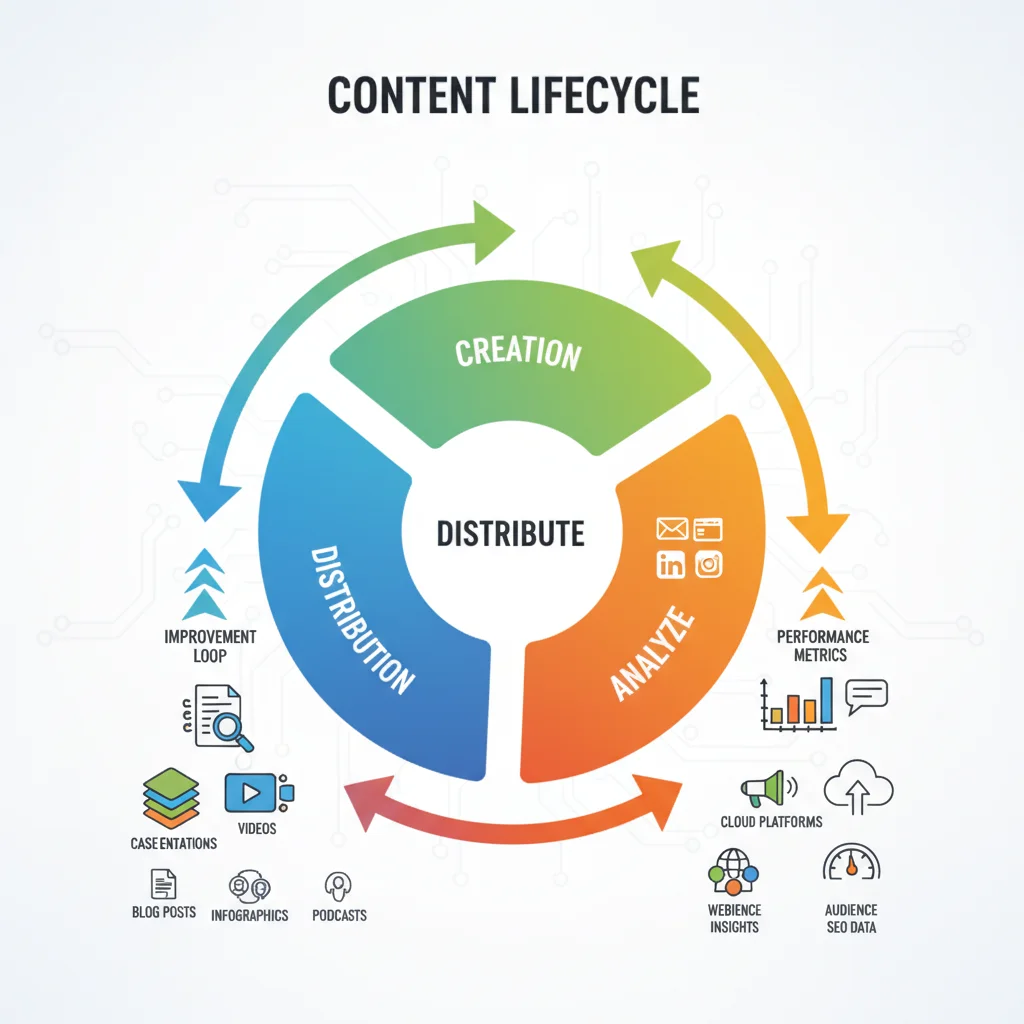
Phase 3: Analysis and Evaluation – Making Sense of Your Data
With your inventory and data in hand, it’s time to evaluate each content asset against your established criteria. This is the core analytical phase of your Sales Enablement Audit.
1. Categorize Content
For each content piece, assign a status based on your analysis:
- Keep As Is: High-performing, up-to-date, and frequently used.
- Update/Revise: Good potential, but needs refreshing, minor edits, or a new format.
- Consolidate/Repurpose: Similar to other content, can be combined or adapted for a new use case.
- Archive/Delete: Outdated, irrelevant, low usage, or no longer aligned with strategy.
- Create New: Addresses identified content gaps.
2. Identify Content Gaps
Based on sales rep feedback and an analysis of the buyer journey, pinpoint areas where content is missing. For example:
- Are there specific industry-specific case studies lacking?
- Is there enough content for the late-stage negotiation phase?
- Do reps have compelling answers to common objections?
Addressing these gaps is a direct path to improving asset utilization, as reps will have more relevant tools at their disposal.
3. Pinpoint Redundancies and Inconsistencies
It’s common to find multiple versions of the same presentation or conflicting messaging across different documents. Identify these and decide on the single, authoritative version. This streamlines the sales process and ensures consistent messaging.
4. Assess Content Discoverability
Even the best content is useless if sales reps can’t find it. Evaluate:
- Is your content organized logically within your platform?
- Are keywords and tags applied consistently and effectively?
- Is the search functionality robust?
- Are there clear pathways for reps to navigate to relevant content?
Poor discoverability is a major culprit for low asset utilization. Improving this aspect alone can significantly contribute to your 35% goal.
Phase 4: Optimization and Action – Implementing Changes
This is where your Sales Enablement Audit moves from analysis to action. The insights gained must be translated into tangible improvements.
1. Content Cleanup and Curation
- Delete/Archive: Remove all outdated, irrelevant, or redundant content. Be ruthless.
- Update/Revise: Assign tasks to marketing or product marketing to update content flagged for revision. Prioritize based on impact and urgency.
- Consolidate: Combine similar content pieces into a single, more comprehensive, and clearer asset.
- Repurpose: Transform existing high-performing content into new formats (e.g., a whitepaper into an infographic, a webinar into a series of blog posts).
2. Fill Content Gaps
Develop a content creation roadmap to address the identified gaps. Prioritize based on:
- Impact on key sales metrics (e.g., deal velocity, close rates).
- Urgency (e.g., new product launch, competitor move).
- Sales team demand.
3. Optimize Content Organization and Tagging
Implement a clear, intuitive content taxonomy. This includes:
- Standardized Naming Conventions: Ensure consistency across all content.
- Consistent Tagging: Use a controlled vocabulary for keywords, buyer journey stages, product lines, industries, etc.
- Folder Structures: Create logical and easy-to-navigate folder structures within your sales enablement platform.
- Search Optimization: Ensure content descriptions and metadata are optimized for internal search.
4. Improve Content Accessibility
Beyond organization, consider how reps actually access content:
- Integrate with CRM: Ensure that relevant content is easily accessible directly within the CRM, ideally linked to specific deal stages or accounts.
- Sales Enablement Platform Features: Leverage AI-driven content recommendations or prescriptive content paths if your platform offers them.
- Training: Conduct training sessions for the sales team on how to effectively use the updated content library and search functionalities.
Improved accessibility directly correlates with higher asset utilization. If it’s easy to find and use, reps will use it more.
Phase 5: Ongoing Monitoring and Maintenance – Sustaining the Gains
A Sales Enablement Audit is not a one-time event. To sustain the 35% improvement in asset utilization and beyond, ongoing monitoring and maintenance are essential.
1. Establish a Content Governance Model
Define clear roles and responsibilities for content creation, review, approval, and archiving. This includes:
- Content Owners: Who is responsible for updating specific content types or product lines?
- Review Cadence: How often will content be reviewed for accuracy and relevance (e.g., quarterly, semi-annually)?
- Approval Workflow: A clear process for new content submission and existing content updates.
- Deprecation Policy: When and how will content be retired?
2. Continuously Monitor Performance Metrics
Regularly track the metrics established in Phase 1. Look for trends, identify underperforming content early, and celebrate content successes. Your sales enablement platform should provide dashboards for this.
3. Gather Continuous Feedback
Implement mechanisms for ongoing feedback from the sales team. This could be:
- A dedicated Slack channel for content requests/feedback.
- Short, regular surveys.
- Embedding feedback forms directly into content assets.
- Regular check-ins with sales leadership and top performers.
4. Schedule Regular Mini-Audits
While a full Sales Enablement Audit might be an annual or biennial event, schedule smaller, more focused mini-audits (e.g., quarterly) to review specific content categories or address immediate needs. This proactive approach prevents content rot and ensures your assets remain highly utilized.

Practical Solutions to Overcome Common Audit Challenges
Conducting a Sales Enablement Audit isn’t without its hurdles. Here are practical solutions to common challenges:
- Challenge: Overwhelming Volume of Content.
- Solution: Start small. Focus on the most impactful content types (e.g., customer-facing presentations, key battle cards) or content related to your highest-priority products. Automate data collection where possible.
- Challenge: Lack of Clear Ownership.
- Solution: Establish content owners from the outset. If no clear owner exists, assign one based on subject matter expertise. Make ownership a key part of your content governance.
- Challenge: Resistance from Sales Reps.
- Solution: Communicate the ‘why.’ Explain how the audit will directly benefit them by making their jobs easier and improving their success rates. Involve them in the feedback process.
- Challenge: Difficulty Measuring Content ROI.
- Solution: Start with proxy metrics like engagement and usage. Gradually work towards connecting content to deal stages and closed-won revenue through CRM integration and advanced analytics.
- Challenge: Outdated Technology/Disparate Systems.
- Solution: Acknowledge the limitations of your current tech stack. Centralize content in a dedicated sales enablement platform if possible. If not, create a master index with links to all content locations.
- Challenge: Keeping Up with Updates.
- Solution: Implement a clear review cycle and automated reminders for content owners. Leverage version control features within your content platforms.
The Future of Sales Enablement Content: 2026 and Beyond
As we look beyond 2026, the importance of a robust and dynamic sales enablement content strategy, underpinned by regular audits, will only grow. Future trends to consider in your ongoing content strategy include:
- Hyper-Personalization at Scale: AI will enable even more granular personalization of content, requiring a highly organized and tagged content library.
- Interactive and Experiential Content: Expect more interactive tools, AR/VR experiences, and dynamic content that adapts in real-time.
- Video Dominance: Short-form, personalized video content will become even more prevalent for sales outreach and engagement.
- Predictive Content Recommendations: AI will not just suggest content, but predict which content will be most effective for a specific buyer at a specific moment.
- Integrated Content Workflows: Seamless integration between CRM, sales engagement platforms, and content management systems will be critical.
Your Sales Enablement Audit today is laying the groundwork for thriving in this future. By streamlining your content and improving its utilization, you are not just fixing current problems; you are future-proofing your sales organization.
Conclusion: Unleash the Power of Your Sales Content
The journey to achieving a 35% improvement in sales enablement asset utilization is a strategic one, requiring dedication and a systematic approach. By undertaking a comprehensive Sales Enablement Audit, you are not merely organizing files; you are optimizing a critical engine of your sales success.
From defining your ecosystem and collecting accurate data to rigorously analyzing content performance and implementing actionable changes, each phase of this audit is designed to bring clarity, efficiency, and impact to your sales efforts. Remember, the true value of sales enablement content lies in its effective use by your sales team, driving better conversations, accelerating deal cycles, and ultimately, boosting revenue.
Embrace this guide as your roadmap for 2026. Start your Sales Enablement Audit today, empower your sales team with the best possible content, and watch your asset utilization, and your sales performance, soar.