Sales Enablement Gen Z: New Strategies for 2026 Buyers

The landscape of sales is in constant flux, but few demographic shifts have demanded as significant a re-evaluation of strategies as the rise of Generation Z. Born roughly between 1997 and 2012, Gen Z is not just a new cohort of consumers; they are digital natives with unique values, expectations, and purchasing behaviors. As we look towards 2026, understanding and adapting your sales enablement initiatives to effectively engage these buyers is not merely an advantage – it’s a necessity for sustained growth and market relevance. This comprehensive guide will delve into the critical aspects of adapting your sales enablement to Gen Z buyers, offering new strategies and insights to thrive in the evolving market.
The core of successful sales enablement lies in providing your sales teams with the resources, training, and tools they need to close deals more effectively. However, what constitutes ‘effective’ changes dramatically when your target audience is Gen Z. This generation has grown up with unprecedented access to information, an innate skepticism towards traditional advertising, and a strong desire for authenticity and personalization. Ignoring these fundamental characteristics would be a critical misstep.
Understanding the Gen Z Buyer: A Deep Dive into Their Psyche
Before we can construct effective Gen Z sales strategies, we must first understand the individuals themselves. Gen Z buyers are distinct from Millennials, Gen X, and Baby Boomers in several key ways:
- Digital Natives, Not Just Digital Literate: Unlike Millennials who adapted to the digital world, Gen Z was born into it. Social media, online reviews, and instant communication are not tools they learned to use; they are extensions of their reality. This means they expect seamless digital experiences, quick responses, and readily available information online. They will research extensively before engaging with a salesperson.
- Value-Driven and Socially Conscious: Gen Z prioritizes brands that align with their personal values. Sustainability, ethical practices, diversity, and social responsibility are not just buzzwords; they are non-negotiable criteria for many of their purchasing decisions. Sales teams must be equipped to articulate how their products or services contribute positively to these areas.
- Authenticity Over Polish: They are wary of overly polished, corporate messaging. Raw, authentic content, user-generated reviews, and genuine interactions resonate far more than traditional, heavily produced advertisements. They can spot inauthenticity a mile away.
- Personalization is Paramount: Having grown up with algorithms that constantly tailor content to their preferences, Gen Z expects a highly personalized experience. Generic sales pitches will fall flat. They want to feel seen, understood, and that their unique needs are being addressed.
- Skeptical but Open to Influence: While skeptical of traditional advertising, they are highly influenced by peers, micro-influencers, and online communities. Trust is built through transparency and genuine connection, not through aggressive selling tactics.
- Short Attention Spans, High Engagement Demand: Their constant exposure to a deluge of information means they have shorter attention spans. Content must be concise, visually engaging, and immediately relevant. However, when something captures their interest, their engagement can be incredibly deep.
These characteristics form the bedrock upon which all successful Gen Z sales strategies must be built. Sales enablement leaders need to translate these traits into actionable training, tools, and content for their teams.
Rethinking Sales Enablement for 2026: Key Strategic Pillars
To effectively engage Gen Z buyers, sales enablement must evolve. Here are the key strategic pillars to focus on:
1. Digital-First Content and Engagement
Given Gen Z’s digital native status, your sales content and engagement channels must reflect this. This goes beyond simply having a website; it’s about creating an integrated, seamless digital experience.
- Interactive and Visual Content: Ditch the long, text-heavy PDFs. Embrace short-form videos, interactive infographics, animated explainers, and virtual reality/augmented reality (VR/AR) demonstrations. Content should be easily digestible on mobile devices.
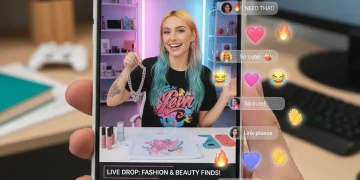
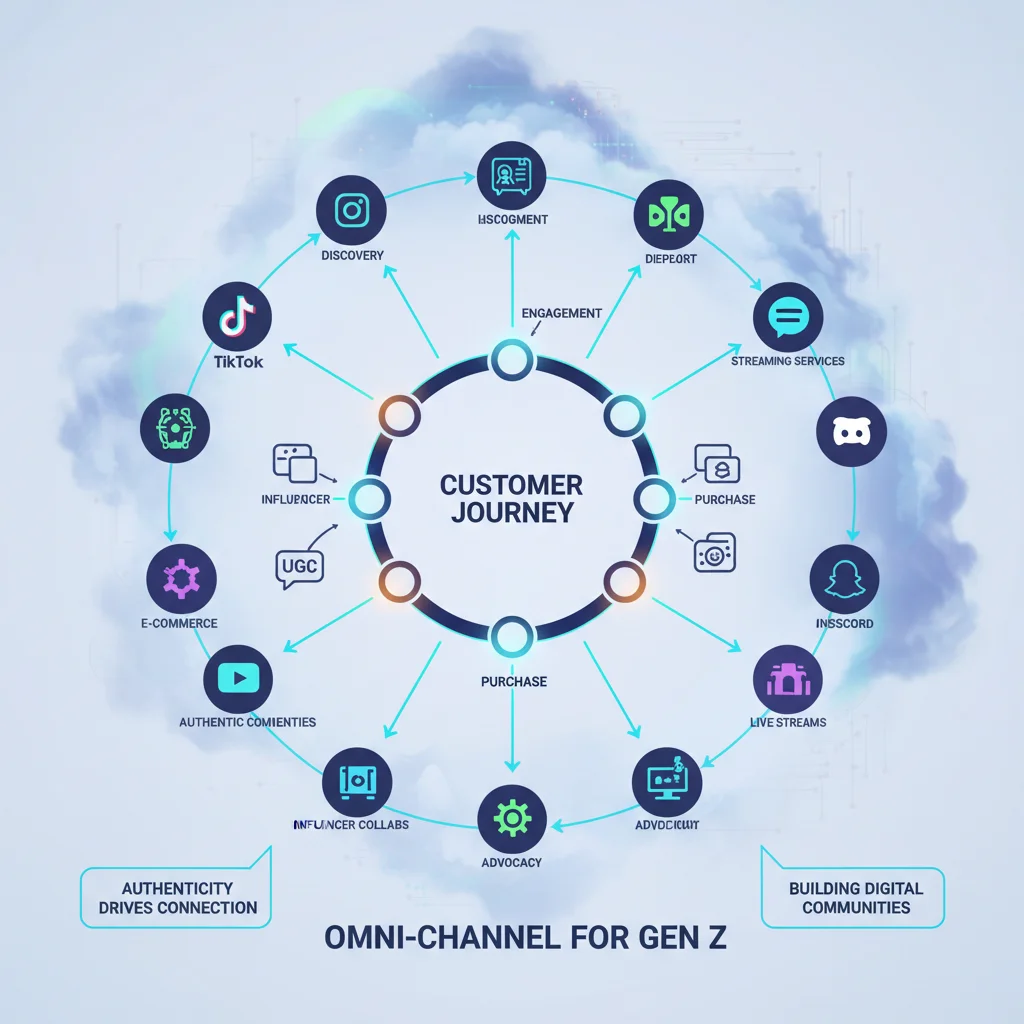
- Social Selling Mastery: Train your sales teams to become proficient in social selling. This isn’t about spamming DMs; it’s about building genuine connections on platforms where Gen Z spends their time (TikTok, Instagram, YouTube, Discord, LinkedIn). Sales reps should be empowered to share valuable insights, participate in relevant conversations, and act as thought leaders, not just product pushers.
- Personalized Micro-Content: Develop a library of micro-content that can be easily customized. This includes personalized video messages, tailored case studies, and relevant blog posts. The goal is to provide specific, bitesize information that addresses their immediate concerns.
- Empower Self-Service: Gen Z prefers to do their own research. Ensure your website and online resources are robust, easy to navigate, and provide comprehensive answers to common questions. This allows them to progress through much of the buyer journey independently, only engaging with a salesperson when they genuinely need specific expertise.
2. Hyper-Personalization at Scale
Personalization is no longer a ‘nice-to-have’; it’s a fundamental expectation. Sales enablement must provide the tools and training to deliver hyper-personalized experiences.
- Advanced CRM and AI Tools: Invest in CRM systems that offer advanced data analytics and AI capabilities. These tools can help sales teams understand buyer behavior, predict needs, and suggest personalized content or conversation starters. Sales enablement should train reps on how to leverage these tools effectively.
- Buyer Persona Development (Gen Z Edition): Develop detailed Gen Z buyer personas that go beyond demographics. Include their values, preferred communication channels, digital habits, pain points, and aspirations. These personas should be dynamic, updated regularly, and form the basis of all personalized outreach.
- Customized Value Propositions: Train sales teams to articulate value propositions in a way that directly addresses Gen Z’s specific concerns and values. How does your product contribute to sustainability? How does it offer flexibility or foster community? These are the angles that resonate.
- Personalized Communication Templates: While authenticity is key, providing customizable templates for emails, social media messages, and even video scripts can ensure consistency and efficiency while still allowing for individual personalization.
3. Building Trust Through Authenticity and Transparency
Gen Z is highly skeptical. Trust cannot be bought; it must be earned through genuine interaction and transparency.
- Authentic Storytelling: Equip sales teams with real-world case studies and testimonials that highlight genuine customer success and align with Gen Z values. Encourage them to share personal stories (where appropriate) that build rapport.
- Transparency in Pricing and Policies: Hidden fees or complex pricing models will immediately turn Gen Z off. Be upfront and clear about costs, terms, and conditions.
- Ethical Selling Practices: Train sales teams on ethical selling. Avoid high-pressure tactics, manipulative language, or exaggerated claims. Gen Z values honesty and integrity.
- Leveraging User-Generated Content (UGC): Encourage and facilitate the use of UGC in sales conversations. Reviews, social media posts, and unboxing videos from real customers are far more credible to Gen Z than company-produced marketing materials.
4. Empowering Sales Teams with Modern Tools and Training
Your sales team is your front line. They need the right tools and continuous training to master these new approaches.
- Interactive Training Modules: Move away from static presentations. Implement interactive e-learning modules, gamified training, and role-playing scenarios that simulate real-world Gen Z interactions.
- Video Communication Skills: Provide training on effective video communication, from personalized video messages to virtual meeting etiquette. Gen Z often prefers video calls over traditional phone calls.
- Data Literacy: Train sales reps to interpret and utilize data from CRM and other analytics tools to inform their personalized outreach and improve their Gen Z sales strategies.
- Collaboration Tools: Foster internal collaboration among sales teams, allowing them to share best practices, successful strategies, and insights on engaging Gen Z buyers.
- AI-Powered Sales Assistants: Explore AI tools that can assist with lead qualification, content recommendations, and even drafting personalized messages, freeing up sales reps to focus on relationship building.
The Role of Community and Social Proof in Gen Z Sales
For Gen Z, purchasing decisions are often a social act. They rely heavily on the opinions of their peers and online communities. Sales enablement must integrate this reality into its strategies.
- Facilitating Peer-to-Peer Interaction: Can your sales process include opportunities for potential Gen Z buyers to interact with existing Gen Z customers? Think about online forums, customer communities, or even virtual events where they can share experiences.
- Leveraging Influencer Marketing (Micro-Influencers): Train sales teams on how to identify and potentially collaborate with micro-influencers who genuinely resonate with Gen Z. These individuals often have more credibility and engagement than celebrity endorsements.
- Amplifying Customer Reviews and Testimonials: Make it easy for sales reps to access and share compelling customer reviews, testimonials, and case studies, especially those featuring Gen Z customers. Video testimonials are particularly powerful.
- Building Brand Advocates: Develop programs to turn satisfied Gen Z customers into brand advocates. These advocates can then organically share their positive experiences, acting as powerful social proof.
Measuring Success: KPIs for Gen Z Sales Enablement
Traditional sales metrics might not fully capture the nuances of engaging Gen Z. Here are some KPIs to consider:
- Digital Engagement Rates: Track metrics like content views, video watch times, social media interactions, and website engagement from Gen Z prospects.
- Personalization Effectiveness: Measure conversion rates of personalized outreach vs. generic outreach. Track the open and response rates of customized content.
- Social Selling Metrics: Monitor social media reach, engagement, and lead generation attributed to sales reps’ social selling activities.
- Sales Cycle Length for Gen Z: Analyze if the new strategies are leading to more efficient sales cycles with Gen Z buyers.
- Customer Lifetime Value (CLTV) of Gen Z Customers: While a long-term metric, it’s crucial for understanding the enduring impact of your Gen Z sales strategies.
- Referral Rates from Gen Z: Given their reliance on peer recommendations, a high referral rate is a strong indicator of success.
Challenges and Considerations for 2026 and Beyond
While the opportunities are vast, adapting to Gen Z also presents challenges:
- Rapidly Evolving Trends: Gen Z trends change quickly. Sales enablement must be agile, constantly monitoring new platforms, communication styles, and values.
- Privacy Concerns: While digital natives, Gen Z is also acutely aware of privacy. Sales teams must be transparent about data usage and respect their preferences.
- Balancing Automation and Human Touch: Finding the right balance between AI-driven personalization and genuine human interaction is crucial. Gen Z appreciates efficiency but values authenticity.
- Cross-Generational Sales: Many companies will still be selling to multiple generations. Sales enablement needs to provide strategies that allow for adaptation across different buyer cohorts without alienating any group.
The Future is Now: Implementing Your Gen Z Sales Strategies
The transition to effective Gen Z sales strategies is not an overnight process. It requires a commitment from leadership, investment in new technologies, and a fundamental shift in mindset within your sales organization. Here’s a roadmap for implementation:
- Assess Current Capabilities: Conduct an audit of your existing sales enablement content, tools, and training programs. Identify gaps where your current approach falls short for Gen Z.
- Invest in Technology: Prioritize CRM systems with advanced analytics, AI-powered sales tools, and platforms that facilitate interactive content creation and social selling.
- Develop New Content: Create a library of Gen Z-friendly content: short videos, interactive guides, social media snippets, and authentic case studies. Ensure it’s mobile-optimized and easily customizable.
- Comprehensive Training Programs: Design training that focuses on digital fluency, social selling etiquette, value-driven communication, and personalization techniques. Incorporate role-playing and hands-on exercises.
- Foster a Culture of Learning and Experimentation: Encourage your sales team to experiment with new approaches and share their learnings. The Gen Z landscape is dynamic, and continuous adaptation is key.
- Gather Feedback: Regularly solicit feedback from both your sales team and, if possible, Gen Z prospects and customers. Use this feedback to iterate and refine your strategies.
- Align Marketing and Sales: Ensure tight alignment between marketing and sales. Marketing should be generating Gen Z-centric leads and content that sales can seamlessly leverage.
By proactively embracing these changes, businesses can not only meet the demands of Gen Z buyers in 2026 but also future-proof their sales operations for years to come. The goal is not just to sell to Gen Z, but to build lasting relationships based on trust, value, and authentic engagement.
Conclusion: The Imperative of Adaptation
The emergence of Gen Z as a dominant consumer force demands a paradigm shift in sales enablement. By 2026, companies that have successfully integrated digital-first content, hyper-personalization, and authentic, value-driven communication into their Gen Z sales strategies will be the ones that thrive. This means empowering sales teams with the right tools, training, and mindset to connect with a generation that values transparency, social responsibility, and a seamless digital experience above all else. The future of sales is not just about what you sell, but how you sell it, and for Gen Z, that means a radical departure from traditional methods. Embrace the change, and unlock unparalleled opportunities in the years ahead.