Predictive CX Analytics: Foreseeing Customer Needs 6 Months Ahead in US Digital Sales

Predictive CX Analytics: Foreseeing Customer Needs 6 Months Ahead in US Digital Sales
In the dynamic and hyper-competitive landscape of US digital sales, understanding your customer is no longer enough. The true differentiator lies in anticipating their needs, desires, and potential pain points before they even arise. This is where the transformative power of Predictive CX Analytics comes into play. Imagine a world where you can accurately foresee customer behavior up to six months in advance, allowing you to craft proactive strategies that not only meet but exceed expectations, fostering unparalleled loyalty and driving significant revenue growth. This isn’t science fiction; it’s the tangible reality that advanced analytics offers today.
The digital realm has become the primary battleground for customer attention and loyalty. Consumers are more informed, more demanding, and more fickle than ever before. A single negative experience can lead to churn, while a seamlessly personalized journey can create a lifelong advocate. For businesses operating in the vast and diverse US digital sales market, the stakes are incredibly high. Relying on historical data alone is akin to driving while looking in the rearview mirror; it gives you an idea of where you’ve been, but offers little guidance for the road ahead. Predictive CX Analytics acts as your high-beam headlights, illuminating the path forward and allowing you to navigate the complexities of customer experience with unprecedented clarity and precision.
What Exactly is Predictive CX Analytics?
At its core, Predictive CX Analytics involves the application of various statistical techniques, machine learning algorithms, and artificial intelligence to historical and real-time customer data to make informed predictions about future customer behavior. It moves beyond descriptive analytics (what happened) and diagnostic analytics (why it happened) to embrace predictive analytics (what will happen) and prescriptive analytics (what should be done). For businesses focused on customer experience (CX), this means leveraging data to forecast everything from potential churn and product adoption rates to future purchasing patterns and preferred communication channels.
In the context of US digital sales, this translates into a powerful capability to understand customer segments at a granular level. Are specific demographic groups more likely to respond to a particular type of promotion in the coming quarter? Will a customer who has made three purchases in the last month be ready for an upsell opportunity in two months? What factors indicate a high propensity for a customer to abandon their cart next week? Predictive CX Analytics provides answers to these critical questions, empowering businesses to move from reactive problem-solving to proactive value creation.
The sheer volume of data generated in digital interactions – clicks, views, purchases, support tickets, social media mentions, email opens, app usage – provides a rich tapestry for these analytical models. When properly collected, cleaned, and analyzed, this data reveals intricate patterns and correlations that human analysts might miss. The goal is not just to predict, but to predict with a high degree of accuracy, enabling businesses to allocate resources more effectively, personalize interactions, and ultimately, enhance the overall customer journey.
The Imperative of Foreseeing Customer Needs in US Digital Sales
The US digital sales market is characterized by its immense size, diversity, and rapid evolution. Consumers expect instant gratification, seamless experiences across multiple devices, and highly personalized interactions. Companies that fail to deliver on these expectations risk losing customers to competitors who are more attuned to their needs. This is where the ability to foresee customer needs 6 months ahead becomes a game-changer.
Gaining a Competitive Edge
In a market saturated with options, foresight is the ultimate competitive advantage. By knowing what your customers will likely want or need in the near future, you can:
- Develop new products/services proactively: Instead of reacting to market trends, you can be a trendsetter, launching products that perfectly align with anticipated customer demand.
- Optimize marketing campaigns: Target the right customers with the right message at the right time, maximizing conversion rates and reducing wasted ad spend.
- Personalize customer journeys: Offer tailored recommendations, content, and support that resonate deeply with individual customer preferences, building stronger relationships.
- Anticipate and mitigate churn: Identify customers at risk of leaving and intervene with personalized retention strategies before they defect.
Enhancing Customer Lifetime Value (CLV)
A proactive approach to CX, driven by predictive analytics, directly contributes to higher Customer Lifetime Value. When customers feel understood and valued, they are more likely to make repeat purchases, try new offerings, and recommend your brand to others. By anticipating their needs, you can foster a sense of loyalty that extends far beyond a single transaction, turning customers into long-term assets.
Optimizing Resource Allocation
Predictive insights allow businesses to allocate their resources more strategically. For instance, if analytics predict a surge in demand for a particular product category in the coming months, inventory can be adjusted, marketing efforts can be ramped up, and customer service teams can be prepared. This prevents stockouts, reduces operational inefficiencies, and ensures that resources are deployed where they will have the greatest impact.
Key Components of a Robust Predictive CX Analytics Framework
Implementing a successful Predictive CX Analytics strategy requires a multi-faceted approach, integrating various technologies and methodologies.
1. Data Collection and Integration
The foundation of any predictive model is high-quality, comprehensive data. This includes:
- Transactional Data: Purchase history, order frequency, average order value, returns.
- Behavioral Data: Website clicks, page views, time spent on site, search queries, cart abandonment, app usage.
- Interaction Data: Customer service interactions (chat, email, phone), social media engagements, survey responses.
- Demographic Data: Age, location, income level (where available and privacy-compliant).
- External Data: Market trends, competitor analysis, economic indicators.
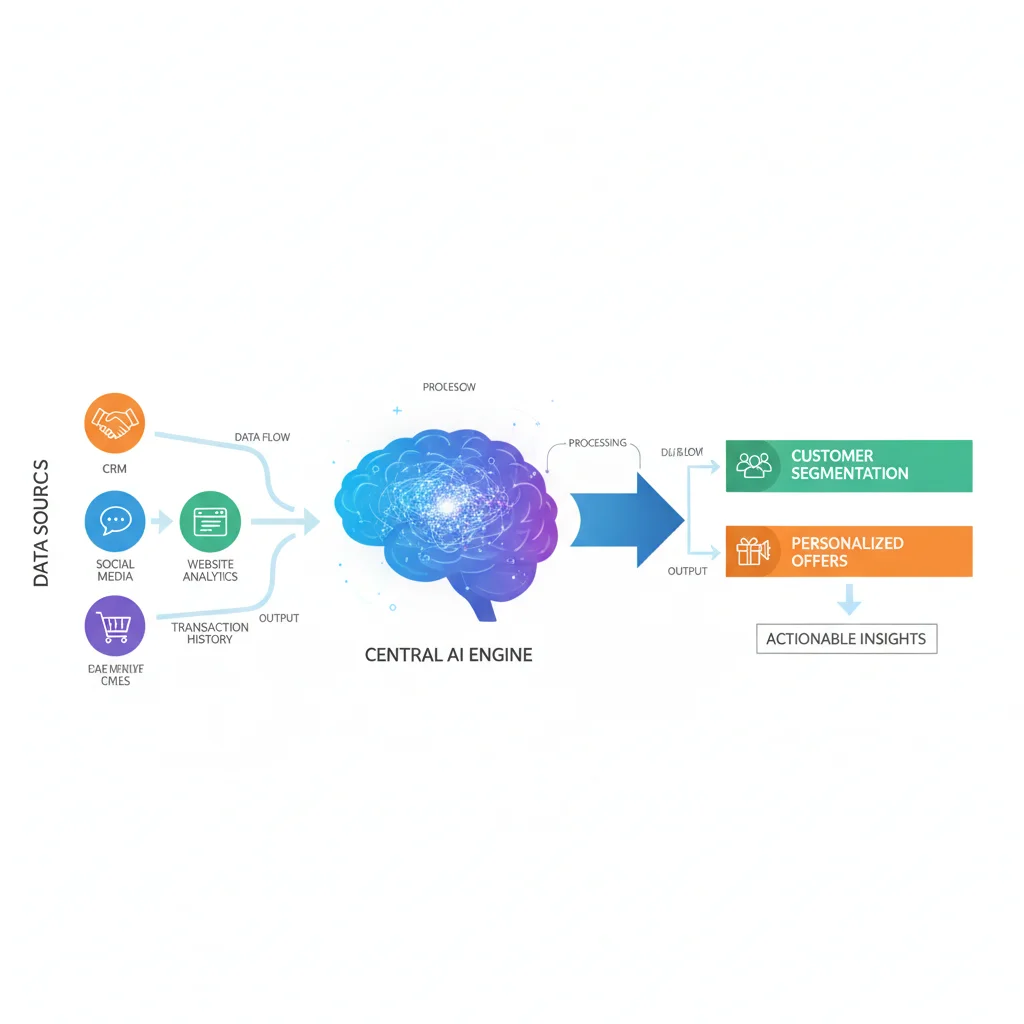
This data must be integrated from various sources (CRM, ERP, web analytics, marketing automation platforms) into a unified data lake or data warehouse, ensuring consistency and accessibility for analysis.
2. Advanced Analytics and Machine Learning
Once the data is collected, a suite of analytical tools and machine learning algorithms are employed:
- Regression Analysis: To predict continuous values, such as future spending or customer churn scores.
- Classification Algorithms: To categorize customers (e.g., high-value, at-risk, loyal) or predict binary outcomes (e.g., will they buy or not).
- Clustering: To identify natural groupings of customers with similar behaviors or preferences, enabling more targeted segmentation.
- Time Series Analysis: To forecast future trends based on historical patterns, crucial for predicting seasonal demand or recurring behaviors.
- Natural Language Processing (NLP): To analyze unstructured text data from customer reviews, social media, and support transcripts to gauge sentiment and identify emerging themes or pain points.
3. AI and Automation
Artificial intelligence plays a pivotal role in automating the analysis of vast datasets and generating actionable insights. AI-powered platforms can continuously monitor customer behavior, update predictive models in real-time, and even trigger automated personalized responses, such as sending a targeted email offer based on a predicted purchase intent or escalating a support issue based on predicted frustration levels. This automation ensures that insights are not just generated but are actively used to improve the customer experience at scale.
4. Feedback Loops and Continuous Improvement
Predictive CX Analytics is not a one-time project; it’s an ongoing process of refinement. It requires establishing robust feedback loops where the outcomes of predictive models are tracked and compared against actual results. This allows for continuous recalibration and improvement of the models, ensuring their accuracy remains high even as customer behaviors and market conditions evolve. Regular evaluation of model performance and a willingness to iterate are crucial for long-term success.
Implementing Predictive CX Analytics for a 6-Month Horizon in US Digital Sales
To effectively foresee customer needs 6 months ahead in the US digital sales environment, businesses need a strategic roadmap.
Step 1: Define Clear Objectives
What specific customer behaviors do you want to predict? Are you looking to reduce churn by 10% in the next six months? Increase average order value by predicting upsell opportunities? Identify potential brand advocates? Clear, measurable objectives will guide your data collection and model development.
Step 2: Identify Key Data Points and Sources
Based on your objectives, determine which data points are most indicative of the behaviors you want to predict. For a 6-month horizon, you’ll need a historical depth of at least 1-2 years to train your models effectively, capturing seasonal trends and long-term customer lifecycle patterns.
Step 3: Build and Train Predictive Models
This is where data scientists and machine learning engineers come into play. They will select appropriate algorithms, clean and prepare the data, and train the models. The models will then be validated and tested for accuracy, ensuring they can reliably predict future outcomes.
For example, to predict churn, models might analyze factors like decreased engagement, multiple support interactions, negative sentiment in feedback, or a decline in purchase frequency over the last 3-6 months. For predicting future purchases, the model might look at browsing behavior, past purchase categories, and interactions with promotional content.
Step 4: Integrate Predictions into Business Operations
The predictions are only valuable if they lead to action. Integrate the insights generated by your Predictive CX Analytics into your marketing automation, CRM, customer service, and product development systems. This allows for automated triggers and personalized interventions.
- Marketing: Proactive email campaigns, personalized ads, special offers.
- Sales: Identifying high-potential leads, recommending relevant products during sales calls.
- Customer Service: Flagging at-risk customers for proactive outreach, personalizing support based on predicted issues.
- Product Development: Informing future product features based on anticipated needs and frustrations.
Step 5: Monitor, Measure, and Refine
Regularly track the performance of your predictive models and the impact of your proactive strategies. Are the predictions accurate? Are the interventions yielding the desired results? Use A/B testing to compare the effectiveness of different strategies and continuously refine your models and approaches. The 6-month window allows ample time to see the impact of your interventions and make necessary adjustments.
Challenges and Considerations for US Digital Sales
While the benefits of Predictive CX Analytics are undeniable, businesses must also navigate several challenges, particularly in the US digital sales context.
Data Privacy and Compliance
With increasing scrutiny on data privacy (e.g., California Consumer Privacy Act – CCPA, various state-level regulations), businesses must ensure their data collection and usage practices are transparent, compliant, and ethical. Building trust with customers regarding their data is paramount.
Data Silos and Integration Complexity
Many organizations struggle with fragmented data spread across disparate systems. Integrating these silos into a unified view requires significant effort, technical expertise, and often, investment in new data infrastructure.
Talent Gap
The demand for skilled data scientists, machine learning engineers, and CX strategists with analytical capabilities often outstrips supply. Building an in-house team or finding the right external partners is a critical consideration.
Model Interpretability and Bias
Complex AI models can sometimes be black boxes, making it difficult to understand how they arrive at certain predictions. Ensuring model interpretability is important for trust and for identifying potential biases that could lead to unfair or discriminatory outcomes for certain customer segments.
Real-World Impact: Success Stories in US Digital Sales
Across the US digital sales landscape, companies leveraging Predictive CX Analytics are already reaping significant rewards.
- E-commerce Retailers: By predicting future fashion trends and individual customer style preferences 3-6 months out, leading e-commerce players are optimizing inventory, personalizing product recommendations, and launching highly successful targeted campaigns, leading to reduced returns and increased average order value. They can anticipate which customers are likely to respond to a flash sale on a particular clothing line or which segments will be interested in pre-ordering upcoming tech gadgets.
- Subscription Services: Streaming platforms and SaaS providers use predictive models to identify subscribers at risk of churn several months in advance. By analyzing viewing habits, engagement levels, and support interactions, they can proactively offer personalized content recommendations, loyalty discounts, or targeted support to retain customers before they consider canceling, significantly boosting retention rates.
- Financial Services: Digital banks and fintech companies are using predictive CX analytics to anticipate customer financial needs, such as the likelihood of needing a loan, an investment product, or a new credit card, 6 months down the line. This allows them to offer relevant products and advice proactively, enhancing customer trust and expanding their share of wallet. For example, predicting a customer’s life stage change (e.g., buying a house, having a child) allows for tailored financial product recommendations.
- Travel and Hospitality: Online travel agencies are utilizing predictive analytics to forecast travel patterns, preferred destinations, and booking behaviors. This enables them to offer personalized travel packages, flight deals, and hotel recommendations well in advance, capturing bookings and enhancing the overall travel planning experience for US consumers. They can anticipate peak travel seasons for specific destinations and offer early bird deals to loyal customers.
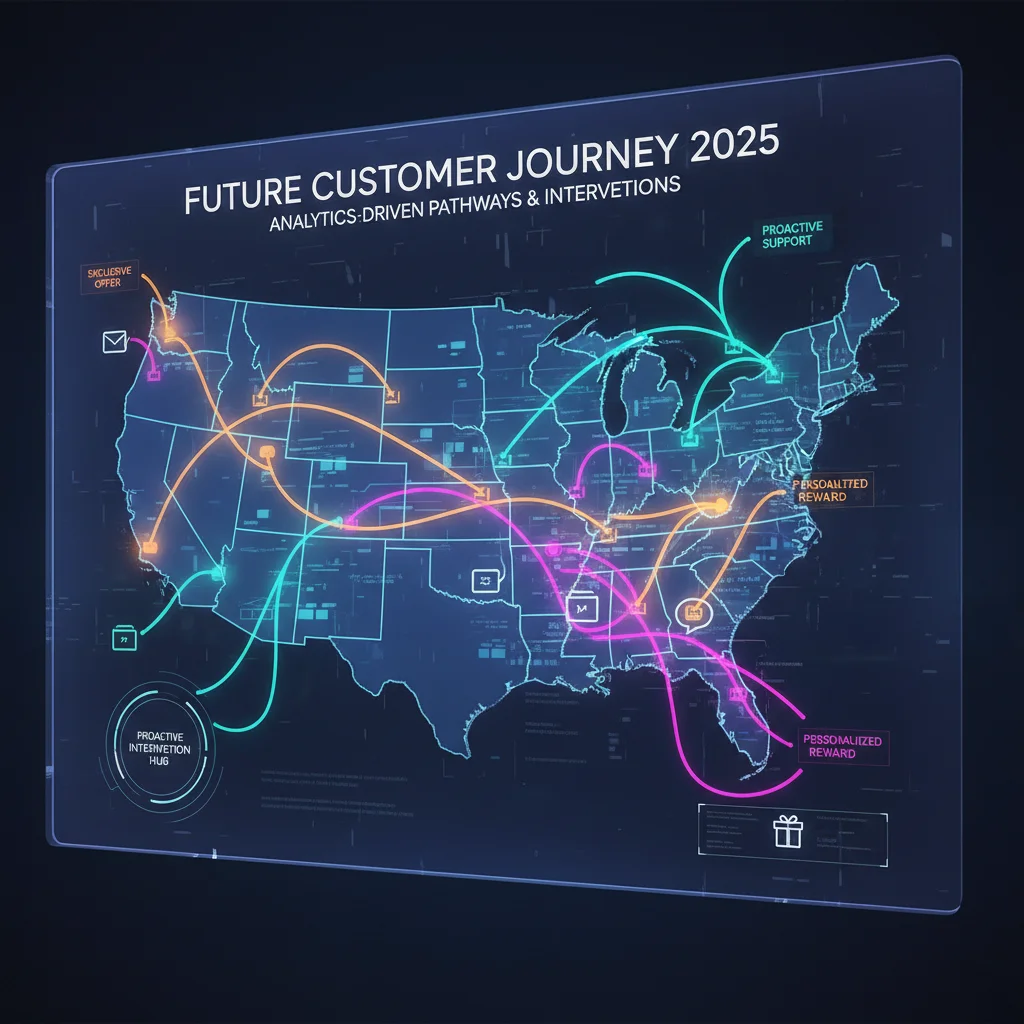
These examples highlight how foresight, enabled by advanced analytics, transforms the customer journey from a series of reactive responses into a meticulously orchestrated, proactive, and deeply personalized experience. The ability to look 6 months into the future provides ample time for strategic planning and execution, moving beyond mere customer satisfaction to genuine customer delight.
The Future is Proactive: Embracing Predictive CX Analytics
The era of reactive customer experience is rapidly fading. In the highly competitive and digitally driven US sales market, the ability to anticipate and act on customer needs before they are explicitly articulated is no longer a luxury – it’s a necessity for survival and growth. Predictive CX Analytics offers the roadmap to this proactive future, allowing businesses to build stronger relationships, optimize operations, and unlock new avenues for revenue.
As technology continues to evolve, the sophistication and accuracy of predictive models will only increase. Embracing this shift requires not just technological investment but also a cultural transformation within organizations – a commitment to data-driven decision-making at every level. By integrating predictive insights into every facet of the customer journey, from initial awareness to post-purchase support, businesses can create a truly seamless, intuitive, and highly personalized experience that resonates deeply with the modern consumer.
The journey to mastering Predictive CX Analytics is an ongoing one, but the rewards are substantial: increased customer loyalty, higher conversion rates, optimized marketing spend, and a significant competitive advantage in the bustling US digital sales arena. Start today by exploring your data, defining your objectives, and investing in the tools and talent that will empower you to see the future of your customer experience, 6 months and beyond.