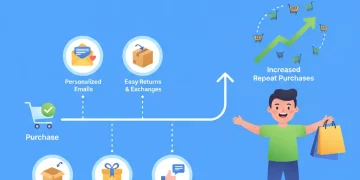
Boost E-commerce Retention 15% by 2026: Proactive CX Strategies
In the fiercely competitive landscape of e-commerce, acquiring new customers is often lauded as the primary driver of growth. However, smart businesses understand that the true cornerstone of sustainable success lies in keeping the customers they already have. Customer retention is not just a buzzword; it’s a critical metric that directly impacts profitability, brand loyalty, and long-term viability. This comprehensive guide will equip you with the strategies and insights necessary to boost your e-commerce retention strategies by an ambitious 15% by 2026, focusing on proactive customer experience (CX) and practical, implementable solutions.
Why set such a specific goal? Because a 15% increase in retention can translate into exponential gains in revenue, reduced marketing costs, and a powerful network of brand advocates. By shifting from reactive problem-solving to proactive engagement, e-commerce businesses can cultivate deeper relationships, anticipate needs, and consistently exceed customer expectations. Let’s delve into the actionable steps to achieve this.
Understanding the Foundation: Why E-commerce Retention Strategies Matter More Than Ever
Before diving into the ‘how,’ it’s crucial to reinforce the ‘why.’ In today’s digital age, customers have an unprecedented number of choices. A single negative experience, or even a perceived lack of value, can send them straight to a competitor. This makes effective e-commerce retention strategies absolutely vital. Here’s why:
- Increased Lifetime Value (LTV): Retained customers spend more over time. They are more likely to make repeat purchases, try new products, and respond to promotions, significantly increasing their LTV.
- Reduced Acquisition Costs: It costs significantly more to acquire a new customer than to retain an existing one. By focusing on retention, you optimize your marketing budget and improve overall ROI.
- Brand Advocacy and Referrals: Happy, loyal customers become your biggest advocates. They share positive experiences with friends, family, and on social media, generating valuable word-of-mouth marketing that is often more effective than paid advertising.
- Valuable Feedback and Insights: Long-term customers are a rich source of feedback. Their insights can help you refine products, improve services, and identify new opportunities, driving continuous improvement.
- Competitive Advantage: In a crowded market, superior customer experience and strong retention can be your most powerful differentiator. It creates a moat around your business that competitors find hard to replicate.
A 15% boost in your e-commerce retention strategies isn’t just a number; it’s a testament to a customer-centric business model that prioritizes long-term relationships over short-term gains. This goal is achievable through a methodical approach to proactive customer experience.
Pillar 1: Proactive Customer Experience (CX) – Anticipating Needs
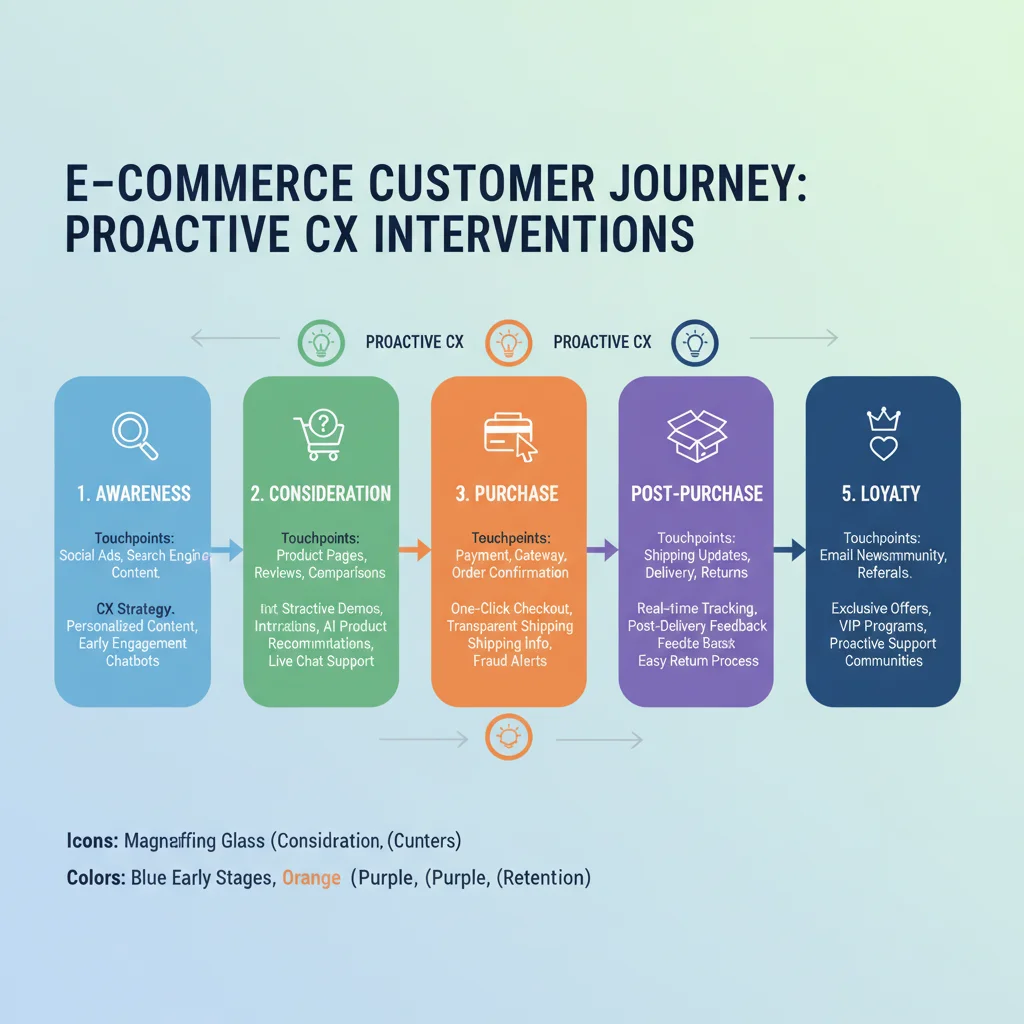
Proactive CX is about getting ahead of customer issues and enhancing their journey before problems arise. It’s about showing your customers you understand them, value their business, and are committed to their satisfaction. This is a cornerstone of effective e-commerce retention strategies.
1. Personalized Onboarding and First Purchase Experience
The first impression is lasting. For new customers, make their initial experience seamless and personalized. This extends beyond just the transaction.
- Personalized Welcome Series: Instead of a generic welcome email, segment new customers based on their first purchase or browsing behavior. Send tailored content, product recommendations, and useful tips related to their initial interest.
- Easy Setup/Usage Guides: If your product requires any setup or has specific features, provide clear, concise guides or video tutorials. Anticipate common questions and address them upfront.
- Proactive Order Updates: Don’t just send standard shipping notifications. Provide detailed tracking, estimated delivery times, and offer easy ways to contact support if there are issues.
2. Predictive Analytics for Problem Prevention
Leverage data to identify potential pain points before they become actual problems. This is where advanced e-commerce retention strategies truly shine.
- Cart Abandonment Recovery: Go beyond simple reminders. Analyze reasons for abandonment (e.g., high shipping costs, complex checkout) and proactively offer solutions like free shipping codes or a simplified guest checkout option.
- Inventory Management Alerts: If a customer frequently purchases a specific item that’s about to go out of stock, notify them proactively. This shows you’re thinking ahead for their needs.
- Subscription Service Reminders: For subscription models, remind customers about upcoming renewals, payment issues, or opportunities to modify their subscription before it’s too late.
3. Self-Service Empowerment
Many customers prefer to find answers themselves. Empower them with robust self-service options, reducing friction and improving satisfaction.
- Comprehensive Knowledge Base/FAQ: Create an easily searchable, well-organized knowledge base that covers common questions, troubleshooting steps, and product information.
- Interactive Chatbots: Implement AI-powered chatbots that can answer routine inquiries, guide customers to relevant information, or even help with order status updates, 24/7.
- Clear Return/Exchange Policies: Make your policies transparent and the process straightforward. A hassle-free return experience can actually build loyalty, even if the initial product wasn’t a fit.
Pillar 2: Hyper-Personalization – Making Every Customer Feel Unique
Generic experiences are a thing of the past. Modern e-commerce retention strategies demand personalization at every touchpoint. This isn’t just about addressing customers by name; it’s about understanding their preferences, behaviors, and anticipating their desires.
1. Data-Driven Product Recommendations
Move beyond ‘customers who bought this also bought…’ Implement sophisticated recommendation engines.
- Behavioral Data: Analyze browsing history, past purchases, search queries, and even items left in carts to suggest highly relevant products.
- Demographic and Psychographic Data: If available and ethically gathered, use demographic information (e.g., age, location) and psychographic data (e.g., lifestyle, values) to refine recommendations further.
- Contextual Recommendations: Suggest products based on the time of year (holidays, seasons), recent events, or even local weather.
2. Tailored Communication Channels and Content
Not all customers prefer the same communication methods or content. Adapt your outreach.
- Preferred Channel: Some customers prefer email, others SMS, and some respond best to in-app notifications. Offer choices and respect their preferences.
- Segmented Email Marketing: Create highly segmented email campaigns based on purchase history, engagement levels, product categories viewed, and even lapsed activity.
- Dynamic Website Content: Display different home page banners, product categories, or promotions based on a user’s past interactions or known preferences.
3. Loyalty Programs with Personalized Rewards
Generic loyalty programs often fall flat. Make them personal and genuinely rewarding to boost your e-commerce retention strategies.
- Tiered Programs: Offer increasing benefits as customers spend more, creating a sense of exclusivity and aspiration.
- Choice of Rewards: Instead of dictating rewards, allow customers to choose from a selection of options that appeal to their individual preferences (e.g., discount on favorite products, early access to sales, exclusive content).
- Gamification: Incorporate elements of gaming, such as points, badges, or challenges, to make the loyalty program more engaging and fun.
Pillar 3: Exceptional Post-Purchase Experience – The Unsung Hero of Retention
The sale isn’t the end; it’s the beginning of a relationship. A stellar post-purchase experience is critical for turning one-time buyers into loyal, repeat customers. This is where many e-commerce retention strategies fail, presenting a massive opportunity for those who get it right.
1. Seamless Delivery and Returns Process
Logistics can make or break the post-purchase experience.
- Transparent Shipping: Provide accurate shipping estimates and real-time tracking. Partner with reliable carriers.
- Easy Returns and Exchanges: Simplify the return process with pre-paid labels, clear instructions, and quick refunds or exchanges. Make it as painless as possible.
- Follow-Up on Delivery: A quick email confirming delivery and asking about satisfaction can go a long way.
2. Proactive Customer Support and Engagement
Don’t wait for problems to arise. Engage proactively.
- Post-Purchase Check-ins: For complex products, follow up with customers a few days after delivery to see if they need assistance or have questions.
- Feedback Requests: Systematically solicit feedback on products, service, and the overall experience. More importantly, act on it.
- Community Building: Create forums, social media groups, or exclusive content for customers to connect, share experiences, and receive support from both your team and peers.
3. Educational Content and Value-Added Services
Help customers get the most out of their purchases and offer additional value.
- Usage Tips and Tutorials: Provide content that helps customers use their products effectively, discover new features, or integrate them into their lifestyle.
- Complementary Product Suggestions: Based on their purchase, suggest related items that enhance the original product’s value (e.g., accessories, maintenance kits).
- Exclusive Content/Events: Reward loyal customers with access to exclusive webinars, workshops, or early bird access to new product launches.
Pillar 4: Leveraging Technology and Data for Continuous Improvement
To truly excel in e-commerce retention strategies, you need to harness the power of technology and data. This allows for scalability, efficiency, and data-driven decision-making.
1. Customer Relationship Management (CRM) Systems
A robust CRM is the backbone of effective retention.
- Centralized Customer Data: Store all customer interactions, purchase history, preferences, and feedback in one place. This creates a 360-degree view of each customer.
- Segmentation and Targeting: Use CRM data to segment your audience precisely for personalized marketing campaigns.
- Automated Workflows: Automate follow-up emails, birthday messages, loyalty program updates, and other touchpoints to ensure consistency and efficiency.
2. Analytics and A/B Testing
Continuously measure, analyze, and optimize your e-commerce retention strategies.
- Key Retention Metrics: Track metrics like repeat purchase rate, customer churn rate, average order value (AOV) of returning customers, and customer lifetime value (CLTV).
- Identify Drop-off Points: Analyze customer journeys to pinpoint where customers disengage or churn.
- A/B Test Everything: Test different personalization tactics, email subject lines, loyalty program incentives, and website layouts to see what resonates best with your audience.

3. AI and Machine Learning for Predictive Insights
AI can take your proactive CX to the next level.
- Predictive Churn: Use AI to identify customers at risk of churning, allowing you to intervene with targeted re-engagement campaigns.
- Dynamic Pricing and Offers: AI can analyze customer behavior and market conditions to offer personalized discounts or product bundles at the optimal time.
- Enhanced Chatbots: AI-powered chatbots can understand natural language, handle more complex queries, and provide more human-like interactions, improving the self-service experience.
Setting Your 15% Retention Goal for 2026: A Step-by-Step Action Plan
Achieving a 15% boost in your e-commerce retention strategies by 2026 requires a structured approach. Here’s how to build your action plan:
Step 1: Baseline Assessment and Goal Setting
- Current Retention Rate: Calculate your current customer retention rate. This is your starting point.
- Identify Gaps: Conduct a thorough audit of your current CX, from pre-purchase to post-purchase. Where are the friction points? Where are you missing opportunities for personalization or proactive engagement?
- Define Key Metrics: Beyond the overall retention rate, identify specific metrics you’ll track (e.g., repeat purchase frequency, average time between purchases, customer satisfaction scores like NPS or CSAT).
Step 2: Prioritize and Strategize
- High-Impact Initiatives: Based on your gap analysis, prioritize 2-3 high-impact e-commerce retention strategies that you believe will yield the biggest returns. Focus on proactive CX and personalization.
- Resource Allocation: Determine the resources (budget, personnel, technology) needed for these initiatives.
- Phased Implementation: Break down large initiatives into smaller, manageable phases. This allows for continuous testing and optimization.
Step 3: Implement and Execute
- Pilot Programs: Consider launching pilot programs with a segment of your customer base to test new strategies before a full rollout.
- Train Your Team: Ensure your customer service team is well-trained on new tools, policies, and the importance of proactive engagement.
- Integrate Technology: Implement CRM systems, recommendation engines, and analytics platforms seamlessly into your existing e-commerce infrastructure.
Step 4: Monitor, Analyze, and Iterate
- Regular Reporting: Set up a dashboard to regularly monitor your key retention metrics.
- Feedback Loops: Continuously collect customer feedback through surveys, reviews, and direct interactions.
- A/B Test and Optimize: Based on data and feedback, continuously A/B test different elements of your e-commerce retention strategies and refine your approach.
- Stay Agile: The e-commerce landscape is constantly evolving. Be prepared to adapt your strategies based on new technologies, market trends, and changing customer expectations.
Common Pitfalls to Avoid in Your Retention Journey
While the path to improved e-commerce retention strategies is clear, there are common mistakes that can derail your efforts:
- Lack of Data Integration: Siloed data prevents a holistic view of the customer, making personalization difficult.
- Ignoring Customer Feedback: Collecting feedback without acting on it is worse than not collecting it at all, as it can lead to customer frustration.
- Over-Automation: While automation is crucial, ensure it doesn’t come at the expense of genuine human connection when needed.
- One-Size-Fits-All Approach: Treating all customers the same will lead to disengagement. Personalization is key.
- Short-Term Thinking: Retention is a long game. Don’t expect instant results; focus on continuous improvement.
The Future of E-commerce Retention: Beyond 2026
As we look beyond 2026, the focus on e-commerce retention strategies will only intensify. Emerging technologies like augmented reality (AR) for virtual try-ons, even more sophisticated AI for predictive behavior, and hyper-personalized digital twin experiences will become more mainstream. The fundamental principle, however, will remain the same: deeply understanding and serving the customer.
Businesses that invest in building genuine relationships, anticipate needs, and consistently deliver exceptional value will be the ones that thrive. Your journey to boosting e-commerce retention by 15% is not just about numbers; it’s about building a brand that customers love and trust, ensuring long-term success in a dynamic digital world.
Conclusion: Cultivating Lasting Customer Loyalty
Achieving a 15% increase in e-commerce retention by 2026 is an ambitious yet entirely attainable goal. It demands a strategic shift towards proactive customer experience, deep personalization, and an unwavering commitment to the post-purchase journey. By implementing the e-commerce retention strategies outlined in this guide – from leveraging predictive analytics and robust CRM systems to crafting tailored loyalty programs and empowering self-service options – your business can transform fleeting transactions into enduring relationships.
Remember, every interaction is an opportunity to strengthen customer loyalty. By consistently exceeding expectations, anticipating needs, and making every customer feel valued, you won’t just hit your retention targets; you’ll build a resilient, profitable, and customer-centric e-commerce enterprise ready for the future. Start today, measure diligently, and iterate continuously to unlock the immense power of retained customers.