Personalization at Scale: Boost Repeat Purchases by 12% by 2026

Personalization at Scale: Driving a 12% Increase in Repeat Purchases by March 2026
In today’s hyper-competitive digital landscape, customer loyalty is the bedrock of sustainable business growth. While acquiring new customers is crucial, retaining existing ones and encouraging repeat purchases often yields a significantly higher return on investment. The ambitious goal of achieving a 12% increase in repeat purchases by March 2026 is not merely aspirational; it is an attainable objective for businesses that strategically leverage the power of personalization repeat purchases at scale. This comprehensive guide delves into the methodologies, technologies, and best practices required to transform this vision into a tangible reality, ensuring your brand stands out and cultivates deep, lasting relationships with its customer base.
The essence of personalization lies in treating each customer as an individual, understanding their unique needs, preferences, and behaviors, and then tailoring every interaction accordingly. When executed effectively and at scale, personalization moves beyond simple name recognition in an email. It encompasses dynamic content delivery, product recommendations, targeted offers, and even personalized customer service, all designed to create a seamless, relevant, and delightful experience. This level of engagement fosters a sense of value and understanding, which are critical drivers of repeat business.
Our journey to a 12% increase in repeat purchases by March 2026 is time-sensitive and requires a multi-faceted approach. It demands a deep dive into customer data, an investment in advanced technologies, and a cultural shift towards customer-centricity across all departments. The financial impact of such an increase is substantial, translating into improved customer lifetime value (CLTV), reduced acquisition costs, and a more robust, predictable revenue stream. Let’s explore how to build a robust framework for personalization that not only meets but exceeds this crucial target.
Understanding the Imperative of Personalization for Repeat Purchases
Why is personalization so critical for driving repeat purchases? The answer lies in human psychology and market dynamics. Consumers are bombarded with information and choices daily. Generic marketing messages often get lost in the noise. Personalization cuts through this clutter by offering relevance. When a brand understands and anticipates a customer’s needs, it builds trust and convenience. This trust is the foundation for loyalty, and convenience removes friction from the purchasing process, making repeat transactions more likely.
The Shifting Customer Expectation
Modern consumers expect personalized experiences. Studies consistently show that customers are more likely to purchase from brands that offer personalized recommendations and offers. They are also more likely to become repeat buyers if their initial experience feels tailored to them. This expectation isn’t just a preference; it’s becoming a baseline requirement for competitive advantage. Brands that fail to personalize risk alienating customers and losing them to competitors who do.
The Data Advantage
The digital age has ushered in an era of unprecedented data availability. Every click, every view, every purchase leaves a digital footprint. This data, when collected, analyzed, and acted upon intelligently, provides the insights needed for effective personalization. Understanding purchase history, browsing behavior, demographic information, and even real-time intent allows businesses to predict future needs and proactively offer solutions, thereby enhancing the likelihood of a customer making another purchase. Leveraging data for personalization repeat purchases is no longer optional; it’s a strategic imperative.
Building Emotional Connections
Beyond transactional benefits, personalization helps build emotional connections. When a brand remembers a customer’s preferences, celebrates their milestones, or offers solutions to their specific problems, it moves beyond being a mere vendor to becoming a trusted partner. These emotional bonds significantly increase customer stickiness and make them less susceptible to competitive offers, directly contributing to higher repeat purchase rates.
Key Pillars of Personalization at Scale for 2026
Achieving a 12% increase in repeat purchases by March 2026 through personalization at scale requires a structured approach built upon several key pillars.
1. Robust Data Collection and Integration
The foundation of any successful personalization strategy is data. This includes first-party data (CRM, website analytics, purchase history, app usage), second-party data (partner data), and even third-party data (demographics, psychographics). The challenge isn’t just collecting data, but integrating it into a unified customer profile. A Customer Data Platform (CDP) is often essential here, as it unifies data from various sources to create a single, comprehensive view of each customer. This holistic view enables more accurate segmentation and more relevant personalization.
Key considerations for data collection:
- Consent and Privacy: Ensure all data collection adheres to privacy regulations (e.g., GDPR, CCPA) and builds customer trust. Transparency is key.
- Data Quality: ‘Garbage in, garbage out’ applies here. Invest in data cleansing and validation processes to ensure accuracy.
- Real-time Data: The ability to capture and act on real-time data allows for immediate personalization based on current behavior, significantly impacting the effectiveness of offers and recommendations.
2. Advanced Segmentation and Micro-segmentation
Once data is collected and unified, the next step is to segment your audience. Traditional segmentation (demographics, geography) is a start, but for true personalization at scale, micro-segmentation is vital. This involves creating smaller, more granular customer groups based on highly specific behaviors, preferences, and predictive scores. Examples include:
- Behavioral Segments: Customers who abandoned carts, frequent buyers of a specific product category, users who viewed a certain number of pages, or those who haven’t purchased in X days.
- Lifecycle Segments: New customers, loyal customers, at-risk customers, lapsed customers.
- Value Segments: High-value customers, potential high-value customers, low-value customers.
- Preference Segments: Customers who prefer specific communication channels, product types, or promotional offers.
These micro-segments allow for highly targeted and relevant communications, increasing the probability of repeat purchases.
3. AI and Machine Learning for Predictive Personalization
Manual segmentation and rule-based personalization can only go so far. To achieve personalization at scale and drive a 12% increase in repeat purchases, AI and Machine Learning (ML) are indispensable. AI/ML algorithms can:
- Predict Purchase Intent: Analyze past behavior and real-time signals to predict what a customer is likely to buy next, or when they are likely to repurchase.
- Recommend Products: Provide highly accurate product recommendations based on individual preferences, collaborative filtering, and content-based filtering.
- Optimize Pricing and Offers: Dynamically adjust pricing or offer personalized discounts to specific customer segments to maximize conversion and repeat purchases.
- Identify Churn Risk: Predict which customers are at risk of churning and trigger proactive retention campaigns.
- Personalize Content: Dynamically adapt website content, email subject lines, and ad creatives to resonate with individual users.
4. Omnichannel Personalization Strategy
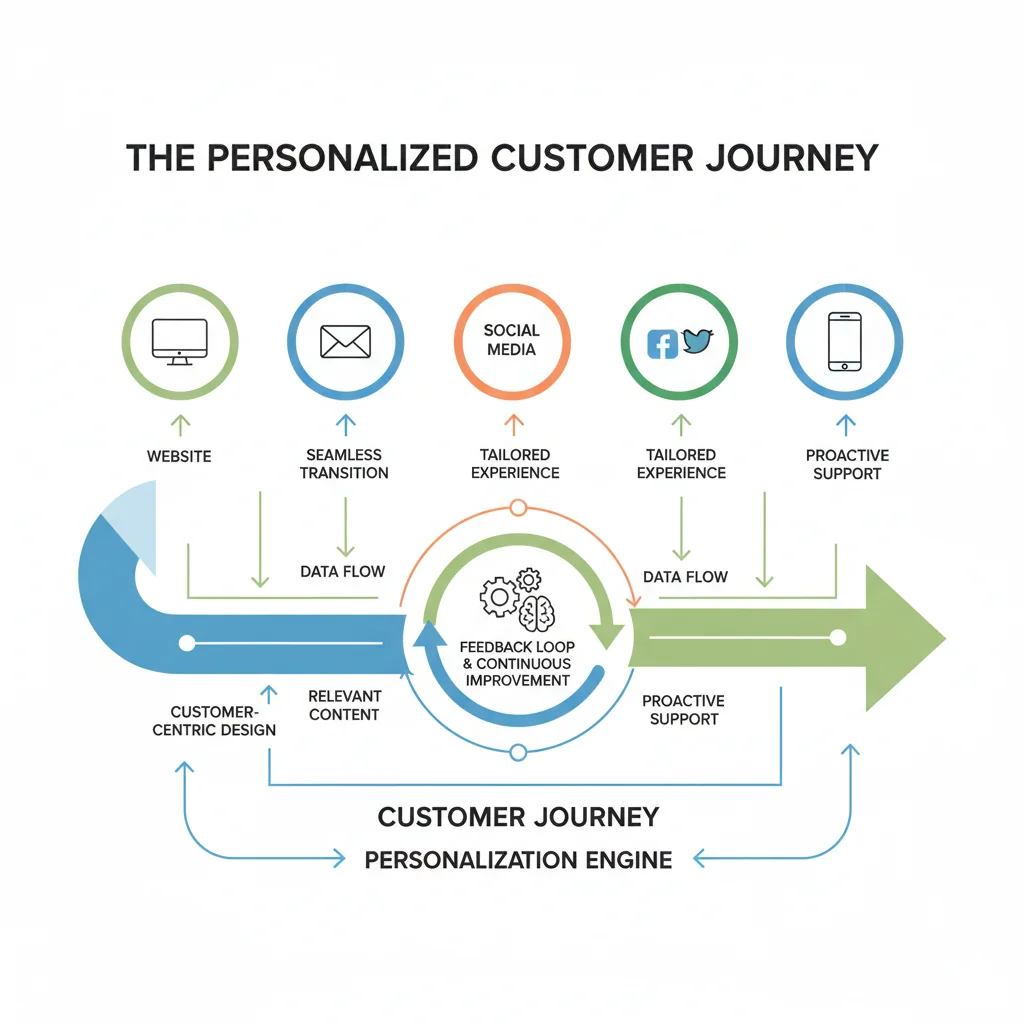
Customers interact with brands across multiple channels – website, email, mobile app, social media, in-store, customer service. Personalization must be consistent and seamless across all these touchpoints. An omnichannel strategy ensures that a customer’s experience is continuous and coherent, regardless of how they engage with your brand. For example, if a customer browses a product on your website, they should receive a personalized email follow-up or see a relevant ad on social media, rather than a generic message. This integrated approach significantly enhances the customer experience and reinforces the likelihood of personalization repeat purchases.
Tactical Strategies for Boosting Repeat Purchases by 12%
With the foundational pillars in place, let’s explore actionable strategies to drive that 12% increase in repeat purchases by March 2026.
1. Hyper-Personalized Product Recommendations
This is perhaps the most visible form of personalization. Leveraging AI, recommend products based on:
- Purchase History: ‘Customers who bought this also bought…’
- Browsing Behavior: ‘You might be interested in…’
- Complementary Items: ‘Complete your look with…’
- Popularity & Trends: ‘Trending now in your favorite category.’
- Real-time Context: Based on current session activity.
Implement these recommendations across your website (homepage, product pages, cart page), email marketing, and even mobile app notifications.
2. Dynamic Content Personalization
Beyond product recommendations, personalize the actual content customers see. This includes:
- Website Content: Displaying different hero banners, promotions, or articles based on user segments or past interactions.
- Email Marketing: Crafting subject lines, email body content, and call-to-actions that resonate with individual preferences and purchase stages.
- Landing Pages: Creating personalized landing pages for specific ad campaigns or customer segments.
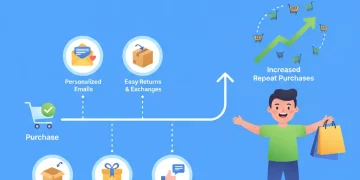
3. Personalized Email & SMS Campaigns
Email and SMS remain powerful channels for driving repeat purchases. Personalize these communications by:
- Welcome Series: Tailored onboarding for new customers based on their first purchase or sign-up source.
- Post-Purchase Follow-ups: Providing relevant product care tips, asking for reviews, or suggesting related items.
- Abandoned Cart Reminders: Personalized reminders with specific product details and perhaps a limited-time incentive.
- Replenishment Reminders: For consumable products, remind customers when they might be running low.
- Birthday/Anniversary Offers: Special discounts or gifts to celebrate customer milestones.
- Win-back Campaigns: Targeted offers for lapsed customers to re-engage them.
4. Loyalty Programs with Personalized Rewards
A well-designed loyalty program is a cornerstone of repeat purchases. Elevate it with personalization:
- Tiered Rewards: Offer different benefits based on customer value or engagement level.
- Personalized Offers: Instead of generic discounts, provide rewards for products or categories a customer frequently purchases or has shown interest in.
- Exclusive Access: Grant early access to new products or sales for top-tier loyal customers.
- Gamification: Introduce personalized challenges or badges to encourage specific behaviors that lead to repeat purchases.
5. Proactive Customer Service and Support
Personalization extends to how you support your customers. Use customer data to:
- Anticipate Needs: If a customer recently purchased a complex product, proactively offer support resources or tutorials.
- Personalized Self-Service: Offer a knowledge base or FAQ tailored to their past purchases or common issues.
- Contextual Support: When a customer contacts support, agents should have immediate access to their purchase history and previous interactions to provide more relevant and efficient assistance.
6. A/B Testing and Continuous Optimization
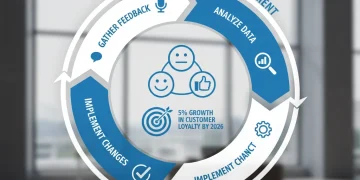
Personalization is not a set-it-and-forget-it strategy. To achieve and sustain a 12% increase in repeat purchases, continuous A/B testing and optimization are crucial. Test different personalization strategies, recommendation algorithms, content variations, and offer types. Analyze the results, learn what works best for different segments, and iterate. This data-driven approach ensures that your personalization efforts are always improving and adapting to evolving customer behaviors.
Technology Enablers for Personalization at Scale
Implementing these strategies effectively requires the right technology stack. Here are some essential tools and platforms:
Customer Data Platform (CDP)
As mentioned, a CDP is vital for unifying customer data from various sources into a single, comprehensive profile. This eliminates data silos and provides a 360-degree view of each customer, which is foundational for effective personalization. It allows for advanced segmentation and activation of data across different marketing and sales tools.
Marketing Automation Platforms (MAPs)
MAPs enable the automation of personalized email campaigns, SMS messages, and other communications based on predefined triggers and customer behaviors. They are crucial for delivering personalized content at the right time and through the right channel, scaling your personalization repeat purchases efforts without manual intervention.
Personalization Engines & AI Recommendation Systems
These specialized tools use AI and ML to deliver dynamic content, product recommendations, and real-time offers across your website, app, and other digital touchpoints. They learn from customer interactions and continually refine their personalization algorithms.
CRM Systems
While CDPs focus on unifying data, CRM systems manage customer relationships, sales processes, and service interactions. A well-integrated CRM with your CDP and personalization engine ensures that customer-facing teams have access to personalized insights, enabling them to provide better service and foster stronger relationships.
Analytics and Business Intelligence (BI) Tools
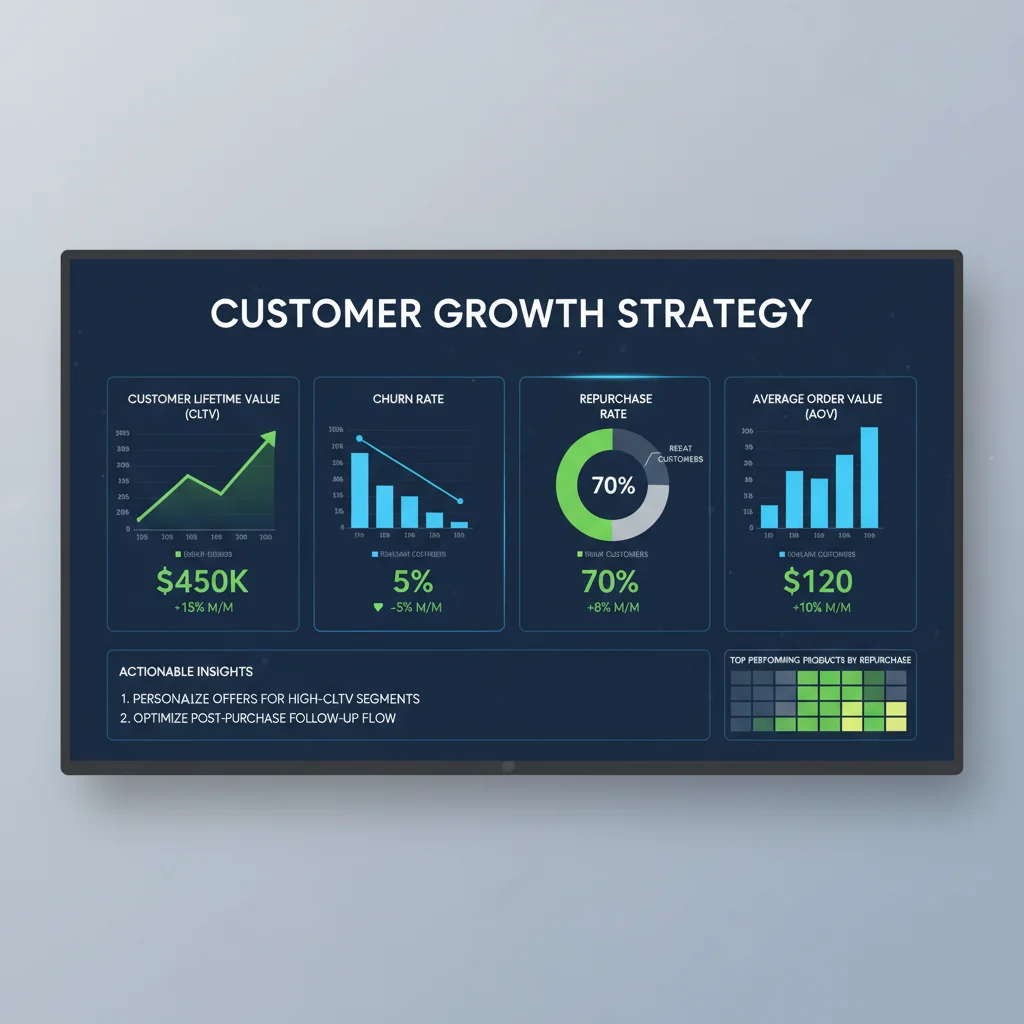
These tools are essential for measuring the effectiveness of your personalization initiatives. They help track key metrics like repeat purchase rate, customer lifetime value, conversion rates of personalized offers, and overall ROI. Continuous monitoring and analysis allow for informed adjustments and strategic pivots.
Measuring Success: KPIs for Repeat Purchase Growth by March 2026
To ensure we hit our 12% repeat purchase increase by March 2026, it’s critical to define and consistently monitor the right Key Performance Indicators (KPIs). These metrics will provide clear insights into the effectiveness of our personalization strategies and guide necessary adjustments.
1. Repeat Purchase Rate (RPR)
This is the primary metric. It measures the percentage of customers who have made more than one purchase from your brand within a specific period. Our goal is to see this figure increase by 12% by the target date. Tracking RPR over time will show direct progress towards the objective.
2. Customer Lifetime Value (CLTV)
A higher repeat purchase rate naturally leads to an increased CLTV. This metric represents the total revenue a business can reasonably expect from a single customer account over the course of their relationship. Personalization aims to extend this relationship and maximize its value.
3. Purchase Frequency
How often do customers buy? Personalization can encourage more frequent purchases by reminding customers of needs, offering timely replenishment options, or introducing new, relevant products.
4. Average Order Value (AOV) for Repeat Customers
Are personalized recommendations leading to customers spending more on subsequent purchases? Tracking AOV specifically for repeat customers can indicate the success of upsell and cross-sell personalization tactics.
5. Churn Rate
While focused on repeat purchases, reducing churn is equally important. Personalization helps keep customers engaged and satisfied, thereby lowering the rate at which they stop doing business with your brand.
6. Customer Retention Cost (CRC)
Measure the cost associated with retaining existing customers. While personalization requires investment, it should ultimately make retention efforts more efficient and cost-effective, improving your ROI.
7. Personalization Effectiveness Metrics
These are specific to your personalization efforts:
- Click-Through Rate (CTR) on Personalized Recommendations: How often do customers click on recommended products or content?
- Conversion Rate of Personalized Offers: What percentage of customers convert after receiving a personalized discount or promotion?
- Engagement Rates on Personalized Emails/SMS: Open rates, click rates, and conversion rates for personalized communications.
- Customer Satisfaction (CSAT) & Net Promoter Score (NPS): While not direct purchase metrics, these indicate overall customer sentiment, which strongly correlates with loyalty and repeat business.
Overcoming Challenges in Personalization at Scale
While the benefits are clear, implementing personalization at scale to achieve a 12% increase in repeat purchases by March 2026 comes with its challenges. Proactive planning can mitigate these hurdles.
Data Silos and Integration Complexity
Many organizations struggle with fragmented data across different systems. Investing in a robust CDP and ensuring seamless integration between all customer-facing platforms is paramount. This often requires cross-functional collaboration between IT, marketing, sales, and customer service teams.
Privacy Concerns and Trust
Customers are increasingly aware of data privacy. Brands must be transparent about data collection and usage, offering clear opt-in/opt-out options and demonstrating a commitment to protecting customer information. Building trust is non-negotiable for long-term loyalty and repeat business.
Technological Investment and Expertise
Implementing advanced personalization requires significant investment in technology and human capital. This includes licensing fees for platforms, data scientists, AI specialists, and marketing automation experts. Businesses need to assess their current capabilities and be prepared to invest in upskilling their teams or hiring external talent.
Maintaining Human Touch
While automation and AI are crucial for scale, it’s important not to lose the human touch. Personalization should enhance, not replace, genuine human interaction when needed. For complex issues or high-value customers, a human connection can solidify loyalty even further. The goal is intelligent automation that frees up human resources for more impactful, personalized interactions.
Organizational Alignment
Personalization is not just a marketing initiative; it’s a company-wide strategy. All departments, from product development to sales and customer service, need to be aligned on the customer-centric vision and understand their role in delivering personalized experiences. Breaking down departmental silos and fostering a culture of collaboration is essential.
The Roadmap to March 2026: A Phased Approach
Achieving a 12% increase in personalization repeat purchases by March 2026 will likely involve a phased approach:
Phase 1: Foundation (Current – Q1 2025)
- Audit Existing Data & Systems: Identify data sources, gaps, and current personalization capabilities.
- CDP Implementation/Optimization: Unify customer data into a single source of truth.
- Basic Segmentation: Establish core customer segments.
- Initial Personalization Pilots: Start with basic personalized email campaigns (e.g., welcome series, abandoned cart) and website recommendations.
- Team Training: Educate marketing, sales, and service teams on personalization principles and tools.
Phase 2: Expansion & Automation (Q2 2025 – Q4 2025)
- Advanced Segmentation: Implement micro-segmentation based on behavioral and predictive analytics.
- AI/ML Integration: Deploy AI-powered recommendation engines and predictive analytics for churn and purchase intent.
- Omnichannel Orchestration: Begin integrating personalization across more channels (web, app, email, SMS) for a seamless experience.
- Loyalty Program Enhancement: Introduce personalized rewards and tiered benefits.
- A/B Testing Framework: Establish a rigorous testing and optimization process.
Phase 3: Optimization & Innovation (Q1 2026 – March 2026 and Beyond)
- Real-time Personalization: Leverage real-time data for immediate, context-aware personalization.
- Predictive Customer Service: Use AI to proactively address potential customer issues.
- Voice & Conversational AI: Explore personalization in new interfaces like voice assistants and chatbots.
- Continuous Learning & Adaptation: Refine algorithms, explore new data sources, and adapt to evolving customer expectations and market trends.
- Refine KPI Tracking: Ensure all personalization efforts are clearly tied to repeat purchase metrics and ROI.
Conclusion: The Future of Repeat Purchases is Personal
The goal of achieving a 12% increase in repeat purchases by March 2026 is ambitious, yet entirely within reach for businesses committed to a customer-centric future. By embracing personalization repeat purchases at scale, leveraging robust data, advanced AI, and a strategic omnichannel approach, brands can cultivate deeper relationships, enhance customer loyalty, and unlock significant, sustainable growth. This isn’t just about making more sales; it’s about building a brand that truly understands and values its customers, transforming transactional interactions into enduring partnerships. The time to invest in intelligent personalization is now, paving the way for a more profitable and customer-loyal future.