Supply Chain Resilience: Mitigating 2026’s Projected 5% Increase in Shipping Delays for US E-commerce (PRACTICAL SOLUTIONS, FINANCIAL IMPACT)
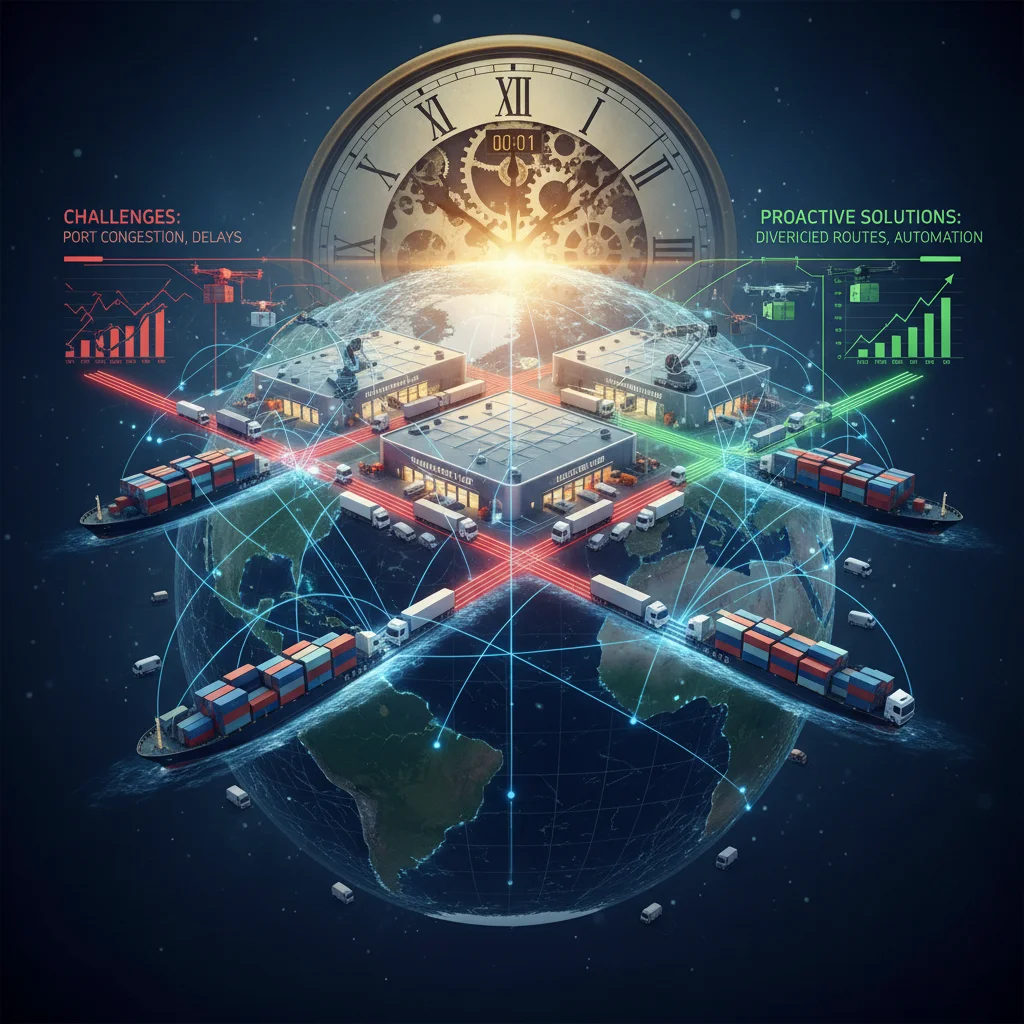
Supply Chain Resilience: Mitigating 2026’s Projected 5% Increase in Shipping Delays for US E-commerce (PRACTICAL SOLUTIONS, FINANCIAL IMPACT)
The landscape of global commerce is perpetually in flux, and for US e-commerce businesses, the horizon of 2026 brings a significant challenge: a projected 5% increase in shipping delays. This isn’t merely a statistical blip; it represents a tangible threat to profitability, customer satisfaction, and overall business continuity. Building robust Supply Chain Resilience is no longer a luxury but an absolute necessity. This comprehensive guide will delve into the intricacies of this projection, explore its multifaceted financial impact, and, most importantly, provide actionable, practical solutions to fortify your supply chain against future disruptions.
The past few years have served as a stark reminder of the fragility of global supply chains. From geopolitical tensions and natural disasters to pandemics and labor shortages, disruptions have become the new normal. While many businesses have adapted, the continuous evolution of these challenges demands a proactive and strategic approach. The anticipated 5% increase in shipping delays by 2026 is a signal that the pressure points within the logistics ecosystem are intensifying, requiring e-commerce businesses to elevate their Supply Chain Resilience strategies.
Understanding the root causes of these projected delays is the first step toward effective mitigation. Factors such as continued port congestion, evolving regulatory environments, increased fuel costs, labor availability issues, and the ever-growing demand for faster delivery speeds all contribute to this complex problem. For US e-commerce, which thrives on efficiency and customer expectations of rapid fulfillment, a 5% increase in delays can translate into significant operational hurdles and financial strain. Therefore, developing a robust framework for Supply Chain Resilience is paramount for sustained success.
Understanding the 2026 Shipping Delay Projection and its Implications
The projection of a 5% increase in shipping delays by 2026 for US e-commerce is not an arbitrary figure. It’s a data-driven forecast based on an analysis of current trends, historical patterns, and anticipated future challenges. This forecast considers several critical variables:
- Global Economic Volatility: Economic downturns or surges can dramatically affect consumer demand and production schedules, creating bottlenecks in shipping.
- Geopolitical Instability: Conflicts, trade wars, and political shifts can disrupt established shipping routes, impose new tariffs, and create uncertainty.
- Climate Change and Extreme Weather Events: Increasingly frequent and severe weather events (hurricanes, floods, droughts) can close ports, block transportation routes, and damage infrastructure, leading to significant delays.
- Labor Shortages: A persistent shortage of truck drivers, port workers, and warehouse staff continues to strain logistics operations, impacting transit times and processing speeds.
- Infrastructure Limitations: Aging infrastructure in some regions, coupled with insufficient investment in modernizing ports, roads, and rail networks, creates inherent inefficiencies.
- Increased E-commerce Demand: The relentless growth of e-commerce places immense pressure on existing logistics networks, often exceeding their capacity during peak seasons.
- Cybersecurity Threats: Attacks on logistics systems, shipping companies, or port operations can halt operations, causing widespread delays and financial losses.
For US e-commerce businesses, these implications are far-reaching. A 5% increase in delays means:
- Erosion of Customer Trust: Delayed deliveries directly impact customer satisfaction, leading to negative reviews, reduced repeat purchases, and brand damage.
- Increased Operational Costs: Expedited shipping to compensate for delays, increased warehousing costs due to longer transit times, and potential penalties for missed delivery windows all add up.
- Inventory Management Challenges: Unpredictable shipping schedules make accurate inventory forecasting difficult, potentially leading to stockouts or overstocking.
- Lost Sales Opportunities: Customers might abandon carts or choose competitors offering faster, more reliable delivery.
- Supply Chain Complexity: Managing a supply chain with higher variability in transit times requires more resources, complex planning, and sophisticated tracking systems.
The imperative to build Supply Chain Resilience is clear. Businesses must move beyond reactive problem-solving to proactive risk management and strategic planning. This involves a holistic approach that considers every link in the supply chain, from sourcing raw materials to last-mile delivery.
The Financial Impact of Shipping Delays on US E-commerce
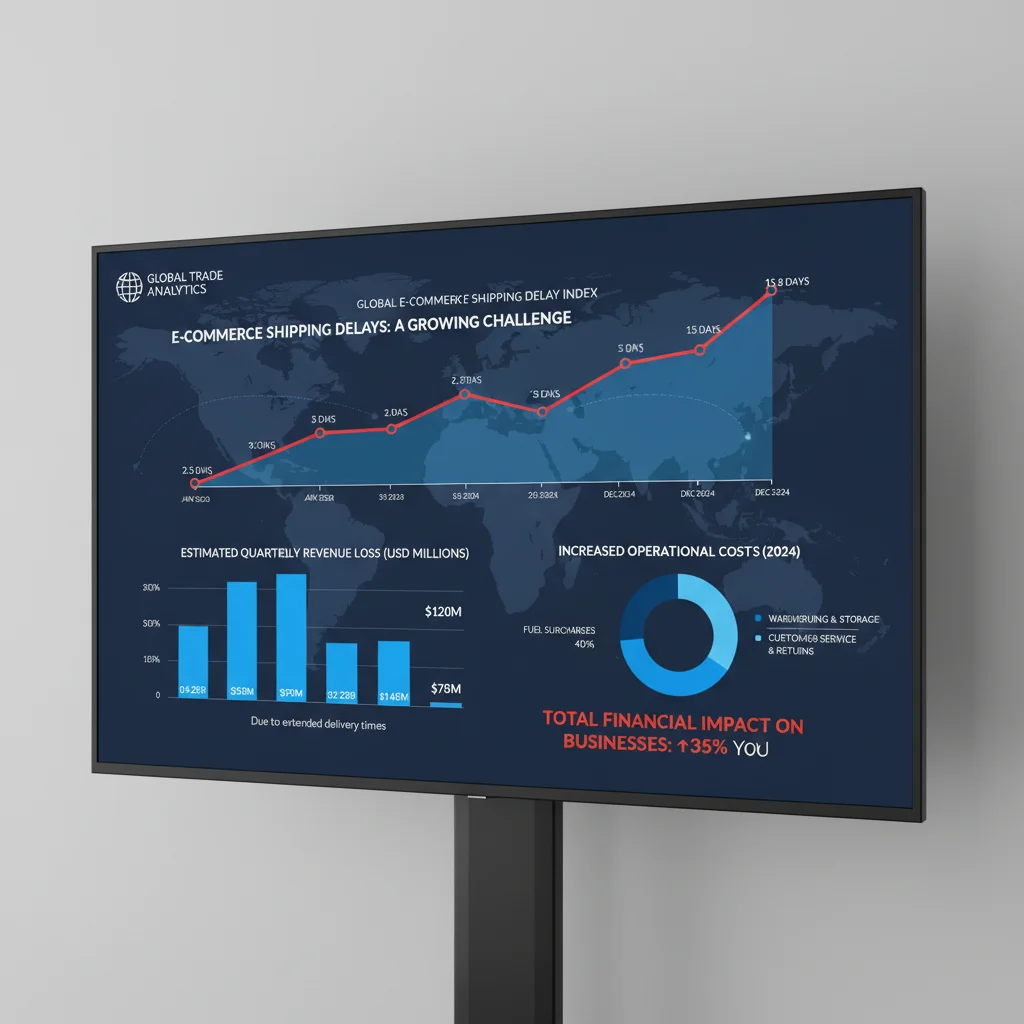
The financial ramifications of a 5% increase in shipping delays are substantial and can cascade throughout an e-commerce business. Quantifying this impact is crucial for justifying investments in Supply Chain Resilience strategies.
Direct Costs:
- Expedited Shipping Fees: When standard shipping is delayed, businesses often resort to more expensive express services to meet customer expectations or contractual obligations.
- Increased Storage and Demurrage Charges: Goods stuck at ports or warehouses due to delays incur additional storage fees and demurrage charges, especially for international shipments.
- Labor Costs: Increased administrative effort to track delayed shipments, communicate with customers, and rearrange logistics adds to labor overhead.
- Rework and Returns: Dissatisfied customers are more likely to return products, incurring reverse logistics costs. In some cases, products might need to be repackaged or re-shipped.
- Loss of Perishable Goods: For e-commerce businesses dealing with time-sensitive or perishable products, delays can lead to spoilage and complete loss of inventory.
Indirect Costs:
- Lost Sales and Revenue: The most significant indirect cost. Customers who experience delays may cancel orders, choose competitors for future purchases, or simply abandon their shopping carts. This directly impacts top-line revenue.
- Brand Damage and Reputation Loss: Negative customer experiences due to delays can lead to poor reviews, social media backlash, and a general erosion of brand trust, which is difficult and expensive to rebuild.
- Reduced Customer Lifetime Value (CLTV): A single negative experience can deter a customer from making future purchases, significantly lowering their CLTV.
- Inventory Holding Costs: While delays can lead to stockouts, they can also contribute to increased holding costs if inventory arrives unexpectedly early or if buffer stock is excessively maintained to prevent future stockouts.
- Opportunity Costs: Resources (time, money, personnel) diverted to managing delays could otherwise be used for growth initiatives, product development, or marketing.
- Supplier Relationship Strain: Delays can impact relationships with suppliers if payment terms are tied to delivery, or if components for manufacturing are held up.
Consider an e-commerce business with an average order value of $100 and a 5% profit margin. If 1,000 orders are delayed each month, leading to a 10% cancellation rate, that’s 100 lost sales, equating to $10,000 in lost revenue. Factoring in expedited shipping, customer service costs, and potential brand damage, the total financial impact can quickly escalate into hundreds of thousands, or even millions, annually for larger operations. This makes a strong case for investing in Supply Chain Resilience proactively.
Practical Solutions for Building Supply Chain Resilience
Building Supply Chain Resilience requires a multi-pronged approach, integrating technology, strategic partnerships, and proactive risk management. Here are practical solutions that US e-commerce businesses can implement to mitigate the projected 2026 shipping delays:
1. Diversify Your Supplier and Carrier Base
- Multiple Sourcing: Relying on a single supplier or geographic region for critical components or products is a significant vulnerability. Diversify your supplier base across different regions and even countries to reduce dependence and mitigate risks associated with localized disruptions.
- Multi-Carrier Strategy: Don’t put all your eggs in one basket when it comes to shipping. Partner with multiple carriers (e.g., FedEx, UPS, USPS, regional carriers) for different routes, package sizes, or service levels. This provides flexibility and backup options if one carrier experiences issues.
2. Enhance Visibility and Real-time Tracking
- End-to-End Visibility Platforms: Invest in supply chain visibility software that provides real-time tracking of inventory, shipments, and orders across the entire network. This allows businesses to identify potential delays early and take corrective action.
- Predictive Analytics: Utilize AI and machine learning to analyze historical data and current trends to predict potential disruptions before they occur. This can help in rerouting shipments, adjusting inventory levels, or preemptively communicating with customers.
- IoT Devices: Implement Internet of Things (IoT) sensors on shipments to monitor conditions like temperature, humidity, and location, providing critical data for sensitive goods and improving traceability.
3. Optimize Inventory Management
- Strategic Buffer Stock: While excessive inventory can be costly, maintaining strategic buffer stock for high-demand or critical products can cushion the impact of unexpected delays. This requires careful analysis to balance carrying costs with the risk of stockouts.
- Distributed Inventory: Store inventory in multiple fulfillment centers or warehouses closer to your customer base. This reduces transit times, offers alternative shipping origins, and minimizes the impact of disruptions in a single location.
- Just-in-Case (JIC) vs. Just-in-Time (JIT): Re-evaluate your inventory philosophy. While JIT minimizes holding costs, JIC (Just-in-Case) might be more appropriate for building Supply Chain Resilience in an unpredictable environment, particularly for critical items.
4. Strengthen Carrier Relationships and Agreements
- Preferred Carrier Programs: Develop strong, long-term relationships with key carriers. This can lead to better service agreements, dedicated support, and preferential treatment during times of high demand or disruption.
- Service Level Agreements (SLAs): Negotiate clear and robust SLAs with carriers that include clauses for delay penalties, alternative routing options, and transparency requirements.
- Communication Protocols: Establish clear communication channels and protocols with your carriers for immediate notification of potential delays and collaborative problem-solving.
5. Invest in Technology and Automation
- Warehouse Automation: Automate warehouse operations (e.g., robotic picking, automated guided vehicles) to increase efficiency, reduce reliance on manual labor, and speed up order fulfillment.
- Transportation Management Systems (TMS): A robust TMS can optimize routing, select the best carriers, manage freight costs, and provide real-time tracking, all contributing to better Supply Chain Resilience.
- Order Management Systems (OMS): An integrated OMS helps manage orders across multiple channels, streamline fulfillment processes, and provide a single source of truth for order status.

6. Develop Robust Risk Management and Contingency Plans
- Scenario Planning: Conduct regular scenario planning exercises to identify potential disruption points and develop pre-defined responses. What if a major port closes? What if a key supplier goes out of business?
- Business Continuity Plans (BCP): Create comprehensive BCPs that outline steps to maintain critical operations during and after a significant supply chain disruption. This includes communication plans, alternative logistics providers, and emergency inventory strategies.
- Cybersecurity Measures: Protect your digital supply chain from cyber threats. Implement strong cybersecurity protocols to prevent data breaches or system outages that could halt operations.
7. Improve Customer Communication and Transparency
- Proactive Updates: If delays are inevitable, proactively communicate with customers. Provide clear, honest updates on the status of their orders and estimated new delivery times.
- Self-Service Tracking: Offer easy-to-use self-service tracking portals where customers can check the status of their orders without needing to contact customer support.
- Set Realistic Expectations: Be transparent about shipping times, especially during peak seasons or when delays are anticipated. Under-promising and over-delivering is always better than the reverse.
8. Explore Nearshoring and Reshoring Options
- Geographic Proximity: Evaluate the feasibility of nearshoring (sourcing from neighboring countries) or reshoring (bringing manufacturing back to the US). While potentially increasing production costs, this can significantly reduce transit times, shipping costs, and exposure to geopolitical risks, thereby enhancing Supply Chain Resilience.
- Regional Hubs: Establish regional manufacturing or distribution hubs to serve specific markets, reducing reliance on long-distance international shipping.
9. Foster Collaboration Across the Supply Chain
- Information Sharing: Encourage open communication and data sharing with all partners in your supply chain – suppliers, manufacturers, carriers, and 3PLs. This collective visibility is crucial for coordinated responses to disruptions.
- Joint Planning: Engage in joint planning sessions with key partners to anticipate challenges, align strategies, and develop shared contingency plans.
Measuring the Effectiveness of Supply Chain Resilience Initiatives
Implementing these solutions is only half the battle; measuring their effectiveness is equally important. Key performance indicators (KPIs) should be established to track progress in building Supply Chain Resilience:
- On-Time Delivery Rate: The percentage of orders delivered within the promised timeframe.
- Lead Time Variability: The consistency of delivery times, aiming for lower variability.
- Order Fulfillment Cycle Time: The total time from order placement to delivery.
- Inventory Turn Over: How quickly inventory is sold and replaced, indicating efficient stock management.
- Cost Per Shipment: Monitoring shipping costs to ensure efficiency and identify areas for optimization.
- Customer Satisfaction (CSAT) Scores: Directly reflects the impact of delivery performance on customers.
- Supplier Performance: Evaluating the reliability and responsiveness of your suppliers.
- Disruption Recovery Time: How quickly your supply chain can return to normal operations after a disruption.
Regularly reviewing these KPIs will provide insights into which Supply Chain Resilience strategies are most effective and where further adjustments are needed. This continuous improvement cycle is vital for maintaining an agile and responsive supply chain.
The Future of E-commerce Logistics: A Resilient Path Forward
The projected 5% increase in shipping delays by 2026 for US e-commerce is a wake-up call, but it’s also an opportunity. It forces businesses to re-evaluate their current logistics strategies and invest in building truly robust Supply Chain Resilience. The businesses that embrace these challenges with proactive planning and innovative solutions will not only survive but thrive in the evolving global marketplace.
By diversifying suppliers and carriers, enhancing visibility through technology, optimizing inventory, strengthening partnerships, and developing comprehensive risk management plans, e-commerce businesses can transform potential vulnerabilities into competitive advantages. The financial impact of ignoring these projections is too great to disregard. Instead, by strategically investing in Supply Chain Resilience, businesses can safeguard their profits, protect their brand reputation, and continue to deliver exceptional customer experiences, even in the face of increasing disruptions.
The path to 2026 and beyond for US e-commerce will undoubtedly be marked by continued change and complexity. However, with a steadfast commitment to building and maintaining a resilient supply chain, businesses can navigate these challenges with confidence, ensuring uninterrupted growth and sustained success.