Decoding Gen Z’s Digital Spending Habits: A 2026 US Market Deep Dive
Decoding Gen Z’s Digital Spending Habits: A 2026 US Market Deep Dive
The consumer landscape is in constant flux, but few demographics have reshaped it as profoundly as Generation Z. Born roughly between 1997 and 2012, this cohort represents the first true digital natives, never knowing a world without the internet or smartphones. Their unique relationship with technology, social media, and authenticity is not merely influencing current market trends; it’s defining the future of commerce, especially in the digital realm. As we approach 2026, understanding Gen Z’s digital spending habits in the US is no longer optional for businesses seeking sustained growth; it’s an imperative. This deep dive will explore the nuances of their online behavior, purchasing drivers, preferred platforms, and what businesses need to know to capture their attention and their wallets.
The Digital Native Advantage: How Gen Z Grew Up Online
To truly grasp Gen Z’s digital spending habits, we must first acknowledge their upbringing. Unlike previous generations who adopted digital tools, Gen Z was born into a fully connected world. This isn’t just about familiarity; it’s about an innate understanding and expectation of digital convenience, instant gratification, and personalized experiences. From a young age, they’ve been exposed to e-commerce, social media, and digital content, shaping their consumer journey from discovery to purchase.
Their digital fluency means they are adept at navigating various online platforms, discerning authentic content from advertising, and utilizing technology to enhance their lives. This translates into a sophisticated approach to online shopping. They don’t just buy products; they buy into brands and experiences that resonate with their values. This foundational understanding is critical for any business aiming to engage with Gen Z effectively.
Key Drivers of Gen Z Digital Spending in 2026
Several factors uniquely influence Gen Z’s digital spending habits. These are not static but evolve with technological advancements and societal shifts. By 2026, these drivers will be even more pronounced:
1. Authenticity and Values-Driven Consumption
Gen Z is highly attuned to authenticity. They value brands that are transparent, ethical, and align with their personal values, such as sustainability, social justice, and inclusivity. This isn’t just about lip service; they actively research brands’ practices and will quickly disengage from those perceived as inauthentic or exploitative. Digital platforms make this research easier than ever, with reviews, social media discussions, and independent analyses readily available. Businesses must demonstrate genuine commitment to their stated values, not just through marketing campaigns, but through their entire supply chain and corporate culture. This focus on values directly impacts their digital spending, as they are willing to pay a premium for products from brands they trust and admire.
2. Social Commerce and Influencer Impact
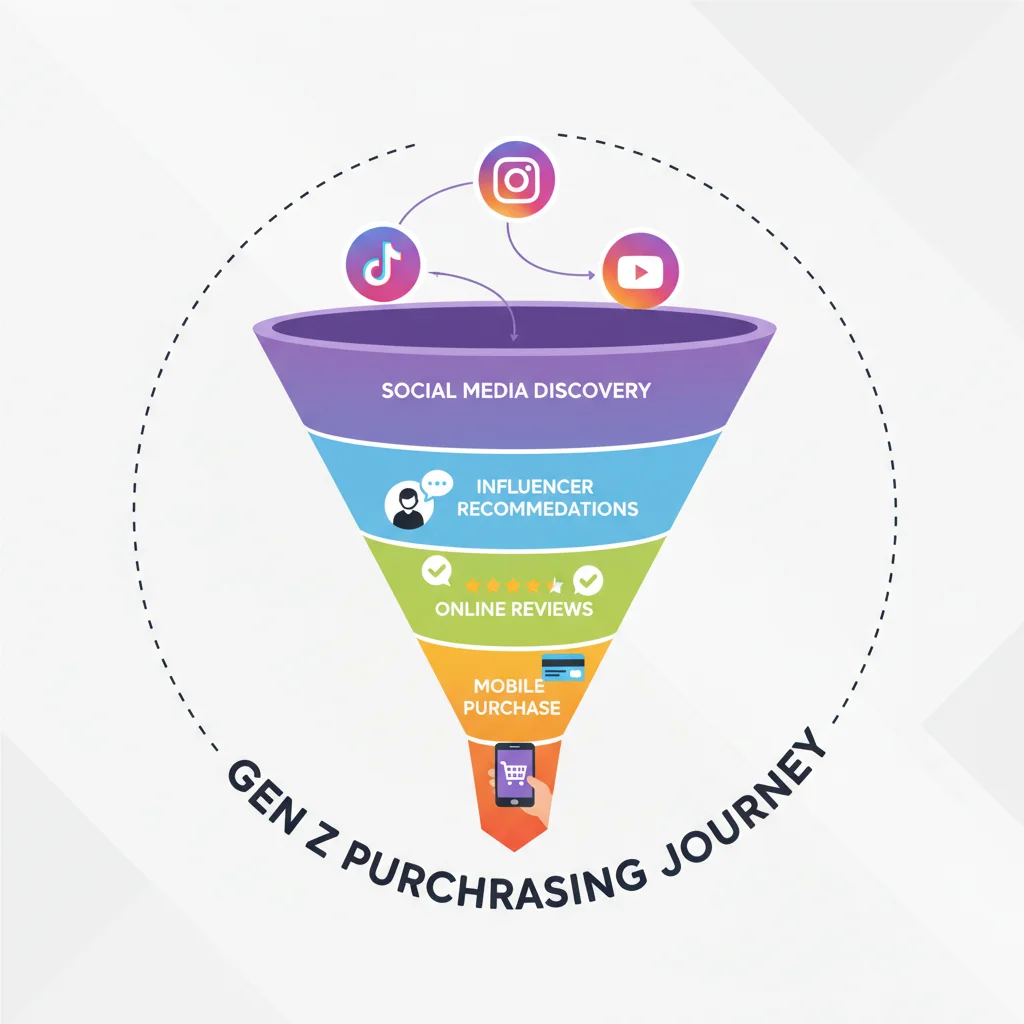
Social media isn’t just for connecting; it’s a primary shopping channel for Gen Z. Platforms like TikTok, Instagram, and YouTube are not only discovery engines but also direct avenues for purchase. Social commerce, where products are bought directly within social media apps, is projected to surge. Influencers play a colossal role here. Gen Z trusts recommendations from creators they follow, often more than traditional advertising. These aren’t always mega-influencers; micro and nano-influencers with highly engaged niche audiences can be incredibly effective. By 2026, the integration of shopping features within social media will be seamless, blurring the lines between content consumption and retail therapy. Understanding the intricate dynamics of social commerce and leveraging authentic influencer partnerships are paramount to capturing Gen Z’s digital spending.
3. Personalized Experiences and Hyper-Targeting
Having grown up with algorithms curating their digital lives, Gen Z expects personalized experiences. They anticipate recommendations tailored to their preferences, customized product offerings, and marketing messages that speak directly to them. Generic advertising falls flat. Data privacy is also a concern, but they are often willing to share data if it leads to a genuinely enhanced and personalized experience. Businesses leveraging AI and machine learning to understand individual Gen Z preferences and deliver hyper-targeted content and product suggestions will have a significant advantage. This personalization extends beyond products to the entire customer journey, from website design to post-purchase support.
4. Mobile-First Everything
For Gen Z, the smartphone is their primary device for almost all digital activities, including shopping. Any digital touchpoint, from browsing to checkout, must be optimized for mobile. Slow loading times, clunky interfaces, or non-responsive designs are immediate deterrents. Mobile payment options, one-click purchases, and seamless app experiences are not luxuries; they are expectations. Businesses neglecting their mobile presence will inevitably lose out on a significant share of Gen Z’s digital spending. This mobile-first mindset also influences how they discover products, often through short-form video content and quick scrolls.
5. Experiential Purchases and Digital Goods
While physical products remain important, Gen Z also places a high value on experiences. This translates into digital spending on things like online courses, streaming subscriptions, gaming content (in-game purchases, skins, virtual items), and even virtual events. As the metaverse evolves, spending on digital assets and virtual real estate is likely to become a more significant component of their overall digital expenditure. Brands that can offer unique digital experiences or integrate their products into virtual worlds will tap into a growing segment of Gen Z’s digital spending.
Where Gen Z is Spending: Platforms and Categories
Understanding the ‘why’ is crucial, but knowing the ‘where’ and ‘what’ is equally important for targeting Gen Z’s digital spending. By 2026, specific platforms and product categories will dominate their online wallets.
E-commerce Giants vs. Niche Marketplaces
While Amazon remains a dominant force due to its convenience and speed, Gen Z also actively seeks out niche marketplaces and direct-to-consumer (DTC) brands that align with their values. They are willing to explore beyond the mainstream to find unique, sustainable, or ethically produced items. Platforms like Etsy for handmade goods, Depop for second-hand fashion, and specialized online stores for specific interests will continue to thrive among this demographic. The key is often discovery through social media or peer recommendations rather than traditional search engine marketing alone.
Fashion and Beauty
Fashion and beauty are consistently high-spending categories for Gen Z. Their digital spending in this area is heavily influenced by trends seen on TikTok and Instagram, often driven by micro-trends and individual style. Fast fashion, while still present, faces increasing scrutiny regarding sustainability, leading many Gen Z consumers to explore thrift stores, resale platforms, and brands with transparent ethical practices. Personalized beauty recommendations, often powered by AI-driven quizzes or virtual try-on tools, also drive significant online purchases.
Technology and Gadgets
As digital natives, Gen Z is always on the lookout for the latest technology. Smartphones, accessories, gaming consoles, and smart home devices are popular purchases. Their digital spending extends to subscriptions for apps, cloud services, and entertainment platforms that enhance their digital lifestyle. They are early adopters of new gadgets and are quick to upgrade, driven by both utility and social status.
Food and Beverage Delivery
Convenience is a major factor, and food and beverage delivery services have become ingrained in Gen Z’s lifestyle. Their digital spending on meal kits, restaurant delivery, and grocery delivery continues to grow, especially in urban areas. This trend is driven by busy schedules, a desire for variety, and the ease of ordering through apps. Subscriptions for coffee, snacks, or curated food boxes also appeal to their desire for personalized and convenient consumption.
Entertainment and Digital Content
From streaming services (video, music, podcasts) to online gaming and digital books, Gen Z’s digital spending on entertainment is substantial. They are accustomed to subscription models and often juggle multiple services. In-game purchases, battle passes, and virtual currency are major revenue streams within the gaming industry, heavily supported by Gen Z. Live streaming events, virtual concerts, and online classes also fall under this broad category, reflecting their preference for accessible and personalized entertainment.
Navigating the Gen Z Digital Spending Landscape: Strategies for Businesses
To successfully engage with Gen Z and capture their digital spending by 2026, businesses need to adopt forward-thinking strategies:
1. Master Social Commerce and Influencer Marketing
Invest heavily in developing a robust social commerce strategy. This means not just having a presence on social media but integrating shopping functionalities, running shoppable ads, and experimenting with live shopping events. Cultivate genuine relationships with micro and nano-influencers who align with your brand’s values and have authentic connections with their audiences. Remember, authenticity trumps reach.
2. Prioritize Mobile-First Design and Experience
Every aspect of your digital presence, from your website to your email campaigns, must be flawlessly optimized for mobile. Ensure fast loading times, intuitive navigation, and simplified checkout processes. Implement mobile payment options like Apple Pay, Google Pay, and other popular digital wallets to reduce friction.
3. Embrace Personalization and Data-Driven Insights
Utilize data analytics to understand individual Gen Z preferences and behaviors. Implement AI-powered recommendation engines on your website and in your marketing communications. Offer customizable products or bundles. While respecting data privacy, leverage insights to create truly personalized shopping journeys that resonate with each customer.
4. Be Authentic and Values-Driven
Gen Z scrutinizes brand ethics. Clearly articulate your brand’s values and demonstrate your commitment through actions, not just words. Highlight sustainable practices, ethical sourcing, and social responsibility. Engage in transparent communication and be prepared to respond honestly to feedback, both positive and negative.
5. Create Engaging and Interactive Content
Static images and long-form text are less effective for Gen Z. Focus on creating short-form video content, interactive quizzes, polls, and augmented reality (AR) experiences (e.g., virtual try-ons). These immersive experiences not only entertain but also help Gen Z visualize products and make informed purchasing decisions.
6. Explore New Digital Frontiers: Metaverse and Web3
While still nascent, the metaverse and Web3 technologies are on Gen Z’s radar. Begin experimenting with NFTs for loyalty programs, creating virtual brand experiences, or developing digital products that can exist in virtual worlds. Early adoption and exploration in these spaces can position your brand as innovative and forward-thinking, appealing to this tech-savvy generation.

Challenges and Considerations
While the opportunities are vast, businesses must also be aware of potential challenges when targeting Gen Z’s digital spending:
Attention Span and Content Saturation
Gen Z has grown up in an environment of information overload, leading to shorter attention spans. Brands must create highly engaging, concise content that captures attention quickly and delivers value. Standing out in a saturated digital landscape requires creativity and a deep understanding of platform algorithms.
Financial Literacy and Economic Realities
Many Gen Z individuals are still in school or early in their careers, meaning their disposable income may be more limited than older generations. Value for money, discounts, and flexible payment options (like ‘buy now, pay later’ services, which are popular but also raise concerns about financial literacy) are important considerations. Brands need to balance aspirational marketing with realistic pricing and payment solutions.
Privacy Concerns and Data Security
While Gen Z values personalization, they are also increasingly aware of data privacy issues. Brands must be transparent about data collection and usage, and prioritize robust security measures. A breach of trust can quickly lead to disengagement and a tarnished reputation.
The Ever-Evolving Digital Landscape
The digital world changes at a blistering pace. Trends, platforms, and technologies can emerge and fade quickly. Businesses must remain agile, continuously monitor emerging trends, and be willing to adapt their strategies rapidly to stay relevant to Gen Z’s digital spending habits.
The Future is Now: Preparing for 2026 and Beyond
Gen Z’s digital spending habits are not just a passing trend; they are a fundamental shift in consumer behavior that will shape the market for decades to come. By 2026, this generation will wield even greater economic power, making their preferences and expectations critical for any brand’s success. Businesses that embrace authenticity, leverage social commerce, prioritize mobile experiences, and commit to personalization will be best positioned to thrive.
The brands that win with Gen Z will be those that don’t just sell products, but build communities, share values, and offer seamless, engaging digital experiences. This requires more than just a digital presence; it demands a digital-first mindset deeply embedded in the core of the business strategy. By understanding and adapting to Gen Z’s unique relationship with the digital world, businesses can unlock immense growth opportunities and forge lasting connections with this powerful generation of consumers.
The journey to capture Gen Z’s digital spending is continuous, requiring constant learning, adaptation, and innovation. The insights gleaned from their current behaviors provide a roadmap, but the ultimate success will lie in a brand’s ability to remain agile, authentic, and truly connected in an ever-evolving digital ecosystem.