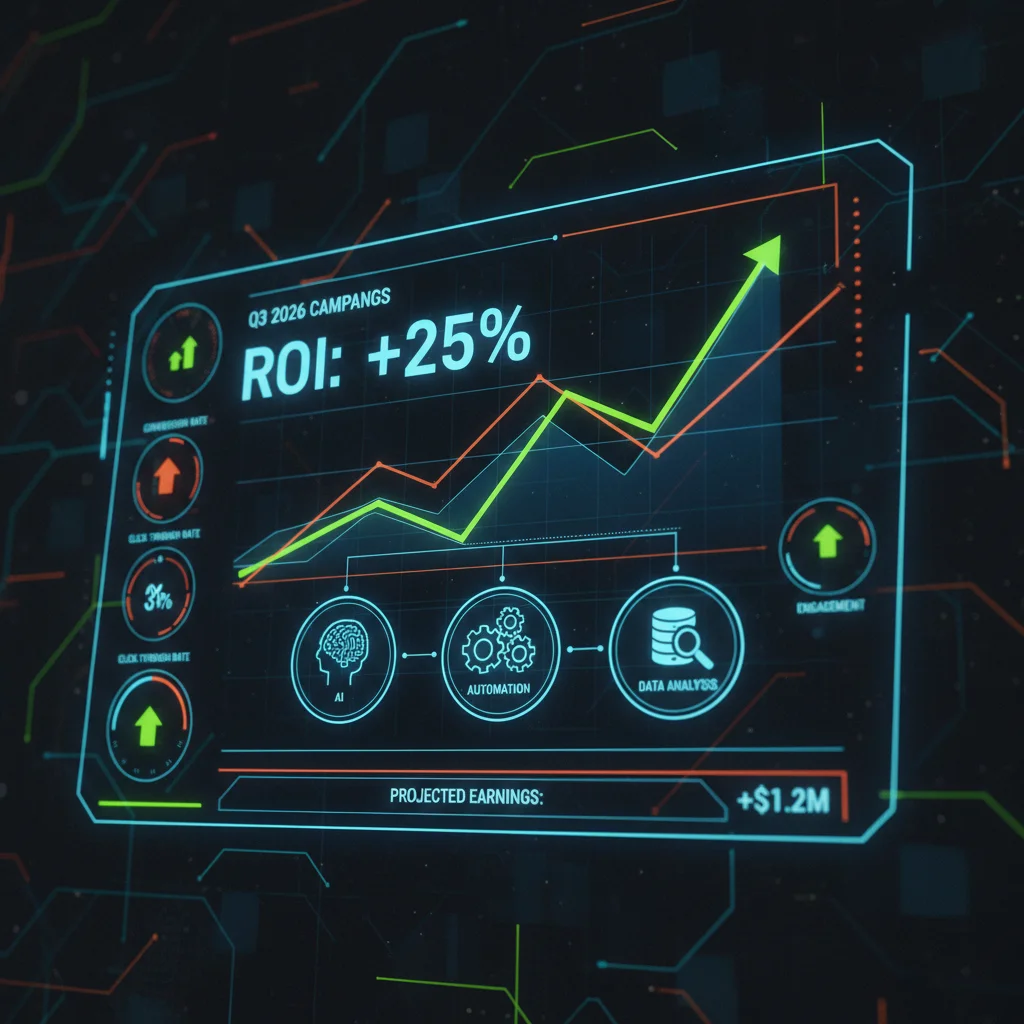
Leveraging New Marketing Automation Tools for a 25% Higher ROI in Your Q3 2026 Campaigns
In the fiercely competitive digital landscape of today, achieving a significant return on investment (ROI) from marketing campaigns is not just desirable, it’s essential for sustainable growth. As we approach Q3 2026, the imperative to optimize every marketing dollar spent becomes even more critical. This is where advanced marketing automation ROI strategies come into play. By strategically deploying cutting-edge automation tools, businesses can streamline operations, enhance personalization, and make data-driven decisions that can realistically lead to a 25% or even higher increase in ROI for their Q3 campaigns. This comprehensive guide will delve into the transformative power of new marketing automation tools, outlining actionable strategies to maximize your returns.
The promise of marketing automation is not new, but the capabilities of these tools are evolving at an unprecedented pace. What was once considered a luxury is now a necessity for any business aiming to stay relevant and competitive. From AI-powered content generation and predictive analytics to hyper-personalization at scale, the modern marketing automation suite offers a toolkit that can revolutionize how you engage with your audience and manage your campaigns. Our focus here is on how to harness these advancements specifically for your Q3 2026 objectives, ensuring that your investment in these technologies translates directly into measurable financial gains.
Before we dive into the specifics, let’s understand the core concept: marketing automation ROI. It’s not just about saving time; it’s about making smarter, more efficient marketing decisions that directly impact your bottom line. Automation allows marketers to execute complex strategies with precision, nurturing leads through personalized journeys, optimizing ad spend in real-time, and identifying high-value customer segments with unparalleled accuracy. The goal for Q3 2026 is ambitious – a 25% increase in ROI – but entirely achievable with the right strategy and the right tools.
Understanding the Modern Marketing Automation Landscape for Q3 2026
The marketing automation landscape has matured significantly. Gone are the days of simple email schedulers. Today’s platforms integrate seamlessly across various channels – email, social media, CRM, advertising, and even customer service. They are powered by artificial intelligence (AI) and machine learning (ML), offering capabilities that were once the stuff of science fiction. For Q3 2026, understanding these advancements is crucial to unlocking their full potential for your marketing automation ROI.
AI-Powered Personalization and Predictive Analytics
One of the most impactful developments is the integration of AI for hyper-personalization. Modern automation tools can analyze vast amounts of customer data – browsing history, purchase patterns, demographic information, and even emotional sentiment – to deliver highly relevant content and offers. This level of personalization moves beyond basic segmentation, creating truly unique customer experiences that resonate deeply and drive conversions. Predictive analytics, another AI marvel, allows marketers to forecast future customer behavior, identify potential churn risks, and pinpoint opportunities for upselling and cross-selling, all before they even happen. This proactive approach is a game-changer for maximizing your marketing automation ROI.
Cross-Channel Orchestration and Unified Customer Profiles
Effective marketing in 2026 demands a unified view of the customer across all touchpoints. New automation tools excel at cross-channel orchestration, ensuring a consistent and coherent brand message whether a customer interacts via email, social media, a chatbot, or your website. This is facilitated by the creation of unified customer profiles, which consolidate all available data into a single, comprehensive record. This holistic view enables marketers to craft sophisticated customer journeys that adapt in real-time to individual actions and preferences, significantly boosting engagement and, consequently, marketing automation ROI.
Advanced Lead Scoring and Nurturing
Identifying and nurturing high-quality leads is fundamental to sales success. Modern marketing automation platforms offer sophisticated lead scoring models that go beyond simple demographic data. They can analyze engagement levels, content consumption, website activity, and even social media interactions to assign a dynamic score to each lead. This allows sales teams to prioritize their efforts on the most promising prospects, dramatically improving conversion rates. Automated nurturing sequences, tailored to each lead’s score and stage in the buying journey, ensure that no valuable lead falls through the cracks, directly contributing to a higher marketing automation ROI.
Strategic Implementation for a 25% Higher ROI in Q3 2026
Achieving a 25% higher ROI isn’t about simply adopting new tools; it’s about strategically implementing them. Here’s how to build a robust framework for your Q3 2026 campaigns.
1. Define Clear, Measurable Goals and KPIs
Before you even select a tool, define what a 25% higher ROI looks like for your specific business. Is it a 25% increase in lead-to-customer conversion rate? A 25% reduction in customer acquisition cost? Or a 25% increase in average customer lifetime value? Establish clear, quantifiable Key Performance Indicators (KPIs) that directly link to your ROI objectives. These metrics will serve as your compass, guiding your automation efforts and allowing for precise measurement of your marketing automation ROI.
2. Conduct a Thorough Audit of Existing Processes
Identify bottlenecks, manual tasks, and inefficiencies in your current marketing and sales processes. Where is time being wasted? Where are leads being lost? Where is personalization lacking? A detailed audit will reveal the areas where marketing automation can have the most significant impact, providing a clear roadmap for your implementation strategy. This foundational step is critical for maximizing the potential for a higher marketing automation ROI.
3. Invest in the Right Marketing Automation Platform
The market is saturated with marketing automation platforms, each with its unique strengths. For Q3 2026, look for platforms that offer robust AI and ML capabilities, seamless CRM integration, cross-channel functionality, advanced analytics, and a user-friendly interface. Consider scalability – will the platform grow with your business? Evaluate vendors based on their support, training resources, and track record. The right platform is the cornerstone of achieving your marketing automation ROI goals.
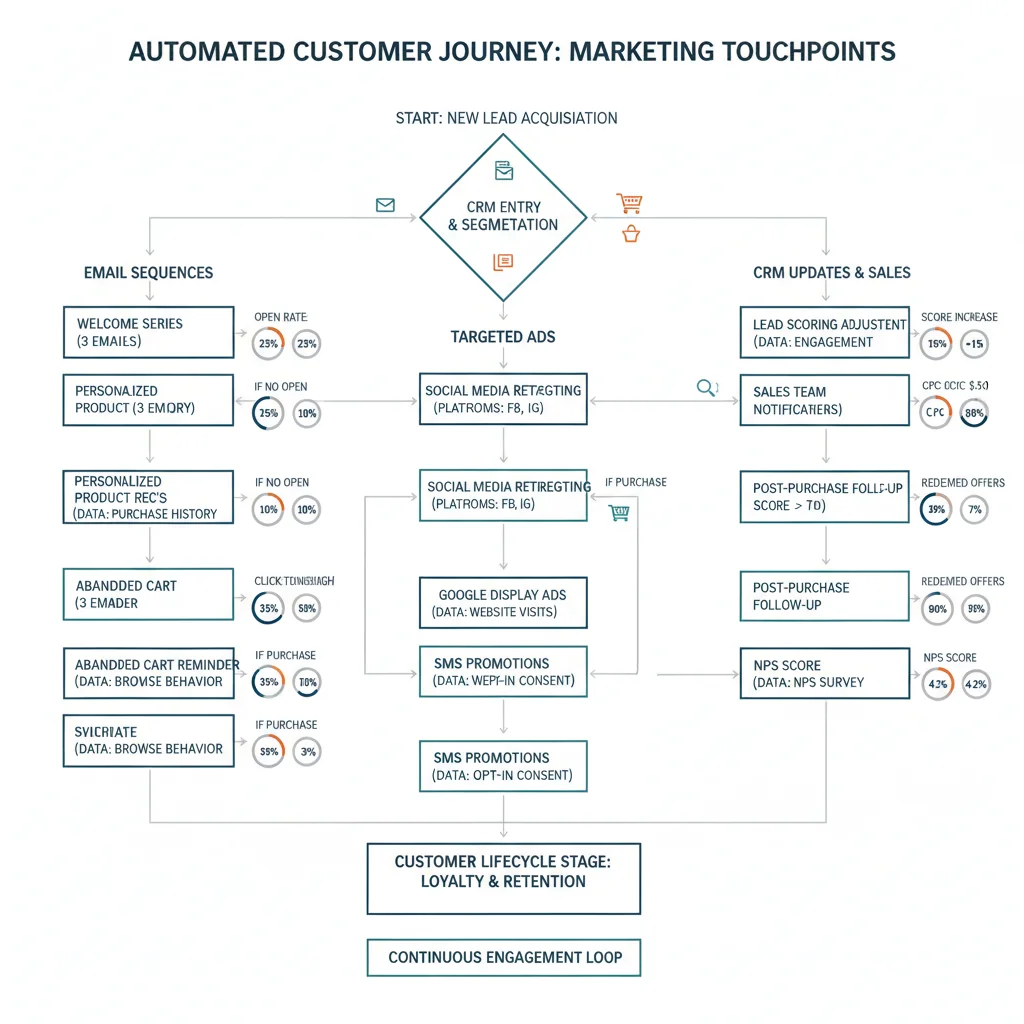
4. Develop Comprehensive Customer Journey Maps
Map out every possible customer journey, from initial awareness to post-purchase advocacy. Identify all touchpoints and the content required at each stage. This exercise will help you design automated workflows that are truly customer-centric and highly effective. Automation should enhance the customer experience, not detract from it. A well-designed customer journey is paramount for optimizing your marketing automation ROI.
5. Implement Hyper-Personalization at Scale
This is where new tools truly shine. Utilize AI to segment your audience into micro-segments based on behavior, preferences, and demographics. Deliver dynamic content, personalized product recommendations, and tailored offers. Leverage predictive analytics to anticipate needs and proactively engage customers. For example, if a customer frequently views a certain product category, automate an email sequence with related products or a limited-time offer. This level of personalization directly impacts conversion rates and dramatically boosts your marketing automation ROI.
6. Optimize Lead Scoring and Nurturing Workflows
Refine your lead scoring model to accurately reflect the value and intent of each lead. Implement automated lead nurturing workflows that deliver relevant content based on a lead’s score and position in the sales funnel. Use A/B testing to optimize email subject lines, content, and call-to-actions (CTAs) for maximum engagement. Ensure seamless hand-off processes between marketing and sales, with automated alerts and CRM updates. Efficient lead management is a direct path to improved marketing automation ROI.
7. Integrate Across Your Tech Stack
For maximum impact on your marketing automation ROI, your chosen platform must integrate seamlessly with your existing CRM, CMS, analytics tools, and advertising platforms. This creates a single source of truth for customer data, eliminates data silos, and enables a truly holistic view of your marketing efforts. Integrated systems lead to more efficient workflows, better data insights, and ultimately, higher returns.
8. Embrace AI for Content Creation and Optimization
New AI tools can assist with content creation, generating variations of ad copy, email subject lines, and even blog post outlines. More importantly, AI can analyze content performance and suggest optimizations in real-time. This significantly reduces the time and resources spent on content development while ensuring that your messaging is always optimized for engagement and conversion, directly impacting your marketing automation ROI.
9. Leverage Predictive Analytics for Campaign Optimization
Beyond lead scoring, predictive analytics can optimize your entire campaign strategy. Identify which channels are most likely to convert specific customer segments, forecast the success of different campaign variations, and allocate your budget more effectively. This data-driven approach minimizes waste and maximizes the efficiency of your Q3 2026 marketing spend, leading to a substantial increase in marketing automation ROI.
10. Implement Robust Analytics and Reporting
The ability to track, analyze, and report on your marketing automation efforts is crucial for demonstrating ROI. Ensure your platform provides comprehensive dashboards, custom reports, and real-time insights. Regularly review your KPIs, identify what’s working and what’s not, and iterate on your strategies. Continuous optimization based on data is key to sustaining and growing your marketing automation ROI.
Measuring and Maximizing Your 25% ROI Target
Achieving a 25% higher ROI isn’t a one-time event; it’s a continuous process of measurement, analysis, and optimization. For your Q3 2026 campaigns, a robust measurement framework is non-negotiable.
Key Metrics to Track for Marketing Automation ROI
- Customer Acquisition Cost (CAC): Automation should reduce the cost of acquiring new customers by streamlining processes and targeting more effectively.
- Customer Lifetime Value (CLTV): Personalized nurturing and engagement through automation can significantly increase how much a customer spends over their relationship with your brand.
- Conversion Rates: Track conversion rates at every stage of the funnel – from lead to MQL, MQL to SQL, and SQL to customer. Automation should show marked improvements here.
- Marketing Qualified Leads (MQLs) and Sales Qualified Leads (SQLs): Monitor the quantity and quality of leads generated and qualified by your automation system.
- Engagement Rates: Open rates, click-through rates, time on site, and social media interactions are all indicators of content effectiveness and audience engagement, driven by automation.
- Return on Ad Spend (ROAS): For paid campaigns, automation tools can optimize bidding and targeting in real-time, leading to a higher ROAS.
- Time Saved: While not a direct ROI metric, the time saved by automating repetitive tasks frees up your team to focus on strategic initiatives that indirectly contribute to ROI.
Continuous Optimization and A/B Testing
The beauty of marketing automation is its ability to facilitate rapid experimentation. A/B test everything: email subject lines, CTA buttons, landing page layouts, ad creatives, and even the timing of your automated messages. Use the insights gained from these tests to continually refine your workflows and content. AI-powered optimization features in modern platforms can even automate this process, ensuring your campaigns are always performing at their peak, directly impacting your marketing automation ROI.
Staying Agile and Responsive
The digital landscape is constantly evolving. What works today might not work tomorrow. Your marketing automation strategy for Q3 2026 must be agile and responsive to market changes, competitor actions, and emerging trends. Regularly review your automation rules and workflows to ensure they remain relevant and effective. Leverage the real-time data provided by your automation platform to quickly adapt and pivot when necessary. This flexibility is crucial for sustaining a high marketing automation ROI.

Overcoming Challenges in Your Marketing Automation Journey
While the benefits of advanced marketing automation are clear, implementing these strategies can come with challenges. Being aware of these and planning for them can ensure a smoother path to achieving your 25% higher marketing automation ROI.
Data Quality and Integration
Poor data quality can cripple even the most sophisticated automation system. Ensure your data is clean, accurate, and consistently updated across all integrated platforms. Invest time in data governance and data hygiene practices. Without reliable data, personalization efforts will fall flat, and predictive analytics will be inaccurate, hindering your marketing automation ROI.
Talent and Training
New tools require new skills. Your marketing team needs to be proficient in using the automation platform, interpreting data, and designing effective workflows. Invest in training and upskilling your team. Consider hiring specialists who have expertise in marketing automation and AI. A skilled team is essential for maximizing the potential of your tools and driving significant marketing automation ROI.
Avoiding Over-Automation and Impersonalization
While automation is powerful, it should never come at the expense of genuine human connection. The goal is to automate repetitive tasks and deliver personalized experiences at scale, not to make your brand feel robotic. Strike a balance between automation and human touchpoints, especially for high-value customers or complex issues. The objective is enhanced customer experience, which in turn boosts marketing automation ROI.
Budget and Resource Allocation
Implementing advanced marketing automation tools and strategies requires a significant investment. Clearly articulate the potential ROI to stakeholders to secure the necessary budget. Allocate resources not just for the software, but also for training, content creation, and ongoing optimization. A well-justified budget is crucial for a successful implementation and achieving your targeted marketing automation ROI.
The Future of Marketing Automation and Your Q3 2026 Success
As we look beyond Q3 2026, the trajectory of marketing automation continues to point towards even greater sophistication. Expect deeper integration of AI and ML, more intuitive user interfaces, and even greater emphasis on ethical AI and data privacy. Businesses that embrace these advancements now will be well-positioned to capitalize on future opportunities and maintain a competitive edge. Your journey to a 25% higher marketing automation ROI in Q3 2026 is just the beginning of a more intelligent, efficient, and profitable marketing future.
The time to act is now. By understanding the modern marketing automation landscape, strategically implementing the right tools and processes, and committing to continuous measurement and optimization, your business can confidently aim for and achieve a significant increase in marketing automation ROI for your Q3 2026 campaigns. Embrace the power of automation, personalize at scale, and let data guide your path to unprecedented success.
Conclusion: Achieving Your 25% Marketing Automation ROI Goal
The ambition of achieving a 25% higher ROI in your Q3 2026 campaigns through marketing automation is not merely a wish; it’s a tangible goal supported by the rapid evolution of technology and strategic implementation. This article has illuminated the path, from understanding the sophisticated capabilities of modern marketing automation tools – including AI-powered personalization, predictive analytics, and cross-channel orchestration – to outlining a detailed, ten-step strategic implementation plan. We’ve emphasized the critical importance of defining clear KPIs, conducting thorough audits, investing in the right platforms, and developing comprehensive customer journey maps. Hyper-personalization, optimized lead nurturing, seamless integration, AI-driven content and campaign optimization, and robust analytics are not just buzzwords; they are the pillars upon which your increased marketing automation ROI will be built.
Moreover, we’ve addressed the essential aspects of measuring success, highlighting key metrics like CAC, CLTV, and conversion rates, and underscoring the necessity of continuous optimization through A/B testing and an agile approach. Acknowledging and preparing for common challenges such as data quality, talent gaps, and the delicate balance between automation and human touch will further solidify your strategy. The future of marketing is undeniably automated, intelligent, and deeply personalized. By committing to these principles and embracing the advanced tools available, your business is not just preparing for Q3 2026; it is future-proofing its marketing efforts for sustained growth and profitability. The 25% increase in marketing automation ROI is within reach, waiting for you to harness the power of smart, automated marketing.