Boost Digital Sales: Achieve 90% Customer Satisfaction with Expert US Tactics

How to Achieve a 90% Customer Satisfaction Score in Digital Sales: Expert Tactics for US Businesses (INSIDER KNOWLEDGE)
In today’s fiercely competitive digital landscape, merely making a sale is no longer enough. For US businesses, the true measure of success lies in cultivating loyal customers who not only return but also become vocal advocates for your brand. This ambition is encapsulated in the pursuit of an exceptional digital sales satisfaction score, ideally hitting that coveted 90% mark. Achieving such a high level of customer contentment in the digital realm requires a meticulous, multi-faceted approach, integrating cutting-edge technology with time-honored principles of customer service.
This comprehensive guide delves into the expert tactics and insider knowledge that US businesses can leverage to elevate their digital sales satisfaction to new heights. We’ll explore strategies that span the entire customer journey, from initial engagement to post-purchase support, ensuring every touchpoint contributes positively to the overall customer experience. By focusing on these key areas, you can not only meet but exceed customer expectations, fostering loyalty and driving sustainable growth in your digital sales endeavors.
Understanding the Pillars of Digital Sales Satisfaction
Before diving into specific tactics, it’s crucial to understand what truly drives digital sales satisfaction. It’s more than just a smooth transaction; it encompasses the entire ecosystem of interaction a customer has with your brand online. The pillars include:
- Seamless User Experience (UX): An intuitive, fast, and visually appealing website or app is non-negotiable.
- Personalization: Tailoring content, recommendations, and offers to individual customer preferences.
- Responsive Customer Support: Providing timely and effective assistance across multiple channels.
- Transparent Communication: Keeping customers informed at every stage, from order confirmation to delivery updates.
- Product Quality and Value: Ensuring the product or service lives up to its promise and offers genuine value.
- Post-Purchase Engagement: Continuing to nurture the relationship after the sale is complete.
For US businesses, understanding the nuances of the American consumer — their expectations for speed, convenience, and authenticity — is paramount. These pillars form the foundation upon which a 90% digital sales satisfaction score can be built.
Strategy 1: Optimize the Digital Customer Journey for Unrivaled Ease
The journey a customer takes from discovering your product to completing a purchase online is critical. Any friction points can lead to abandonment and negative sentiment. Optimizing this journey is a cornerstone of achieving high digital sales satisfaction.
Intuitive Website Navigation and Design
Your website or e-commerce platform should be a joy to navigate. This means:
- Clear Categories and Search Functionality: Customers should easily find what they’re looking for, whether by browsing or searching.
- High-Quality Product Images and Descriptions: Visuals are key in digital sales. Provide multiple angles, zoom options, and accurate, detailed descriptions that answer potential questions.
- Mobile Responsiveness: A significant portion of digital sales occurs on mobile devices. Your site must be fully optimized for all screen sizes.
- Fast Loading Times: Every second counts. Slow loading pages are a major deterrent for online shoppers.
Streamlined Checkout Process
The checkout is where many sales are lost due to complexity or unexpected hurdles. To boost digital sales satisfaction here:
- Guest Checkout Option: Don’t force users to create an account. Offer a guest checkout for convenience.
- Minimal Form Fields: Only ask for essential information. Reduce friction by pre-filling known data.
- Multiple Payment Options: Support various payment methods, including credit cards, digital wallets (Apple Pay, Google Pay), and buy-now-pay-later services.
- Clear Display of Costs: Be transparent about shipping costs, taxes, and any other fees upfront. Surprises at checkout kill digital sales satisfaction.
- Progress Indicator: Show customers where they are in the checkout process to manage expectations.
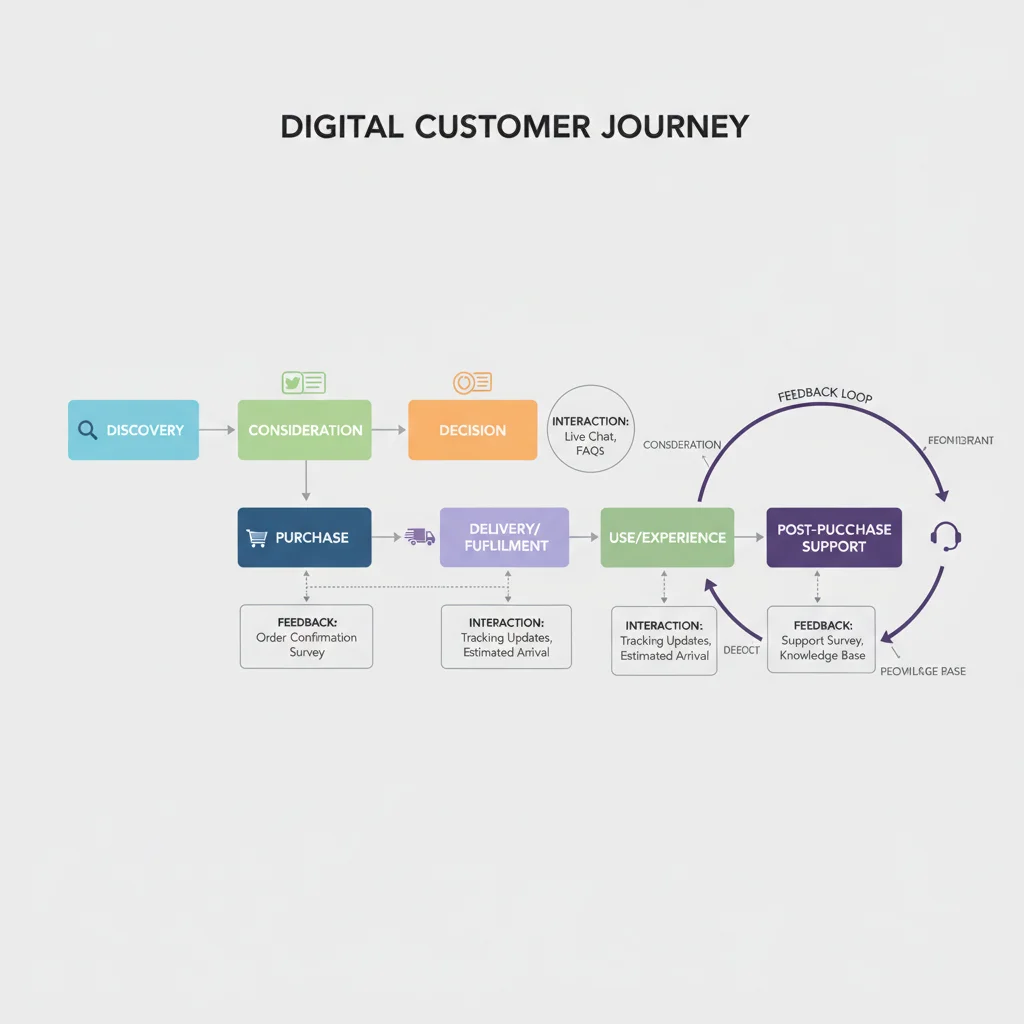
Strategy 2: Personalization at Scale to Forge Deeper Connections
In the vast digital marketplace, making each customer feel seen and valued is a powerful driver of digital sales satisfaction. Personalization goes beyond merely addressing customers by their first name.
Personalized Product Recommendations
Leverage AI and machine learning to analyze past purchases, browsing history, and demographic data to offer relevant product suggestions. This can be done through:
- On-site recommendations: ‘Customers who bought this also bought…’ or ‘Recommended for you.’
- Email marketing: Sending personalized product updates, restock alerts, or abandoned cart reminders with tailored suggestions.
Tailored Content and Offers
Segment your audience and deliver content and promotions that resonate with their specific interests and needs. This could include:
- Birthday discounts: A small gesture that can significantly boost digital sales satisfaction.
- Exclusive access: Offering early access to sales or new products based on loyalty or past behavior.
- Localized content: For US businesses, this might mean recognizing regional preferences or events.
Dynamic Website Content
Adjust your website’s content dynamically based on visitor behavior. For example, if a customer frequently views a specific product category, highlight related items or promotions on their next visit. This creates a highly relevant and engaging experience, contributing directly to digital sales satisfaction.
Strategy 3: Proactive and Responsive Customer Support
Even the most seamless digital experience can encounter issues. How your business handles these moments is critical for digital sales satisfaction. Proactive and responsive support can turn a potentially negative experience into a positive one.
Multi-Channel Support Availability
Customers expect to reach you through their preferred channel. Offer a mix of:
- Live Chat: Instant answers to common questions are a major boost for digital sales satisfaction. Implement chatbots for 24/7 basic support, escalating to human agents when necessary.
- Email Support: Provide clear expectations for response times and stick to them.
- Phone Support: For more complex issues, direct human interaction is often preferred.
- Social Media: Monitor and respond to inquiries and feedback on platforms where your customers are active.
- Self-Service Options: A comprehensive FAQ section, knowledge base, or video tutorials can empower customers to find answers independently, improving digital sales satisfaction by reducing the need for direct contact.
Empowering Your Support Team
Your customer service representatives are on the front lines of digital sales satisfaction. Equip them with:
- Thorough Product Knowledge: They should be experts on your offerings.
- CRM Tools: Provide access to customer history, past interactions, and preferences to offer personalized and efficient support.
- Empowerment to Resolve Issues: Give them the autonomy to make decisions and offer solutions without constant escalation.
- Ongoing Training: Keep them updated on new products, policies, and best practices in customer service.
Proactive Communication
Anticipate potential issues and communicate them before they become problems. This could include:
- Order Status Updates: Send notifications for order confirmation, shipping, and delivery.
- Delays or Issues: If there’s a delay, inform the customer immediately and offer solutions or alternatives.
- Maintenance Alerts: Notify users of planned website downtime.
Strategy 4: Leverage Data and Analytics to Continuously Improve
Data is your most powerful tool for understanding and improving digital sales satisfaction. By analyzing customer behavior and feedback, you can identify pain points and opportunities for enhancement.
Key Metrics for Measuring Satisfaction
Track these metrics to gauge your digital sales satisfaction:
- Customer Satisfaction Score (CSAT): Directly asks customers to rate their satisfaction with a specific interaction or product.
- Net Promoter Score (NPS): Measures customer loyalty by asking how likely they are to recommend your business.
- Customer Effort Score (CES): Assesses how much effort a customer had to exert to resolve an issue or complete a task. Lower effort usually correlates with higher digital sales satisfaction.
- Customer Churn Rate: The percentage of customers who stop doing business with you over a given period.
- Repeat Purchase Rate: The percentage of customers who make more than one purchase.
- Average Resolution Time: How long it takes to resolve a customer issue.
- Website Analytics: Track bounce rates, time on page, conversion rates, and exit points to identify areas of friction.
Gathering Customer Feedback
Actively solicit feedback through various channels:
- Post-Purchase Surveys: Short, targeted surveys sent after a transaction or interaction.
- On-Site Feedback Widgets: Easy-to-use tools that allow customers to provide feedback while browsing.
- Social Media Monitoring: Pay attention to what customers are saying about your brand online.
- Review Platforms: Encourage and monitor reviews on Google, Yelp, Trustpilot, and industry-specific sites. Respond to all reviews, positive and negative, to show you’re listening.

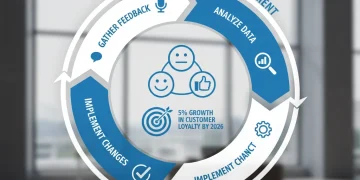
Implementing Feedback Loops
It’s not enough to collect data; you must act on it. Create processes to:
- Analyze Feedback: Identify recurring themes, common pain points, and areas for improvement.
- Prioritize Changes: Address the most impactful issues first.
- Communicate Changes: Let customers know that their feedback led to improvements. This reinforces their value and strengthens digital sales satisfaction.
Strategy 5: Foster Trust and Transparency
In the digital world, trust is a precious commodity. US consumers are increasingly wary of online scams and opaque business practices. Building trust is paramount for achieving high digital sales satisfaction.
Clear Policies and Terms
Ensure your policies are easily accessible, understandable, and fair:
- Return and Refund Policy: Make it crystal clear. A hassle-free return process can significantly boost digital sales satisfaction, even if a customer ultimately decides against a purchase.
- Privacy Policy: Explain how customer data is collected, used, and protected.
- Shipping Policy: Provide estimated delivery times, tracking information, and costs upfront.
Authenticity and Social Proof
Show prospective customers that others trust your brand:
- Customer Testimonials and Reviews: Display genuine reviews prominently.
- Case Studies: For B2B digital sales, detailed case studies can build immense credibility.
- Influencer Marketing: Partner with credible influencers who genuinely align with your brand.
- Security Badges: Display trust seals (SSL certificates, payment gateway logos) to reassure customers about the security of their transactions.
Be Honest About Product Limitations
While you want to highlight your product’s strengths, it’s equally important to be transparent about any limitations. Over-promising and under-delivering will quickly erode digital sales satisfaction.
Strategy 6: Cultivate a Strong Post-Purchase Experience
The sale doesn’t end at checkout. The post-purchase experience is a critical, often overlooked, phase for solidifying digital sales satisfaction and encouraging repeat business.
Smooth Delivery and Fulfillment
- Reliable Shipping Partners: Choose partners known for timely and careful delivery.
- Real-time Tracking: Provide customers with easy access to tracking information.
- Branded Packaging: A well-presented package can enhance the unboxing experience.
- Sustainable Options: For environmentally conscious US consumers, offering eco-friendly packaging or shipping options can be a significant plus.
Follow-Up and Engagement
- Post-Delivery Check-ins: A simple email asking if the product arrived safely and if the customer is satisfied can go a long way.
- Product Usage Tips/Tutorials: Help customers get the most out of their purchase.
- Exclusive Offers for Repeat Customers: Reward loyalty to encourage future purchases and reinforce digital sales satisfaction.
- Community Building: Create online forums or social media groups where customers can share experiences and tips.
Handling Returns and Exchanges Gracefully
Even with the best products, returns happen. A smooth, customer-friendly return process is vital for maintaining digital sales satisfaction. Make it easy to initiate returns, provide clear instructions, and process refunds promptly.
Insider Knowledge: Specific US Market Considerations
While the above strategies are universally applicable, US businesses should pay attention to certain nuances unique to the American market when aiming for high digital sales satisfaction:
- Expectation of Speed: US consumers often expect fast shipping, with next-day or two-day delivery becoming standard.
- Value for Money: While quality is important, US consumers are highly sensitive to value. Clear pricing and perceived savings can boost digital sales satisfaction.
- Personal Data Concerns: Americans are increasingly aware of data privacy. Be explicit and transparent about your data handling practices.
- Diverse Demographics: The US is a melting pot. Consider offering localized content or support in different languages if your target audience is diverse.
- Social Responsibility: Many US consumers prefer to buy from brands that demonstrate social and environmental responsibility. Highlight your efforts in these areas.
- Seamless Omnichannel Experience: For businesses with both online and physical presences, US customers expect a unified experience. This means features like buy online, pick up in-store (BOPIS) or easy returns to a physical location.
Implementing a Culture of Customer Centricity
Ultimately, achieving a 90% digital sales satisfaction score isn’t just about implementing a few tactics; it’s about embedding customer centricity into the DNA of your US business. Every department, from marketing to product development to operations, must understand its role in contributing to the customer experience.
- Leadership Buy-in: Customer satisfaction must be a top priority for senior management.
- Cross-Functional Collaboration: Break down silos between departments to ensure a cohesive customer journey.
- Employee Training: Regularly train all employees on the importance of customer satisfaction and how their roles contribute.
- Celebrate Successes: Recognize and reward teams and individuals who go above and beyond for customers.
By fostering a culture where the customer is at the heart of every decision, US businesses can create a sustainable engine for growth, driven by unparalleled digital sales satisfaction.
Conclusion: The Path to 90% Digital Sales Satisfaction
Reaching a 90% digital sales satisfaction score is an ambitious yet entirely achievable goal for US businesses. It demands a holistic approach that prioritizes every aspect of the digital customer journey, from the initial click to the post-purchase follow-up. By focusing on optimizing user experience, personalizing interactions, providing proactive and responsive support, leveraging data for continuous improvement, fostering trust, and cultivating a strong post-purchase experience, your business can build lasting relationships with customers.
Remember, satisfied customers are your most valuable asset. They are more likely to make repeat purchases, spend more, and become powerful brand advocates. Invest in these expert tactics, embrace a customer-centric culture, and watch your digital sales satisfaction soar, propelling your US business to new heights of success in the digital marketplace.