E-commerce Customer Journey: 7-Point Optimization Checklist for 2026 Success
Optimizing Your E-commerce Customer Journey: A 7-Point Checklist for 2026 Success (PRACTICAL SOLUTIONS)
In the fiercely competitive landscape of e-commerce, merely having a product or service is no longer enough. Businesses that thrive are those that meticulously craft and continually refine their ecommerce customer journey. Understanding every touchpoint, from initial awareness to post-purchase advocacy, is paramount to converting browsers into loyal customers. As we inch closer to 2026, the expectations of online shoppers are escalating, driven by technological advancements and increasingly personalized experiences across various platforms. This article provides a comprehensive, 7-point checklist designed to help e-commerce businesses not just survive, but flourish by optimizing their entire ecommerce customer journey.
The ecommerce customer journey is not a linear path; it’s a dynamic, multi-faceted interaction that demands continuous attention and adaptation. Each stage presents unique opportunities to engage, inform, and delight your customers. Failing to address pain points or missed opportunities at any stage can lead to cart abandonment, reduced conversion rates, and ultimately, lost revenue. This checklist will guide you through practical solutions to ensure your customers experience a smooth, engaging, and rewarding journey with your brand.
Understanding the Modern E-commerce Customer Journey
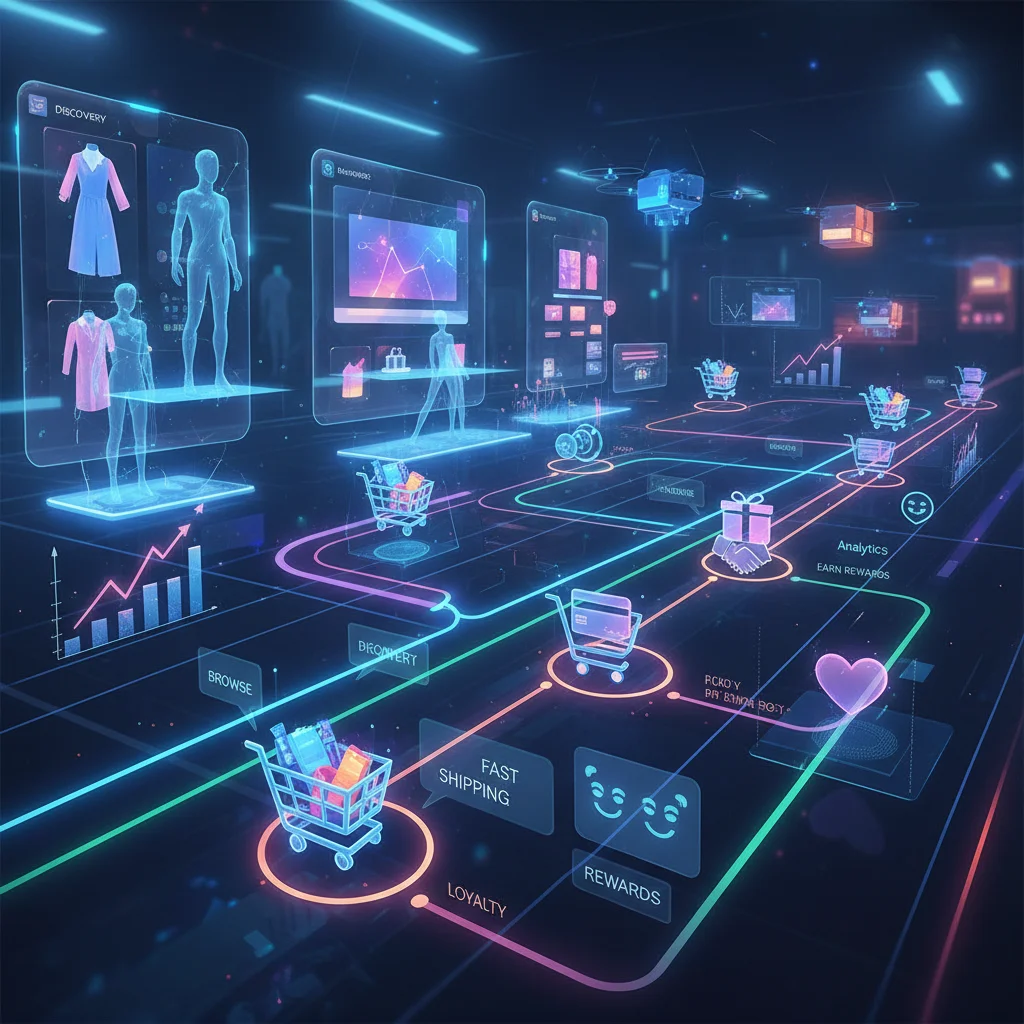
Before diving into the checklist, it’s crucial to grasp the nuances of the modern ecommerce customer journey. It typically encompasses several key stages:
- Awareness: The customer first becomes aware of your brand or product, often through social media, search engines, ads, or word-of-mouth.
- Consideration: The customer actively researches your product/service, compares it with competitors, and evaluates its suitability for their needs.
- Decision/Purchase: The customer chooses your product and completes the transaction.
- Retention: The customer uses the product, experiences post-purchase support, and potentially makes repeat purchases.
- Advocacy: The customer becomes a loyal supporter, recommending your brand to others.
Each of these stages is influenced by a myriad of factors, including website design, content quality, customer service, product availability, and personalized communications. Optimizing the ecommerce customer journey means strategically addressing each of these elements to create a cohesive and positive experience.
Checklist Point 1: Enhance Your Discovery and Awareness Touchpoints
The first step in optimizing your ecommerce customer journey is to ensure potential customers can easily find you and are captivated by your initial offering. In an increasingly noisy digital world, standing out is vital.
Practical Solutions:
- SEO Optimization (Beyond Keywords): While keywords are fundamental, focus on topical authority. Create comprehensive content hubs around your products and industry. Utilize schema markup for rich snippets that stand out in search results. Regularly audit your site for technical SEO issues (crawlability, site speed, mobile-friendliness). Consider voice search optimization as it gains traction.
- Multi-Channel Content Strategy: Don’t just blog. Develop a robust content strategy that spans various platforms. This includes engaging video content (YouTube, TikTok, Instagram Reels) demonstrating product use, informative infographics, interactive quizzes, and compelling social media campaigns. Tailor content to each platform’s audience and format.
- Paid Advertising Refinement: Move beyond generic ads. Implement highly segmented ad campaigns based on demographic data, psychographics, and past browsing behavior. Utilize retargeting strategies that show specific products viewed. Experiment with dynamic creative optimization (DCO) to personalize ad content in real-time. Explore new ad formats like shoppable ads on social media.
- Influencer Marketing & Partnerships: Collaborate with micro- and nano-influencers whose audiences align perfectly with your target market. These influencers often have higher engagement rates and foster a stronger sense of trust. Explore strategic partnerships with complementary brands for cross-promotion and joint ventures that expand your reach.
- Public Relations & Brand Storytelling: Invest in telling your brand’s unique story through PR efforts. Secure features in relevant online publications and build relationships with journalists. A compelling brand narrative can create an emotional connection and differentiate you from competitors right from the awareness stage of the ecommerce customer journey.
Checklist Point 2: Optimize the On-Site Experience for Seamless Navigation
Once a potential customer lands on your site, their experience there dictates whether they’ll stay, browse, and eventually purchase. A clunky, slow, or confusing website is a guaranteed conversion killer. This stage is critical for the ecommerce customer journey.
Practical Solutions:
- Intuitive UX/UI Design: Prioritize a clean, uncluttered layout. Ensure clear calls-to-action (CTAs) are visible and compelling. Implement a logical information architecture that allows users to find products effortlessly through well-organized categories, filters, and search functions. Conduct regular user testing to identify pain points and areas for improvement.
- Blazing Fast Page Load Speeds: Every second counts. Optimize images, leverage browser caching, minimize CSS/JavaScript, and use a Content Delivery Network (CDN). Google’s Core Web Vitals are not just for SEO; they directly impact user experience and bounce rates. A slow site frustrates users and can derail the ecommerce customer journey.
- Mobile-First Responsiveness: With the majority of online shopping now occurring on mobile devices, a responsive design is non-negotiable. Ensure your site adapts flawlessly to all screen sizes, offering an optimal experience whether on a smartphone, tablet, or desktop. Test all functionalities on various devices.
- Personalization & AI-Powered Recommendations: Implement AI-driven product recommendation engines based on browsing history, purchase patterns, and complementary items. Dynamic content that adapts to the user’s location, time of day, or previous interactions can significantly enhance engagement and guide them through their ecommerce customer journey.
- High-Quality Product Visuals & Descriptions: Invest in professional photography and videography. Offer 360-degree views, augmented reality (AR) previews (where applicable), and detailed zoom functions. Write compelling, benefit-driven product descriptions that answer potential questions and highlight unique selling propositions. Include user-generated content (UGC) like customer photos and videos.
Checklist Point 3: Streamline the Conversion Funnel
The moment of truth for any ecommerce customer journey is the conversion stage. A smooth, transparent, and secure checkout process is paramount to turning interest into sales.
Practical Solutions:
- Simplified Checkout Process: Minimize the number of steps. Offer guest checkout options alongside account creation. Auto-fill forms where possible. Clearly display progress indicators. Reduce distractions on checkout pages.
- Transparent Pricing & Shipping: No hidden fees. Clearly state all costs, including shipping and taxes, early in the checkout process. Provide estimated delivery dates. Unexpected costs are a major cause of cart abandonment.
- Multiple Payment Options: Cater to diverse preferences. Offer popular credit/debit cards, digital wallets (PayPal, Apple Pay, Google Pay), and ‘buy now, pay later’ services (e.g., Affirm, Klarna).
- Trust Signals & Security: Display security badges (SSL certificates), customer testimonials, and trust seals prominently. Reassure customers that their data is secure. Highlight your return policy and customer support options.
- Abandoned Cart Recovery: Implement automated email sequences to remind customers about items left in their cart. Offer incentives (e.g., free shipping, small discount) to encourage completion. Personalize these emails with the exact items they left behind. This is a critical recovery point in the ecommerce customer journey.

Checklist Point 4: Elevate Post-Purchase Engagement and Support
The ecommerce customer journey doesn’t end at checkout. The post-purchase experience is vital for building loyalty, encouraging repeat business, and turning customers into advocates.
Practical Solutions:
- Proactive Communication: Send timely order confirmations, shipping updates, and delivery notifications. Provide tracking information that is easy to access. Consider personalized follow-up emails post-delivery to check on satisfaction.
- Exceptional Customer Service: Offer multiple support channels (live chat, email, phone, social media). Ensure quick response times and knowledgeable, empathetic representatives. Empower your support team to resolve issues efficiently. Implement chatbots for instant answers to common questions, freeing up human agents for complex issues.
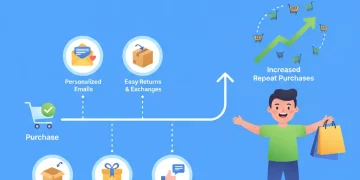
- Easy Returns & Exchanges: A hassle-free return policy builds trust. Clearly outline the process, provide pre-paid shipping labels, and expedite refunds or exchanges. This reduces purchase anxiety and reinforces a positive ecommerce customer journey.
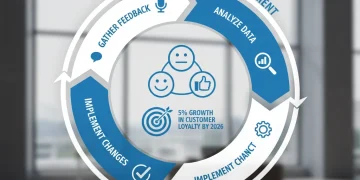
- Feedback Collection: Actively solicit feedback through surveys, reviews, and direct communication. Use this feedback to continuously improve products, services, and the overall customer experience. Respond to both positive and negative reviews gracefully.
- Loyalty Programs & Exclusive Content: Reward repeat customers with loyalty points, exclusive discounts, early access to new products, or members-only content. This incentivizes continued engagement and strengthens their bond with your brand.
Checklist Point 5: Leverage Data Analytics for Continuous Improvement
Data is the lifeblood of optimization. To truly master your ecommerce customer journey, you must constantly analyze performance and iterate based on insights.
Practical Solutions:
- Comprehensive Analytics Setup: Implement robust analytics tools (Google Analytics 4, Adobe Analytics, custom dashboards) to track key metrics across the entire customer journey. Monitor traffic sources, bounce rates, conversion rates at each funnel stage, average order value (AOV), customer lifetime value (CLTV), and customer acquisition cost (CAC).
- Customer Journey Mapping & Analysis: Visually map out the entire ecommerce customer journey, identifying all touchpoints and potential pain points. Use analytics to pinpoint where customers drop off, what content they engage with most, and how different segments behave.
- A/B Testing & Experimentation: Continuously test different elements of your website, emails, and ad campaigns. This includes CTAs, landing page layouts, product descriptions, pricing strategies, and checkout flows. Use statistical significance to determine winning variations.
- Segmentation & Personalization: Segment your audience based on demographics, behavior, purchase history, and engagement levels. Use these segments to deliver highly personalized marketing messages and on-site experiences. For example, show different product recommendations to first-time visitors versus returning loyal customers.
- Predictive Analytics: Explore using AI and machine learning to predict future customer behavior, such as potential churn or next likely purchase. This allows for proactive engagement and personalized interventions to guide the ecommerce customer journey more effectively.
Checklist Point 6: Embrace Emerging Technologies for Future-Proofing
The e-commerce landscape is constantly evolving. Staying ahead means embracing new technologies that can enhance the ecommerce customer journey.
Practical Solutions:
- Augmented Reality (AR) & Virtual Try-On: For products like apparel, furniture, or cosmetics, AR can allow customers to virtually try on items or place them in their environment before purchasing. This reduces uncertainty and enhances the shopping experience.
- Voice Commerce Integration: As smart speakers and voice assistants become more prevalent, ensure your products are discoverable and purchasable through voice commands. Optimize product descriptions for natural language queries.
- AI-Powered Chatbots & Virtual Assistants: Deploy sophisticated chatbots that can handle complex customer queries, guide users through product selection, and even process simple orders. This provides 24/7 support and instant gratification within the ecommerce customer journey.
- Personalized Video Content: Utilize AI to generate personalized video messages for customers, such as order confirmations with their name and product details, or tailored product recommendations.
- Web3 & Blockchain Considerations: While still nascent, keep an eye on Web3 technologies like NFTs for loyalty programs or blockchain for supply chain transparency. Understanding these early could give you a competitive edge in the future.
Checklist Point 7: Foster Community and Advocacy
The ultimate goal of an optimized ecommerce customer journey is to create a community of loyal advocates who champion your brand.
Practical Solutions:
- User-Generated Content (UGC) Campaigns: Encourage customers to share their experiences with your products on social media using specific hashtags. Repost and celebrate their content. This builds social proof and authentic engagement.
- Customer Reviews & Testimonials: Make it easy for customers to leave reviews on your site and third-party platforms. Actively respond to reviews, showing that you value their input. Positive reviews are powerful trust signals.
- Referral Programs: Implement a strong referral program that rewards existing customers for bringing in new ones. Word-of-mouth marketing is incredibly potent and cost-effective.
- Online Community Building: Create dedicated spaces (e.g., Facebook groups, forums, Discord channels) where customers can connect with each other and with your brand. Foster a sense of belonging and provide exclusive content or support within these communities.
- Brand Story & Values: Continuously communicate your brand’s mission, values, and impact. Modern consumers are increasingly drawn to brands that align with their personal values. This emotional connection transforms customers into passionate advocates within their ecommerce customer journey.
Conclusion: The Ever-Evolving E-commerce Customer Journey
Optimizing your ecommerce customer journey is not a one-time task but an ongoing commitment. By meticulously addressing each point in this 7-point checklist, e-commerce businesses can create a robust, engaging, and highly effective experience for their customers in 2026 and beyond. From the initial spark of awareness to the sustained glow of advocacy, every interaction is an opportunity to build a stronger relationship and drive sustainable growth.
Remember, the digital landscape is constantly shifting. Stay agile, embrace data-driven decision-making, and always prioritize the customer. By doing so, you’ll not only meet but exceed customer expectations, turning every interaction into a step towards enduring success in the dynamic world of e-commerce. The future of your business hinges on how well you navigate and enhance the ecommerce customer journey.