Unlock 10% E-commerce Conversion Lift: Predictive Analytics for US Retailers
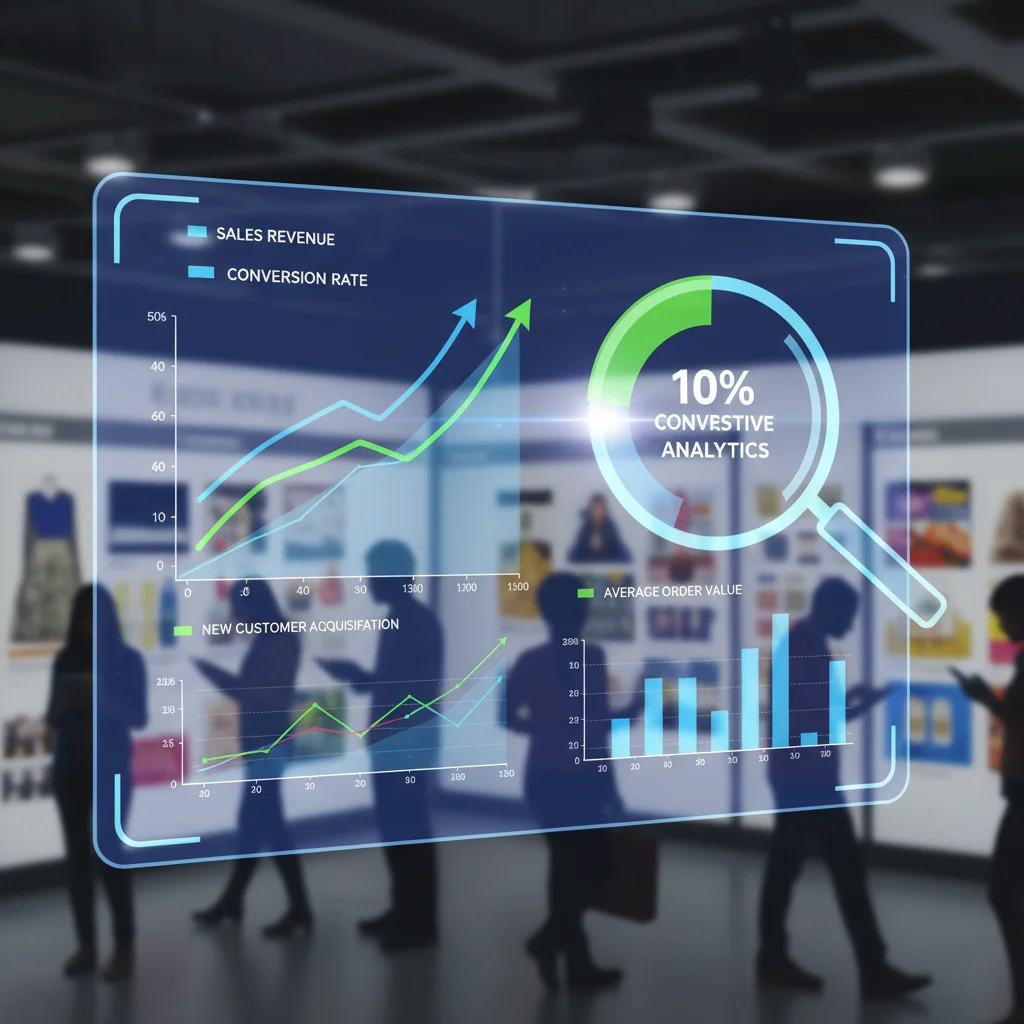
In the fiercely competitive landscape of US e-commerce, where every percentage point of conversion can dictate success or failure, businesses are constantly seeking the next frontier for growth. While traditional optimization methods have yielded incremental gains, a hidden opportunity, a potential 10% conversion lift, lies within the sophisticated application of predictive analytics e-commerce. By mid-2026, this advanced data science discipline is poised to redefine how US retailers understand, engage, and convert their customers, moving beyond reactive strategies to proactive, foresight-driven operations.
The promise of a 10% conversion lift isn’t a mere aspiration; it’s a tangible outcome achievable through the strategic deployment of predictive analytics. This article delves deep into the ‘how’ and ‘why’ of this transformative technology, offering insider knowledge and practical solutions for US e-commerce businesses ready to capitalize on its immense potential. We will explore the core principles of predictive analytics, its diverse applications across the e-commerce value chain, and the strategic steps required to implement it effectively, ensuring your business isn’t just keeping pace but setting the standard.
Understanding the Power of Predictive Analytics in E-commerce
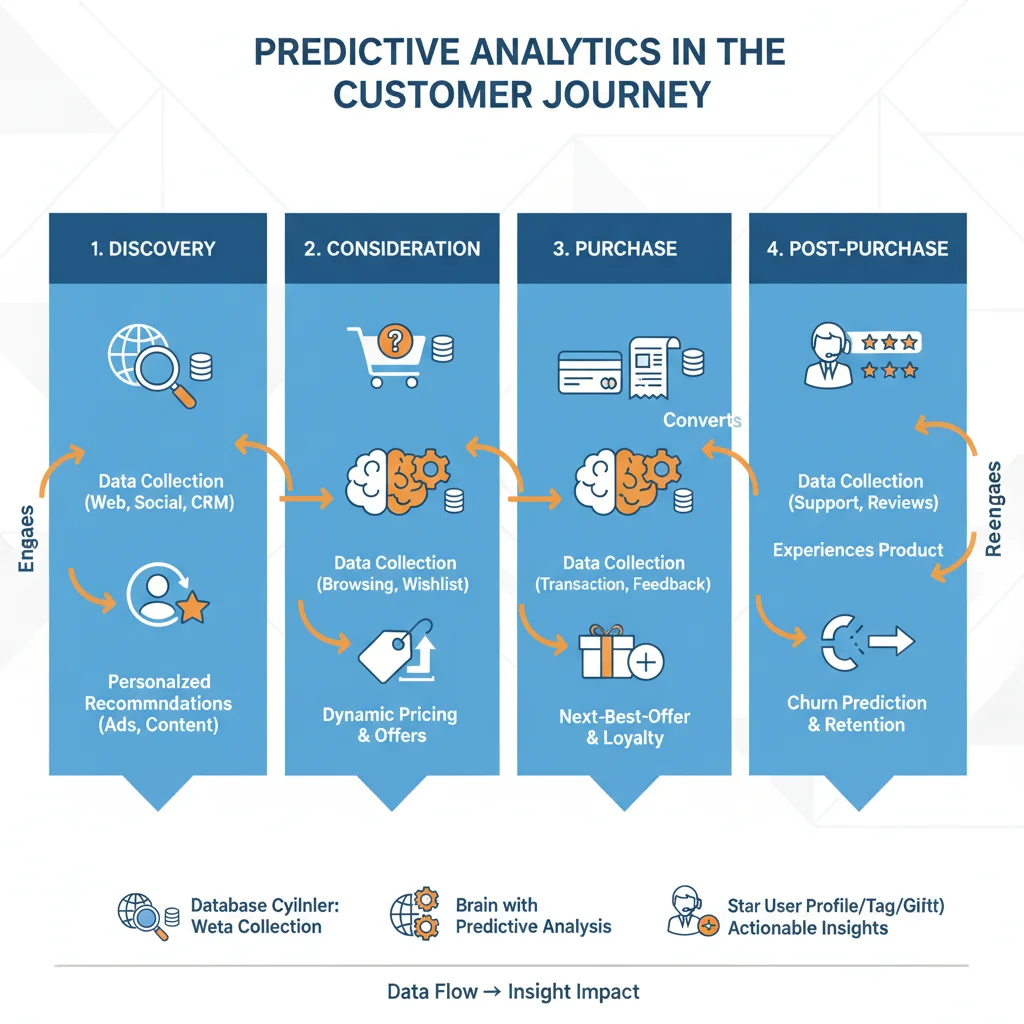
At its heart, predictive analytics e-commerce is about using historical data, statistical algorithms, and machine learning techniques to identify the likelihood of future outcomes based on current and past behaviors. For e-commerce, this translates into an unprecedented ability to anticipate customer needs, predict purchasing patterns, identify potential churn, and optimize every touchpoint of the customer journey. It’s a fundamental shift from merely reacting to customer actions to proactively shaping their experiences.
The Evolution from Descriptive to Predictive
Many e-commerce businesses are adept at descriptive analytics, understanding what happened in the past (e.g., last month’s sales, popular products). Some have ventured into diagnostic analytics, figuring out why certain events occurred (e.g., why sales dropped in a specific category). However, the true competitive edge comes from predictive and prescriptive analytics. Predictive analytics tells you what is likely to happen, while prescriptive analytics suggests actions to take based on those predictions to achieve a desired outcome.
For instance, instead of just knowing that a customer purchased a certain item last month (descriptive), predictive analytics can forecast that they are 80% likely to purchase a complementary item next week, or that they are at a 60% risk of churning within the next three months. This foresight empowers businesses to intervene strategically, offering personalized promotions, timely recommendations, or proactive support to prevent negative outcomes and foster positive ones.
Why 10% is a Realistic Target for Conversion Lift
The 10% conversion lift figure isn’t pulled from thin air. Numerous case studies across various industries have demonstrated significant improvements in key performance indicators (KPIs) when predictive analytics is effectively implemented. In e-commerce, this lift stems from several critical areas:
- Hyper-Personalization: Predicting individual customer preferences allows for highly relevant product recommendations, content, and offers, directly increasing the likelihood of purchase.
- Optimized Pricing and Promotions: Dynamic pricing models based on predicted demand and customer price sensitivity can maximize revenue and conversion rates.
- Reduced Cart Abandonment: Identifying customers at risk of abandoning their carts before they do, allows for targeted interventions like personalized incentives or timely reminders.
- Improved Customer Retention: Predicting churn risk enables proactive engagement strategies to retain valuable customers, turning potential losses into sustained loyalty.
- Efficient Inventory Management: Accurate demand forecasting minimizes stockouts and overstocking, ensuring products are available when customers want them, thus preventing lost sales.
Each of these areas, when optimized through predictive analytics e-commerce, contributes incrementally to the overall conversion rate, making a 10% aggregate lift a very achievable goal for US e-commerce businesses committed to this technological adoption.
Key Applications of Predictive Analytics in US E-commerce
The versatility of predictive analytics means it can be woven into almost every facet of an e-commerce operation, enhancing efficiency and effectiveness. Here are some of the most impactful applications:
1. Personalized Product Recommendations
This is perhaps the most visible application of predictive analytics. Instead of generic ‘customers also bought’ sections, predictive models analyze browsing history, past purchases, demographic data, and even real-time behavior to suggest products that are highly likely to appeal to an individual customer. This goes beyond simple collaborative filtering, incorporating more complex machine learning to understand subtle preferences and anticipate needs. The result is a more engaging shopping experience and a higher average order value (AOV).
2. Dynamic Pricing and Promotions
Imagine being able to offer the right price to the right customer at the right time. Predictive analytics makes this a reality. By forecasting demand, analyzing competitor pricing, and understanding individual customer price sensitivity, e-commerce platforms can dynamically adjust prices to maximize conversions and profit margins. Similarly, personalized promotions can be triggered based on predicted buying cycles or propensities to respond to certain discounts, leading to a much higher redemption rate and conversion.
3. Churn Prediction and Customer Retention
Acquiring new customers is often more expensive than retaining existing ones. Predictive analytics can identify customers who are showing signs of disengagement or are at high risk of churning. By analyzing factors like decreasing purchase frequency, reduced website activity, or negative customer service interactions, models can flag these customers. This allows businesses to proactively reach out with targeted offers, personalized content, or dedicated support to re-engage them, significantly improving customer lifetime value (CLTV).
4. Fraud Detection and Security
E-commerce fraud is a persistent threat. Predictive analytics models can analyze transaction patterns, user behavior, and device information in real-time to identify suspicious activities that deviate from normal purchasing habits. This helps in flagging potentially fraudulent transactions before they are completed, protecting both the business and its legitimate customers from financial losses and reputational damage. The ability to distinguish genuine transactions from fraudulent ones quickly and accurately is crucial for maintaining trust and operational efficiency.
5. Inventory Optimization and Demand Forecasting
Accurate demand forecasting is vital for efficient inventory management. Predictive analytics leverages historical sales data, seasonal trends, marketing campaigns, economic indicators, and even social media sentiment to forecast future demand with remarkable precision. This helps e-commerce businesses optimize inventory levels, reducing carrying costs, minimizing stockouts, and ensuring popular products are always available, thereby preventing lost sales opportunities and enhancing customer satisfaction.
6. Optimized Marketing Campaigns
Predictive analytics allows for the segmentation of audiences based on their predicted behavior, rather than just demographics. This means marketing campaigns can be tailored to specific groups of customers who are most likely to respond positively. For example, customers predicted to be interested in a new product category can receive targeted ads, while those identified as highly price-sensitive might receive discount offers. This precision leads to higher click-through rates, better conversion rates, and a more efficient allocation of marketing spend.
7. Enhanced Customer Service
By predicting common customer issues or identifying customers who might require extra support based on their purchase history or past interactions, e-commerce businesses can proactively offer assistance. This could involve pre-emptively sending FAQs related to a recent purchase or routing high-value customers to priority support channels. Such proactive customer service not only resolves issues faster but also significantly improves customer satisfaction and loyalty.
Practical Solutions: Implementing Predictive Analytics in Your US E-commerce Business
Achieving a 10% conversion lift through predictive analytics e-commerce requires a structured approach. It’s not just about acquiring technology; it’s about integrating it seamlessly into your business strategy and operations. Here’s a roadmap for implementation:
1. Define Clear Business Objectives
Before diving into data, clearly articulate what you want to achieve. Do you want to reduce cart abandonment? Increase average order value? Improve customer retention? Each objective will guide the type of data needed, the models to build, and the metrics to track. Specific, measurable, achievable, relevant, and time-bound (SMART) goals are crucial.
2. Data Collection and Integration
The foundation of any successful predictive analytics initiative is robust, clean, and comprehensive data. This includes:
- Transactional Data: Purchase history, order values, return rates.
- Behavioral Data: Website clicks, page views, search queries, time on site, product interactions.
- Customer Data: Demographics, loyalty program data, customer service interactions.
- External Data: Market trends, competitor data, economic indicators, social media sentiment.
Ensure your data is centralized and integrated across various systems (CRM, ERP, e-commerce platform, marketing automation) to provide a holistic view of the customer and business operations. Data quality and consistency are paramount.
3. Choose the Right Tools and Technologies
The market offers a plethora of predictive analytics tools, ranging from open-source libraries (e.g., Python’s Scikit-learn, R) to commercial platforms (e.g., Salesforce Einstein, Adobe Sensei, Google Cloud AI Platform, AWS Machine Learning). The choice depends on your budget, existing infrastructure, and the expertise of your team. For many US e-commerce businesses, a cloud-based platform offering managed machine learning services can accelerate deployment and reduce the burden of infrastructure management.
4. Build and Train Predictive Models
This is where the magic happens. Data scientists and machine learning engineers will use the collected data to build models. Common techniques include:
- Regression Models: For predicting continuous values (e.g., future sales, customer lifetime value).
- Classification Models: For predicting categorical outcomes (e.g., whether a customer will churn, whether a transaction is fraudulent).
- Clustering Algorithms: For segmenting customers into distinct groups based on behavior.
- Recommendation Engines: Using collaborative filtering, content-based filtering, or hybrid approaches.
The models need to be trained on historical data, validated for accuracy, and continuously refined as new data becomes available. Iteration and experimentation are key to improving model performance.
5. Integrate Insights into Operations
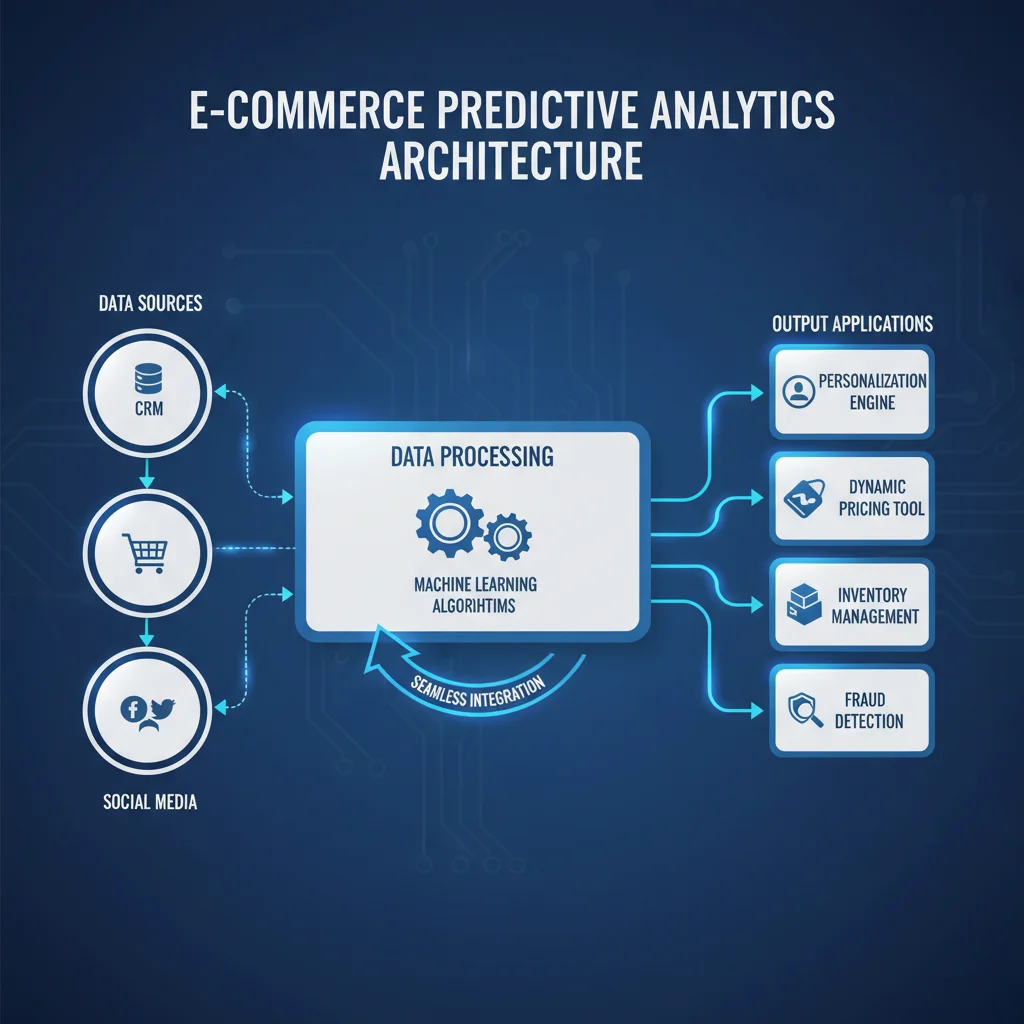
Predictive analytics is only valuable if its insights are actionable. Integrate the output of your models directly into your operational systems:
- Personalization Engine: Feed recommendations directly to your website, email campaigns, and mobile app.
- Marketing Automation: Trigger personalized emails or ads based on predicted customer segments or behaviors.
- CRM Systems: Update customer profiles with churn risk scores or predicted next best actions for sales and service teams.
- Inventory Management Software: Automate reordering based on demand forecasts.
This seamless integration ensures that predictions translate into immediate, impactful business actions.
6. Monitor, Evaluate, and Iterate
The e-commerce landscape is dynamic, and customer behavior evolves. Therefore, predictive models are not a one-time build. They require continuous monitoring to ensure their accuracy and relevance. Regularly evaluate model performance against key metrics (e.g., conversion rate, AOV, churn rate). Gather feedback from business users and customers. Use this information to retrain models, adjust parameters, and even explore new algorithms to maintain and improve the 10% conversion lift.
Insider Knowledge: Strategic Considerations for US E-commerce by Mid-2026
As we approach mid-2026, several strategic considerations will differentiate leaders from laggards in the adoption of predictive analytics e-commerce.
1. The Rise of Real-time Analytics
Batch processing of data for predictions is becoming obsolete. The future lies in real-time predictive analytics, where models analyze customer behavior as it happens and trigger immediate, contextually relevant actions. Imagine a customer browsing a product page; a real-time model could predict their likelihood to purchase and, if low, instantly offer a small, personalized discount or a live chat option. This hyper-responsiveness is crucial for capturing fleeting interest.
2. Ethical AI and Data Privacy
With increasing data privacy regulations (like CCPA in California and emerging federal standards), ethical AI practices will be paramount. E-commerce businesses must ensure their predictive models are fair, transparent, and do not perpetuate biases. Consent management for data collection and clear communication about how customer data is used for personalization will be critical for building trust and avoiding regulatory pitfalls. Transparency in AI is not just good ethics; it’s good business.
3. The Blurring Lines Between Online and Offline
For retailers with both online and physical stores, integrating data from both channels will provide an even richer dataset for predictive analytics. Understanding how online browsing influences in-store purchases, or how in-store experiences drive online engagement, creates a truly omnichannel view. This allows for predictions that span the entire customer journey, regardless of the channel.
4. Leveraging AI-powered Marketing Platforms
The integration of predictive analytics capabilities directly into marketing automation and customer relationship management (CRM) platforms will become standard. This means marketing teams will have direct access to predictive insights without needing deep data science expertise, enabling them to launch highly targeted campaigns with greater ease and effectiveness. Platforms that offer low-code or no-code AI solutions will democratize access to predictive power.
5. Focus on Explainable AI (XAI)
As predictive models become more complex, understanding why a model made a certain prediction becomes important, especially for critical business decisions or regulatory compliance. Explainable AI (XAI) techniques will allow businesses to interpret the factors influencing a prediction, building trust in the model’s outputs and enabling continuous improvement. For instance, understanding why a customer is predicted to churn can inform specific, targeted interventions.
Overcoming Challenges in Predictive Analytics Implementation
While the benefits are clear, implementing predictive analytics e-commerce is not without its challenges. Recognizing and addressing these proactively can smooth the path to success:
1. Data Silos and Quality Issues
Many organizations struggle with fragmented data spread across disparate systems. Breaking down these data silos and ensuring data quality (accuracy, completeness, consistency) is often the most significant initial hurdle. Investing in data integration platforms and establishing strong data governance policies are essential first steps.
2. Talent Gap
There’s a high demand for skilled data scientists, machine learning engineers, and AI specialists. US e-commerce businesses may face challenges in recruiting and retaining this talent. Solutions include upskilling existing employees, partnering with specialized consultancies, or leveraging AI-as-a-Service platforms that abstract away much of the underlying complexity.
3. Cost of Implementation
The initial investment in technology, infrastructure, and talent for predictive analytics can be substantial. However, it’s crucial to view this as an investment with a high ROI, especially when targeting a 10% conversion lift. Starting with pilot projects focused on high-impact areas can demonstrate value quickly and secure further investment.
4. Resistance to Change
Adopting new technologies often comes with internal resistance. Employees may be hesitant to embrace new tools or processes. Effective change management, including clear communication of benefits, training, and involving key stakeholders in the implementation process, can help overcome this.
5. Model Maintenance and Drift
Predictive models are not set-it-and-forget-it solutions. They require ongoing maintenance, monitoring for model drift (when model performance degrades over time due to changes in data patterns), and retraining. Establishing a robust MLOps (Machine Learning Operations) framework is crucial for long-term success.
Conclusion: Seizing the 10% Conversion Lift with Predictive Analytics
The race for market share in US e-commerce is intensifying, and the businesses that will thrive by mid-2026 are those that move beyond traditional analytics to embrace the foresight offered by predictive analytics e-commerce. The potential for a 10% conversion lift is not just a theoretical possibility; it’s a strategic imperative for staying competitive and delivering exceptional customer experiences.
By understanding customer behavior before it happens, personalizing every interaction, optimizing operations, and proactively addressing challenges, e-commerce businesses can unlock significant growth. The journey requires investment in data infrastructure, technology, and talent, but the returns, measured in increased conversions, higher customer lifetime value, and a stronger market position, are undeniably compelling.
Now is the time for US e-commerce leaders to act. Embrace predictive analytics not as a luxury, but as a core component of your growth strategy. The hidden 10% conversion lift is waiting to be uncovered, and with the right approach, your business can be at the forefront of this data-driven revolution.