Personalization Drives 25% Higher Customer Lifetime Value for US E-commerce by 2026
The State of Personalization: 25% Higher Customer Lifetime Value for US E-commerce in 2026 (INSIDER KNOWLEDGE, FINANCIAL IMPACT)
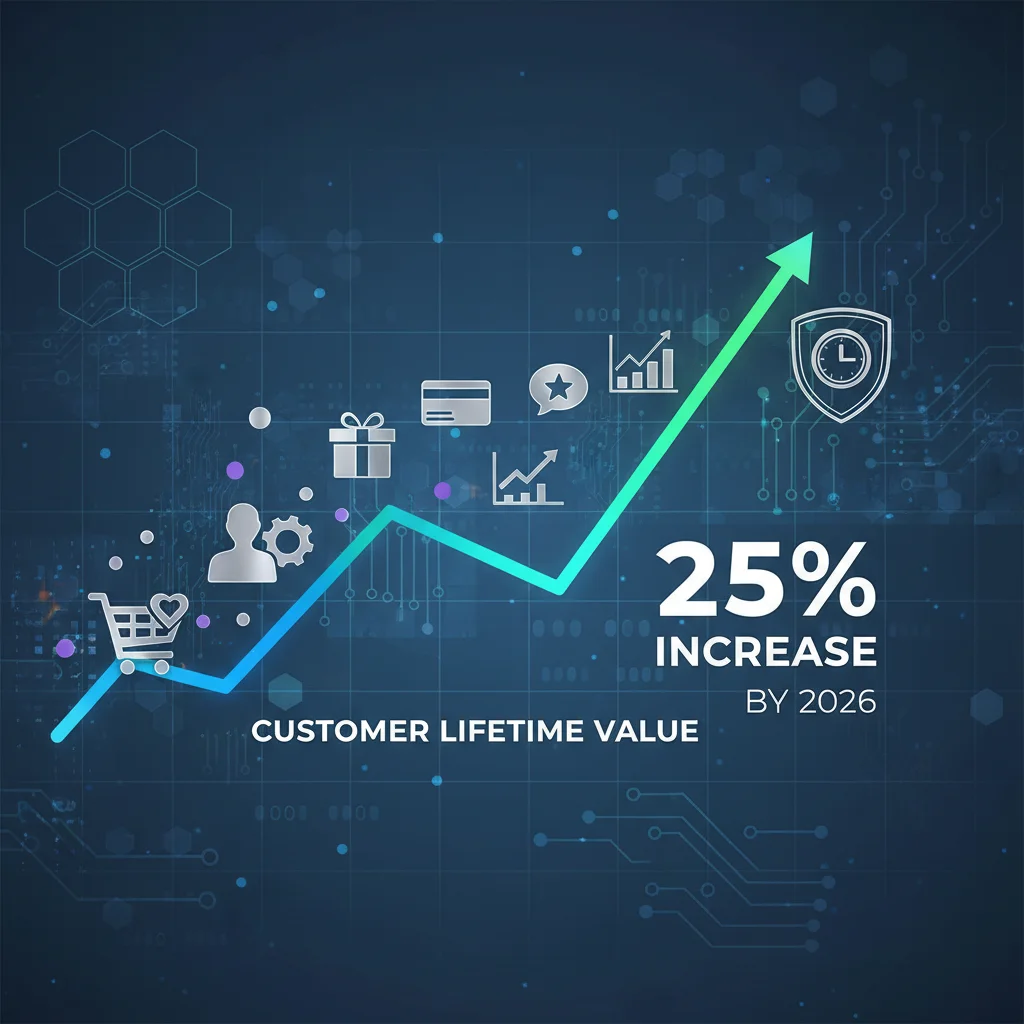
In the rapidly evolving landscape of digital commerce, e-commerce personalization value has emerged as a critical differentiator, transforming how businesses interact with their customers and, more importantly, how they drive sustainable growth. Recent insider knowledge and financial projections indicate a monumental shift: US e-commerce businesses leveraging advanced personalization strategies are poised to achieve an astounding 25% higher Customer Lifetime Value (CLV) by 2026. This isn’t just a prediction; it’s a strategic imperative for any e-commerce entity aiming to thrive in an increasingly competitive market.
The concept of personalization is not new, but its sophistication and impact have reached unprecedented levels. Gone are the days of simple ‘first-name’ greetings. Today’s personalization encompasses dynamic content, tailored product recommendations, individualized promotions, and context-aware interactions that anticipate customer needs and preferences. This deep dive will explore the mechanisms behind this projected surge in CLV, the tangible financial benefits, the technologies enabling it, and the strategic roadmap for e-commerce businesses to capitalize on this transformative trend.
Understanding Customer Lifetime Value (CLV) in the Personalization Era
Before delving into the ‘how,’ it’s crucial to grasp the profound importance of CLV. Customer Lifetime Value represents the total revenue a business can reasonably expect from a single customer account throughout their relationship with the company. It’s a forward-looking metric that emphasizes long-term relationships over one-off transactions. A higher CLV signifies stronger customer loyalty, increased repeat purchases, and a more robust, predictable revenue stream.
In the context of US e-commerce, the pursuit of enhanced CLV is more critical than ever. The cost of acquiring new customers continues to rise, making customer retention and expansion of existing customer relationships paramount. This is precisely where effective ecommerce personalization value shines, acting as the catalyst for cultivating deeper, more profitable customer engagements.
The Pillars of Personalization Driving CLV Growth
Achieving a 25% increase in CLV isn’t a stroke of luck; it’s the result of meticulously planned and executed personalization strategies. Several key pillars underpin this growth:
- Hyper-segmentation: Moving beyond broad demographic categories, hyper-segmentation involves dividing customers into highly specific groups based on granular data points such as browsing behavior, purchase history, geographic location, device usage, and even psychographic traits. This allows for incredibly precise targeting.
- Dynamic Content Delivery: Websites, emails, and mobile apps that adapt their content in real-time based on individual user profiles. This could range from homepage layouts to product carousels and promotional banners.
- AI-Powered Product Recommendations: Sophisticated algorithms analyze vast amounts of data to suggest products customers are most likely to purchase next, often based on collaborative filtering, content-based filtering, and hybrid models. This significantly boosts average order value (AOV) and conversion rates.
- Personalized Marketing Communications: Tailored email campaigns, SMS messages, and push notifications that deliver relevant offers, abandoned cart reminders, and loyalty program updates at opportune moments.
- Omnichannel Consistency: Ensuring a seamless and personalized experience across all customer touchpoints, whether it’s a website, mobile app, social media, or even in-store interactions (for omnichannel retailers).
- Predictive Analytics: Utilizing data to anticipate future customer behavior, such as churn risk, next likely purchase, or optimal time for engagement. This allows for proactive personalization efforts.
Each of these pillars contributes synergistically to the overall ecommerce personalization value, fostering a sense of understanding and connection that resonates deeply with modern consumers.
The Financial Impact: Quantifying the 25% CLV Increase
A 25% uplift in CLV is a substantial figure with profound financial implications for US e-commerce businesses. Let’s break down how this translates into tangible benefits:
Increased Revenue and Profitability
With existing customers spending more over their lifetime, businesses naturally see an increase in overall revenue. More importantly, retaining customers is significantly cheaper than acquiring new ones. By reducing customer acquisition costs (CAC) relative to CLV, profitability margins expand. A 25% higher CLV means each customer is inherently more valuable, allowing for a more efficient allocation of marketing and operational resources.
Enhanced Customer Loyalty and Retention
Personalization fosters a sense of being known and valued. When customers feel understood and catered to, their loyalty deepens. This leads to higher retention rates, which are a direct driver of CLV. Loyal customers are also more forgiving of minor issues and more likely to recommend a brand to others, fueling organic growth.
Higher Average Order Value (AOV)
Personalized product recommendations and targeted promotions often lead customers to purchase more items or higher-value items per transaction. By presenting relevant upsell and cross-sell opportunities, e-commerce businesses can significantly boost their AOV, directly contributing to the overall ecommerce personalization value derived from each customer.
Improved Conversion Rates
When a website or app feels tailored to an individual, the journey from browsing to purchase becomes smoother and more intuitive. Relevant content and offers reduce friction, leading to higher conversion rates across various touchpoints. This efficiency directly impacts revenue generation.
Reduced Marketing Spend (Relative to Revenue)
While personalization initiatives require investment, the long-term effect is a more efficient marketing spend. By focusing on retaining and expanding relationships with existing, high-CLV customers, businesses can optimize their marketing budgets, achieving greater returns for every dollar spent.
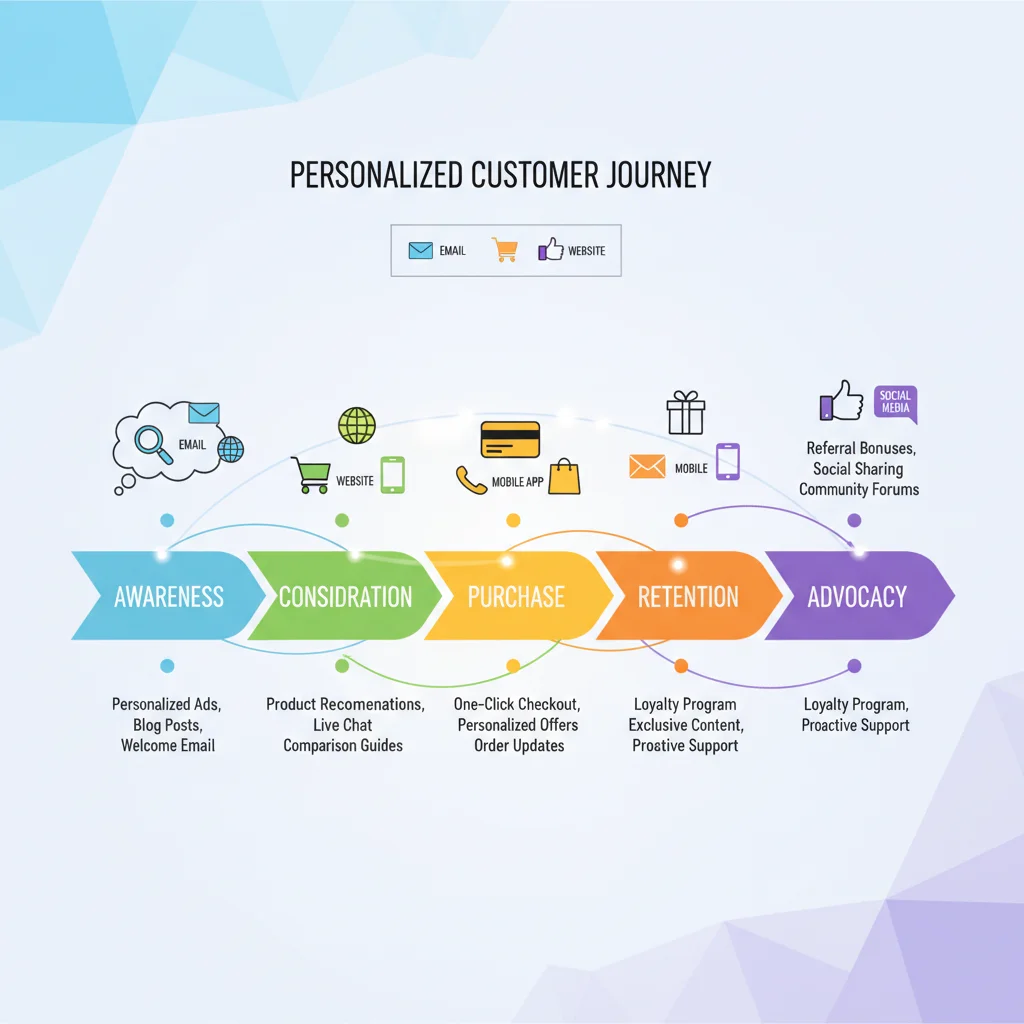
Technological Enablers: The Engine Behind Modern Personalization
The ambitious goal of a 25% increase in CLV by 2026 is made possible by a sophisticated ecosystem of technologies. These tools and platforms are not merely add-ons; they are foundational to successful personalization strategies.
Customer Data Platforms (CDPs)
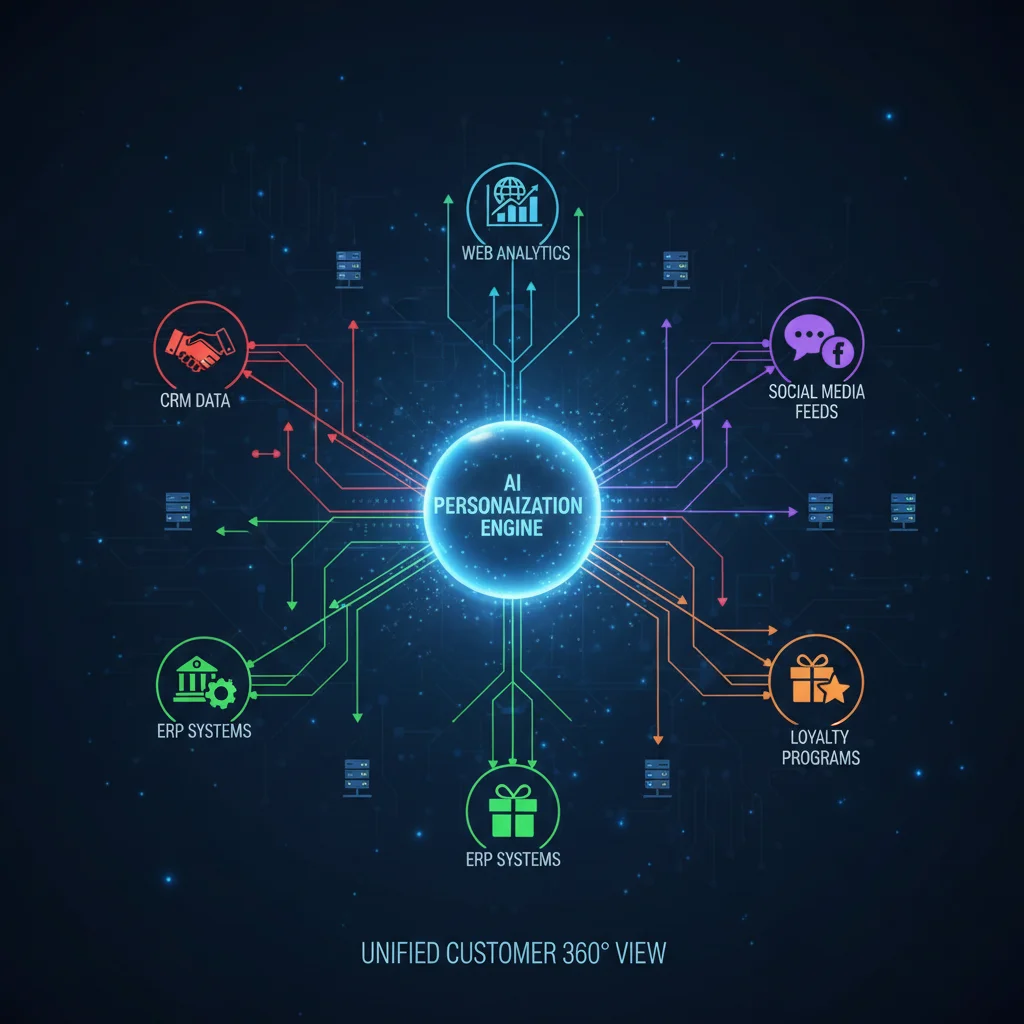
CDPs are at the heart of modern personalization. They aggregate customer data from various sources (CRM, ERP, web analytics, social media, email, mobile apps, offline interactions) into a single, unified customer profile. This ‘golden record’ provides a comprehensive 360-degree view of each customer, enabling highly accurate segmentation and personalized interactions. Without a robust CDP, achieving truly effective ecommerce personalization value is significantly challenging.
Artificial Intelligence (AI) and Machine Learning (ML)
AI and ML algorithms are the intelligence behind dynamic personalization. They power:
- Recommendation Engines: These algorithms analyze vast datasets to predict product preferences.
- Predictive Analytics: Forecasting future customer behavior, identifying churn risks, and optimizing timing for interventions.
- Natural Language Processing (NLP): Used in chatbots and virtual assistants to understand customer queries and provide personalized support.
- Dynamic Pricing: Adjusting prices in real-time based on demand, customer segments, and competitor pricing, while still maintaining personalized offers.
Marketing Automation Platforms (MAPs)
MAPs allow e-commerce businesses to automate personalized marketing campaigns across multiple channels. From triggered emails based on browsing behavior to personalized SMS alerts for order updates, MAPs ensure timely and relevant communication at scale. They are crucial for operationalizing the insights gained from CDPs and AI.
A/B Testing and Optimization Tools
Continuous optimization is vital for personalization success. A/B testing platforms allow businesses to test different personalized experiences, content variations, and recommendation algorithms to identify what resonates most with specific customer segments. This iterative approach ensures that personalization efforts are constantly refined and improved, maximizing the ecommerce personalization value.
Strategic Roadmap for E-commerce Businesses
To capture the projected 25% higher CLV by 2026, US e-commerce businesses must embark on a strategic journey that involves several critical steps:
1. Data Strategy and Governance
The foundation of personalization is data. Businesses must develop a comprehensive data strategy that outlines how data will be collected, stored, integrated, and utilized. This includes:
- Identifying key data sources: Ensuring all relevant customer interaction points are captured.
- Data quality and hygiene: Implementing processes to ensure data is accurate, consistent, and up-to-date.
- Privacy and compliance: Adhering to regulations like CCPA and future data privacy laws, building customer trust.
- Implementing a CDP: Investing in a robust CDP to unify customer profiles.
2. Define Personalization Use Cases and Goals
Instead of a scattergun approach, businesses should identify specific personalization use cases that align with business objectives. Examples include:
- Reducing abandoned carts through personalized reminders.
- Increasing repeat purchases with tailored loyalty offers.
- Boosting AOV with intelligent cross-sell recommendations.
- Improving customer support with personalized FAQs and chatbots.
Each use case should have clear, measurable goals to track the impact on ecommerce personalization value.
3. Technology Adoption and Integration
Selecting the right technology stack is crucial. This involves evaluating CDPs, AI/ML platforms, marketing automation tools, and analytics solutions. seamless integration between these systems is paramount to ensure data flows freely and insights are actionable across all touchpoints.
4. Content Strategy for Personalization
Personalization is only as good as the content it delivers. Businesses need a flexible content strategy that can generate variations of product descriptions, marketing messages, and visual assets quickly and efficiently to cater to different segments and individual preferences. This might involve investing in headless CMS solutions or dynamic content generation tools.
5. Organizational Alignment and Culture
Personalization is not just a marketing or IT initiative; it’s a company-wide endeavor. It requires cross-functional collaboration between marketing, sales, customer service, product development, and IT. Fostering a data-driven culture that values customer understanding is essential for long-term success in maximizing ecommerce personalization value.
6. Continuous Testing and Optimization
The personalization journey is iterative. Businesses must continuously test different strategies, analyze performance metrics, and optimize their approaches. A/B testing, multivariate testing, and ongoing experimentation are key to refining personalization efforts and ensuring they continue to deliver maximum impact on CLV.
Challenges and Considerations
While the benefits of enhanced ecommerce personalization value are clear, the path is not without its challenges. E-commerce businesses must navigate several critical considerations:
Data Privacy and Trust
As personalization becomes more sophisticated, so do concerns about data privacy. Businesses must be transparent about data collection practices, provide clear opt-out options, and ensure robust security measures. Building and maintaining customer trust is paramount; a misstep here can quickly erode the benefits of personalization.
Technological Complexity and Integration
Integrating disparate systems – from e-commerce platforms to CDPs, CRMs, and marketing automation tools – can be complex and resource-intensive. Ensuring data consistency and real-time synchronization across all platforms is a significant technical hurdle.
Scalability
Personalization strategies need to scale with business growth. What works for a small customer base might not be sustainable for millions of users. Businesses need scalable technology solutions and processes that can handle increasing data volumes and customer interactions without compromising performance.
Measuring ROI
Attributing specific revenue increases directly to personalization efforts can be challenging. Businesses need sophisticated analytics and attribution models to accurately measure the ROI of their personalization initiatives and demonstrate their contribution to the 25% CLV increase. This often requires careful experimentation and control groups.
Talent Gap
Implementing and managing advanced personalization requires specialized skills in data science, AI/ML, marketing technology, and customer experience design. A talent gap in these areas can hinder effective execution.
The Future of E-commerce: Hyper-Personalization and Beyond
Looking towards 2026 and beyond, the trajectory for ecommerce personalization value points towards hyper-personalization. This goes beyond segment-based targeting to deliver truly individualized experiences at every micro-moment of the customer journey. Future trends include:
- Predictive Personalization: Using AI to anticipate needs before the customer even expresses them.
- Voice Commerce Personalization: Tailoring recommendations and experiences for voice-activated shopping.
- Augmented Reality (AR) and Virtual Reality (VR) Personalization: Creating immersive, personalized shopping experiences.
- Emotional AI: Understanding and responding to customer emotions to deliver more empathetic and effective interactions.
- Decentralized Identity and Data Ownership: Giving customers more control over their data while still enabling personalized experiences.
The 25% higher CLV by 2026 is not an endpoint but a significant milestone in the journey towards a fully personalized e-commerce ecosystem. Businesses that embrace these future trends will be best positioned to maintain a competitive edge and continue to grow their ecommerce personalization value.
Conclusion: Seizing the Personalization Opportunity
The evidence is compelling: personalization is not merely a trend but a fundamental shift in how successful e-commerce businesses operate. The projection of a 25% higher Customer Lifetime Value for US e-commerce by 2026 underscores the immense financial opportunity at stake. This growth is driven by a strategic blend of advanced technologies, meticulous data management, and a customer-centric organizational culture.
For US e-commerce businesses, the time to act is now. Investing in CDPs, AI/ML, and robust marketing automation, coupled with a clear data strategy and a commitment to continuous optimization, will be the hallmarks of companies that successfully harness the power of ecommerce personalization value. Those that fail to adapt risk being left behind in a market where customer expectations for tailored experiences are only set to increase. The future of e-commerce is personal, and its rewards are substantial for those who embrace it fully.