Next-Gen Digital Platforms: Boost Customer Retention by 40%

Beyond Basic CRMs: Implementing Next-Gen Digital Platforms for a 40% Improvement in Customer Retention
In today’s hyper-competitive market, acquiring new customers is only half the battle. The true measure of sustainable business growth lies in your ability to keep them. Customer retention is not just about preventing churn; it’s about fostering loyalty, building lasting relationships, and maximizing customer lifetime value. While traditional Customer Relationship Management (CRM) systems have served as foundational tools, the digital landscape has evolved rapidly, demanding more sophisticated solutions. Enter next-gen digital platforms – comprehensive ecosystems designed to transform how businesses interact with and understand their customers, promising a potential 40% improvement in customer retention.
This article delves into the critical shift from basic CRMs to integrated digital platforms, exploring the technologies, strategies, and benefits that drive superior customer loyalty. We’ll uncover how these advanced systems leverage data, artificial intelligence (AI), and hyper-personalization to create unparalleled customer experiences, ultimately leading to significant gains in your customer retention metrics.
The Evolution of Customer Relationship Management: From Record-Keeping to Relationship Nurturing
For decades, CRMs have been the backbone of sales and marketing operations. Their primary function was to centralize customer data, track interactions, and manage sales pipelines. While indispensable, many traditional CRMs operated in silos, offering a fragmented view of the customer journey. They were excellent at record-keeping but often fell short in proactive relationship nurturing and predictive engagement.
The modern customer, however, expects more. They expect seamless experiences across multiple channels, personalized communications, and proactive solutions to their needs. This shift in customer expectation has necessitated a paradigm shift in how businesses approach customer relationship management. The focus has moved from merely managing relationships to actively nurturing them through every touchpoint, anticipating needs, and delivering exceptional value consistently. This is where next-gen digital platforms differentiate themselves.
These advanced platforms go beyond the transactional nature of basic CRMs. They integrate various functionalities – from marketing automation and sales enablement to customer service and predictive analytics – into a unified ecosystem. This holistic approach provides a 360-degree view of the customer, enabling businesses to understand their preferences, behaviors, and pain points at a granular level. The result? More meaningful interactions, increased satisfaction, and ultimately, higher customer retention.
What Defines Next-Gen Digital Platforms for Customer Retention?
Next-gen digital platforms are characterized by several key features that elevate them far beyond the capabilities of conventional CRMs. Understanding these components is crucial for any business aiming to significantly improve its customer retention strategies.
1. Unified Customer Data Platforms (CDPs)
At the heart of these platforms is a robust Customer Data Platform (CDP). Unlike traditional CRMs that might store fragmented data, CDPs consolidate customer information from all sources – website visits, social media interactions, purchase history, customer service tickets, email engagement, and more – into a single, comprehensive customer profile. This unified view eliminates data silos and provides a real-time, accurate understanding of each customer. With a complete picture, businesses can tailor experiences with unprecedented precision, directly impacting customer retention.
2. Artificial Intelligence (AI) and Machine Learning (ML) Integration
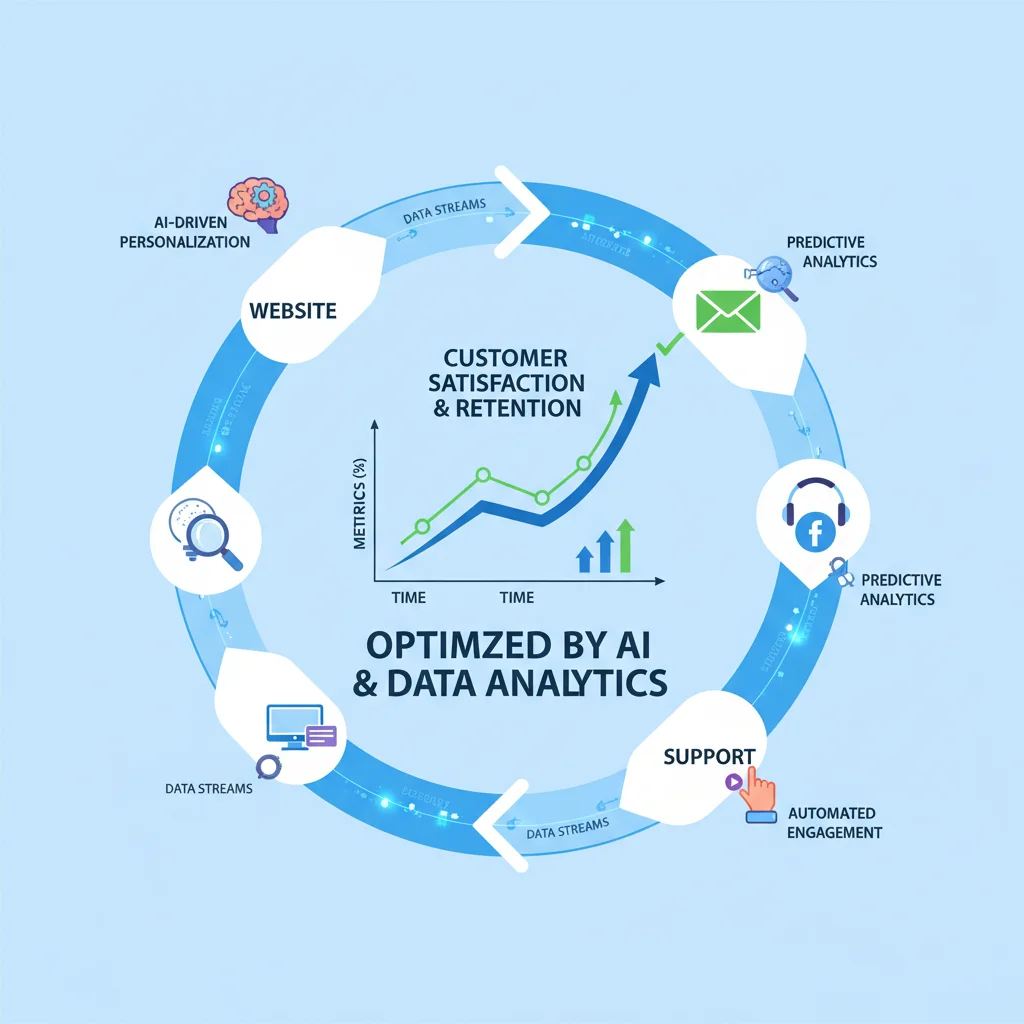
AI and ML are no longer buzzwords; they are essential drivers of modern customer retention platforms. These technologies power predictive analytics, allowing businesses to anticipate customer needs, identify potential churn risks before they materialize, and recommend personalized solutions. AI-driven chatbots provide instant support, resolving queries quickly and efficiently, while ML algorithms optimize marketing campaigns for maximum engagement. This proactive and intelligent approach ensures customers feel understood and valued, a cornerstone of strong customer retention.
3. Hyper-Personalization at Scale
Generic communication is a relic of the past. Next-gen platforms enable hyper-personalization across all channels. This means delivering tailored content, product recommendations, and offers based on individual customer behavior, preferences, and past interactions. From personalized email campaigns to dynamic website content and customized product suggestions, every interaction is designed to resonate deeply with the customer, fostering a sense of individual recognition and loyalty. This level of personalization is a direct contributor to improved customer retention.
4. Omnichannel Engagement Capabilities
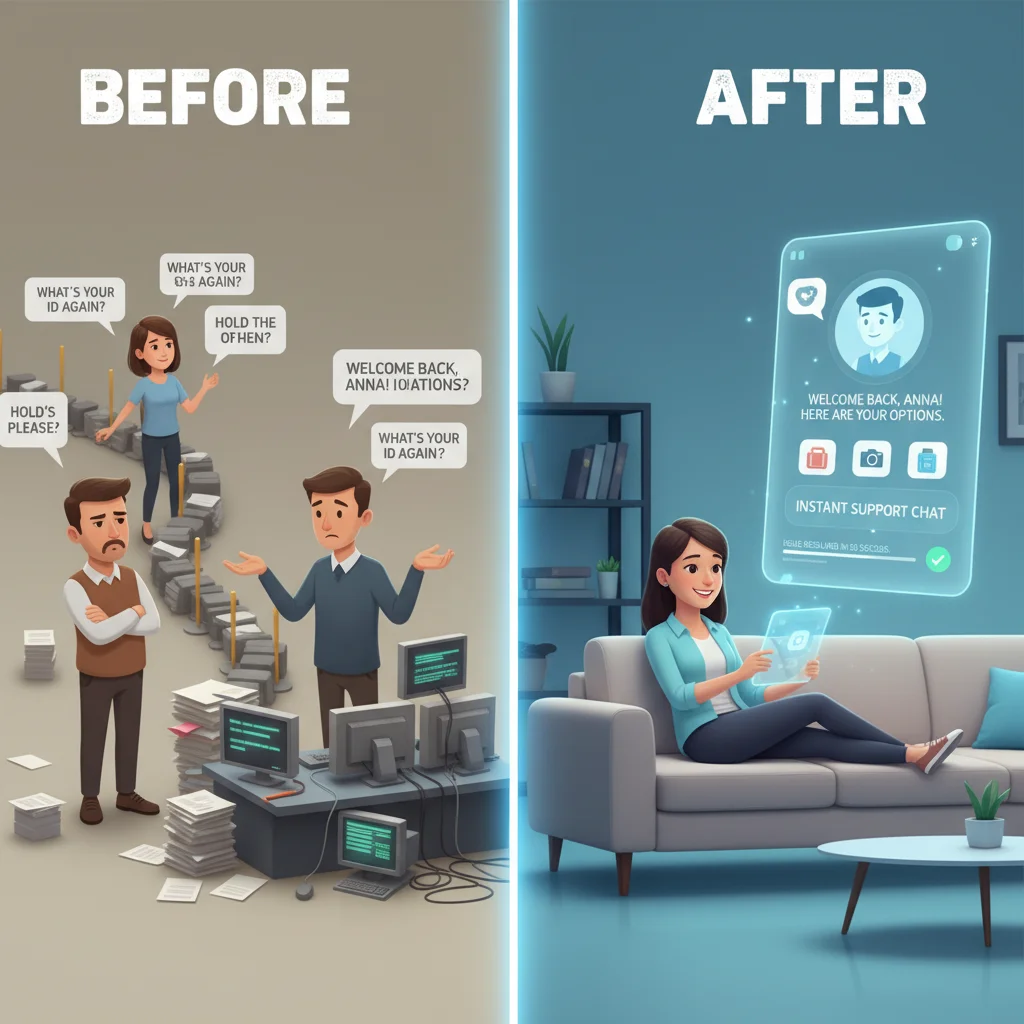
Customers interact with brands across numerous channels – email, social media, live chat, phone, mobile apps, and in-store. Next-gen platforms provide a seamless omnichannel experience, ensuring that customer interactions are consistent and continuous, regardless of the channel. A customer starting a conversation on live chat can continue it via email without repeating information. This fluidity reduces friction and frustration, leading to higher customer satisfaction and stronger customer retention.
5. Advanced Analytics and Reporting
Beyond basic reporting, these platforms offer sophisticated analytics that provide deep insights into customer behavior, journey mapping, and the effectiveness of retention strategies. Businesses can track key performance indicators (KPIs) like churn rate, customer lifetime value (CLTV), net promoter score (NPS), and customer satisfaction (CSAT) in real-time. This data-driven approach allows for continuous optimization and refinement of customer retention efforts.
6. Automation of Customer Journeys
From onboarding sequences to re-engagement campaigns and loyalty programs, next-gen platforms automate complex customer journeys. This ensures timely and relevant communication at every stage of the customer lifecycle, without manual intervention. Automation frees up valuable human resources to focus on more complex customer issues and strategic initiatives, while ensuring no customer interaction opportunity is missed, thereby bolstering customer retention.
Strategies for Implementing Next-Gen Digital Platforms to Boost Customer Retention
Implementing a new digital platform requires careful planning and strategic execution. To achieve a 40% improvement in customer retention, consider these key strategies:
1. Define Clear Customer Retention Goals
Before selecting any platform, clearly define what you aim to achieve. Are you looking to reduce churn by a specific percentage? Increase repeat purchases? Improve customer satisfaction scores? Specific, measurable, achievable, relevant, and time-bound (SMART) goals will guide your platform selection and implementation process, keeping your customer retention objectives at the forefront.
2. Audit Your Existing Customer Journey and Data Landscape
Understand your current customer journey, identifying pain points, drop-off points, and opportunities for improvement. Simultaneously, audit your existing data sources and their quality. A clean and comprehensive data foundation is critical for the success of any next-gen platform. This audit will highlight areas where the new platform can make the most significant impact on customer retention.
3. Choose the Right Platform for Your Business Needs
The market is flooded with options. Look for platforms that offer scalability, robust integration capabilities, strong AI/ML features, a unified CDP, and excellent vendor support. Consider your industry, business size, and specific customer retention challenges. A platform that aligns with your strategic vision will yield the best results for customer retention.
4. Prioritize Data Integration and Migration
A seamless integration of all your customer data sources into the new platform’s CDP is paramount. This may involve migrating historical data and setting up real-time data feeds. Ensure data accuracy and consistency during this process, as the quality of your data directly impacts the effectiveness of your customer retention efforts.
5. Develop a Phased Implementation Plan
Avoid trying to implement everything at once. Start with critical functionalities that will deliver immediate value and impact customer retention, such as unified customer profiles or personalized email campaigns. Gradually roll out additional features, allowing your team to adapt and optimize processes along the way. This iterative approach minimizes disruption and maximizes success.
6. Train Your Team Extensively
Even the most advanced platform is only as good as the people using it. Provide comprehensive training to your sales, marketing, and customer service teams. Ensure they understand how to leverage the platform’s features to enhance customer interactions, personalize experiences, and proactively address customer needs. Empowering your team is key to improving customer retention.
7. Focus on Personalization and Proactive Engagement
Once the platform is live, actively use its capabilities for hyper-personalization. Segment your audience, create targeted campaigns, and leverage AI for predictive insights. Implement proactive outreach based on customer behavior (e.g., abandoned carts, low engagement, milestone anniversaries). Proactive engagement makes customers feel valued and significantly boosts customer retention.
8. Continuously Monitor, Analyze, and Optimize
Implementation is not a one-time event. Continuously monitor key customer retention metrics through the platform’s analytics. Analyze the data to identify what’s working and what’s not. Use these insights to refine your strategies, A/B test different approaches, and optimize your customer journeys for continuous improvement in customer retention.
Real-World Impact: How Next-Gen Platforms Drive a 40% Improvement in Customer Retention
The promise of a 40% improvement in customer retention is not an exaggeration; it’s a realistic outcome for businesses that strategically adopt and leverage next-gen digital platforms. Here’s how this significant uplift is achieved:
Reduced Churn Through Predictive Analytics
AI-powered predictive analytics can identify customers at risk of churning long before they leave. By analyzing behavioral patterns, engagement levels, and historical data, the platform can flag at-risk customers, allowing your team to intervene with targeted offers, proactive support, or personalized outreach. This preventative approach directly reduces churn and improves customer retention.
Enhanced Customer Experience (CX)
A seamless, personalized, and efficient customer experience is the bedrock of loyalty. Next-gen platforms enable businesses to deliver consistent, high-quality experiences across all touchpoints. When customers feel understood, valued, and supported, their satisfaction increases, making them less likely to seek alternatives. This superior CX is a primary driver of improved customer retention.
Increased Customer Lifetime Value (CLTV)
By fostering deeper relationships and understanding customer needs, businesses can effectively upsell and cross-sell relevant products or services. Personalized recommendations driven by AI lead to higher purchase frequency and larger transaction values over time. A longer customer lifespan, coupled with increased spending, directly boosts CLTV, a key indicator of successful customer retention.
Stronger Brand Loyalty and Advocacy
When customers consistently receive exceptional, personalized service and feel a strong connection with a brand, they become loyal advocates. They are more likely to recommend your business to others, generating valuable word-of-mouth referrals. This organic growth, fueled by satisfied customers retained through next-gen platforms, creates a virtuous cycle of success.
Operational Efficiency and Cost Savings
While not directly a customer retention metric, the operational efficiencies gained through automation and integrated processes free up resources. This allows teams to focus more on strategic customer engagement rather than manual tasks. Reduced customer service resolution times and optimized marketing spend also contribute indirectly to a better customer experience, supporting customer retention efforts.
Challenges and Considerations in Adopting Next-Gen Customer Retention Platforms
While the benefits are substantial, implementing these advanced platforms isn’t without its challenges. Businesses must be prepared to address:
- Data Privacy and Security: With more centralized data, robust security measures and compliance with regulations like GDPR and CCPA are paramount. Trust is a critical component of customer retention.
- Integration Complexity: Integrating new platforms with existing legacy systems can be complex and require significant technical expertise.
- Cost of Implementation and Maintenance: Next-gen platforms represent a significant investment, not just in licensing but also in implementation, customization, and ongoing maintenance.
- Change Management: Adopting new technologies requires a cultural shift within the organization. Employees must be willing to learn new tools and adapt to new workflows.
- Vendor Lock-in: Choosing a platform that offers flexibility and open APIs can mitigate the risk of being overly dependent on a single vendor.
Addressing these challenges proactively is crucial for a successful implementation that truly drives improved customer retention.
The Future of Customer Retention: Continuous Innovation
The landscape of customer retention is constantly evolving. As technology advances, so too will the capabilities of digital platforms. We can expect to see further integration of:
- Even more sophisticated AI: Predictive capabilities will become more precise, enabling hyper-proactive engagement.
- Voice and conversational AI: Natural language processing will enhance customer interactions across more channels.
- Virtual and Augmented Reality (VR/AR): These technologies could offer immersive customer experiences, particularly in retail and service industries.
- Blockchain for loyalty programs: Enhancing transparency and security in customer rewards.
Staying abreast of these innovations will be key for businesses looking to maintain a competitive edge and continually optimize their customer retention strategies.
Conclusion: Invest in Next-Gen Platforms for Sustainable Customer Retention Growth
Moving beyond basic CRMs to implement next-gen digital platforms is no longer an option but a necessity for businesses aiming for sustainable growth and a significant boost in customer retention. These integrated ecosystems, powered by AI, unified data, and hyper-personalization, empower organizations to understand, engage, and delight their customers in ways previously unimaginable.
The promise of a 40% improvement in customer retention is a testament to the transformative power of these platforms. By strategically adopting and leveraging these advanced tools, businesses can build stronger customer relationships, enhance loyalty, reduce churn, and ultimately drive greater profitability. The investment in such platforms is an investment in the long-term health and success of your business, ensuring that your customers don’t just stay, but thrive with you.
Embrace the future of customer relationship management today, and unlock the full potential of your customer base through intelligent, data-driven, and personalized experiences.