Mapping the US Customer Journey: 5 Key Touchpoints for 2026 Improvement
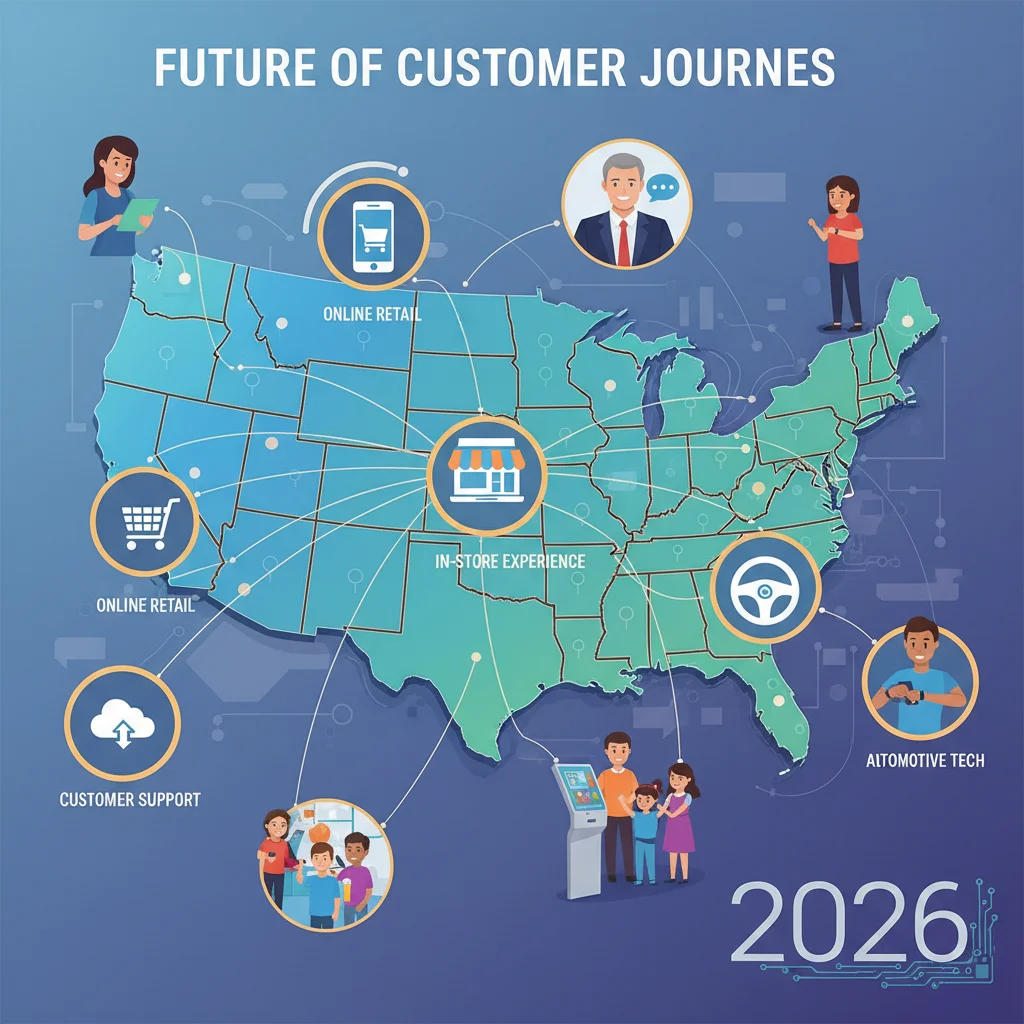
Mapping the US Customer Journey: Identifying 5 Key Touchpoints for 2026 Improvement
In the dynamic landscape of the modern marketplace, understanding the US customer journey is more critical than ever. As businesses look towards 2026 and beyond, the ability to accurately map, analyze, and optimize every interaction a customer has with a brand will be the cornerstone of sustainable growth and competitive advantage. The traditional linear path of awareness, consideration, purchase, and loyalty has evolved into a complex, multi-channel, and often non-linear experience. Customers today are empowered with information, demanding personalized experiences, instant gratification, and authentic connections. This comprehensive guide will dissect the critical touchpoints within the US customer journey that demand immediate attention and strategic improvement for businesses aiming to thrive by 2026.
The digital revolution, accelerated by recent global shifts, has fundamentally reshaped consumer behavior. From initial discovery to post-purchase advocacy, each stage of the US customer journey is now imbued with digital interactions, often interwoven with physical experiences. This blend, commonly referred to as an omnichannel approach, presents both immense opportunities and significant challenges. Businesses must move beyond simply being present on multiple channels; they must ensure a seamless, consistent, and personalized experience across all of them. Failure to do so can lead to fragmented customer experiences, diminished loyalty, and ultimately, lost revenue. Our focus here is not just on identifying these touchpoints, but on providing actionable insights for their optimization, ensuring your brand resonates deeply with the American consumer.
The Evolving Landscape of the US Customer Journey
Before diving into specific touchpoints, it’s essential to acknowledge the broader shifts influencing the US customer journey. Consumer expectations are at an all-time high. Personalization is no longer a luxury but a baseline expectation. Customers expect brands to anticipate their needs, remember their preferences, and communicate with them in a relevant and timely manner. Data privacy concerns are also paramount, requiring businesses to be transparent and responsible with customer information while still leveraging it for improved experiences. Furthermore, the rise of conscious consumerism means that values, ethics, and social responsibility play an increasingly significant role in purchasing decisions. Brands that align with these values often build stronger, more loyal customer bases.
Technological advancements are continuously introducing new ways for customers to interact with brands. Artificial intelligence (AI), machine learning (ML), virtual reality (VR), and augmented reality (AR) are no longer futuristic concepts but are actively shaping various aspects of the US customer journey. From AI-powered chatbots providing instant support to AR-enabled apps allowing customers to virtually “try on” products, these technologies are enhancing convenience, engagement, and decision-making. Businesses that embrace these innovations strategically will be better positioned to meet evolving customer demands and differentiate themselves in a crowded market. The goal is to create a frictionless, delightful, and memorable experience at every turn, transforming mere transactions into meaningful relationships.
Defining Key Touchpoints: Why They Matter for 2026
A touchpoint is any point of interaction between a customer and a brand, whether direct or indirect. These can range from seeing an advertisement to visiting a website, making a purchase, or contacting customer service. Identifying and optimizing these touchpoints is crucial because each one presents an opportunity to influence customer perception, build trust, and drive desired actions. By 2026, the brands that meticulously map and continuously refine these touchpoints will be the ones that capture and retain market share. Our analysis will focus on five particularly impactful areas that are ripe for strategic improvement.
Understanding the nuances of each touchpoint allows businesses to allocate resources effectively, personalize communications, and ultimately, craft a superior customer experience. It’s about seeing the journey through the customer’s eyes, identifying pain points, and transforming them into moments of delight. This proactive approach to customer journey mapping is not a one-time exercise but an ongoing commitment to understanding and adapting to changing consumer behaviors and technological advancements. Let’s delve into the five key touchpoints that will define success in the US customer journey by 2026.
1. Hyper-Personalized Discovery and Awareness
The initial stage of the US customer journey – discovery and awareness – has undergone a profound transformation. Gone are the days of mass marketing campaigns as the sole means of reaching potential customers. Today, consumers are bombarded with information, making it challenging for brands to cut through the noise. The key to success by 2026 lies in hyper-personalization, leveraging data and advanced analytics to deliver highly relevant and timely messages that resonate with individual consumer needs and preferences.
This means moving beyond basic demographic targeting. Instead, brands must utilize sophisticated data insights, including browsing history, purchase behavior, social media activity, and even real-time contextual information, to craft tailored content and advertisements. Think about AI-powered recommendation engines that suggest products based on past interactions, or dynamic ad creatives that adapt to a user’s location and current interests. The goal is to make the discovery phase feel less like an interruption and more like a helpful suggestion, aligning perfectly with the customer’s immediate needs or aspirations.
Strategies for Improvement:
- Advanced Data Analytics: Invest in robust data analytics platforms to gather and interpret a wide array of customer data. This includes not just first-party data but also ethical third-party data to build comprehensive customer profiles.
- AI-Powered Content Personalization: Implement AI algorithms to dynamically generate and deliver personalized content, product recommendations, and offers across all digital channels, from websites and emails to social media feeds.
- Contextual Marketing: Utilize location-based services, time of day, and current events to deliver highly relevant and timely messages. For example, a coffee shop could send a personalized offer to customers passing by during their morning commute.
- Interactive Content: Employ quizzes, polls, and interactive guides that not only engage customers but also gather valuable preference data to further refine personalization efforts.
- Influencer Marketing with Authenticity: Partner with micro and nano-influencers whose followers genuinely align with your brand values, ensuring that discovery through these channels feels authentic and trustworthy.
By perfecting this initial touchpoint, businesses can significantly improve their chances of capturing attention and guiding potential customers further down the US customer journey. It’s about creating a relevant and compelling first impression that sparks genuine interest.
2. Seamless Omnichannel Engagement and Consideration
Once a customer is aware of your brand, the consideration phase of the US customer journey begins. This is where they actively research, compare, and engage with your offerings. By 2026, the expectation for a seamless omnichannel experience will be non-negotiable. Customers will move fluidly between digital and physical channels – browsing products online, visiting a store to see them in person, chatting with a customer service representative via an app, and then completing the purchase on their desktop. Each of these interactions must be connected, consistent, and provide a unified view of the customer.
A truly seamless omnichannel experience means that a customer’s journey can start on one channel and flawlessly continue on another without any loss of context. For example, if a customer adds items to their cart on a mobile app, those items should still be there when they log in on their desktop. If they chat with a customer service agent online, the agent should have access to their browsing history and previous interactions. This eliminates frustration and creates a sense of efficiency and understanding, reinforcing the idea that the brand values their time and preferences.

Strategies for Improvement:
- Unified Customer Profiles: Implement a Customer Relationship Management (CRM) system that integrates data from all touchpoints, providing a 360-degree view of each customer. This allows for personalized interactions regardless of the channel.
- Consistent Brand Messaging: Ensure that your brand’s voice, visual identity, and core messaging are consistent across all online and offline channels. This builds trust and reinforces brand recognition.
- Click-and-Collect/BOPIS (Buy Online, Pick Up In Store): Offer flexible fulfillment options that cater to customer convenience, blending the advantages of online shopping with the immediacy of physical retail.
- In-Store Digital Integration: Equip sales associates with tablets or mobile devices that provide access to customer profiles, product information, and inventory levels, enabling them to offer personalized assistance and recommendations.
- Personalized Communication Across Channels: Use automation tools to trigger personalized emails, SMS messages, or in-app notifications based on customer behavior on any channel, guiding them through the consideration phase.
Mastering omnichannel engagement is about removing friction and making it as easy and enjoyable as possible for customers to explore and evaluate your offerings. This is a critical factor in converting interest into intent within the US customer journey.
3. Frictionless Purchase and Transaction
The purchase moment is arguably the most critical touchpoint in the entire US customer journey. All the efforts in discovery and consideration culminate here. By 2026, customers will have zero tolerance for friction during the transaction process. Any obstacles – a slow loading page, a complicated checkout form, unclear shipping information, or limited payment options – can lead to abandoned carts and lost sales. The focus must be on creating an effortlessly smooth and secure purchasing experience.
This extends beyond just the checkout page. It encompasses the entire journey from the moment a customer decides to buy to the confirmation of their order. Mobile optimization is paramount, as a significant portion of online purchases are now initiated and completed on smartphones. Payment flexibility is also key, with the rise of digital wallets, buy-now-pay-later options, and cryptocurrency payments gaining traction. Transparency around pricing, shipping costs, and return policies builds trust and prevents last-minute surprises that can deter a purchase.
Strategies for Improvement:
- Streamlined Checkout Process: Minimize the number of steps and form fields required to complete a purchase. Offer guest checkout options and auto-fill capabilities.
- Mobile-First Design: Ensure your entire website and particularly the checkout flow is fully optimized for mobile devices, providing a responsive and intuitive user experience.
- Diverse Payment Options: Offer a wide range of secure payment methods, including major credit cards, PayPal, Apple Pay, Google Pay, and relevant “buy now, pay later” services.
- Clear and Transparent Information: Provide upfront and unambiguous information regarding pricing, taxes, shipping costs, delivery times, and return policies.
- Real-time Inventory and Order Tracking: Keep customers informed about product availability and provide robust order tracking capabilities post-purchase, reducing anxiety and the need for customer service inquiries.
- One-Click Ordering/Saved Information: For returning customers, enable the option to save payment and shipping information for quicker future purchases.
A frictionless purchase touchpoint not only boosts conversion rates but also sets a positive tone for the post-purchase experience, a vital component of the ongoing US customer journey.
4. Proactive Post-Purchase Support and Engagement
The US customer journey doesn’t end with a purchase; in fact, this is where the opportunity to build lasting loyalty truly begins. By 2026, customers will expect proactive, personalized, and efficient post-purchase support and engagement. This means anticipating their needs, addressing potential issues before they arise, and continuing to provide value even after the transaction is complete. A positive post-purchase experience can transform a one-time buyer into a loyal advocate.
This touchpoint encompasses everything from order confirmation and shipping updates to product usage guidance, warranty information, and easy access to customer service. The rise of self-service options, powered by AI and comprehensive knowledge bases, is also critical. Customers often prefer to find answers themselves, making robust self-service tools a powerful component of post-purchase support. Moreover, personalized follow-up communication, offering relevant tips or complementary products, can enhance satisfaction and encourage repeat business.
Strategies for Improvement:
- Proactive Communication: Send timely and informative updates about order status, shipping, and delivery. Anticipate common questions and provide answers before customers have to ask.
- Self-Service Resources: Develop comprehensive FAQs, knowledge bases, and video tutorials that allow customers to find solutions independently, 24/7.
- AI-Powered Chatbots for Instant Support: Implement chatbots that can handle common queries, provide instant answers, and seamlessly escalate complex issues to human agents when necessary.
- Personalized Onboarding and Usage Tips: For complex products or services, provide personalized onboarding sequences and usage tips to help customers maximize value and avoid frustration.
- Easy Returns and Exchanges: Design a straightforward and hassle-free return and exchange process, as this can significantly impact customer satisfaction and future purchasing decisions.
- Feedback Collection and Action: Actively solicit feedback post-purchase through surveys or review requests and demonstrate that you are listening by implementing changes based on customer input.
By excelling in post-purchase support, businesses can significantly reduce churn, foster positive word-of-mouth, and cultivate a strong sense of loyalty within the US customer journey.
5. Community Building and Advocacy
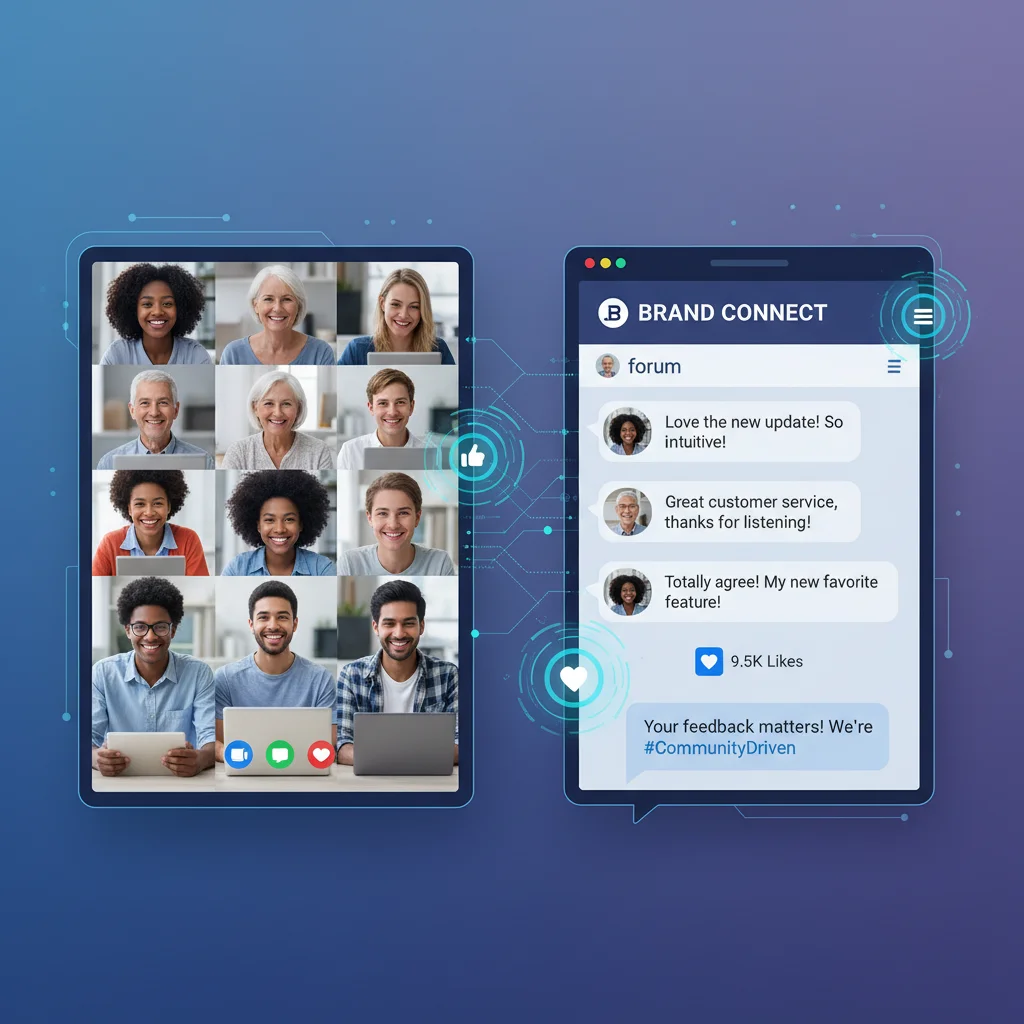
The final, yet perpetually ongoing, touchpoint in the US customer journey for 2026 is fostering community and encouraging advocacy. In an era of social connectivity, customers don’t just want to buy from brands; they want to belong to them. Creating a sense of community around your brand transforms customers into ambassadors, driving organic growth and building a resilient brand reputation. This goes beyond simple loyalty programs; it’s about creating spaces where customers can connect with each other and with the brand on a deeper level.
This can manifest in various forms: online forums, social media groups, exclusive events, or user-generated content campaigns. The key is to empower customers to share their experiences, offer feedback, and contribute to the brand narrative. When customers feel heard and valued, they become powerful advocates, sharing their positive experiences within their networks. This organic word-of-mouth marketing is incredibly potent, especially in the US market where consumers often trust peer recommendations more than traditional advertising.
Strategies for Improvement:
- Dedicated Online Communities: Create branded forums, Facebook groups, or Discord servers where customers can interact, share tips, and provide feedback.
- User-Generated Content (UGC) Campaigns: Encourage customers to share their experiences with your products or services on social media using specific hashtags, and feature the best content on your own channels.
- Loyalty Programs with Experiential Rewards: Move beyond simple discounts to offer exclusive access to new products, VIP events, or unique brand experiences as rewards for loyalty.
- Brand Ambassador Programs: Identify and nurture your most passionate customers to become official brand ambassadors, providing them with early access, exclusive content, and opportunities to represent your brand.
- Feedback Loops and Co-Creation: Involve loyal customers in product development, beta testing, or content creation, making them feel like an integral part of your brand’s evolution.
- Responsive Social Media Engagement: Actively monitor and respond to customer comments, questions, and reviews on social media platforms, demonstrating that you value their input and are engaged with your community.
By building a strong community and nurturing advocacy, businesses can foster long-term relationships that extend far beyond transactional interactions, creating a robust and self-sustaining element within the US customer journey.
Measuring Success and Adapting for 2026
Identifying and optimizing these five key touchpoints is only half the battle. To truly succeed in the evolving US customer journey by 2026, businesses must establish robust mechanisms for measuring the effectiveness of their strategies and be prepared to adapt continuously. This involves leveraging a blend of quantitative and qualitative data to gain a holistic understanding of customer sentiment and behavior across all touchpoints.
Key performance indicators (KPIs) relevant to the customer journey include customer acquisition cost (CAC), customer lifetime value (CLTV), churn rate, net promoter score (NPS), customer satisfaction (CSAT) scores, and conversion rates at each stage. However, quantitative data alone is insufficient. Qualitative insights, gathered through customer interviews, focus groups, sentiment analysis of social media mentions, and direct feedback, provide invaluable context and help uncover underlying motivations and pain points that numbers might miss.
The market is constantly shifting, influenced by technological advancements, economic factors, and changing societal values. Therefore, customer journey mapping and optimization should not be a static exercise but an iterative process. Regular audits of touchpoints, A/B testing of new strategies, and a culture of continuous improvement are essential. Brands that remain agile, data-driven, and customer-centric will be the ones that not only meet but exceed customer expectations in the highly competitive US market.
Key Metrics to Monitor:
- Customer Lifetime Value (CLTV): A key indicator of long-term customer relationships and the overall success of your journey optimization efforts.
- Net Promoter Score (NPS): Measures customer loyalty and willingness to recommend your brand, directly reflecting the quality of the overall experience.
- Customer Satisfaction (CSAT): Specific to individual interactions, helping to pinpoint areas of strength and weakness within particular touchpoints.
- Conversion Rates at Each Stage: Track how effectively customers move from one stage of the journey to the next, identifying bottlenecks.
- Churn Rate: The percentage of customers who stop doing business with you, a critical metric for post-purchase success.
- Time to Resolution (TTR) for Support: Measures the efficiency of your customer service touchpoints.
By diligently tracking these metrics and actively seeking customer feedback, businesses can make informed decisions, refine their strategies, and ensure their US customer journey remains optimized for 2026 and beyond. The future of business success in the US hinges on a deep and ongoing commitment to understanding and serving the customer at every single touchpoint.
Conclusion: A Future-Proofed US Customer Journey
The US customer journey is a multifaceted and evolving entity, demanding continuous attention and strategic refinement. By focusing on hyper-personalized discovery, seamless omnichannel engagement, frictionless purchase experiences, proactive post-purchase support, and robust community building, businesses can significantly enhance customer satisfaction and loyalty by 2026. These five key touchpoints are not isolated elements but interconnected components of a holistic customer experience strategy.
The brands that will lead the market in the coming years are those that view their customers not just as transactions, but as individuals on a journey, each unique and valuable. Leveraging data, embracing emerging technologies, and fostering a customer-centric culture are the foundational pillars for success. As the digital and physical worlds continue to converge, the ability to deliver consistent, personalized, and delightful experiences across all touchpoints will be the ultimate differentiator. Investing in these areas now will not only future-proof your business but also cultivate a loyal customer base that drives sustainable growth and advocacy in the competitive US market.
By meticulously mapping, analyzing, and optimizing each of these critical interactions, businesses can transform the complex US customer journey into a smooth, enjoyable, and ultimately rewarding experience for both the customer and the brand. The time to act is now, to ensure your business is not just participating but leading the way in customer experience by 2026.