Voice of the Customer (VoC): Transforming Feedback into a 25% Higher NPS Score by 2026

Voice of the Customer (VoC): Transforming Feedback into a 25% Higher NPS Score by 2026
In today’s fiercely competitive market, customer satisfaction is no longer just a goal; it’s the bedrock of sustainable business growth. Companies that genuinely listen to their customers, understand their needs, and act on their feedback are the ones that thrive. This fundamental principle underpins the concept of Voice of the Customer (VoC). A well-executed VoC program is not merely about collecting feedback; it’s about creating a systematic process to gather, analyze, and respond to customer insights, ultimately leading to a superior customer experience and, crucially, a higher Net Promoter Score (NPS).
Imagine a future where your customers are not just satisfied but are enthusiastic advocates for your brand. A future where your NPS score has soared by a remarkable 25% by 2026. This isn’t a pipe dream; it’s an achievable reality through the strategic implementation of VoC. This comprehensive guide will delve deep into the world of VoC, exploring its intricacies, methodologies, and the profound impact it can have on your NPS and overall business success.
We will uncover how to move beyond basic surveys to build a holistic VoC strategy that captures authentic customer sentiment across all touchpoints. We’ll discuss cutting-edge analytical techniques for transforming raw data into actionable insights and, most importantly, how to embed these insights into your organizational DNA to drive continuous improvement. By the end of this article, you will have a clear roadmap to leverage VoC as your most powerful tool for achieving a significant increase in your NPS score and fostering unwavering customer loyalty.
Understanding the Core: What is Voice of the Customer (VoC)?
At its heart, Voice of the Customer (VoC) is a comprehensive program designed to capture and understand the needs, expectations, preferences, and aversions of your customers. It’s about giving your customers a platform to voice their opinions and, more importantly, ensuring those voices are heard and acted upon within your organization. VoC goes beyond traditional market research; it’s an ongoing, dynamic process that integrates customer feedback into every facet of business operations, from product development and service delivery to marketing and sales. The goal is to build a 360-degree view of the customer, enabling businesses to make informed decisions that resonate with their target audience.
Why is VoC Critical for Business Success?
The importance of VoC cannot be overstated in today’s customer-centric landscape. Here’s why it’s a non-negotiable for any forward-thinking business:
- Enhanced Customer Experience (CX): By understanding pain points and preferences, businesses can tailor their products, services, and interactions to create exceptional experiences.
- Improved Product and Service Development: VoC provides invaluable insights for innovating and refining offerings, ensuring they meet real market demands.
- Increased Customer Retention and Loyalty: When customers feel heard and valued, their loyalty to a brand strengthens, leading to higher retention rates.
- Reduced Churn: Identifying and addressing customer dissatisfaction proactively can prevent customers from leaving for competitors.
- Competitive Advantage: Businesses that effectively leverage VoC can differentiate themselves by consistently delivering superior customer experiences.
- Data-Driven Decision Making: VoC transforms subjective opinions into concrete data that can inform strategic business decisions.
- Higher Net Promoter Score (NPS): This is perhaps one of the most tangible benefits. By systematically addressing customer feedback, businesses can convert detractors into passives and passives into promoters, directly impacting their NPS.
The Net Promoter Score (NPS): A Key Metric for Customer Loyalty
The Net Promoter Score (NPS) is a widely recognized and respected metric that measures customer loyalty and satisfaction. It is based on a single, simple question: "On a scale of 0 to 10, how likely are you to recommend [Company/Product/Service] to a friend or colleague?" Based on their responses, customers are categorized into three groups:
- Promoters (9-10): These are loyal enthusiasts who will keep buying and refer others, fueling growth.
- Passives (7-8): These are satisfied but unenthusiastic customers who are vulnerable to competitive offerings.
- Detractors (0-6): These are unhappy customers who can damage your brand and impede growth through negative word-of-mouth.
The NPS is calculated by subtracting the percentage of Detractors from the percentage of Promoters. The resulting score can range from -100 to +100. A higher NPS indicates greater customer loyalty and a stronger potential for growth. Our ambitious goal of a 25% higher NPS by 2026 is a testament to the transformative power of a well-executed VoC strategy.
The Symbiotic Relationship: VoC and NPS
VoC and NPS are inextricably linked. NPS provides a quantitative measure of customer loyalty, while VoC offers the qualitative insights needed to understand why customers feel the way they do. VoC helps you pinpoint the drivers behind your NPS score – both the positive factors that create promoters and the negative ones that generate detractors. Without VoC, your NPS is just a number; with VoC, it becomes a powerful diagnostic tool, guiding your efforts to improve customer experience and, consequently, your NPS.
Building a Robust VoC Strategy: Foundations for Success
Achieving a 25% higher NPS by 2026 requires a well-structured and continuously evolving VoC strategy. This involves several critical components:
1. Comprehensive Feedback Collection Channels
The first step in any effective VoC program is to collect feedback from a variety of sources across all customer touchpoints. Relying on a single channel will only give you a partial view of the customer experience. Consider incorporating a mix of the following:
- Surveys:
- Transactional Surveys (e.g., Post-interaction surveys): Sent immediately after a specific interaction (e.g., customer service call, purchase, website visit) to gauge satisfaction with that particular touchpoint.
- Relationship Surveys (e.g., Annual surveys): Broader surveys designed to measure overall customer satisfaction and loyalty over time. This is where your NPS question typically resides.
- Ad-hoc Surveys: For specific events, product launches, or feature updates.
- Social Media Monitoring: Actively track mentions, comments, and reviews on platforms like Twitter, Facebook, Instagram, and LinkedIn. Social listening tools can help you capture sentiment and identify emerging trends.
- Online Reviews and Ratings: Monitor platforms like Google My Business, Yelp, Trustpilot, and industry-specific review sites. These often provide unsolicited, authentic feedback.
- Customer Service Interactions: Transcripts and recordings of calls, live chats, and email exchanges with customer support agents are a goldmine of information about customer pain points and common issues.
- Website and App Analytics: Understand user behavior, navigation patterns, and drop-off points to identify areas of friction in the digital experience.
- Direct Feedback Forms/Suggestion Boxes: Provide easy ways for customers to submit unsolicited feedback on your website or within your product.
- Focus Groups and Interviews: For deeper qualitative insights, conduct structured discussions with a select group of customers to explore specific topics in detail.
- Employee Feedback: Your frontline employees interact with customers daily and often have invaluable insights into their needs and frustrations.
2. Advanced Data Analysis and Insights Generation
Collecting data is only half the battle; the real value of VoC lies in transforming that raw data into actionable insights. This requires robust analytical capabilities:
- Text Analytics and Natural Language Processing (NLP): These technologies can automatically process large volumes of unstructured text data (e.g., survey comments, social media posts, call transcripts) to identify themes, sentiment, and keywords.
- Sentiment Analysis: Determine the emotional tone behind customer feedback – positive, negative, or neutral. This helps prioritize issues and celebrate successes.
- Root Cause Analysis: Don’t just identify symptoms; dig deeper to uncover the underlying reasons for customer dissatisfaction or delight.
- Trend Analysis: Monitor feedback over time to identify patterns, emerging issues, and the impact of changes you’ve implemented.
- Correlation and Regression Analysis: Connect specific customer experiences or feedback points to key business outcomes, such as NPS, churn, or revenue.
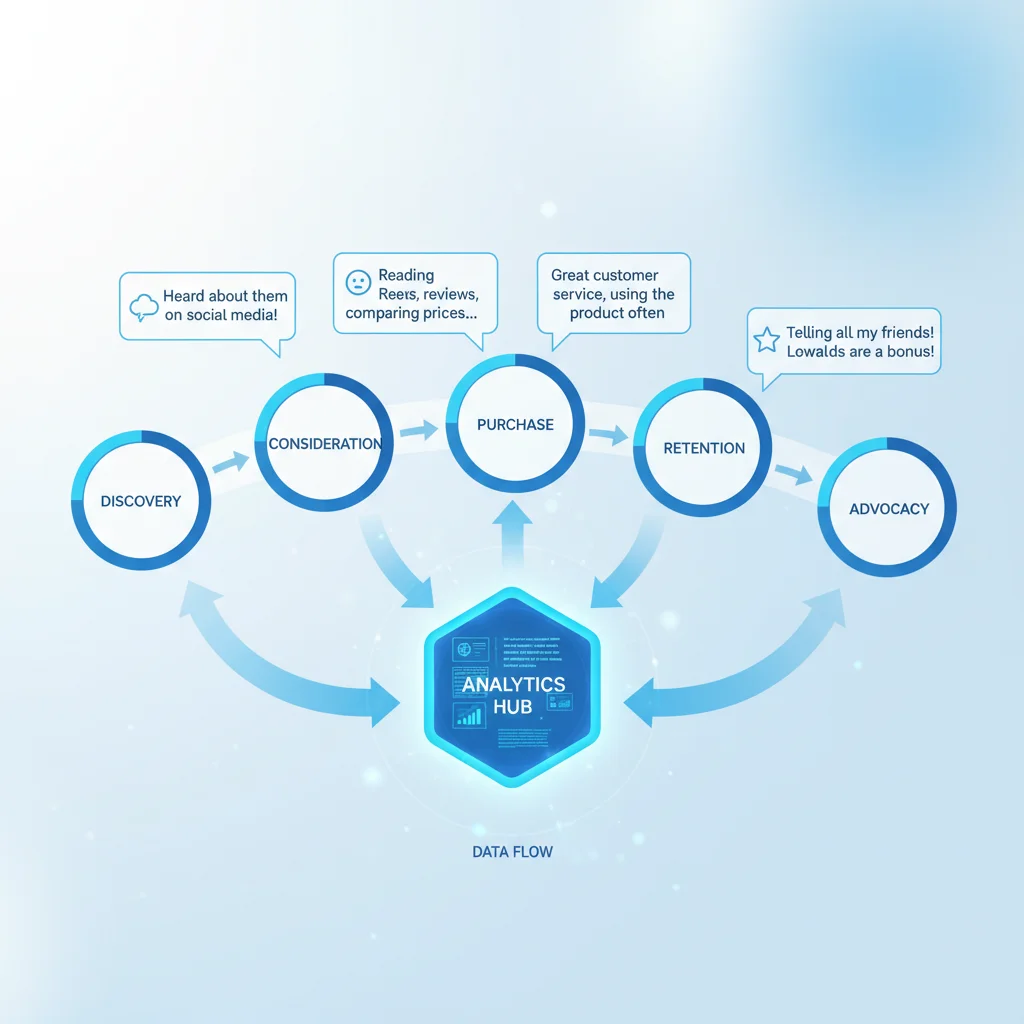
- Customer Journey Mapping: Visualize the entire customer journey from their perspective, identifying critical touchpoints and potential areas for improvement. This helps in understanding the context of feedback.
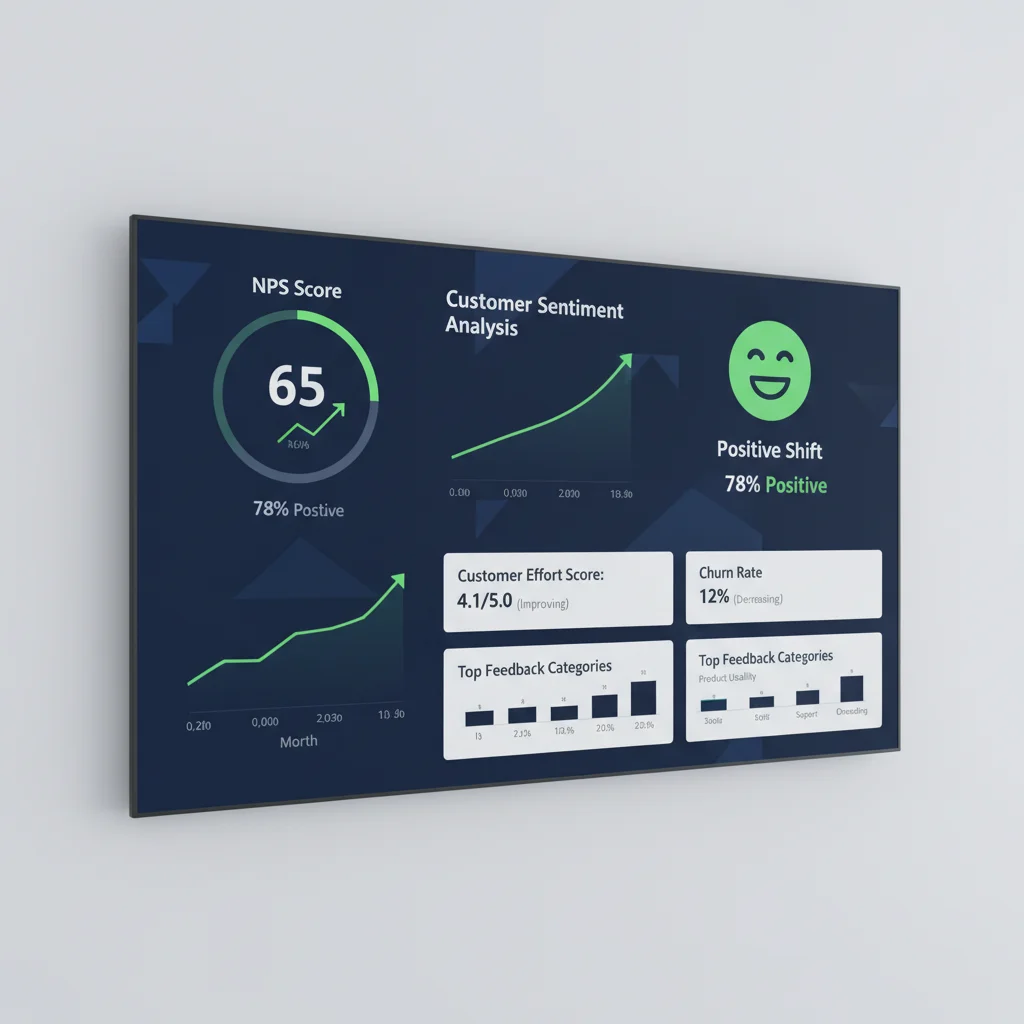
A sophisticated VoC platform often integrates these analytical tools, providing dashboards and reports that make insights accessible to relevant stakeholders across the organization. The aim is to move from data collection to insight generation, providing clear, concise, and actionable intelligence that can directly influence your NPS.
3. Actionable Insights and Closed-Loop Feedback
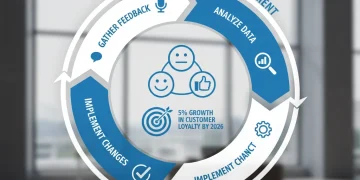
The most crucial aspect of any VoC program is the ability to act on feedback and close the loop with customers. This involves:
- Prioritization: Not all feedback is equally important. Use data to identify the most impactful issues that, if addressed, will have the greatest positive effect on customer experience and NPS.
- Assignment and Accountability: Assign ownership for addressing specific feedback items or themes to relevant teams or individuals. Establish clear timelines and expectations.
- Implementation of Changes: Translate insights into concrete actions. This could involve product enhancements, process improvements, training for customer service teams, or updates to marketing messages.
- Closing the Loop with Customers: Inform customers about the actions taken based on their feedback. This demonstrates that their voice is valued and reinforces their loyalty. For individual customers, this might mean a direct follow-up. For broader issues, it could be a public announcement or update.
- Measuring Impact: Continuously monitor whether the changes implemented have had the desired effect on customer satisfaction and, specifically, on your NPS. This completes the feedback loop and informs future actions.
Strategies to Achieve a 25% Higher NPS by 2026 with VoC
To realize our ambitious goal of a 25% higher NPS, your VoC strategy needs to be proactive, integrated, and relentlessly focused on continuous improvement. Here are key strategies:
1. Integrate VoC Across All Departments
VoC should not be confined to the customer service department. For true impact, it must be a company-wide initiative. Product development teams can use feedback to prioritize features, marketing can refine messaging, sales can understand customer needs better, and operations can streamline processes. When everyone has access to and understands customer insights, decisions become inherently more customer-centric, leading to a unified, positive customer experience that boosts NPS.
2. Personalize the Customer Experience
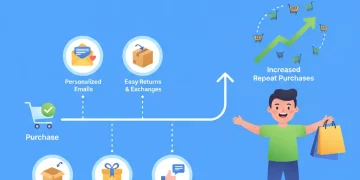
Leverage VoC data to understand individual customer preferences and tailor interactions accordingly. Personalized experiences make customers feel valued and understood, significantly contributing to higher satisfaction and loyalty. This could range from personalized product recommendations to proactive support based on past interactions.
3. Proactive Issue Resolution
Use VoC insights to anticipate and address potential customer issues before they escalate. For instance, if feedback indicates a common problem with a specific product feature, a proactive communication or a quick fix can prevent a wave of detractors. This demonstrates a commitment to customer satisfaction and can turn potential negative experiences into positive ones.
4. Empower Frontline Employees
Your customer-facing employees are often the first to hear customer feedback. Empower them with the tools, training, and authority to resolve issues quickly and effectively. Provide them with access to VoC insights so they can better understand customer sentiment and context. Happy, empowered employees are more likely to deliver exceptional service, which directly impacts NPS.
5. Benchmark and Set Clear Targets
Regularly benchmark your NPS against competitors and industry leaders. Set specific, measurable, achievable, relevant, and time-bound (SMART) goals for your NPS improvement. Our target of a 25% increase by 2026 is an excellent example. Break down this overarching goal into smaller, manageable targets for specific customer segments or touchpoints.
6. Continuously Monitor and Adapt
The market, customer expectations, and your business are constantly evolving. Your VoC program must be dynamic. Continuously monitor feedback trends, reassess your collection methods, and adapt your strategies as needed. Regular review meetings dedicated to VoC insights and NPS performance are essential for staying agile and responsive.
7. Leverage Technology for Efficiency and Scale
Investing in appropriate VoC technology is crucial for collecting, analyzing, and acting on feedback efficiently, especially as your customer base grows. Cloud-based VoC platforms offer features like automated survey distribution, sentiment analysis, real-time dashboards, and integration with CRM systems. These tools can significantly streamline your VoC efforts and accelerate your journey towards a higher NPS.
Overcoming Challenges in VoC Implementation
Implementing a successful VoC program isn’t without its hurdles. Common challenges include:
- Data Overload: Too much data without proper analytical tools can be overwhelming and lead to inaction. Focus on actionable insights rather than just data volume.
- Siloed Data: Feedback scattered across different departments and systems makes it difficult to get a holistic view. Integration is key.
- Lack of Executive Buy-in: Without support from leadership, VoC initiatives can struggle for resources and prioritization. Demonstrate the ROI of VoC to secure buy-in.
- Failure to Act on Feedback: Collecting feedback without acting on it is worse than not collecting it at all, as it erodes customer trust. Establish clear processes for action and follow-up.
- Survey Fatigue: Bombarding customers with too many surveys can lead to low response rates and disengagement. Optimize survey frequency and length.
Addressing these challenges proactively is vital for maintaining the momentum and effectiveness of your VoC program and ensuring it contributes positively to your NPS.
Measuring Success: Beyond Just NPS
While a 25% higher NPS is a fantastic headline goal, it’s important to recognize that VoC contributes to a broader spectrum of positive business outcomes. When measuring the success of your VoC program, consider these additional metrics:
- Customer Churn Rate: A decrease in the rate at which customers stop doing business with you.
- Customer Lifetime Value (CLTV): The total revenue a business can expect to generate from a single customer account over their relationship.
- Customer Effort Score (CES): Measures how much effort a customer has to exert to get an issue resolved or a request fulfilled. Lower effort typically correlates with higher satisfaction.
- First Contact Resolution (FCR): The percentage of customer issues resolved on the first contact.
- Employee Engagement: Employees who feel their insights are valued and see customer feedback driving positive change are generally more engaged.
- Revenue Growth: Ultimately, improved customer experience and loyalty should translate into increased sales and profitability.
By tracking these metrics alongside your NPS, you gain a comprehensive understanding of the return on investment from your VoC efforts, reinforcing its value across the organization.
The Future of VoC and NPS
The landscape of customer feedback is continuously evolving. Emerging trends like predictive analytics, artificial intelligence (AI), and machine learning are poised to revolutionize VoC even further. AI-powered tools can already analyze vast datasets in real-time, identify subtle sentiment shifts, and even predict potential customer churn. The integration of VoC with other data sources, such as operational data and billing information, will create an even richer, more predictive understanding of the customer.
As we look towards 2026, businesses that embrace these technological advancements in their VoC programs will be best positioned to not only meet but exceed their NPS goals, cementing their place as true customer champions. The journey to a 25% higher NPS is an ongoing commitment to listening, learning, and adapting – a journey that starts and ends with the customer’s voice.
Conclusion: Your Roadmap to a Higher NPS with VoC
The aspiration of achieving a 25% higher NPS score by 2026 is an ambitious yet entirely attainable goal for any organization committed to customer-centricity. It requires more than just collecting feedback; it demands a strategic, integrated, and action-oriented Voice of the Customer (VoC) program. By systematically gathering insights across all touchpoints, leveraging advanced analytics to understand the ‘why’ behind the ‘what,’ and, most importantly, closing the loop by acting on that feedback, businesses can transform their customer experience and cultivate a legion of loyal promoters.
Remember, VoC is not a one-time project; it’s an ongoing philosophy that permeates every level of your organization. It’s about fostering a culture where every employee understands their role in delivering exceptional customer experiences. By making VoC an integral part of your business strategy, you’re not just improving a score; you’re building stronger customer relationships, driving sustainable growth, and creating a formidable competitive advantage. Start your journey today, and let the Voice of the Customer guide you towards unparalleled success and a significantly elevated NPS.