Mastering Post-Purchase CX: Boost Repeat Purchases by 7% by March 2026
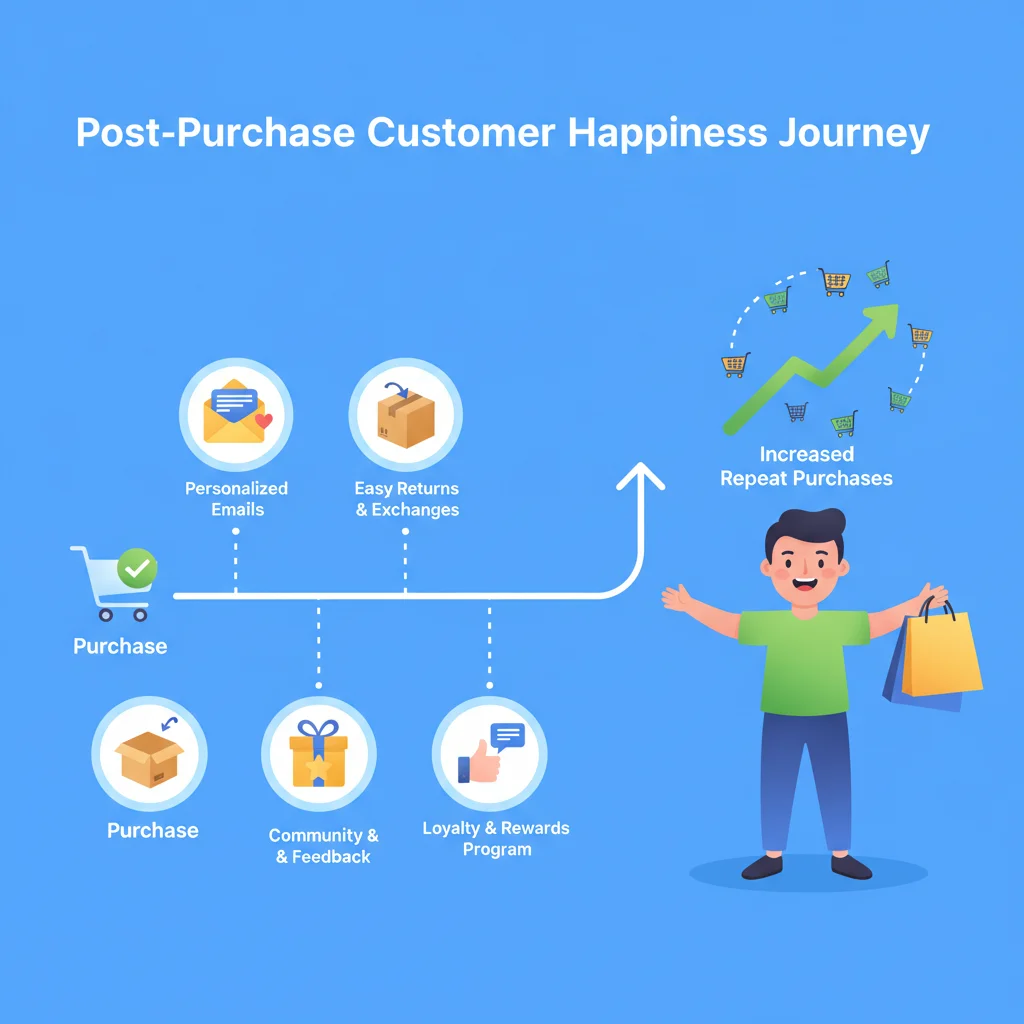
In the fiercely competitive landscape of modern commerce, securing a customer’s initial purchase is merely the opening act. The true measure of a brand’s success, and its potential for sustainable growth, lies in its ability to cultivate lasting relationships that translate into repeat business. This is where Post-Purchase CX Optimization becomes not just an advantage, but a critical imperative. Our ambitious goal: to drive a 7% increase in repeat purchases by March 2026. This isn’t just a number; it represents a profound shift in how we view and nurture our customer relationships, transforming one-time buyers into loyal advocates.
The journey a customer takes after clicking ‘buy’ is fraught with opportunities to delight, disappoint, or simply be forgotten. A seamless, supportive, and personalized post-purchase experience can significantly influence whether a customer returns. Conversely, a disjointed or frustrating experience can permanently sever that relationship, regardless of how excellent the product or service initially was. In essence, the post-purchase phase is where customer loyalty is truly forged or fractured. It’s about exceeding expectations, providing value beyond the transaction, and building a sense of trust and appreciation that resonates long after the initial sale.
This comprehensive guide delves into the multi-faceted world of Post-Purchase CX Optimization. We’ll explore strategic approaches, practical implementations, and measurable outcomes designed to not only meet but surpass our target of a 7% increase in repeat purchases. From the moment an order is confirmed to the ongoing engagement that fosters community and advocacy, every touchpoint is an opportunity to reinforce brand value and encourage future interactions. By meticulously crafting and optimizing every step of this critical journey, we can transform transactional interactions into enduring customer relationships, securing a robust and predictable revenue stream for the future.
The Pivotal Role of Post-Purchase CX in Driving Repeat Business
Why is the post-purchase experience so crucial? In today’s market, customers have an abundance of choices. They are no longer simply buying products; they are buying experiences. A positive experience post-purchase can differentiate your brand from competitors, even if your product is similar. Think about it: a customer who feels valued, supported, and understood after their purchase is far more likely to return than one who feels neglected or encountered difficulties. This is the core principle behind effective Post-Purchase CX Optimization.
Customer acquisition costs are steadily rising across industries. It’s often significantly more expensive to acquire a new customer than to retain an existing one. Studies consistently show that increasing customer retention rates by just 5% can increase profits by 25% to 95%. Repeat customers also tend to spend more over time, are less price-sensitive, and are more likely to recommend your brand to others. They become your most valuable marketing asset – organic, authentic advocates. Therefore, investing in Post-Purchase CX Optimization is not just about improving customer satisfaction; it’s a strategic financial decision that directly impacts profitability and long-term growth.
Moreover, the post-purchase phase offers an invaluable opportunity for feedback and continuous improvement. By actively listening to customer feedback, addressing concerns promptly, and proactively anticipating needs, businesses can refine their offerings and services. This iterative process of listening, learning, and adapting is fundamental to sustained success. A well-executed post-purchase strategy fosters a virtuous cycle: satisfied customers become repeat customers, who then become brand advocates, attracting new customers and further fueling growth. This holistic approach ensures that every aspect of the customer journey contributes to a stronger, more resilient business model.
Understanding the Customer Journey Post-Purchase
To effectively optimize the post-purchase experience, we must first meticulously map out the customer journey after they complete a purchase. This journey typically encompasses several key stages, each presenting unique opportunities for engagement and improvement. These stages include:
Order Confirmation and Communication: The First Impression Post-Sale
The moment a customer completes a purchase, their anticipation begins. The order confirmation email isn’t just a receipt; it’s the first post-purchase touchpoint and a critical opportunity to reinforce their decision. This communication should be clear, concise, and reassuring. It should confirm the order details, estimated delivery date, and tracking information. Beyond the basics, consider adding a personalized thank you message, a brief introduction to your brand’s values, or links to helpful resources like FAQs or customer support.
Effective communication extends beyond the initial confirmation. Proactive updates on shipping status, potential delays, and delivery notifications keep customers informed and reduce anxiety. Transparency builds trust. If there’s an issue, communicating it promptly and offering solutions demonstrates your commitment to customer satisfaction. This proactive approach to communication is a cornerstone of strong Post-Purchase CX Optimization, setting a positive tone for the entire experience.
Shipping and Delivery: A Critical Touchpoint for Satisfaction
The physical delivery of the product is arguably one of the most anticipated moments in the post-purchase journey. A smooth, timely, and well-communicated delivery process can significantly enhance customer satisfaction. Conversely, delays, lost packages, or poor communication can quickly erode goodwill. Providing real-time tracking, estimated delivery windows, and options for delivery preferences empowers customers and gives them control.
Consider partnering with reliable shipping carriers and clearly communicating their policies. For international orders, managing customs and duties transparently is essential. The goal is to make the delivery process as frictionless and predictable as possible. Any unexpected issues should be handled with swift and empathetic customer support, turning potential frustrations into opportunities to showcase excellent service. This focus on seamless delivery is integral to successful Post-Purchase CX Optimization.
The Unboxing Experience: An Opportunity for Delight
The unboxing experience transcends mere packaging; it’s a sensory, emotional moment that can significantly elevate a customer’s perception of your brand. Thoughtful packaging, a personalized note, or even a small, relevant gift can transform a utilitarian act into a memorable event. This is especially true for brands that emphasize aesthetics, luxury, or a unique brand identity.
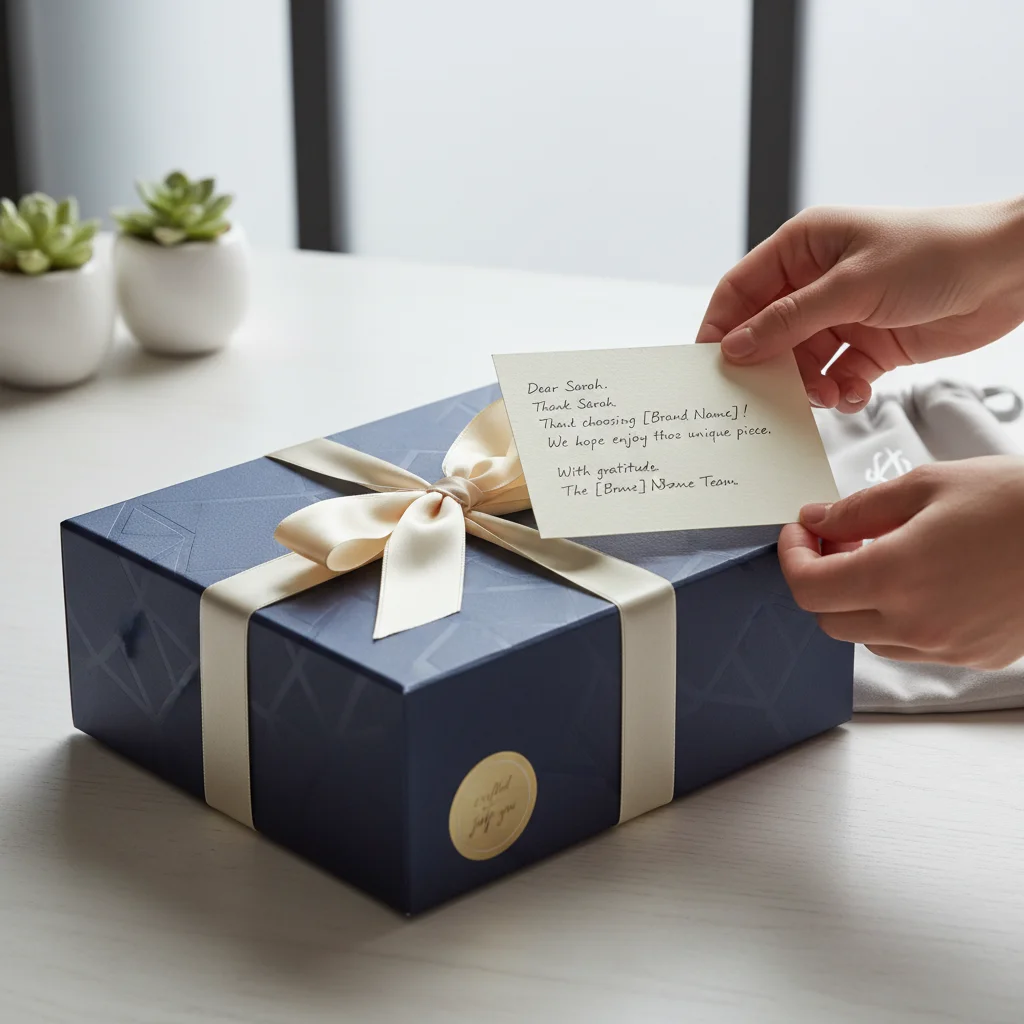
Consider the materials used, the presentation, and any inserts. Is there a ‘wow’ factor? Does it reinforce your brand’s story? An eco-friendly brand, for instance, might use sustainable packaging materials and include information on how to recycle them. A personalized thank you card, handwritten if possible, adds a human touch that resonates deeply. This attention to detail in the unboxing experience is a powerful, yet often overlooked, component of effective Post-Purchase CX Optimization.
Product Usage and Support: Ensuring Long-Term Value
Once the product is received and unboxed, the customer begins to interact with it. This phase is crucial for establishing long-term satisfaction and preventing buyer’s remorse. Providing clear instructions, helpful tutorials, and accessible customer support ensures that customers can maximize the value of their purchase. This might include:
- Knowledge Bases and FAQs: Easily searchable resources that answer common questions.
- Video Tutorials: Visual guides for product assembly, usage, or troubleshooting.
- Proactive Tips and Tricks: Emails or in-app notifications offering advice on getting the most out of the product.
- Responsive Customer Support: Multiple channels (chat, email, phone) for customers to get help quickly and efficiently.
Excellent product support not only resolves issues but also builds confidence and trust. It demonstrates that your brand stands behind its products and cares about customer success. This commitment to ongoing support is a vital element of comprehensive Post-Purchase CX Optimization.
Returns and Exchanges: Turning a Negative into a Positive
Even with the best products and services, returns and exchanges are an inevitable part of commerce. However, the way a brand handles these situations can significantly impact customer loyalty. A difficult or frustrating return process can permanently alienate a customer, while a smooth, hassle-free experience can actually enhance their perception of your brand.
A clear, transparent, and customer-friendly returns policy is paramount. This includes easy-to-understand instructions, pre-paid shipping labels, and prompt processing of refunds or exchanges. Empowering customer service representatives to handle returns efficiently and empathetically can turn a potentially negative interaction into a positive one. Many brands have found that a positive returns experience can lead to increased repeat purchases, as customers feel confident in their ability to shop risk-free. This often-dreaded touchpoint is a prime area for Post-Purchase CX Optimization.
Strategic Pillars for Achieving a 7% Increase in Repeat Purchases
To achieve our ambitious goal of a 7% increase in repeat purchases by March 2026, we must focus on several strategic pillars that collectively enhance the Post-Purchase CX Optimization efforts. These pillars are interconnected and require a holistic approach to implementation.
1. Hyper-Personalization Beyond the Sale
Personalization shouldn’t end at the point of purchase. In fact, it becomes even more critical in the post-purchase phase. Leveraging customer data to tailor communications, offers, and support can make customers feel truly seen and valued. This goes beyond simply using their name in an email.
Personalized Communication Flows: Email, SMS, and In-App
Develop automated communication sequences that are triggered by purchase behavior. For example:
- Product-Specific Follow-ups: If a customer buys a camera, send emails with photography tips, accessory recommendations, or links to relevant online communities.
- Usage-Based Content: For subscription services, send tips on how to get the most out of their subscription based on their usage patterns.
- Milestone Messages: Celebrate their first anniversary as a customer, or acknowledge significant milestones with your product.
- Re-engagement Campaigns: If a customer hasn’t purchased in a while, send personalized offers based on their past buying habits and browsing history.
Utilize various channels like email, SMS, and even in-app notifications (for mobile apps) to deliver these personalized messages. The key is relevance and timing. Avoid overwhelming customers with too many messages; instead, focus on delivering value at every touchpoint. This intelligent personalization is a powerful driver of Post-Purchase CX Optimization.
Targeted Product Recommendations and Upsells/Cross-sells
Based on their purchase history and browsing behavior, provide intelligent product recommendations. These should be genuinely helpful and relevant, not just generic suggestions. For instance, if a customer bought a coffee machine, recommend compatible coffee beans, descaling solutions, or complementary accessories. If they bought a specific type of clothing, suggest matching items or new arrivals in that style.
Timing is crucial here. Don’t bombard them immediately after purchase. Allow them to enjoy their initial product, then introduce relevant offers. This thoughtful approach to upselling and cross-selling feels like helpful guidance rather than aggressive sales tactics, contributing positively to Post-Purchase CX Optimization and encouraging repeat business.
2. Seamless and Proactive Customer Support
Exceptional customer support is the bedrock of strong post-purchase relationships. It’s not just about resolving issues; it’s about anticipating needs and making the support process as effortless as possible. This is a non-negotiable aspect of effective Post-Purchase CX Optimization.
Multi-Channel Support and Self-Service Options
Offer a variety of support channels to cater to different customer preferences: live chat, email, phone, social media, and comprehensive FAQs. Ensure consistency across all channels, so customers receive the same high level of service regardless of how they reach out.
Empower customers with robust self-service options. A well-organized knowledge base, detailed product manuals, and intuitive troubleshooting guides can resolve many common issues without the need for direct intervention. This not only improves customer satisfaction by providing instant answers but also reduces the burden on your support team, allowing them to focus on more complex issues. This strategic blend of proactive and reactive support is vital for Post-Purchase CX Optimization.
Proactive Issue Resolution and Feedback Loops
Don’t wait for customers to report problems. Use data to identify potential issues before they escalate. For example, if tracking data indicates a package might be delayed, proactively inform the customer and offer solutions. Monitor social media for mentions of your brand to catch and address public complaints swiftly.
Establish strong feedback loops. After every support interaction or purchase, request feedback through surveys (e.g., NPS, CSAT). Analyze this feedback to identify pain points, common issues, and areas for improvement. Act on this feedback to continuously refine your products, services, and Post-Purchase CX Optimization strategies. Showing customers that their feedback is valued and acted upon builds immense loyalty.
3. Building Community and Loyalty Programs
Beyond individual transactions, fostering a sense of community and rewarding loyalty can significantly increase repeat purchases. Customers who feel part of a brand’s ecosystem are more likely to stay engaged and become repeat buyers. This is a long-term investment in Post-Purchase CX Optimization.
Exclusive Content and Community Engagement
Create exclusive content, workshops, or events for existing customers. This could be anything from advanced product tutorials, behind-the-scenes glimpses, to virtual meet-ups with experts or other customers. Encourage user-generated content, reviews, and testimonials, and feature them prominently. Create online forums or social media groups where customers can connect, share experiences, and offer peer support.
By building a vibrant community, you’re not just selling a product; you’re offering belonging and shared experiences. This deepens the customer’s connection to your brand, making them less likely to switch to a competitor. This community-building aspect is a sophisticated layer of Post-Purchase CX Optimization.
Tiered Loyalty Programs and VIP Benefits
Implement a structured loyalty program that rewards customers for their continued patronage. This could be points-based, tiered (e.g., Silver, Gold, Platinum), or a combination of both. Offer exclusive benefits to loyal customers, such as:
- Early access to new products or sales.
- Exclusive discounts or promotions.
- Free shipping or expedited delivery.
- Birthday rewards or anniversary gifts.
- Dedicated customer support lines.
Make the loyalty program easy to understand and the benefits clear. Communicate regularly about their progress and available rewards. A well-designed loyalty program incentivizes repeat purchases and makes customers feel appreciated, directly contributing to our Post-Purchase CX Optimization goals.
4. Leveraging Data and Analytics for Continuous Improvement
Data is the fuel for effective Post-Purchase CX Optimization. By meticulously tracking, analyzing, and acting upon customer data, we can identify trends, predict behavior, and continuously refine our strategies. This data-driven approach is essential for achieving and sustaining a 7% increase in repeat purchases.
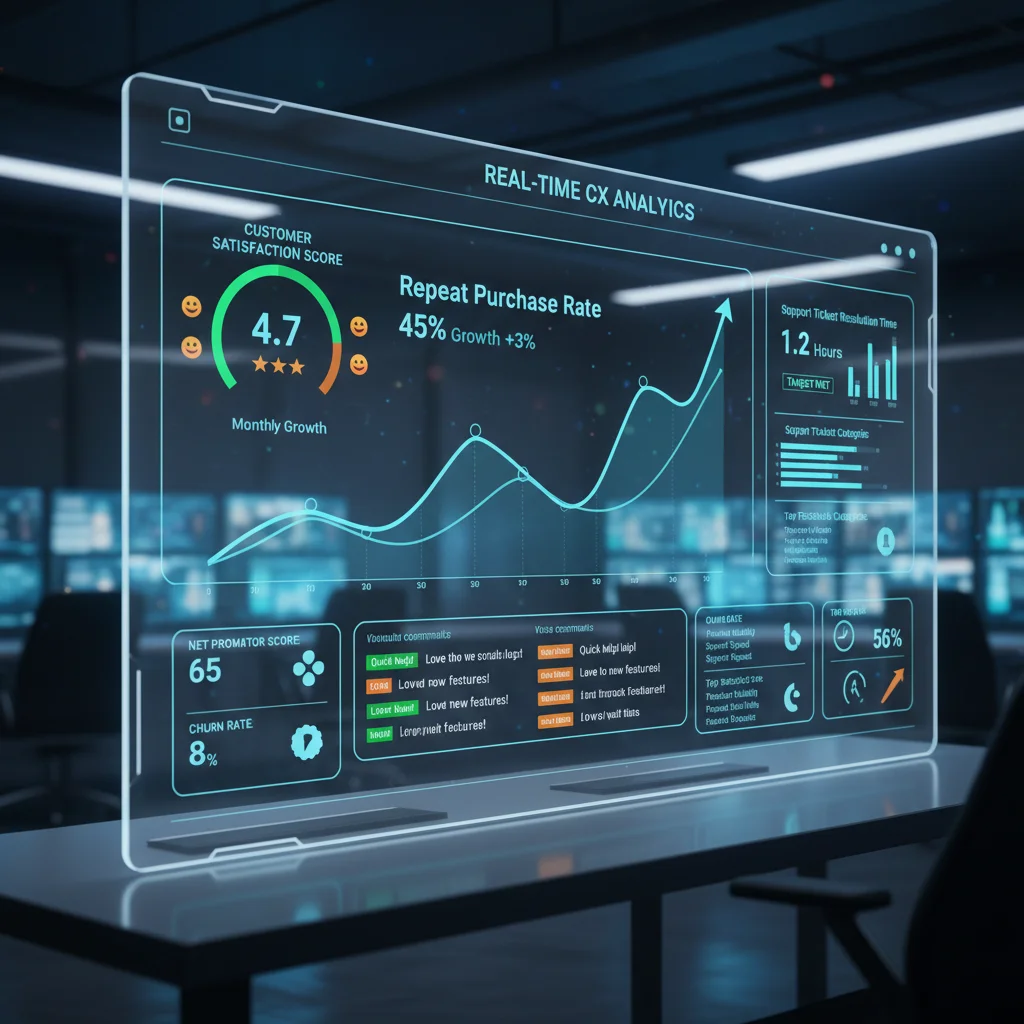
Key Metrics for Post-Purchase Performance
To measure the effectiveness of our Post-Purchase CX Optimization efforts, we need to track specific Key Performance Indicators (KPIs):
- Repeat Purchase Rate: The percentage of customers who have made more than one purchase. This is our primary target metric.
- Customer Lifetime Value (CLTV): The total revenue a business can reasonably expect from a single customer account over their business relationship.
- Churn Rate: The rate at which customers stop doing business with a company.
- Net Promoter Score (NPS): Measures customer loyalty by asking how likely they are to recommend your product/service.
- Customer Satisfaction (CSAT) Score: Measures customer satisfaction with a specific interaction or overall experience.
- Time Between Purchases: The average time elapsed between a customer’s purchases.
- Return Rate: The percentage of products returned.
- Support Ticket Volume and Resolution Time: Indicates efficiency and common pain points in customer service.
Regularly review these metrics to identify areas of strength and weakness. Track trends over time to understand the impact of your optimization efforts.
A/B Testing and Iterative Optimization
Don’t assume; test. Implement A/B testing for various elements of your post-purchase strategy. Test different email subject lines, content, timing, call-to-actions, loyalty program rewards, and even packaging elements. Small changes can lead to significant improvements over time. For example, testing two different versions of a post-purchase email sequence can reveal which one generates higher engagement or repeat purchase rates.
Adopt an iterative approach to Post-Purchase CX Optimization. Implement changes, measure their impact, learn from the results, and then refine your strategy. This continuous cycle of improvement ensures that your post-purchase experience is always evolving to meet and exceed customer expectations, driving consistent growth in repeat purchases.
Implementing Your Post-Purchase CX Optimization Strategy
Achieving a 7% increase in repeat purchases by March 2026 requires a structured implementation plan. This isn’t a one-time project; it’s an ongoing commitment to excellence in every customer interaction post-sale.
Step-by-Step Action Plan
- Audit Your Current Post-Purchase Journey: Map out every touchpoint a customer experiences after purchase. Identify strengths, weaknesses, and areas for immediate improvement. Gather internal team feedback and, crucially, direct customer feedback.
- Set Clear, Measurable Goals: Beyond the 7% repeat purchase goal, define specific, smaller targets for each pillar. E.g., ‘Increase email open rates for post-purchase sequences by 15%,’ ‘Reduce average support ticket resolution time by 10%.’
- Invest in Technology: Utilize CRM systems, marketing automation platforms, customer support software, and analytics tools to streamline processes, personalize communications, and track performance efficiently.
- Train Your Team: Ensure all customer-facing teams (sales, support, marketing) understand the importance of Post-Purchase CX Optimization and are equipped with the skills and empathy to deliver exceptional service. Empower them to resolve issues quickly.
- Pilot and Iterate: Start with small, manageable improvements. Test new strategies on a segment of your customer base before rolling them out widely. Collect feedback and data, then refine.
- Communicate Value Consistently: Remind customers of the value they receive, both from your products and from being part of your brand community. Highlight loyalty program benefits and exclusive offers.
- Monitor and Adapt: Continuously monitor your KPIs. The market, customer expectations, and competitive landscape are always changing. Be prepared to adapt your strategies to remain effective.
Overcoming Common Challenges
Implementing a robust Post-Purchase CX Optimization strategy can present challenges. Resource constraints, data silos, and resistance to change are common hurdles. Address these by clearly articulating the ROI of CX improvements, demonstrating quick wins, and fostering cross-departmental collaboration. Investing in the right tools and training can mitigate many of these issues, paving the way for successful implementation.
The Future of Post-Purchase CX: Trends and Innovations
As we look towards March 2026 and beyond, the landscape of Post-Purchase CX Optimization will continue to evolve. Staying ahead of emerging trends and innovations will be key to sustained success.
AI and Machine Learning in Personalization and Support
Artificial intelligence and machine learning are revolutionizing personalization. AI can analyze vast amounts of customer data to predict future needs, identify at-risk customers, and recommend highly relevant products or content with unprecedented accuracy. AI-powered chatbots and virtual assistants can provide instant, 24/7 support, answering common questions and escalating complex issues to human agents, thereby significantly enhancing the efficiency and responsiveness of customer service.
Predictive Analytics for Proactive Engagement
Leveraging predictive analytics allows brands to move from reactive to proactive engagement. By analyzing past behavior and identifying patterns, businesses can anticipate potential issues (e.g., a customer likely to churn, a product likely to fail) and intervene before they occur. This proactive problem-solving is a hallmark of advanced Post-Purchase CX Optimization.
Sustainability and Ethical Practices in the Post-Purchase Journey
Customers are increasingly conscious of a brand’s environmental and social impact. Integrating sustainable practices into the post-purchase journey – from eco-friendly packaging to transparent supply chains and ethical return processes – can resonate deeply with customers and foster loyalty. Communicating these efforts effectively can become a significant differentiator.
Conclusion: Your Path to a 7% Increase in Repeat Purchases
The journey to a 7% increase in repeat purchases by March 2026 is an ambitious yet entirely achievable goal through dedicated Post-Purchase CX Optimization. By focusing on hyper-personalization, seamless and proactive customer support, building strong communities and loyalty programs, and leveraging data for continuous improvement, businesses can transform their customer relationships and unlock significant long-term value.
Remember, the post-purchase experience is not an afterthought; it is the crucible in which customer loyalty is forged. Every email, every delivery, every support interaction, and every personalized recommendation contributes to the overall narrative of your brand. By meticulously crafting these touchpoints to be as positive and valuable as possible, you not only encourage customers to return but also empower them to become your most passionate advocates.
The time to act is now. Start by auditing your current processes, setting clear goals, and embarking on an iterative journey of improvement. With a strategic focus on Post-Purchase CX Optimization, your brand can not only meet but exceed its repeat purchase targets, building a foundation for sustainable growth and enduring customer relationships well into the future.