Personalization Pays: Boost Customer Lifetime Value by 10% by 2026
In today’s hyper-competitive marketplace, businesses are constantly seeking innovative strategies to not only attract new customers but also to retain existing ones and maximize their long-term value. One metric stands out as a true indicator of sustainable growth and profitability: Customer Lifetime Value (CLV). And at the heart of optimizing CLV lies a powerful, transformative approach: personalization. This comprehensive guide will explore how focusing on personalized customer experiences can lead to a significant increase in your customer lifetime value, with a clear target of achieving a 10% boost by Q4 2026.
Understanding and enhancing customer lifetime value is no longer just a marketing buzzword; it’s a strategic imperative. It represents the total revenue a business can reasonably expect from a single customer account throughout their relationship with the company. A higher CLV means more profitable customers, more stable revenue streams, and a stronger foundation for future growth. Personalization, in essence, is about treating each customer as an individual, understanding their unique needs, preferences, and behaviors, and tailoring every interaction to resonate deeply with them.
The Imperative of Personalization in Boosting Customer Lifetime Value
Why is personalization so critical for elevating customer lifetime value? The answer lies in the fundamental human desire to feel understood and valued. In an era of endless choices and information overload, generic, one-size-fits-all approaches fall flat. Customers expect, and often demand, experiences that are relevant, timely, and convenient. When businesses deliver on this expectation through personalization, they foster stronger relationships, build trust, and cultivate loyalty – all direct drivers of increased CLV.
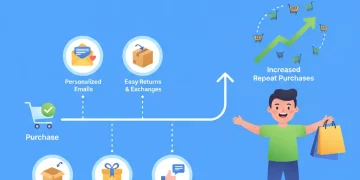
Consider the impact: a customer who receives personalized product recommendations based on their browsing history is more likely to make a purchase. A customer who gets a tailored offer on their birthday feels appreciated and is more inclined to continue their patronage. A customer whose support queries are handled with an understanding of their past interactions feels respected and is less likely to churn. These seemingly small, individualized touches accumulate to create a superior customer experience that encourages repeat business, higher spending, and advocacy.
The benefits extend beyond just individual transactions. Personalization helps in:
- Increased Retention: Customers who feel valued are less likely to switch to a competitor.
- Higher Purchase Frequency: Relevant offers and recommendations prompt more frequent buying.
- Larger Average Order Value (AOV): Personalized upsells and cross-sells can encourage customers to spend more per transaction.
- Enhanced Brand Loyalty: A consistent, personalized experience builds emotional connections.
- Improved Customer Advocacy: Satisfied, loyal customers become brand ambassadors, attracting new business.
Each of these factors directly contributes to a higher customer lifetime value. Our ambitious goal of a 10% increase by Q4 2026 is entirely achievable by systematically implementing robust personalization strategies across all customer touchpoints.
Foundational Pillars for Effective Personalization
To successfully implement personalization and boost customer lifetime value, businesses need to establish several foundational pillars. These pillars ensure that personalization efforts are not just superficial but are deeply integrated into the business strategy and operations.
1. Data Collection and Management: The Cornerstone of Personalization
You cannot personalize without data. The first and most critical step is to collect relevant customer data from every possible touchpoint. This includes:
- Demographic Data: Age, gender, location, income.
- Behavioral Data: Website browsing history, purchase history, email opens and clicks, app usage, social media interactions.
- Transactional Data: Purchase dates, product categories, average order value, payment methods.
- Preference Data: Stated preferences (e.g., newsletter topics, product categories of interest), survey responses.
- Contextual Data: Device used, time of day, current location (if relevant and permitted).
However, collecting data is only half the battle. Effective data management is crucial. This involves:
- Centralized Data Platform: Utilizing a Customer Relationship Management (CRM) system, Customer Data Platform (CDP), or similar tool to consolidate data from disparate sources into a single, unified customer profile.
- Data Quality and Hygiene: Ensuring data is accurate, consistent, and up-to-date. Dirty data leads to ineffective or even counterproductive personalization.
- Data Privacy and Compliance: Adhering to regulations like GDPR and CCPA is paramount. Transparency with customers about data usage builds trust.
A robust data infrastructure allows for a 360-degree view of each customer, providing the insights needed to create truly impactful personalized experiences that drive customer lifetime value.
2. Advanced Analytics and Segmentation: Unlocking Insights
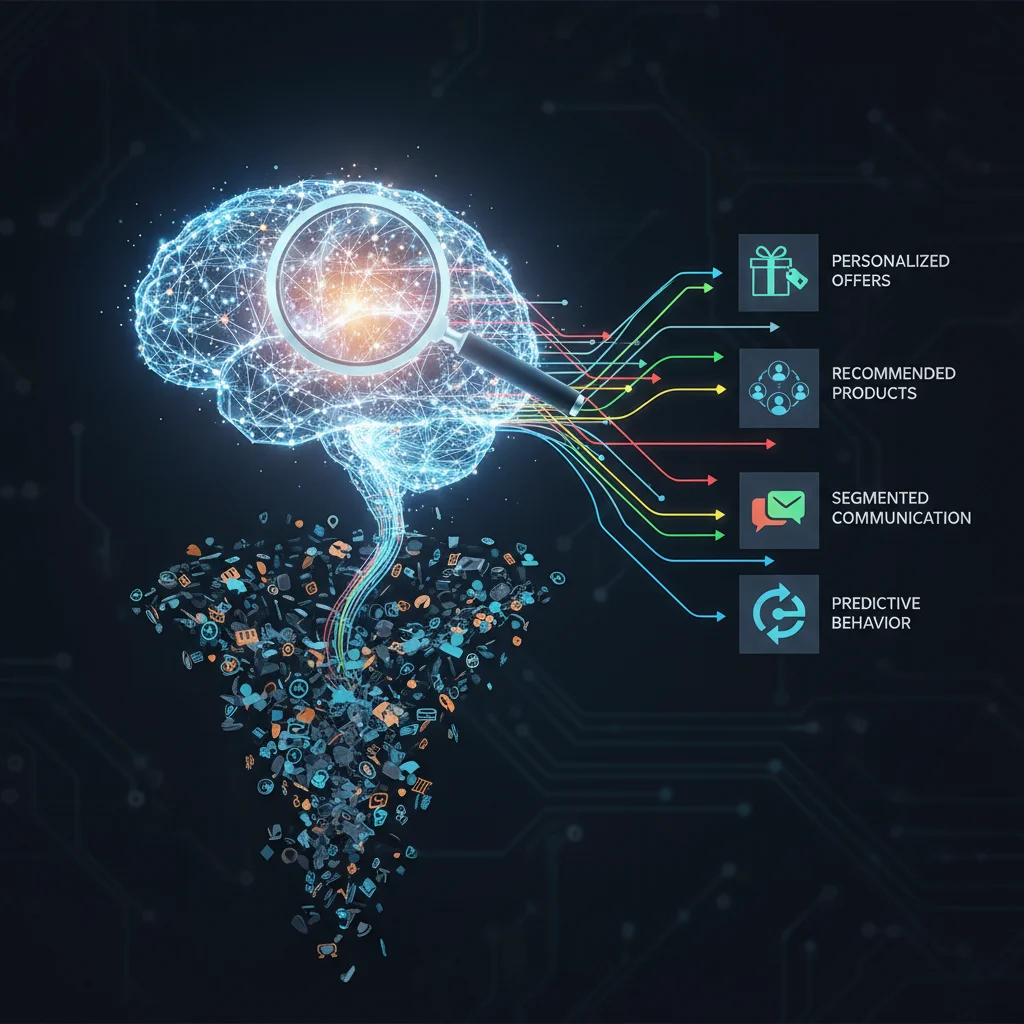
Once data is collected and managed, the next step is to analyze it to understand customer behavior and segment your audience. Advanced analytics tools, including AI and machine learning, can help identify patterns, predict future behavior, and categorize customers into meaningful segments. Segmentation allows you to group customers with similar characteristics, needs, or behaviors, enabling more targeted personalization.
Examples of effective segmentation strategies include:
- Demographic Segmentation: Targeting specific age groups or geographical locations.
- Behavioral Segmentation: Grouping customers by purchase frequency, recency, monetary value (RFM analysis), or engagement levels.
- Psychographic Segmentation: Based on lifestyle, values, interests, and personality traits.
- Lifecycle Segmentation: Tailoring communications based on where a customer is in their journey (new, active, at-risk, loyal).
The more granular and insightful your segmentation, the more precise and effective your personalization efforts will be, directly impacting your customer lifetime value.
3. Technology and Tools: Enabling Scalable Personalization
Manual personalization is simply not scalable for most businesses. Investing in the right technology stack is essential. This includes:
- CRM/CDP: As mentioned, for unified customer profiles.
- Marketing Automation Platforms: To automate personalized email campaigns, SMS, and other communication channels.
- Personalization Engines: Tools that use AI/ML to deliver personalized content, product recommendations, and website experiences in real-time.
- A/B Testing and Optimization Tools: To continuously test and refine personalization strategies.
- Analytics and Reporting Tools: To measure the effectiveness of personalization efforts and track key CLV metrics.
The right technology empowers businesses to deliver hyper-personalized experiences at scale, ensuring every customer interaction is optimized to enhance their journey and increase their customer lifetime value.
Actionable Strategies for a 10% CLV Increase by Q4 2026
With the foundational pillars in place, let’s delve into specific, actionable strategies that businesses can implement to achieve a 10% increase in customer lifetime value by Q4 2026.
1. Hyper-Personalized Onboarding and First-Time Experience
The initial interactions a customer has with your brand are crucial. A personalized onboarding process can significantly improve retention and set the stage for a long, valuable relationship. This includes:
- Welcome Series: Tailored email sequences based on how the customer signed up or their first purchase.
- Personalized Product/Service Setup: Guiding new users through features most relevant to their stated needs or initial usage patterns.
- Proactive Support: Offering help and resources based on anticipated challenges or common questions for new users.
A strong, personalized start reduces early churn and encourages deeper engagement, directly contributing to a higher customer lifetime value.
2. Dynamic Content and Product Recommendations
Leverage customer data to deliver dynamic content and product recommendations across all channels. This means:
- Website Personalization: Displaying different home page banners, product categories, or promotions based on a user’s browsing history, location, or past purchases.
- Email Marketing: Sending personalized product recommendations, abandoned cart reminders with tailored incentives, or content digests based on expressed interests.
- In-App Experiences: Customizing app interfaces, notifications, and feature suggestions to individual user behavior.
By showing customers what they are most likely to be interested in, you increase the likelihood of purchase, cross-sells, and upsells, thereby boosting customer lifetime value.
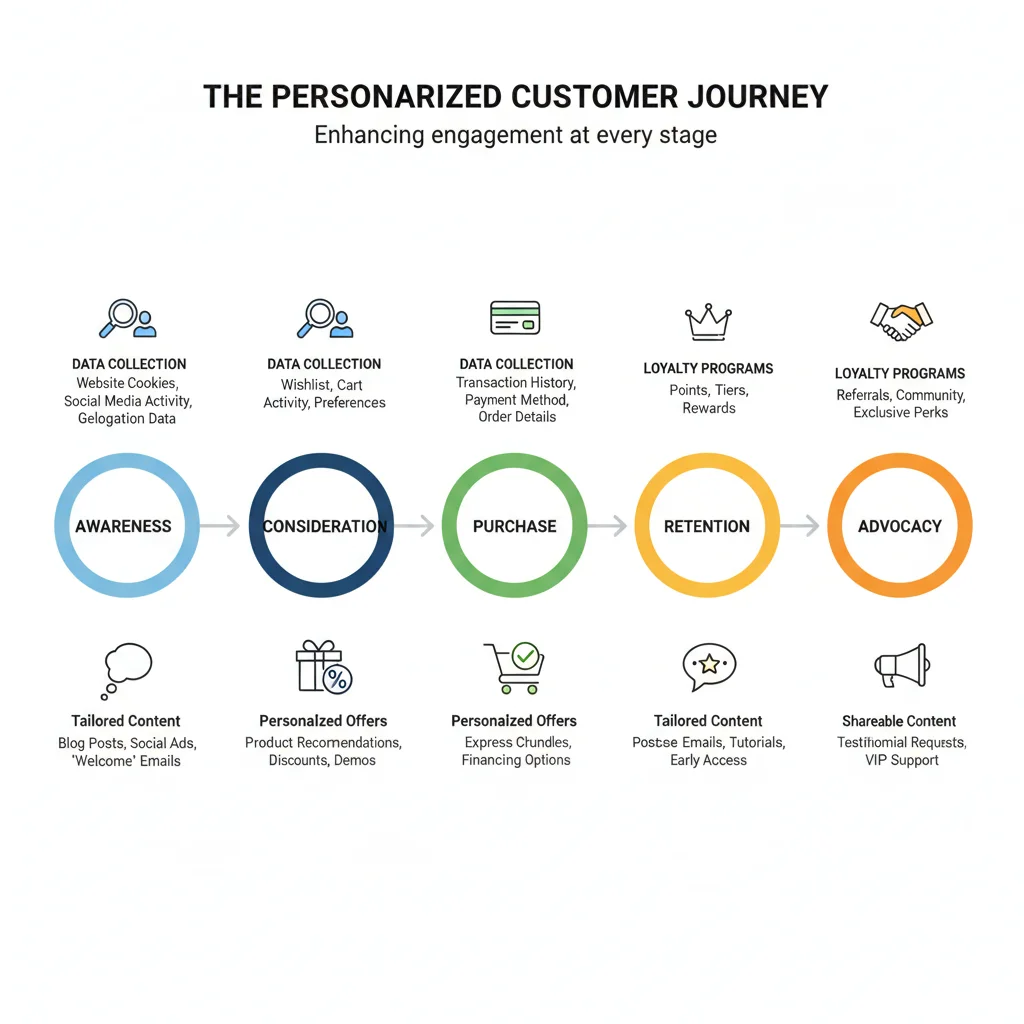
3. Personalized Communication and Customer Service
Communication should always be personalized, not just in marketing, but also in customer service. This involves:
- Addressing Customers by Name: A basic but effective personalization tactic.
- Contextual Support: Equipping customer service agents with a complete view of the customer’s history, past interactions, and preferences so they can provide relevant and efficient support.
- Proactive Communication: Sending personalized updates (e.g., shipping notifications, service reminders, relevant tips) that add value.
- Preferred Communication Channels: Allowing customers to choose how they want to be contacted and adhering to those preferences.
When customers feel heard and understood, their satisfaction increases, leading to greater loyalty and a higher customer lifetime value.
4. Loyalty Programs and Exclusive Offers
Personalize your loyalty programs and exclusive offers to make them more appealing and effective. Instead of generic discounts, consider:
- Tiered Loyalty Programs: Offering different benefits based on a customer’s CLV or engagement level.
- Personalized Rewards: Allowing customers to choose rewards that align with their preferences or offering rewards based on their past purchase behavior.
- Exclusive Access: Providing early access to new products, personalized content, or VIP events for your most loyal customers.
- Birthday/Anniversary Offers: Simple yet effective personalized gestures that make customers feel special.
These personalized incentives encourage repeat purchases and deepen the emotional connection with your brand, directly contributing to a higher customer lifetime value.
5. Feedback Loops and Continuous Optimization
Personalization is not a one-time setup; it’s an ongoing process of learning and refinement. Implement robust feedback loops to understand what’s working and what’s not:
- Surveys and Polls: Ask customers directly about their preferences and satisfaction with personalized experiences.
- A/B Testing: Continuously test different personalization elements (e.g., recommendation algorithms, email subject lines, content variations) to identify what resonates best.
- Performance Analytics: Monitor key metrics like conversion rates, click-through rates, churn rates, and, most importantly, CLV, to assess the impact of your personalization efforts.
By continuously optimizing your personalization strategies based on data and feedback, you ensure that your efforts remain highly effective in boosting customer lifetime value.
Measuring Success: Tracking Your 10% CLV Increase
To achieve our target of a 10% increase in customer lifetime value by Q4 2026, robust measurement and tracking are essential. You need to clearly define how CLV is calculated for your business and establish baseline metrics before implementing new personalization strategies.
Common CLV calculation methods include:
- Historical CLV: Sum of all past purchases from a customer.
- Predictive CLV: Uses historical data and predictive modeling to forecast future purchases.
Key metrics to monitor alongside CLV include:
- Average Order Value (AOV): As personalization can encourage higher spending.
- Purchase Frequency: How often customers buy.
- Gross Margin: The profitability of each customer’s purchases.
- Customer Retention Rate: The percentage of customers who continue to do business with you over time.
- Churn Rate: The rate at which customers stop doing business with you.
- Engagement Metrics: Email open rates, click-through rates, website session duration, feature usage.
Regularly review these metrics, ideally on a monthly or quarterly basis, to assess the impact of your personalization initiatives. Adjust your strategies as needed to stay on track for your 10% CLV growth target. Remember, the goal is not just to see a temporary bump but to establish sustainable practices that consistently enhance customer lifetime value.
Challenges and Considerations in Personalization
While the benefits of personalization for customer lifetime value are clear, businesses must also be aware of potential challenges and how to address them:
- Data Silos: Data scattered across different departments and systems can hinder a unified customer view. Investing in a CDP is a strong solution.
- Privacy Concerns: Customers are increasingly wary of how their data is used. Be transparent, offer clear opt-out options, and ensure compliance with all relevant privacy regulations.
- Over-Personalization/Creepiness Factor: There’s a fine line between helpful personalization and feeling intrusive. Avoid using data in ways that might surprise or discomfort customers. Focus on delivering value, not just collecting data.
- Scalability: Manual personalization is not sustainable. Automation and AI-powered tools are essential for scaling efforts.
- Initial Investment: Implementing robust personalization technology and processes can require a significant upfront investment. However, the long-term ROI from increased customer lifetime value typically far outweighs these costs.
- Organizational Buy-in: Successful personalization requires cross-functional collaboration. Ensure all departments, from marketing to sales to customer service, are aligned on the strategy.
Addressing these challenges proactively will pave the way for a smoother implementation and greater success in boosting your customer lifetime value through personalization.
The Future of Customer Lifetime Value: Hyper-Personalization and Beyond
As technology continues to evolve, the capabilities for personalization will only become more sophisticated. We are moving towards a future of hyper-personalization, where AI and machine learning will enable real-time, predictive, and truly individualized experiences at an unprecedented scale. Imagine a world where:
- Predictive Analytics: Businesses can anticipate customer needs and offer solutions even before the customer realizes they have a problem.
- Adaptive Interfaces: Websites and apps dynamically adjust their layout and content based on individual user preferences and context.
- Conversational AI: Chatbots and virtual assistants provide highly personalized support and recommendations, mimicking human-like interactions.
- Omnichannel Harmony: Personalization is seamlessly integrated across every single touchpoint, creating a cohesive and consistent customer journey.
Embracing these advancements will be key to staying ahead of the curve and continuously maximizing customer lifetime value in the long run. The 10% increase by Q4 2026 is an ambitious yet achievable goal, a stepping stone towards an even more customer-centric and profitable future.
Conclusion: Personalization as the Engine for CLV Growth
In conclusion, the journey to significantly increase your customer lifetime value is inextricably linked to the power of personalization. By meticulously collecting and analyzing customer data, segmenting your audience effectively, and deploying advanced personalization technologies, businesses can craft experiences that resonate deeply with each individual customer.
From personalized onboarding and dynamic content to empathetic customer service and tailored loyalty programs, every personalized interaction contributes to building stronger relationships, fostering loyalty, and ultimately driving higher spending and retention. The target of a 10% increase in customer lifetime value by Q4 2026 is not just a number; it represents a commitment to putting the customer at the center of your business strategy, yielding substantial and sustainable growth.
Start today by reviewing your data strategy, investing in the right tools, and fostering a culture of customer-centricity. The dividends of personalization are clear: more engaged customers, greater loyalty, and a significantly healthier bottom line. Make personalization the cornerstone of your growth strategy, and watch your customer lifetime value soar.