Boost E-commerce Customer Retention 15% by 2026: A 3-Month CX Strategy
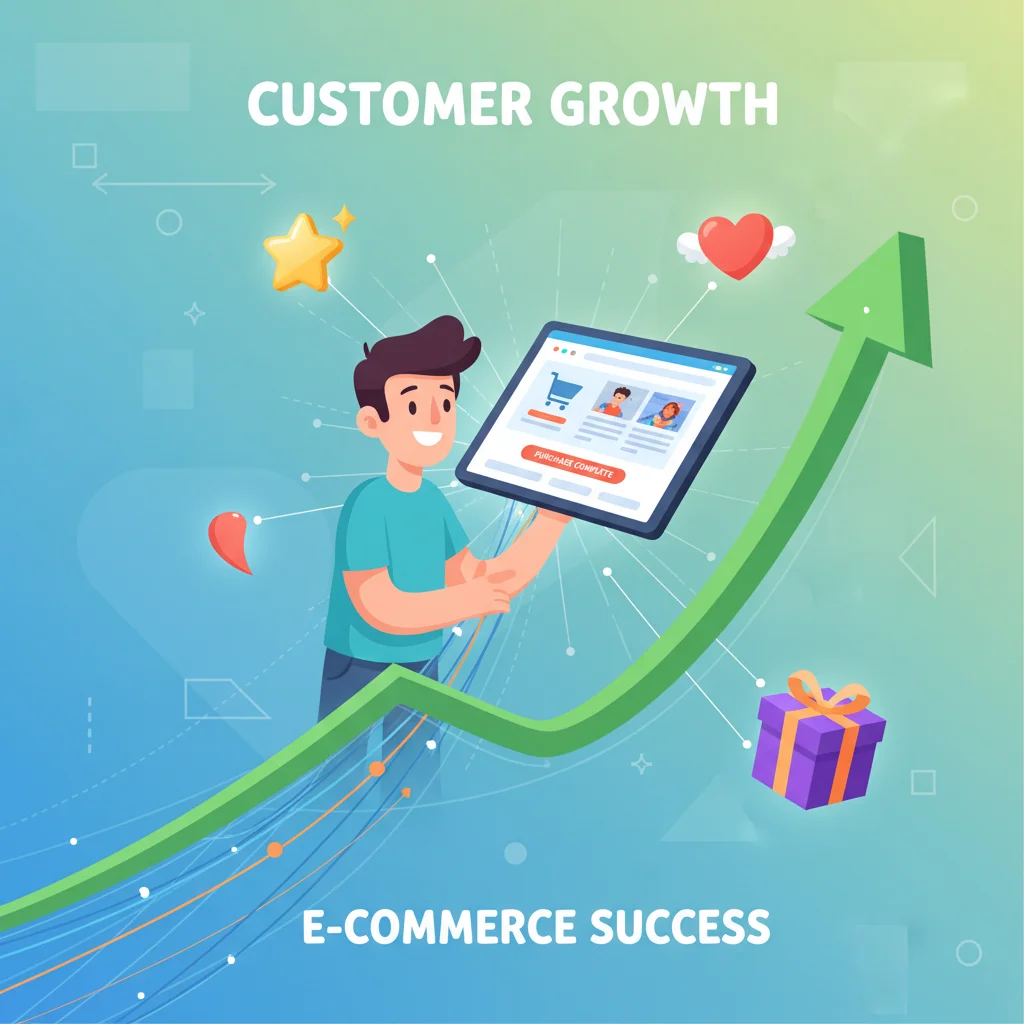
In the fiercely competitive landscape of US e-commerce, merely acquiring customers is no longer enough for sustainable growth. The true differentiator, the engine of long-term profitability, lies in your ability to retain them. This article delves into a meticulously crafted 3-month customer experience (CX) strategy designed to significantly boost e-commerce customer retention by an ambitious 15% by 2026. For businesses operating in the dynamic US market, understanding and optimizing every customer touchpoint is paramount. We will explore how a targeted, data-driven approach to CX can transform first-time buyers into loyal advocates, ensuring your brand thrives amidst increasing competition.
The cost of acquiring a new customer is, on average, five times higher than retaining an existing one. Furthermore, a 5% increase in customer retention can lead to a 25% to 95% increase in profits. These statistics underscore the critical importance of focusing on e-commerce customer retention. In an era where consumers have endless choices at their fingertips, a superior customer experience isn’t just a nice-to-have; it’s a strategic imperative. This comprehensive guide will break down a three-month action plan, providing actionable insights and practical steps for US e-commerce businesses to elevate their CX and achieve remarkable retention goals.
The Imperative of E-commerce Customer Retention in the US Market
The US e-commerce market is characterized by its vastness, diversity, and rapid evolution. Consumers expect seamless, personalized, and efficient experiences. When these expectations are not met, they quickly move on to competitors. Therefore, a robust e-commerce customer retention strategy is not just about reducing churn; it’s about building a community of loyal customers who not only make repeat purchases but also advocate for your brand. This advocacy, in turn, fuels organic growth and reduces reliance on expensive acquisition channels.
Why 2026? Setting Ambitious, Achievable Goals
Setting a target like boosting retention by 15% by 2026 provides a clear long-term vision while the 3-month strategy offers immediate, measurable steps. This timeframe allows for iterative improvements, data analysis, and strategic adjustments, ensuring that the initial efforts lay a solid foundation for sustained growth. The goal isn’t just to implement tactics but to foster a culture of customer-centricity that permeates every aspect of your e-commerce operation.
Month 1: Foundation and Discovery – Understanding Your Customer
The first month of your e-commerce customer retention strategy is all about deep diving into your existing customer base. You cannot improve what you don’t understand. This phase focuses on data collection, analysis, and mapping the current customer journey to identify pain points and opportunities.
1. Data Audit and Segmentation
a. Comprehensive Data Collection and Analysis
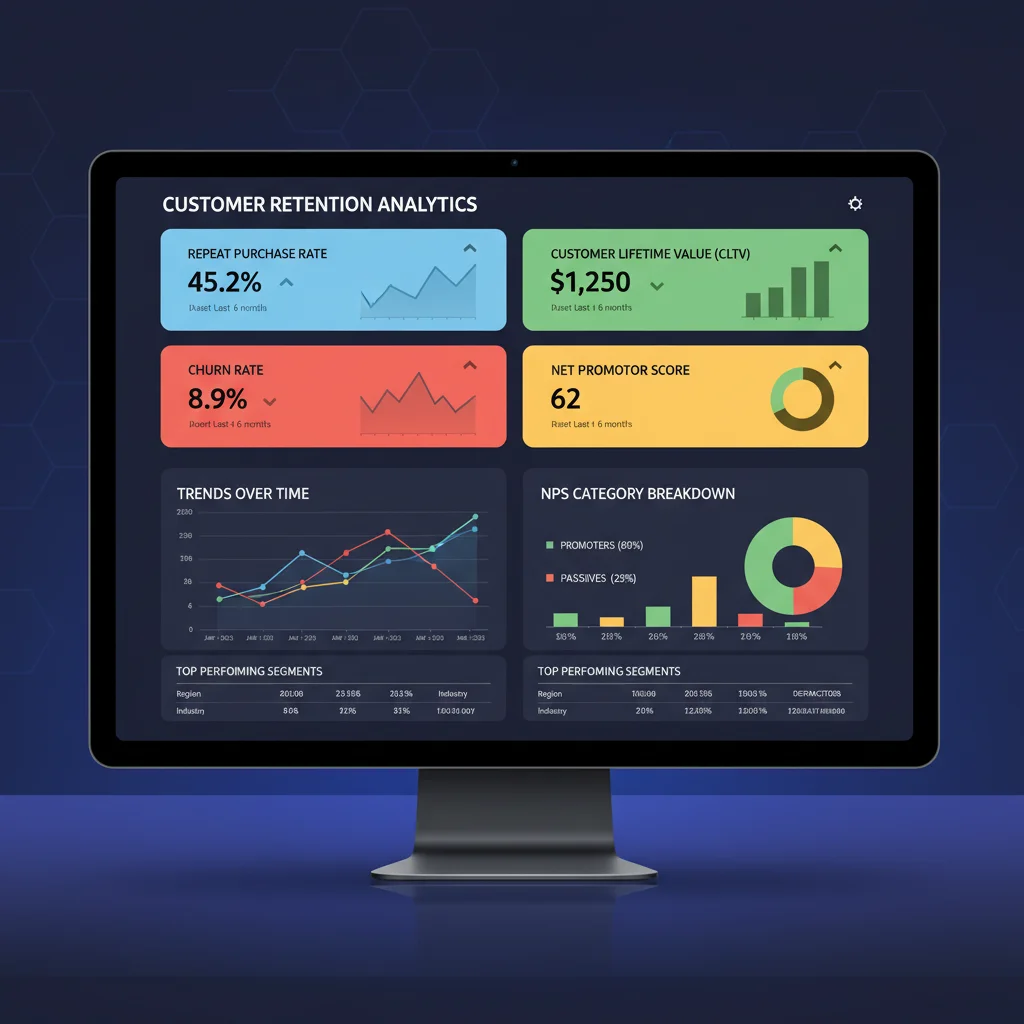
Begin by consolidating all available customer data from various sources: CRM, e-commerce platform analytics, email marketing tools, social media, and customer service interactions. Look for patterns in purchase history, browsing behavior, demographic information, and engagement levels. Key metrics to focus on include:
- Repeat Purchase Rate: The percentage of customers who have made more than one purchase.
- Average Order Value (AOV): The average amount spent per order.
- Customer Lifetime Value (CLTV): The predicted total revenue that a customer will generate over their lifetime with your company.
- Churn Rate: The percentage of customers who stop doing business with you over a given period.
- Time Between Purchases: How long customers typically wait before making another purchase.
Tools like Google Analytics, Shopify Analytics, or dedicated business intelligence platforms can provide invaluable insights. Don’t just collect data; analyze it to find actionable intelligence.
b. Customer Segmentation for Targeted Approaches
Once you have a rich dataset, segment your customers. Common segmentation strategies include:
- Demographic: Age, gender, location (especially relevant for US regional nuances).
- Behavioral: First-time buyers, repeat purchasers, high-value customers, dormant customers, product-specific buyers.
- Psychographic: Lifestyle, values, interests (inferred from browsing and purchase data).
- RFM (Recency, Frequency, Monetary): A classic model for identifying your most valuable customers.
Effective segmentation allows for personalized communication and offers, which are crucial for enhancing e-commerce customer retention.
2. Customer Journey Mapping and Pain Point Identification
Visually map out the entire customer journey, from initial discovery to post-purchase support. This involves identifying all touchpoints and the emotions customers experience at each stage. Involve different departments (marketing, sales, customer service) in this exercise to gain diverse perspectives.
a. Key Touchpoints to Analyze:
- Website/App Experience: Navigation, product discovery, checkout process.
- Pre-Purchase Communication: Email newsletters, social media interactions, ad relevance.
- Purchase Process: Ease of transaction, payment options, confirmation.
- Post-Purchase Communication: Order confirmations, shipping updates, delivery notifications.
- Product Delivery: Speed, packaging quality, accuracy.
- Customer Support: Responsiveness, effectiveness, channels available (chat, email, phone).
- Post-Delivery Engagement: Follow-up emails, review requests, loyalty program invitations.
b. Identifying Pain Points and Opportunities:
For each touchpoint, ask: What are customers trying to achieve? What are their expectations? What are their frustrations? Where can we delight them? Use customer feedback (surveys, reviews, social media comments, support tickets) to pinpoint specific issues. For instance, slow shipping, complicated return processes, or unresponsive customer service are common retention killers in US e-commerce.
3. Voice of Customer (VoC) Programs
Implement or enhance VoC programs to gather direct feedback. This is vital for understanding customer sentiment and identifying areas for improvement that data alone might not reveal.
a. Surveys and Feedback Forms:
- Net Promoter Score (NPS): Measures customer loyalty and willingness to recommend.
- Customer Satisfaction (CSAT): Evaluates satisfaction with specific interactions or products.
- Customer Effort Score (CES): Assesses the ease of interaction with your brand.
- Post-purchase surveys: Gather feedback on the entire buying experience.
b. Review Monitoring and Social Listening:
Actively monitor product reviews on your site and third-party platforms. Use social listening tools to track mentions of your brand, products, and competitors. Respond to feedback, both positive and negative, to show customers that their opinions matter.
Month 2: Optimization and Personalization – Crafting Engaging Experiences
With a solid understanding of your customers and their journey, Month 2 focuses on implementing targeted improvements and personalization strategies. This phase is about actively enhancing the customer experience to drive e-commerce customer retention.
1. Enhancing the Post-Purchase Experience
The period immediately after a purchase is critical for shaping future loyalty. A smooth, transparent, and delightful post-purchase journey can significantly impact retention.
a. Proactive Communication and Transparency:
Keep customers informed at every step. Send personalized order confirmations, shipping updates with tracking links, and delivery notifications. Consider using SMS updates for real-time engagement, as many US consumers prefer this method for transactional alerts.
b. Exceptional Packaging and Unboxing Experience:
For physical products, the unboxing experience can be a powerful differentiator. Invest in branded packaging, include a personalized thank-you note, or offer a small, relevant sample. This adds a human touch and makes the customer feel valued.
c. Streamlined Returns and Exchanges:
A hassle-free returns policy builds trust. Make the process clear, easy to understand, and efficient. Consider offering prepaid return labels or multiple return options. A positive return experience can even turn a potentially negative interaction into a retention opportunity.
2. Personalization at Scale
Leverage the data and segmentation from Month 1 to deliver highly relevant and personalized experiences across all touchpoints.
a. Personalized Product Recommendations:
Use AI-powered recommendation engines on your website and in emails. Suggest products based on past purchases, browsing history, and similar customer behavior. This can significantly increase AOV and repeat purchases, boosting e-commerce customer retention.
b. Tailored Email Marketing Campaigns:
Move beyond generic newsletters. Segment your email lists and send targeted campaigns:
- Welcome series: Onboard new customers with useful information and exclusive offers.
- Abandoned cart reminders: With personalized product images and clear calls to action.
- Replenishment reminders: For consumable products.
- Birthday/Anniversary offers: Personal touches that build rapport.
- Post-purchase follow-ups: Asking for reviews, offering related products, providing usage tips.
c. Dynamic Website Content:
Display personalized content on your website based on visitor behavior, location, or previous interactions. This could include personalized homepages, category pages, or even pop-ups with relevant offers.
3. Proactive Customer Support
Shift from reactive problem-solving to proactive assistance. This can preempt issues and significantly improve customer satisfaction.
a. Self-Service Options:
Develop a comprehensive FAQ section, knowledge base, or chatbot that can answer common questions instantly. Empower customers to find solutions on their own, reducing the burden on your support team and improving efficiency.
b. Live Chat and AI-Powered Bots:
Offer live chat on your website for immediate assistance. Integrate AI chatbots to handle routine queries 24/7, escalating to human agents only when necessary. This ensures customers receive timely support, a key factor in e-commerce customer retention.
c. Personalized Support Interactions:
When customers do need to interact with a human, ensure agents have access to their full purchase history and previous interactions. This allows for more personalized and efficient problem-solving, avoiding the frustration of repeating information.
Month 3: Loyalty and Advocacy – Fostering Long-Term Relationships
The final month of this initial strategy focuses on solidifying customer loyalty and turning satisfied customers into enthusiastic brand advocates. This is where you reap the rewards of the previous two months’ efforts to boost e-commerce customer retention.
1. Implementing a Robust Loyalty Program
A well-designed loyalty program incentivizes repeat purchases and rewards customers for their continued engagement.
a. Tiered Loyalty Programs:
Create a tiered structure (e.g., Bronze, Silver, Gold) where customers unlock increasingly valuable benefits as they spend more. Benefits can include exclusive discounts, early access to new products, free shipping, or special gifts.
b. Points-Based Systems:
Allow customers to earn points for every purchase, which can then be redeemed for discounts, products, or unique experiences. Make the redemption process straightforward and appealing.
c. Non-Monetary Rewards:
Consider offering experiential rewards, like invitations to exclusive events, personalized styling sessions, or access to a private community. These can create a stronger emotional connection to your brand.
2. Cultivating Brand Advocacy
Your most loyal customers are your best marketers. Empower them to spread the word about your brand.
a. Referral Programs:
Reward both the referrer and the referred customer when a new customer makes a purchase through a referral. This is a highly effective way to acquire new customers while simultaneously rewarding existing ones, strengthening e-commerce customer retention.
b. User-Generated Content (UGC) Campaigns:
Encourage customers to share photos and videos of themselves using your products on social media. Run contests or feature UGC on your website and social channels. This builds social proof and fosters a sense of community.
c. Community Building:
Create online communities (e.g., private Facebook groups, forums) where customers can interact with each other and your brand. This provides a platform for sharing tips, offering support, and gathering valuable feedback.
3. Continuous Feedback and Iteration
Customer experience is not a one-time project; it’s an ongoing process. Continue to gather feedback, analyze data, and iterate on your strategies.
a. Regular Performance Review:
At the end of Month 3, conduct a thorough review of your key retention metrics. Compare them against your initial baselines and the 15% target for 2026. Identify what worked well and what needs further adjustment.
b. A/B Testing:
Continuously A/B test different elements of your CX, such as email subject lines, website layouts, product recommendation algorithms, and loyalty program incentives. Use data to inform your decisions.
c. Stay Agile and Adaptable:
The e-commerce landscape is constantly changing. Be prepared to adapt your strategy based on new technologies, market trends, and evolving customer expectations. Regular competitor analysis can also provide valuable insights into what other successful US e-commerce brands are doing to improve their e-commerce customer retention.
Measuring Success: Key Metrics for E-commerce Customer Retention
To truly achieve your goal of boosting e-commerce customer retention by 15% by 2026, you need to rigorously track the right metrics. Beyond the initial metrics mentioned in Month 1, here are others to monitor closely:
- Customer Lifetime Value (CLTV): This is arguably the most important metric. An increase in CLTV directly reflects improved retention and profitability.
- Repeat Purchase Rate: The percentage of customers who return to make a second, third, or more purchases.
- Purchase Frequency: How often customers buy from you within a specific period.
- Average Order Value (AOV) for Repeat Customers: Often, loyal customers spend more over time.
- Churn Rate: The rate at which customers stop doing business with your company. A decreasing churn rate is a direct indicator of successful retention efforts.
- Net Promoter Score (NPS): A strong indicator of customer loyalty and willingness to recommend.
- Customer Satisfaction (CSAT) Scores: Especially after interactions with customer service or specific product experiences.
- Engagement Metrics: Email open rates, click-through rates, time spent on site for repeat visitors, and social media interactions.
Regularly review these metrics, ideally on a monthly or quarterly basis, to identify trends, measure the impact of your CX initiatives, and make data-driven adjustments to your e-commerce customer retention strategy.
Overcoming Challenges in US E-commerce Customer Retention
While the strategy outlined provides a clear roadmap, specific challenges in the US e-commerce market can impact e-commerce customer retention. Anticipating and addressing these is key:
1. Intense Competition:
The US market is saturated. Differentiate through unique value propositions, exceptional CX, and strong brand storytelling. Loyalty programs and personalized experiences become even more critical.
2. Evolving Customer Expectations:
US consumers are highly informed and demand speed, convenience, and personalization. Stay updated on the latest CX trends and continuously innovate your offerings.
3. Data Privacy Concerns:
With increasing awareness around data privacy, ensure your data collection and personalization efforts are transparent and compliant with regulations like CCPA. Build trust by clearly communicating how customer data is used to enhance their experience.
4. Supply Chain and Logistics:
Shipping delays or poor delivery experiences can severely damage retention. Invest in robust logistics, communicate proactively about potential issues, and offer flexible shipping options.
5. Economic Fluctuations:
Economic downturns can impact consumer spending. During such times, focus on value, personalized offers, and demonstrating how your products solve pressing customer needs.
Conclusion: A Future of Loyal Customers
Achieving a 15% boost in e-commerce customer retention by 2026 is an ambitious yet entirely attainable goal for US e-commerce businesses that commit to a customer-centric approach. This 3-month CX strategy provides a structured framework, moving from deep customer understanding in Month 1, through targeted optimizations and personalization in Month 2, to fostering long-term loyalty and advocacy in Month 3. By consistently implementing these steps, leveraging data, and continuously iterating based on feedback, your e-commerce business can build stronger relationships with its customers, reduce acquisition costs, and unlock significant, sustainable growth. Remember, every satisfied customer is an opportunity for a repeat purchase and a potential brand ambassador. Invest in their experience, and they will, in turn, invest in your brand’s future.