Building Brand Loyalty: 5 Innovative CX Strategies for the Digital Age in the US

Building Brand Loyalty: 5 Innovative CX Strategies for the Digital Age in the US
In the fiercely competitive landscape of the digital age, simply attracting customers is no longer enough. Businesses in the US, across all sectors, are realizing that sustained success hinges on something far more profound: brand loyalty. Brand loyalty isn’t just about repeat purchases; it’s about fostering an emotional connection, building trust, and creating advocates who champion your brand. At the heart of this enduring connection lies an exceptional customer experience (CX).
The digital revolution has fundamentally reshaped customer expectations. Today’s consumers are empowered, informed, and demand seamless, personalized, and proactive interactions across every touchpoint. They expect brands to understand their needs, anticipate their desires, and resolve issues with speed and empathy. Failing to meet these elevated expectations can lead to swift churn, negative reviews, and a significant blow to a brand’s reputation.
This comprehensive guide delves into 5 innovative CX strategies designed to cultivate strong brand loyalty CX in the US market. We’ll explore the ‘why’ behind each strategy, provide actionable insights, and offer practical solutions for implementation, ensuring your brand not only survives but thrives by turning customers into loyal, lifelong partners. From hyper-personalization powered by AI to building authentic communities, we’ll cover the essential elements that define modern customer devotion.
1. Hyper-Personalization at Scale: Beyond First Names
In an era of endless choices, generic experiences are forgettable. Hyper-personalization, however, transforms a transactional relationship into a deeply engaging one. It goes far beyond addressing a customer by their first name in an email. True hyper-personalization involves leveraging vast amounts of data to understand individual preferences, behaviors, and needs, then tailoring every interaction accordingly.
The Evolution of Personalization
Early personalization efforts were rudimentary: a birthday email, a product recommendation based on a single past purchase. While a step in the right direction, these often felt superficial. Modern hyper-personalization, driven by advanced analytics and artificial intelligence (AI), allows for dynamic, real-time adjustments to the customer journey.
- Individualized Product/Service Recommendations: Moving beyond ‘customers who bought X also bought Y,’ AI can analyze browsing history, past purchases, demographic data, and even real-time behavior to suggest products or services that genuinely resonate with an individual’s unique taste and lifestyle. Think of Netflix’s recommendation engine or Amazon’s ‘Recommended for you’ section, but applied across all touchpoints.
- Tailored Content and Communication: This includes dynamic website content that changes based on a user’s profile, personalized email campaigns that address specific pain points or interests, and even customized in-app experiences. For instance, a financial institution might offer personalized financial planning articles to a customer saving for a house, while another receives content on retirement planning.
- Contextual Offers and Promotions: Imagine receiving a discount on sunscreen when you’re browsing travel websites for a beach destination, or a coffee shop offering a loyalty bonus when you’re physically near one of their locations. These context-aware offers feel less like spam and more like a helpful service, significantly boosting brand loyalty CX.
- Proactive Support and Guidance: AI can predict potential issues before they arise. For example, an internet service provider might proactively notify a customer about a possible service disruption in their area and offer solutions, rather than waiting for a complaint. This anticipatory approach builds immense trust and strengthens the customer’s bond with the brand.
Implementing Hyper-Personalization: Practical Solutions
Achieving hyper-personalization requires a robust data infrastructure and the right technological tools:
- Unified Customer Data Platform (CDP): A CDP is crucial for collecting, unifying, and activating customer data from various sources (CRM, website, social media, transactions, etc.). It creates a single, comprehensive view of each customer, making advanced segmentation and real-time personalization possible.
- AI and Machine Learning (ML) Algorithms: These are the engines that power hyper-personalization, analyzing data to identify patterns, predict behavior, and automate personalized interactions. Investing in AI-driven recommendation engines, chatbots with natural language processing (NLP), and predictive analytics tools is key.
- Consent and Transparency: While collecting data is essential, transparency about data usage and obtaining explicit consent are paramount. Customers are more likely to share data with brands they trust, especially when they understand the value exchange (i.e., better, more personalized experiences).
- A/B Testing and Iteration: Personalization is not a one-size-fits-all solution. Continuously test different personalized approaches, measure their impact on engagement and conversion, and iterate based on the results.
By mastering hyper-personalization, businesses can create experiences that feel uniquely crafted for each individual, fostering a deep sense of understanding and appreciation that underpins strong brand loyalty CX.
2. Seamless Omnichannel Customer Support: Consistency is Key
Today’s customer journey is rarely linear. A customer might start on your website, move to social media for a quick query, call customer service for a complex issue, and then receive an email confirmation. The expectation is that these interactions are not isolated events but part of a single, coherent conversation. This is the essence of omnichannel customer support.
Distinguishing Omnichannel from Multichannel
It’s important to differentiate omnichannel from multichannel. Multichannel means offering support across various channels (phone, email, chat), but these channels often operate in silos. An omnichannel approach, however, integrates all channels, ensuring a consistent and continuous experience regardless of how the customer chooses to interact. The context of their previous interactions is always available, preventing frustration and repetitive explanations.
Benefits for Brand Loyalty CX
- Reduced Customer Effort: Customers hate repeating themselves. With omnichannel support, agents have a complete view of past interactions, allowing them to pick up exactly where the customer left off, saving time and reducing frustration. This effort reduction directly enhances satisfaction and loyalty.
- Increased Efficiency: Integrated systems mean agents can access information quickly, leading to faster resolution times. This efficiency benefits both the customer and the business, optimizing resource allocation.
- Consistent Brand Voice and Experience: An omnichannel strategy ensures that the brand’s tone, messaging, and service quality remain consistent across all touchpoints, reinforcing brand identity and trustworthiness.
- Deeper Customer Insights: By tracking interactions across all channels, businesses gain a holistic view of customer behavior, pain points, and preferences, which can inform product development, marketing, and future CX improvements.
Implementing Omnichannel Support: Practical Solutions
- Centralized CRM System: A robust Customer Relationship Management (CRM) system is the backbone of any omnichannel strategy. It should integrate all customer data and interaction history, making it accessible to every agent across every channel.
- Integrated Communication Platforms: Utilize platforms that can manage interactions from various channels (phone, email, live chat, social media messaging, SMS) within a single interface. This prevents agents from having to switch between multiple systems.
- Self-Service Options: Empower customers with comprehensive self-service options like FAQs, knowledge bases, and intelligent chatbots. These can resolve common queries instantly, freeing up human agents for more complex issues and providing 24/7 support.
- Employee Training: Ensure that all customer-facing employees are thoroughly trained on the omnichannel system and understand the importance of providing a consistent, empathetic experience across all channels.
- Customer Journey Mapping: Map out typical customer journeys to identify all potential touchpoints and ensure seamless transitions between them. This helps in pinpointing gaps and optimizing the experience.
3. Leveraging Data Analytics and AI for Predictive CX
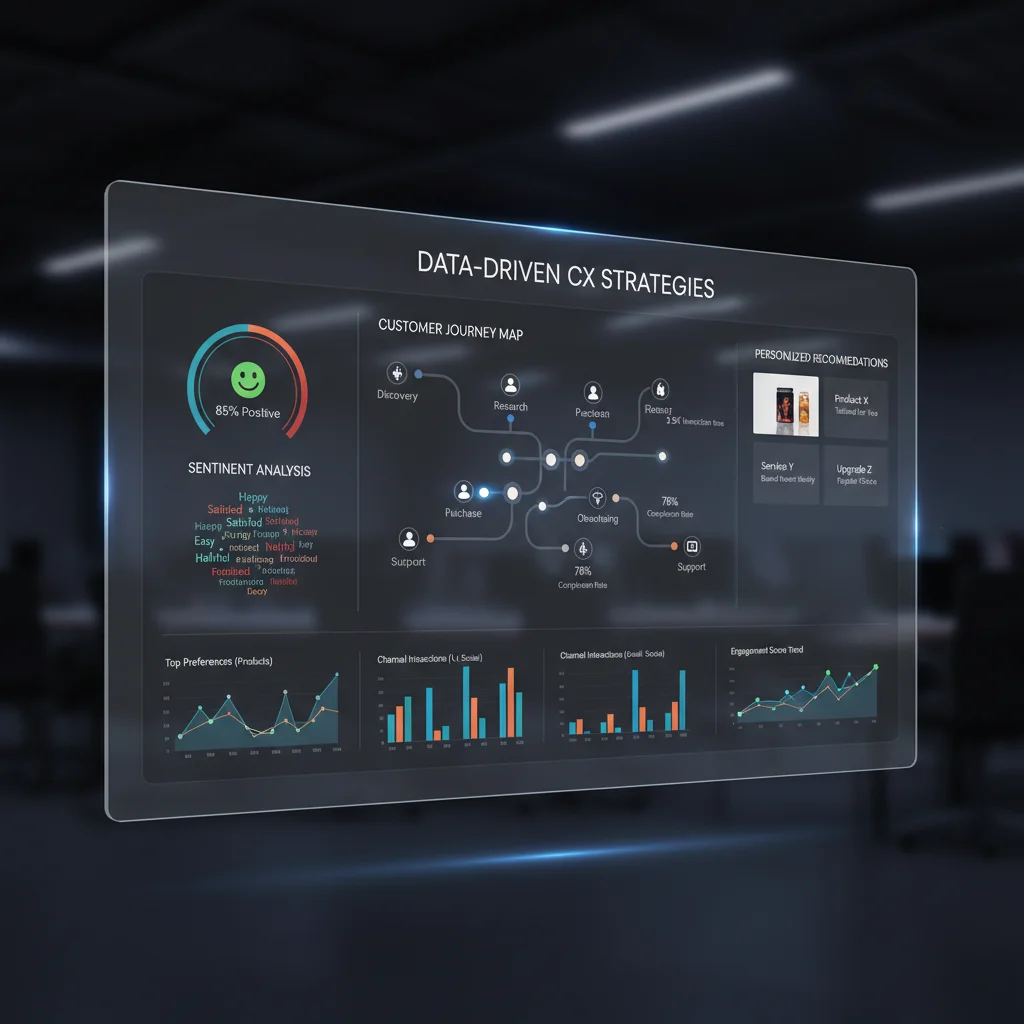
In the digital age, data is the new currency. For businesses aiming to build strong brand loyalty CX, leveraging data analytics and AI is no longer optional; it’s a strategic imperative. Predictive CX moves beyond reacting to customer needs and instead anticipates them, offering solutions before problems even arise.
The Power of Predictive Analytics
Predictive analytics uses historical data, statistical algorithms, and machine learning techniques to identify the likelihood of future outcomes. In the context of CX, this means:
- Churn Prediction: Identifying customers who are at risk of leaving your brand based on changes in their behavior (e.g., decreased engagement, reduced purchases, negative support interactions). This allows for proactive interventions like personalized offers or outreach from a dedicated success manager.
- Next Best Action (NBA): Recommending the most appropriate next step for a customer at any given point in their journey. This could be a relevant product suggestion, an offer to chat with support, or an invitation to an exclusive event.
- Personalized Proactive Outreach: Anticipating customer needs and reaching out with relevant information or solutions. For example, a financial institution might send a reminder about an upcoming bill payment or suggest a savings plan based on recent account activity.
- Optimizing Resource Allocation: Predicting peak times for customer service inquiries or identifying common issues allows businesses to allocate resources more effectively, ensuring faster response times and improved service quality.
Implementing Data Analytics and AI for Predictive CX
- Invest in Data Infrastructure: A robust data warehouse or data lake is essential to store and process the vast amounts of customer data generated across various touchpoints.
- Utilize AI/ML Platforms: Employ platforms and tools that can perform advanced analytics, sentiment analysis, natural language processing (NLP), and machine learning to extract insights and build predictive models.
- Define Key Performance Indicators (KPIs): Clearly define what you want to predict (e.g., churn rate, customer lifetime value, satisfaction scores) and what actions you will take based on those predictions.
- Integrate Insights into Workflows: Ensure that the insights generated by AI and analytics are seamlessly integrated into customer service workflows, marketing automation, and sales processes, enabling frontline staff to act on them effectively.
- Continuous Monitoring and Refinement: Predictive models are not static. They need continuous monitoring, evaluation, and refinement to remain accurate and relevant as customer behavior and market conditions evolve.
By embracing predictive CX, businesses can transform their customer interactions from reactive to proactive, demonstrating a deep understanding and care for their customers that significantly boosts brand loyalty CX.
4. Building Authentic Communities and Fostering Engagement
Beyond individual transactions, modern consumers crave connection and a sense of belonging. Brands that successfully build authentic online and offline communities around their products or values can cultivate an incredibly powerful form of brand loyalty CX. These communities transform customers into advocates, co-creators, and a valuable source of feedback.
The Power of Community for Brand Loyalty
- Enhanced Trust and Credibility: When customers see others enthusiastically using and discussing a brand, it builds trust and social proof far more effectively than traditional advertising.
- Peer-to-Peer Support: Communities often provide a platform for customers to help each other, answering questions, sharing tips, and troubleshooting issues. This reduces the burden on formal customer service channels and enhances the overall support experience.
- Valuable Feedback and Insights: Engaged communities are a goldmine for product development and service improvement. Customers are often eager to share ideas, report bugs, and provide honest opinions, offering direct insights into their needs and desires.
- Emotional Connection and Belonging: Being part of a community fosters a sense of belonging and shared identity. This emotional connection goes beyond the product itself, creating a deeper bond with the brand.
- Advocacy and Word-of-Mouth Marketing: Loyal community members are often the most passionate advocates for a brand, sharing their positive experiences with friends, family, and social networks, driving organic growth.
Implementing Community-Building Strategies: Practical Solutions
- Choose the Right Platform: This could be a dedicated forum on your website, a private social media group (e.g., Facebook Group, Discord server), or a platform like Circle or Mighty Networks. The choice depends on your audience and the type of interaction you want to foster.
- Active Moderation and Engagement: Communities don’t thrive on their own. Brands need dedicated community managers who actively engage with members, pose questions, organize discussions, and ensure a positive and respectful environment.
- Exclusive Content and Benefits: Offer community members exclusive access to content, early product previews, beta testing opportunities, special discounts, or Q&A sessions with brand experts. This makes membership feel valuable.
- Listen and Act on Feedback: Show community members that their input matters. Acknowledge their suggestions, explain how their feedback is being used, and celebrate when their ideas are implemented.
- Facilitate User-Generated Content (UGC): Encourage members to share their experiences, stories, photos, and videos related to your brand. UGC is incredibly powerful for building authenticity and engagement.
- Offline Events (where applicable): For some brands, organizing local meetups, workshops, or user conferences can further solidify community bonds and translate online relationships into real-world connections.
By investing in community building, brands can cultivate a loyal following that not only purchases products but actively participates in the brand’s journey, making it a cornerstone of strong brand loyalty CX.

5. Employee Experience (EX) as the Foundation of CX
It’s a widely accepted truth in business: happy employees lead to happy customers. The employee experience (EX) is not just an HR concern; it’s a critical driver of customer experience and, consequently, brand loyalty CX. Employees are the frontline ambassadors of your brand, and their engagement, motivation, and well-being directly impact how customers perceive and interact with your company.
The Direct Link Between EX and CX
- Motivated Employees Provide Better Service: Employees who feel valued, supported, and engaged are more likely to go the extra mile for customers, providing empathetic, proactive, and high-quality service.
- Knowledgeable Staff Enhance Customer Confidence: Investing in employee training and development ensures that staff are well-equipped to answer questions, resolve issues, and guide customers effectively, building trust and confidence.
- Employee Retention Leads to Consistent CX: High employee turnover can disrupt service quality and consistency. Retaining experienced employees means customers benefit from consistent interactions with knowledgeable staff who understand their history and needs.
- Positive Internal Culture Radiates Outward: A positive and supportive internal culture translates into a more positive and helpful demeanor when interacting with customers, enhancing their overall experience.
- Empowered Employees Drive Problem Resolution: When employees are empowered to make decisions and solve problems without excessive bureaucracy, they can provide faster and more satisfying resolutions for customers.
Investing in Employee Experience: Practical Solutions
- Clear Vision and Purpose: Ensure all employees understand the company’s mission, vision, and how their role contributes to delivering exceptional CX. This provides a sense of purpose and direction.
- Comprehensive Training and Development: Invest in ongoing training not just on product knowledge but also on soft skills like empathy, active listening, and conflict resolution. Provide opportunities for career growth and skill development.
- Empowerment and Autonomy: Give employees the authority and resources to make decisions that benefit the customer. Trust them to use their judgment, rather than burdening them with rigid scripts and processes.
- Recognition and Rewards: Acknowledge and reward employees for excellent performance, especially when they demonstrate exceptional customer service. This reinforces positive behavior and boosts morale.
- Feedback Mechanisms: Create channels for employees to provide feedback on processes, tools, and challenges they face. Act on this feedback to improve their working environment and efficiency.
- Supportive Leadership: Leaders play a crucial role in shaping EX. They should lead by example, foster a positive work environment, and actively support their teams.
- Right Tools and Technology: Provide employees with the necessary tools and technology to do their jobs effectively, including efficient CRM systems, communication platforms, and knowledge bases.
- Focus on Well-being: Support employee well-being through flexible work arrangements, mental health resources, and a healthy work-life balance.
By prioritizing a positive employee experience, businesses in the US can create a virtuous cycle where engaged employees deliver outstanding CX, which in turn fuels strong brand loyalty CX.
Conclusion: The Future of Brand Loyalty is CX-Driven
In the dynamic digital landscape of the US, building and sustaining brand loyalty is an ongoing journey, not a destination. It requires a relentless focus on the customer, a commitment to innovation, and a willingness to adapt. The five innovative CX strategies discussed – hyper-personalization at scale, seamless omnichannel support, leveraging data analytics and AI for predictive CX, building authentic communities, and prioritizing employee experience – are not isolated tactics but interconnected pillars that form the bedrock of enduring customer relationships.
Brands that excel in these areas will not only meet but exceed evolving customer expectations, transforming casual buyers into fervent advocates. By investing strategically in your brand loyalty CX efforts, you are not just improving service; you are building a resilient, customer-centric business model designed for long-term success and sustainable growth in the digital age. The future of brand loyalty is undeniably driven by exceptional customer experiences, and the time to innovate is now.