Boost Sales & Efficiency: The Power of CRM Integration
In today’s fast-paced business landscape, efficiency and customer satisfaction are paramount. Companies are constantly seeking innovative ways to streamline operations, enhance communication, and foster stronger relationships with their clientele. One of the most impactful strategies to achieve these goals is through robust CRM integration benefits. Customer Relationship Management (CRM) systems are the backbone of modern customer interaction, but their true power is unleashed when they are seamlessly integrated with other critical business tools.
This comprehensive guide will delve into the multifaceted advantages of integrating your CRM system, exploring how it can transform your business, drive sales, and significantly improve your bottom line. We’ll cover everything from enhanced data accuracy and streamlined workflows to improved customer experiences and strategic decision-making. By the end of this article, you’ll have a clear understanding of why CRM integration isn’t just a luxury, but a necessity for sustainable growth.
Understanding the Core Concept of CRM Integration
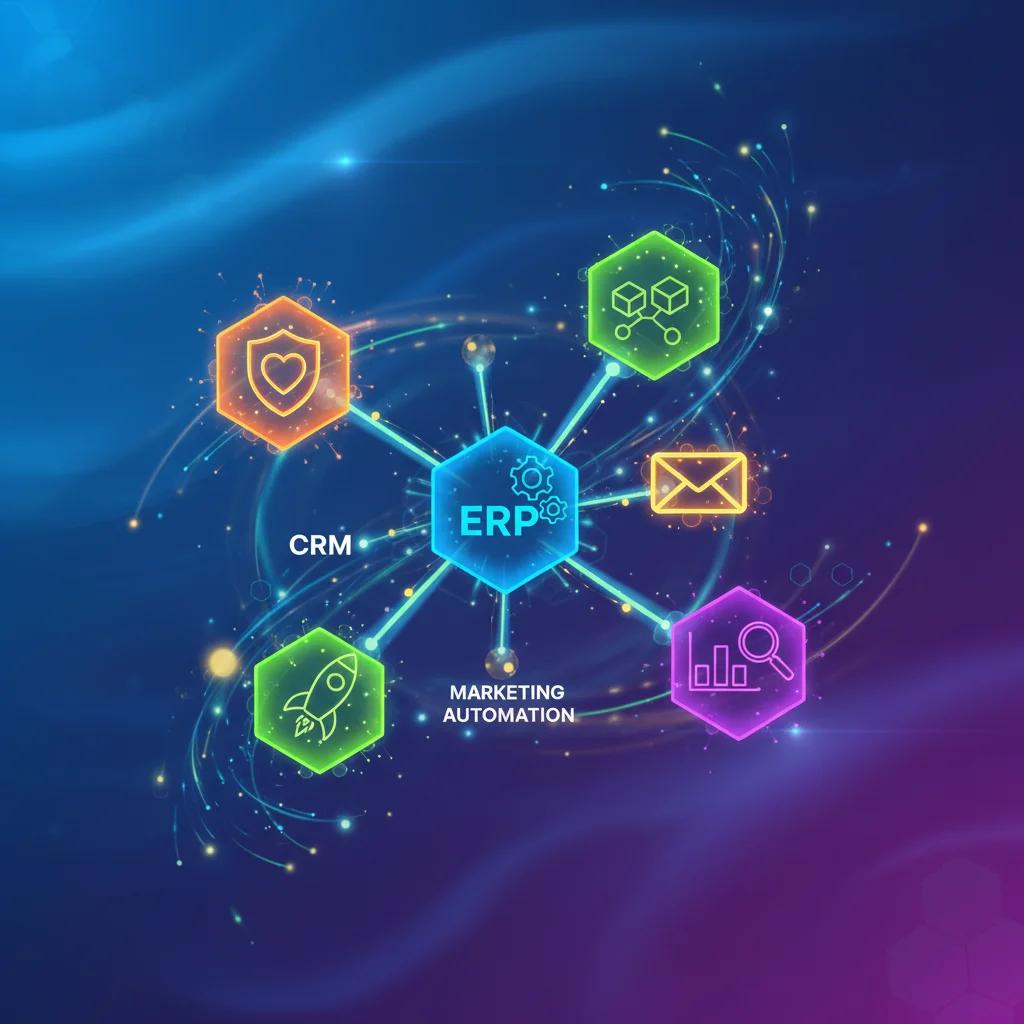
Before we dive into the specific CRM integration benefits, let’s establish a clear understanding of what CRM integration entails. At its heart, CRM integration is the process of connecting your CRM software with other business applications, platforms, and databases. This connection allows for the seamless flow of information between different systems, eliminating data silos and creating a unified view of your customers and business operations. Imagine your CRM as the central nervous system of your customer interactions; integration extends its reach to every limb and organ of your business, ensuring all parts work in harmony.
This can involve integrating with a wide array of systems, including but not limited to:
- Marketing Automation Platforms: For lead nurturing, email campaigns, and audience segmentation.
- ERP (Enterprise Resource Planning) Systems: To link customer data with financial, inventory, and supply chain information.
- E-commerce Platforms: To track customer purchase history, preferences, and order status directly within the CRM.
- Customer Service & Support Tools: To provide agents with comprehensive customer histories and expedite issue resolution.
- Communication Tools (Email, VoIP, Chat): To log interactions automatically and centralize communication records.
- Analytics & Business Intelligence Dashboards: For deeper insights into customer behavior and business performance.
- Social Media Platforms: To monitor brand mentions, engage with customers, and capture leads.
The goal is always the same: to create a cohesive and efficient ecosystem where data is accessible, accurate, and actionable across all departments. This holistic approach is what unlocks the true potential of your CRM investment and delivers significant CRM integration benefits.
Enhanced Data Accuracy and Consistency: A Foundation for Success
One of the most immediate and profound CRM integration benefits is the significant improvement in data accuracy and consistency. Without integration, businesses often face the challenge of disparate data sources, leading to duplicate entries, outdated information, and conflicting records. This ‘dirty data’ can cripple decision-making, frustrate employees, and alienate customers.
When your CRM is integrated with other systems, data is synchronized automatically. For example, a customer’s updated contact information in your e-commerce platform can instantly reflect in your CRM, marketing automation tool, and customer service portal. This eliminates the need for manual data entry, which is not only time-consuming but also prone to human error. Consistent data across all platforms means:
- Reliable Insights: Decisions are based on current and accurate information, leading to more effective strategies.
- Personalized Customer Experiences: With a single, unified customer view, you can offer tailored interactions and recommendations.
- Reduced Operational Costs: Less time spent on data reconciliation and error correction.
- Improved Compliance: Easier to maintain data privacy and regulatory compliance when data is centralized and managed effectively.
Think of it as having a single source of truth for all your customer-related data. This foundational benefit underpins nearly every other advantage of CRM integration, making it a critical first step towards business optimization.
Streamlined Workflows and Increased Operational Efficiency
The manual transfer of information between systems is a notorious bottleneck in many organizations. Sales teams might spend hours updating CRM records after a call, while marketing teams manually import lead lists. These repetitive, non-value-adding tasks consume valuable time and resources. This is where the power of CRM integration benefits truly shines.
By automating data transfer and process triggers, integration streamlines workflows across departments. For instance:
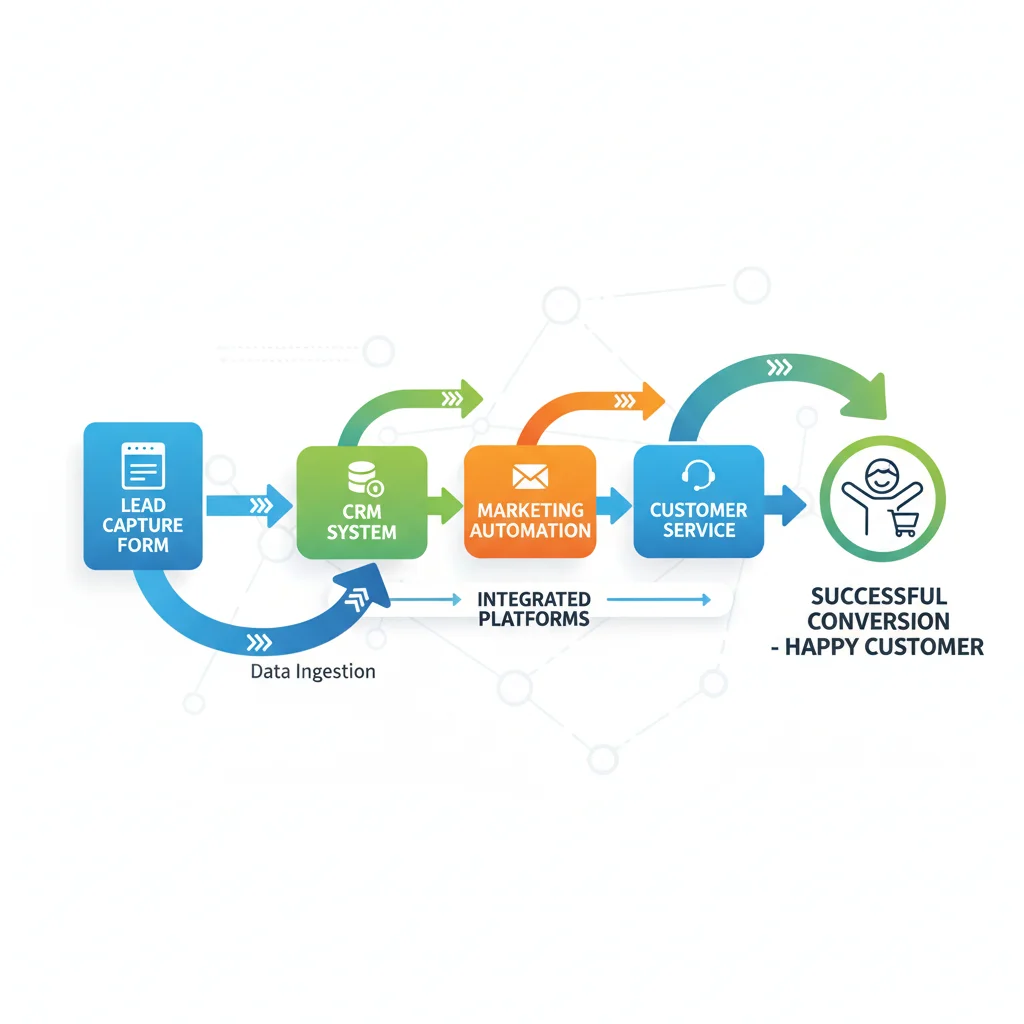
- Sales & Marketing Alignment: When a lead converts on your website (captured by your marketing automation tool), it can automatically be pushed to your CRM as a qualified lead, triggering a task for the sales team. This ensures no lead falls through the cracks and sales can act swiftly.
- Customer Service Efficiency: When a customer submits a support ticket, the CRM can instantly pull up their entire purchase history, previous interactions, and preferences from other integrated systems. This empowers service agents to resolve issues faster and more effectively, leading to higher customer satisfaction.
- Order Fulfillment & Billing: An order placed on your e-commerce site can automatically create a sales order in your ERP system and update the customer’s purchase record in the CRM, ensuring accurate billing and inventory management.
These automated workflows reduce administrative burdens, allowing employees to focus on higher-value activities that directly contribute to business growth. The time saved translates directly into increased productivity and a more agile organization, underscoring the significant CRM integration benefits for operational efficiency.
Enhanced Customer Experience and Satisfaction
In today’s competitive market, customer experience is a key differentiator. Customers expect personalized interactions, quick resolutions, and consistent service across all touchpoints. Achieving this without integrated systems is incredibly challenging, if not impossible. The unified view of the customer enabled by CRM integration benefits is a game-changer for customer experience.
When every department has access to the same, up-to-date customer information, they can provide a seamless and consistent experience. Consider these scenarios:
- A sales representative knows a customer’s recent support issues before making a follow-up call, allowing for a more empathetic and informed conversation.
- A marketing campaign can be tailored based on a customer’s past purchases and browsing behavior, leading to more relevant offers and higher engagement.
- A customer service agent can instantly see if a customer has an open order, their subscription status, or any previous interactions, avoiding the need for the customer to repeat information.
This level of personalization and efficiency fosters trust and loyalty. Customers feel understood and valued, leading to higher satisfaction rates, repeat business, and positive word-of-mouth referrals. Ultimately, a superior customer experience is one of the most powerful CRM integration benefits for long-term business success.

Improved Sales Performance and Revenue Growth
The direct impact of CRM integration benefits on sales performance and revenue growth is undeniable. By providing sales teams with comprehensive insights and automating repetitive tasks, integration empowers them to sell more effectively and efficiently.
- 360-Degree Customer View: Sales representatives can access a complete history of customer interactions, preferences, purchase history, and even social media activity. This allows them to understand customer needs better, anticipate objections, and tailor their pitches for maximum impact.
- Faster Lead Qualification and Nurturing: Integrating CRM with marketing automation tools ensures that leads are automatically scored and passed to sales when they meet specific criteria. This means sales teams spend less time on unqualified leads and more time on high-potential prospects.
- Streamlined Quoting and Ordering: Integration with ERP or e-commerce systems can automate the creation of quotes, proposals, and orders, reducing administrative overhead and accelerating the sales cycle.
- Better Cross-selling and Upselling Opportunities: With a clear view of customer needs and purchase history, sales teams can easily identify opportunities to cross-sell complementary products or upsell higher-value services.
- Accurate Sales Forecasting: Integrated data provides a more accurate picture of the sales pipeline, helping managers make better forecasts and allocate resources more effectively.
The cumulative effect of these improvements is a more productive sales force, shorter sales cycles, and ultimately, a significant boost in revenue. This makes improved sales performance a cornerstone of the numerous CRM integration benefits.
Better Decision-Making Through Comprehensive Analytics
Data is the new oil, and integrated systems provide the refinery. Without integration, valuable data remains locked in silos, making it difficult to gain a holistic view of business performance. CRM integration benefits include the ability to consolidate data from various sources into a single platform for advanced analytics and reporting.
When your CRM is connected to business intelligence tools, marketing platforms, and financial systems, you can generate comprehensive reports that offer deeper insights into:
- Customer Behavior: Understand buying patterns, preferences, and churn indicators.
- Sales Pipeline Health: Identify bottlenecks, forecast revenue more accurately, and optimize sales strategies.
- Marketing Campaign Effectiveness: Measure ROI of campaigns by linking lead generation to actual sales.
- Customer Service Trends: Analyze common issues, resolution times, and customer satisfaction metrics to improve service delivery.
- Overall Business Performance: Gain a unified view of financial health, operational efficiency, and customer engagement.
These insights empower leadership to make data-driven decisions, identify areas for improvement, and capitalize on new opportunities. The ability to move beyond guesswork and rely on solid data is one of the most strategic CRM integration benefits for any forward-thinking organization.
Reduced Costs and Improved ROI
While the initial investment in CRM integration might seem substantial, the long-term CRM integration benefits often translate into significant cost savings and an impressive return on investment (ROI).
- Reduced Manual Labor: Automation eliminates the need for manual data entry and reconciliation, freeing up employee time that can be reallocated to more productive tasks.
- Fewer Errors: Automated data transfer reduces human errors, preventing costly mistakes in billing, order fulfillment, and customer communications.
- Optimized Resource Allocation: Better insights lead to more efficient allocation of marketing spend, sales efforts, and customer service resources.
- Improved Customer Retention: Happier customers are more likely to stay, reducing the high cost of acquiring new customers.
- Increased Sales Efficiency: A more productive sales team means higher revenue generation without necessarily increasing headcount.
- Reduced Software Sprawl: Consolidating data and processes can sometimes lead to rationalizing redundant software, saving on licensing fees.
By optimizing every aspect of your customer-facing operations, CRM integration helps businesses operate more leanly and profitably. The cumulative effect of these savings and revenue gains makes a compelling case for the financial advantages among the CRM integration benefits.
Key Considerations for Successful CRM Integration
While the CRM integration benefits are clear, successful implementation requires careful planning and execution. Here are some key considerations:
- Define Your Goals: Clearly articulate what you want to achieve with integration. Is it improved sales, better customer service, or enhanced data accuracy? Having clear objectives will guide your strategy.
- Choose the Right Integration Strategy: There are various approaches, from native connectors offered by CRM vendors to third-party integration platforms (iPaaS) or custom API development. The best choice depends on your specific needs, budget, and technical capabilities.
- Assess Your Current Systems: Understand the capabilities and limitations of your existing software. Are their APIs robust enough for seamless integration?
- Data Mapping and Cleansing: This is a critical step. Ensure that data fields between systems are correctly mapped and that your data is clean and consistent before integration. Garbage in, garbage out!
- Involve Stakeholders: Get input from all departments that will be affected by the integration. Their insights are invaluable, and their buy-in is crucial for adoption.
- Start Small, Scale Up: Consider a phased approach, integrating critical systems first, and then expanding to others. This allows for testing and adjustments along the way.
- Security and Compliance: Ensure that your integration strategy adheres to data security best practices and relevant compliance regulations (e.g., GDPR, CCPA).
- Testing and Monitoring: Thoroughly test all integrations to ensure data flows correctly and processes work as expected. Implement ongoing monitoring to quickly identify and resolve any issues.
- Training and Adoption: Provide adequate training to your employees on the new integrated workflows. User adoption is key to realizing the full CRM integration benefits.
Ignoring these considerations can lead to costly mistakes and undermine the potential advantages of integration. A well-planned approach is essential for maximizing the CRM integration benefits.
Real-World Examples of CRM Integration Success
To further illustrate the tangible CRM integration benefits, let’s look at some hypothetical, yet common, real-world scenarios:
E-commerce Business
An online retailer integrates its Shopify store with its CRM (e.g., HubSpot or Salesforce). When a customer makes a purchase, the order details, customer information, and product preferences are automatically updated in the CRM. This allows the marketing team to segment customers based on purchase history and send highly targeted email campaigns (e.g., recommending complementary products). The customer service team can instantly see a customer’s order status and past interactions, leading to faster and more personalized support. The result? A 15% increase in repeat purchases and a 20% reduction in customer service resolution time.
Software as a Service (SaaS) Company
A SaaS company integrates its CRM with its product usage analytics platform and customer support ticketing system. When a user experiences a specific feature bug (logged in the support system) or shows signs of churn (identified by usage analytics), an alert is sent to the customer success manager within the CRM. The CSM can then proactively reach out, armed with knowledge of the issue and the user’s engagement history. This proactive approach leads to a 10% reduction in churn rates and improved customer satisfaction scores.
Professional Services Firm
A consulting firm integrates its CRM with its project management software and accounting system. When a new client is onboarded in the CRM, a new project is automatically created in the project management tool, and initial billing information is sent to the accounting system. As project milestones are met, updates in the project management tool can trigger automated follow-ups or billing actions in the CRM and accounting system. This eliminates manual data entry across three systems, reduces administrative overhead by 25%, and ensures accurate billing and project tracking.
These examples highlight how diverse businesses can leverage the power of integration to achieve measurable improvements across various operational areas, solidifying the case for exploring CRM integration benefits within your own organization.
The Future of CRM Integration: AI, Machine Learning, and Hyper-Personalization
The evolution of CRM integration benefits is far from over. As technology advances, we can expect even more sophisticated and intelligent integrations. The rise of Artificial Intelligence (AI) and Machine Learning (ML) is set to revolutionize how CRMs interact with other systems.
- Predictive Analytics: AI-powered integrations will analyze vast amounts of data from various sources to predict customer behavior, identify potential churn risks, and pinpoint optimal cross-selling opportunities with even greater accuracy.
- Automated Insights: ML algorithms will automatically surface key insights from integrated data, eliminating the need for manual analysis and providing actionable recommendations to sales, marketing, and service teams.
- Hyper-Personalization: Integration with AI-driven personalization engines will allow for real-time, dynamic content delivery across all touchpoints, creating truly unique and highly relevant customer experiences.
- Voice and Conversational AI: Integration with voice assistants and chatbots will enable more natural and efficient customer interactions, with all data seamlessly logged and utilized by the CRM.
- IoT Integration: For businesses dealing with connected devices, integration with IoT platforms will allow for proactive service, predictive maintenance, and personalized experiences based on product usage data.
These future developments promise to amplify the CRM integration benefits, making businesses even more agile, customer-centric, and profitable. Staying abreast of these trends will be crucial for maintaining a competitive edge.
Conclusion: Unlocking Your Business’s Full Potential with CRM Integration
In summary, the strategic implementation of CRM integration is no longer an optional add-on but a fundamental pillar for modern business success. The myriad CRM integration benefits – ranging from enhanced data accuracy and streamlined workflows to improved customer experiences, increased sales, better decision-making, and significant cost savings – collectively create a powerful engine for growth and efficiency.
By breaking down data silos and fostering seamless communication between your essential business applications, you empower your teams, delight your customers, and gain a competitive advantage in an increasingly crowded marketplace. The journey to a fully integrated ecosystem may require careful planning and investment, but the long-term rewards in terms of operational excellence, customer loyalty, and sustained profitability are well worth the effort.
Embrace the power of CRM integration, and position your business for a future where every customer interaction is optimized, every decision is data-driven, and every opportunity for growth is fully realized. Start planning your integration strategy today and unlock the full potential of your CRM investment.