Boosting Customer Retention: New CX Strategies for Digital Sales in the US
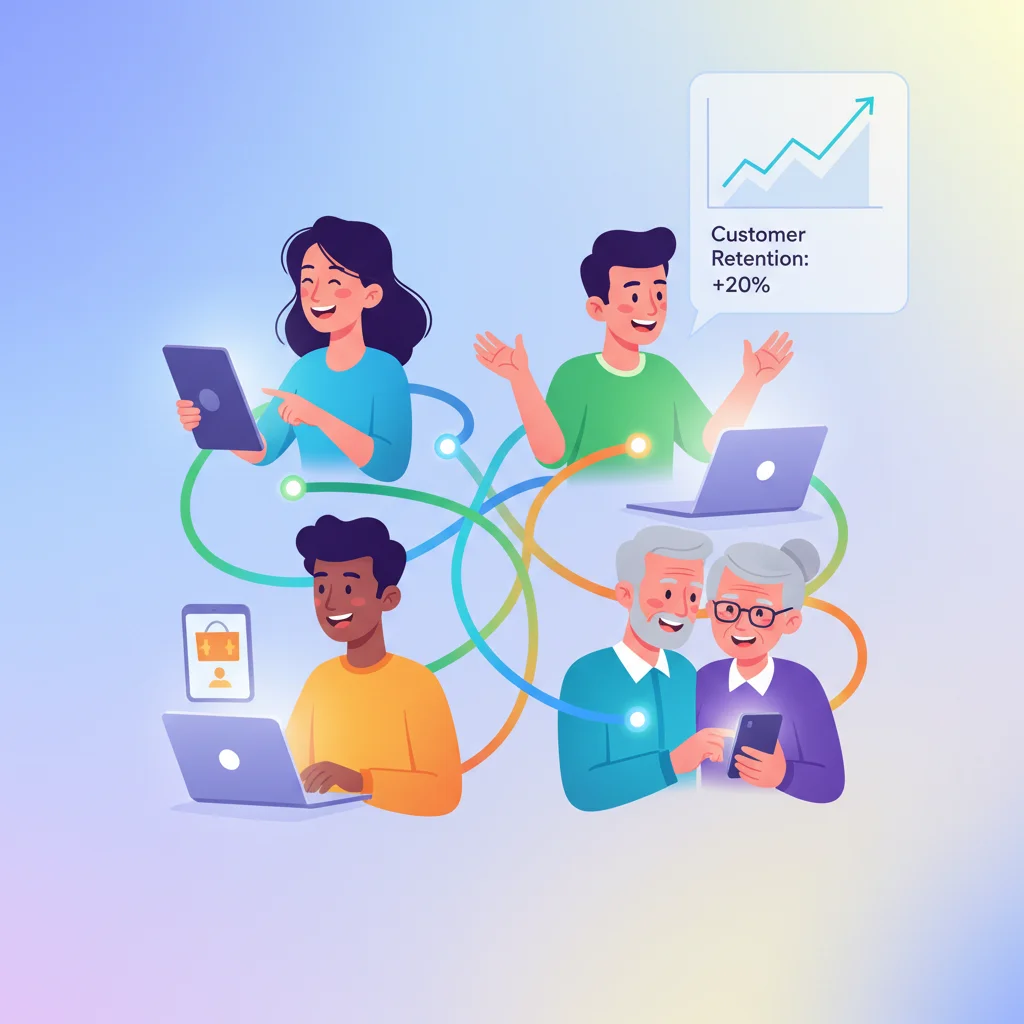
In the fiercely competitive landscape of digital sales, especially within the United States, attracting new customers is only half the battle. The true measure of sustainable growth and profitability lies in a company’s ability to retain its existing customer base. As we look towards 2026, the imperative to boost customer retention by a significant margin – say, 15% – becomes not just a goal, but a strategic necessity. This article delves deep into cutting-edge customer experience (CX) strategies that are poised to redefine how businesses approach customer loyalty and drive long-term success in the digital realm. Understanding and implementing effective customer retention strategies is paramount for any business aiming for sustained growth and profitability in the highly competitive US digital sales market.
The Shifting Paradigm: Why Customer Retention Matters More Than Ever
The cost of acquiring a new customer is significantly higher than retaining an existing one. Studies consistently show that increasing customer retention rates by just 5% can boost profits by 25% to 95%. In the digital sales arena, where options are abundant and switching costs are often low, customer loyalty is a fragile yet invaluable asset. The digital consumer of today is more informed, more demanding, and less patient. They expect seamless, personalized, and efficient experiences across all touchpoints. Failing to meet these expectations can lead to rapid churn, negatively impacting revenue, brand reputation, and market share. Therefore, robust customer retention strategies are no longer a luxury but a fundamental component of a successful business model.
Moreover, loyal customers tend to spend more over time, act as brand advocates, and provide invaluable feedback that can drive product and service innovation. In an era where word-of-mouth (both digital and traditional) holds immense power, satisfied, retained customers become your most effective marketing channel. The goal of boosting customer retention by 15% by 2026 is ambitious but entirely achievable with a concerted effort focused on evolving CX strategies. This requires a holistic approach, integrating technology, data, and human-centric design to create experiences that not only satisfy but delight customers at every stage of their journey.
Understanding the Modern Digital Customer Journey
Before we can craft effective customer retention strategies, we must first deeply understand the modern digital customer journey. This journey is rarely linear. It often involves multiple devices, channels, and interactions – from initial discovery on social media, through website browsing and product research, to purchase, post-purchase support, and repeat engagement. Each touchpoint presents an opportunity to either strengthen or weaken the customer relationship.
Mapping the Multi-Channel Experience
A crucial first step is to meticulously map out the entire customer journey, identifying all digital touchpoints. This includes:
- Website and E-commerce Platforms: User interface (UI), user experience (UX), navigation, product information, checkout process.
- Mobile Apps: Functionality, ease of use, personalization, push notifications.
- Social Media: Brand presence, engagement, customer service interactions.
- Email Marketing: Personalization, relevance, frequency, calls to action.
- Chatbots and Live Chat: Responsiveness, accuracy, problem-solving capabilities.
- Customer Support Portals: Self-service options, ticket submission, knowledge bases.
- Online Reviews and Forums: Monitoring sentiment, engaging with feedback.
By visualizing these touchpoints, businesses can identify potential pain points, areas for improvement, and opportunities to create moments of delight. This comprehensive understanding is the bedrock upon which effective customer retention strategies are built.
Pillar 1: Hyper-Personalization at Scale
Personalization is no longer a differentiator; it’s an expectation. However, to truly boost customer retention, businesses must move beyond basic personalization (e.g., using a customer’s first name) to hyper-personalization at scale. This involves leveraging advanced data analytics and AI to understand individual customer preferences, behaviors, and needs, then tailoring every interaction accordingly.
Leveraging AI and Machine Learning for Deeper Insights
Artificial Intelligence (AI) and Machine Learning (ML) are game-changers in developing sophisticated customer retention strategies. These technologies can process vast amounts of customer data – purchase history, browsing behavior, demographic information, interaction patterns – to create highly accurate customer profiles. This allows for:
- Personalized Product Recommendations: Beyond ‘customers who bought this also bought…’, AI can predict future purchases based on nuanced patterns.
- Tailored Content Delivery: Showing relevant articles, videos, or guides that align with a customer’s interests or stage in their journey.
- Dynamic Pricing and Offers: Presenting personalized discounts or bundles based on individual price sensitivity and past purchases.
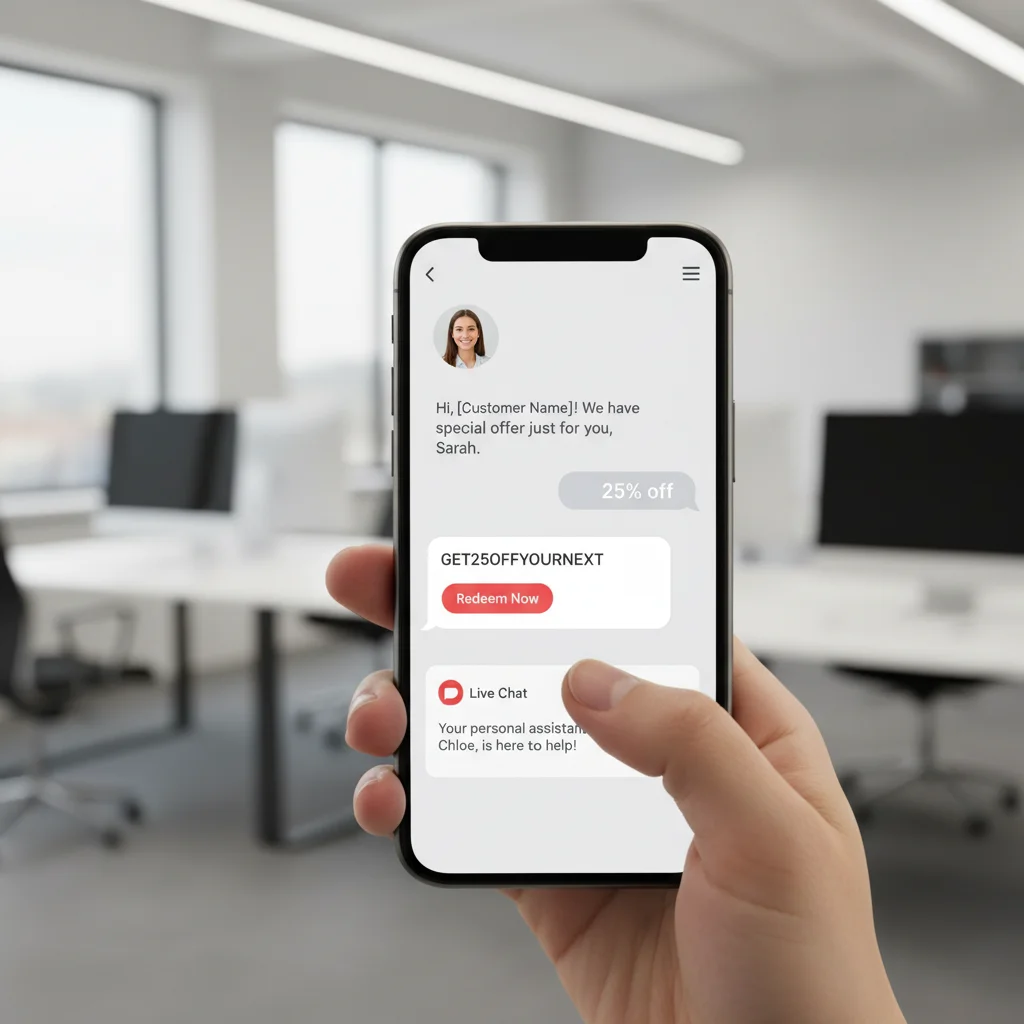
- Contextual Messaging: Sending the right message, through the right channel, at the right time – whether it’s a birthday greeting, a re-engagement offer, or a helpful tip.
The key is to make customers feel seen, understood, and valued, fostering a deeper connection that transcends a transactional relationship. Hyper-personalization is a cornerstone of modern customer retention strategies.
Pillar 2: Proactive and Predictive Customer Service
Traditional customer service is often reactive, addressing issues after they arise. To significantly boost customer retention, businesses must adopt a proactive and predictive approach. This means anticipating customer needs and potential problems before they occur, and addressing them preemptively.
Anticipating Needs with Data Analytics
By analyzing customer behavior data, businesses can identify patterns that indicate potential issues or opportunities for intervention. For example:
- Churn Prediction: Identifying customers who exhibit behaviors associated with churn (e.g., decreased engagement, fewer logins, abandoned carts) and intervening with targeted re-engagement campaigns.
- Proactive Support: Notifying customers about potential service interruptions, delivery delays, or product updates before they become aware of them.
- Personalized Onboarding: Guiding new customers through product features or service setup based on their specific usage patterns and likely challenges.
- Sentiment Analysis: Using AI to monitor social media, reviews, and customer interactions for negative sentiment, allowing for swift resolution before complaints escalate.
This proactive stance demonstrates that a business genuinely cares about its customers’ success and satisfaction, building trust and reinforcing loyalty. These advanced tactics are essential components of effective customer retention strategies.
Seamless Omnichannel Support
Customers expect to interact with businesses on their terms, using their preferred channel. An omnichannel support strategy ensures a consistent and seamless experience across all touchpoints, whether it’s chat, email, phone, or social media. This means:
- Unified Customer Profiles: Agents having access to a complete history of all customer interactions, regardless of the channel.
- Channel Switching: Allowing customers to switch channels mid-conversation without losing context (e.g., starting a chat and continuing on the phone).
- Self-Service Options: Providing robust knowledge bases, FAQs, and AI-powered chatbots that empower customers to find answers independently, reducing the need for direct human intervention for simple queries.
A friction-free support experience is critical for retaining customers in the digital age. It’s a key element of strong customer retention strategies.
Pillar 3: Building Community and Emotional Connections
Beyond transactional interactions, fostering a sense of community and emotional connection with your brand can dramatically improve customer retention. When customers feel part of something larger, they are less likely to leave.
Creating Engaging Brand Communities
Digital communities, whether on dedicated forums, social media groups, or even through user-generated content initiatives, provide platforms for customers to connect with each other and with the brand. These communities can:
- Facilitate Peer Support: Customers helping each other, reducing the burden on formal support channels.
- Gather Feedback: Providing a direct channel for product ideas, suggestions, and sentiment.
- Foster Brand Advocacy: Empowering loyal customers to share their positive experiences and recommend products.
- Educate and Inform: Sharing tips, tricks, and best practices related to your products or services.
By nurturing these communities, businesses transform customers into advocates and partners, creating a powerful emotional bond that drives long-term loyalty. This is a subtle yet potent aspect of modern customer retention strategies.
Emotional Design and Storytelling
The digital experience should not just be functional; it should also evoke positive emotions. Incorporating emotional design principles into your website, app, and communications can make a significant difference. This includes:
- Compelling Brand Storytelling: Communicating your brand’s purpose, values, and mission in a way that resonates with customers.
- Visually Appealing Interfaces: Using aesthetics that are pleasing and intuitive.
- Micro-interactions: Small, delightful animations or sounds that enhance the user experience.
- Ethical and Transparent Practices: Building trust through clear privacy policies, data security, and responsible business conduct.
When customers feel a genuine connection to a brand’s values and mission, their loyalty runs deeper. These emotional touchpoints are often overlooked but are vital for effective customer retention strategies.
Pillar 4: Continuous Feedback Loops and Iteration
To achieve a 15% boost in customer retention, businesses must commit to a culture of continuous improvement, driven by constant feedback and iterative adjustments to their CX strategies. This means actively soliciting feedback, analyzing it, and acting upon it.
Implementing Robust Feedback Mechanisms
Effective feedback mechanisms include:
- Net Promoter Score (NPS): Regularly surveying customers to gauge their likelihood of recommending your brand.
- Customer Satisfaction (CSAT) Scores: Measuring satisfaction with specific interactions or products.
- Customer Effort Score (CES): Assessing how much effort customers had to exert to resolve an issue or complete a task.
- User Testing and A/B Testing: Continuously testing different website layouts, app features, and communication strategies to optimize for user experience.
- Social Listening: Monitoring online conversations about your brand to understand public sentiment and identify emerging issues.
The key is not just to collect data, but to derive actionable insights and implement changes that demonstrably improve the customer experience. This iterative process is fundamental to refining customer retention strategies.
Closing the Loop: Acting on Feedback
Perhaps the most critical aspect of feedback is what happens after it’s collected. Businesses must:
- Communicate Changes: Inform customers about how their feedback has led to improvements, reinforcing that their voice matters.
- Empower Employees: Equip front-line staff with the tools and authority to resolve customer issues efficiently and effectively.
- Regularly Review Metrics: Continuously track key retention metrics (e.g., churn rate, repeat purchase rate, customer lifetime value) to assess the impact of CX initiatives.
- Cross-Functional Collaboration: Ensure that insights from customer feedback are shared across all departments – marketing, sales, product development, support – to drive a unified customer-centric approach.
By consistently demonstrating that customer feedback directly influences business decisions, companies can build immense goodwill and loyalty, strengthening their customer retention strategies.

Pillar 5: Loyalty Programs Reimagined for the Digital Age
Traditional loyalty programs often focus on discounts and points. While these still have their place, modern loyalty programs, especially in digital sales, need to be reimagined to offer experiential value and deeper engagement. They are a powerful tool within customer retention strategies.
Beyond Points: Experiential Rewards and Tiers
Consider offering rewards that resonate with the digital consumer, such as:
- Exclusive Content Access: Early access to new products, webinars, or members-only articles.
- Personalized Services: Dedicated account managers, priority support, or styling advice.
- Community Privileges: Access to exclusive online groups, events, or beta testing opportunities.
- Tiered Programs: Recognizing and rewarding different levels of loyalty with escalating benefits, encouraging customers to climb the loyalty ladder.
The goal is to create a sense of belonging and exclusivity, making customers feel like valued insiders rather than just frequent buyers. These innovative loyalty programs are key to modern customer retention strategies.
Gamification and Engagement
Incorporating gamification elements can make loyalty programs more engaging and fun. This could include:
- Challenges and Quests: Encouraging specific actions (e.g., leaving a review, referring a friend) with rewards.
- Badges and Leaderboards: Recognizing top contributors or most engaged members within a community.
- Interactive Experiences: Integrating games or quizzes that offer rewards or personalized recommendations.
By making loyalty an interactive and rewarding experience, businesses can significantly enhance engagement and, consequently, retention. This playful approach is a growing trend in effective customer retention strategies.
Measuring Success: Key Metrics for Customer Retention
To track progress towards the 15% retention goal, businesses must establish clear metrics and regularly monitor their performance. Key metrics include:
- Customer Churn Rate: The percentage of customers who stop using your product or service over a given period.
- Customer Lifetime Value (CLTV): The total revenue a business can reasonably expect from a single customer account over their relationship with the business.
- Repeat Purchase Rate: The percentage of customers who have made more than one purchase.
- Average Order Value (AOV): The average amount spent per customer transaction.
- Customer Engagement Metrics: Website visits, app usage, email open rates, interaction with content.
- Net Promoter Score (NPS), CSAT, CES: As discussed earlier, these provide qualitative insights into customer sentiment.
Regular analysis of these metrics allows businesses to identify what’s working, what’s not, and where further optimization is needed for their customer retention strategies.
Challenges and Considerations for US Digital Sales
While the principles of customer retention are universal, the US digital sales market presents specific challenges and opportunities:
- High Competition: The US market is saturated with digital businesses, making differentiation and loyalty building even more critical.
- Diverse Demographics: Catering to a wide range of customer segments requires highly adaptable and inclusive CX strategies.
- Regulatory Landscape: Data privacy regulations (e.g., CCPA) necessitate careful handling of customer data, impacting personalization efforts.
- Technological Adoption: US consumers are generally early adopters of technology, expecting state-of-the-art digital experiences.
Addressing these factors requires a nuanced approach to customer retention strategies, ensuring compliance, cultural relevance, and technological sophistication.
The Future of Customer Retention: Looking Beyond 2026
As we approach and move beyond 2026, the landscape of customer retention will continue to evolve. Emerging technologies like Web3, metaverse experiences, and advanced haptic feedback could introduce entirely new dimensions to customer engagement. The core principle, however, will remain the same: understanding, valuing, and delighting the customer at every turn. Businesses that prioritize a customer-centric culture, embrace technological innovation, and commit to continuous improvement in their CX will be the ones to achieve and sustain high levels of customer retention.
Conclusion: A 15% Boost is Within Reach
Achieving a 15% boost in customer retention in digital sales across the US by 2026 is an ambitious yet attainable goal. It demands a strategic shift from simply acquiring customers to passionately cultivating lasting relationships. By focusing on hyper-personalization, proactive and predictive customer service, building strong communities, fostering continuous feedback loops, and reimagining loyalty programs, businesses can create unparalleled customer experiences. These comprehensive customer retention strategies, underpinned by data, technology, and a genuine commitment to customer satisfaction, will not only lead to increased loyalty but also drive significant growth and profitability in the dynamic digital marketplace. The future of digital sales belongs to those who master the art and science of keeping their customers.