Achieve 8% Churn Reduction by 2026: E-commerce Strategies
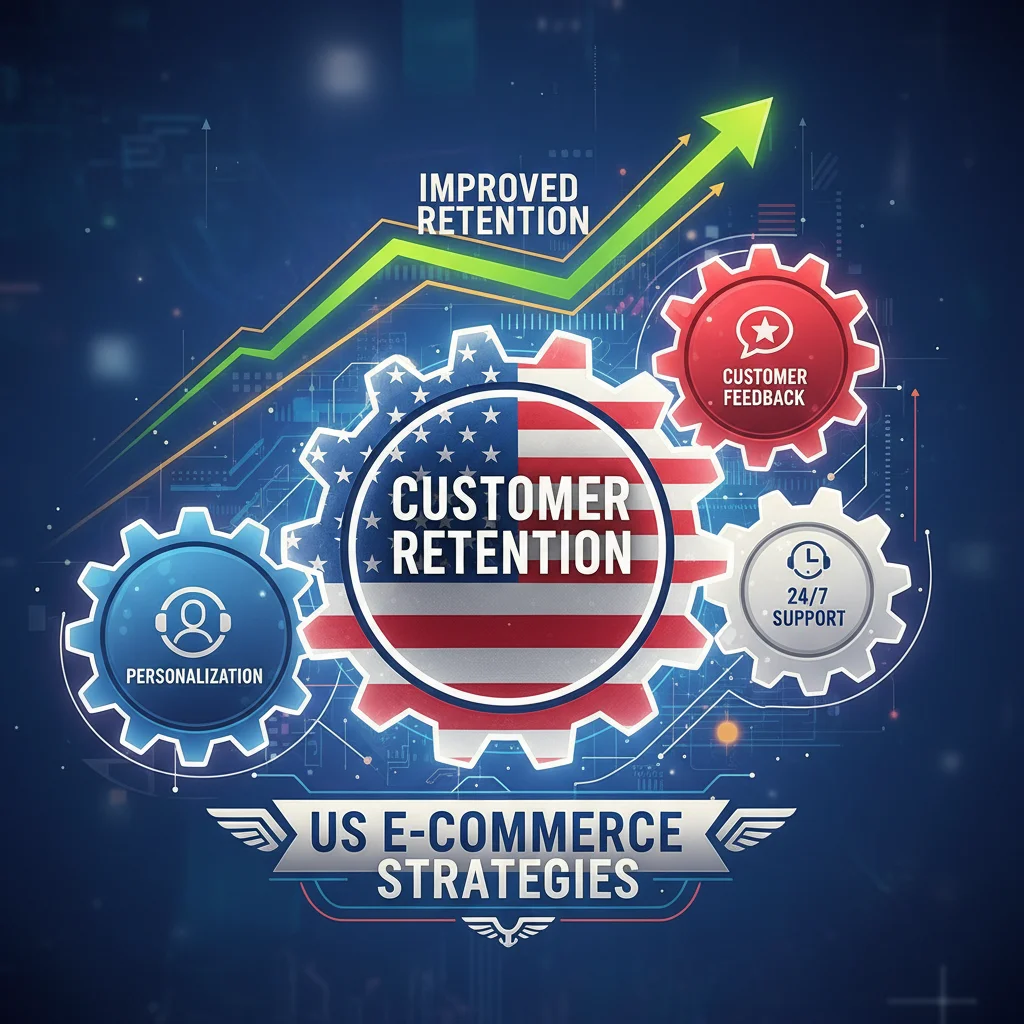
In the highly competitive landscape of US e-commerce, customer churn represents a silent but significant threat to sustained growth and profitability. While acquiring new customers is often prioritized, retaining existing ones is, on average, five times cheaper and can lead to a substantial increase in lifetime value. For US e-commerce businesses, setting an ambitious yet achievable goal like an 8% customer churn reduction by 2026 isn’t just a desirable outcome; it’s a strategic imperative. This comprehensive guide will delve into actionable steps, robust strategies, and essential tools that can help your business not only meet but exceed this target, ensuring long-term success and a loyal customer base.
Understanding the nuances of e-commerce churn reduction requires a multifaceted approach. It’s not merely about reactive measures but about proactive engagement, data-driven insights, and a relentless focus on customer satisfaction. By 2026, the e-commerce market will be even more saturated, making differentiation through exceptional customer experience paramount. Let’s explore how to turn this challenge into an opportunity.
The Imperative of E-commerce Churn Reduction: Why 8% by 2026?
Before diving into the ‘how,’ it’s crucial to understand the ‘why.’ Customer churn, defined as the percentage of customers who stop doing business with your company over a given period, directly impacts revenue, brand reputation, and market share. Even a small reduction in churn can have a dramatic effect on profitability. For instance, a 5% reduction in customer churn can increase profits by 25% to 95%, according to Bain & Company. Aiming for an 8% reduction by 2026 is an aggressive yet realistic goal that, if achieved, positions your e-commerce business for substantial growth and resilience.
The US e-commerce market is dynamic, with consumer expectations constantly evolving. Customers today demand personalized experiences, seamless interactions, and businesses that understand their needs. Failing to meet these expectations is a primary driver of churn. Furthermore, the cost of customer acquisition continues to rise, making retention an even more critical component of a sustainable business model. By focusing intently on e-commerce churn reduction, businesses can:
- Increase Customer Lifetime Value (CLTV): Loyal customers spend more over time.
- Improve Profit Margins: Retaining customers is less expensive than acquiring new ones.
- Boost Brand Advocacy: Satisfied customers become powerful advocates, driving organic growth.
- Gain Competitive Advantage: A strong retention strategy differentiates you from competitors.
- Enhance Data Insights: Understanding why customers leave provides valuable data for improvement.
Achieving an 8% reduction requires a strategic overhaul, not just minor tweaks. It demands a commitment to understanding customer behavior, predicting churn, and implementing targeted interventions. This journey begins with data.
Phase 1: Data-Driven Insights and Churn Prediction
The foundation of any successful e-commerce churn reduction strategy is a deep understanding of your customer base and the factors that contribute to their departure. This requires robust data collection, analysis, and the implementation of predictive analytics.
1. Identify Key Churn Indicators
What behaviors signal a customer is likely to churn? These ‘churn indicators’ are unique to every business but often include:
- Decreased Engagement: Less frequent website visits, lower email open rates, reduced interaction with product pages.
- Reduced Purchase Frequency/Value: Longer gaps between purchases, smaller order sizes.
- Increased Return Rates: A sudden spike in returns could indicate dissatisfaction.
- Negative Feedback: Direct feedback through surveys, reviews, or customer service interactions.
- Unused Loyalty Points/Credits: Customers disengaging from loyalty programs.
- Cart Abandonment Rate: Consistently abandoning carts without completing purchases.
Utilize your CRM, analytics platforms (like Google Analytics 4), and e-commerce platform data to track these metrics diligently. Establish benchmarks and identify deviations that suggest a customer is at risk.
2. Segment Your Customer Base
Not all customers are created equal, and neither are their reasons for churning. Segmenting your customer base allows for more targeted and effective retention efforts. Common segmentation strategies include:
- Demographic Segmentation: Age, location, income.
- Behavioral Segmentation: Purchase history, browsing behavior, engagement levels, product preferences.
- Value Segmentation (RFM): Recency, Frequency, Monetary value. This is particularly powerful for identifying high-value customers at risk.
- Lifecycle Stage Segmentation: New customers, active customers, dormant customers, at-risk customers.
By understanding which segments are most susceptible to churn, you can tailor your interventions more effectively, significantly boosting your e-commerce churn reduction efforts.
3. Implement Predictive Analytics
Advanced analytics tools can predict which customers are most likely to churn before they actually do. Machine learning models can analyze historical data, identify patterns, and assign a ‘churn risk score’ to each customer. This allows for proactive intervention rather than reactive damage control. Key steps include:
- Data Integration: Consolidate data from all customer touchpoints (website, email, social media, customer service).
- Model Training: Use historical churn data to train predictive models.
- Real-time Monitoring: Continuously monitor customer behavior against the model to identify at-risk customers.
- Actionable Insights: Translate predictions into specific recommendations for your marketing and customer service teams.
Investing in such technology can be a game-changer for achieving an 8% e-commerce churn reduction by 2026.
Phase 2: Enhancing Customer Experience and Personalization
Once you understand who is at risk and why, the next phase focuses on improving the overall customer experience and delivering highly personalized interactions. This is where your retention strategies come to life.
4. Hyper-Personalization Across All Touchpoints
Generic experiences are a leading cause of customer dissatisfaction. Personalization goes beyond addressing customers by their first name; it involves tailoring product recommendations, content, offers, and even website layouts based on individual preferences and past behavior.
- Personalized Product Recommendations: Leverage AI-powered engines to suggest relevant products based on browsing history, purchase history, and similar customer profiles.
- Dynamic Website Content: Display different content, banners, and promotions to various customer segments.
- Tailored Email Marketing: Send personalized emails with product updates, exclusive offers, and content relevant to their interests.
- Personalized Customer Service: Empower support agents with access to customer history and preferences for more efficient and empathetic interactions.
The goal is to make every customer feel understood and valued, fostering a deeper connection with your brand, which directly contributes to e-commerce churn reduction.
5. Streamline the Customer Journey
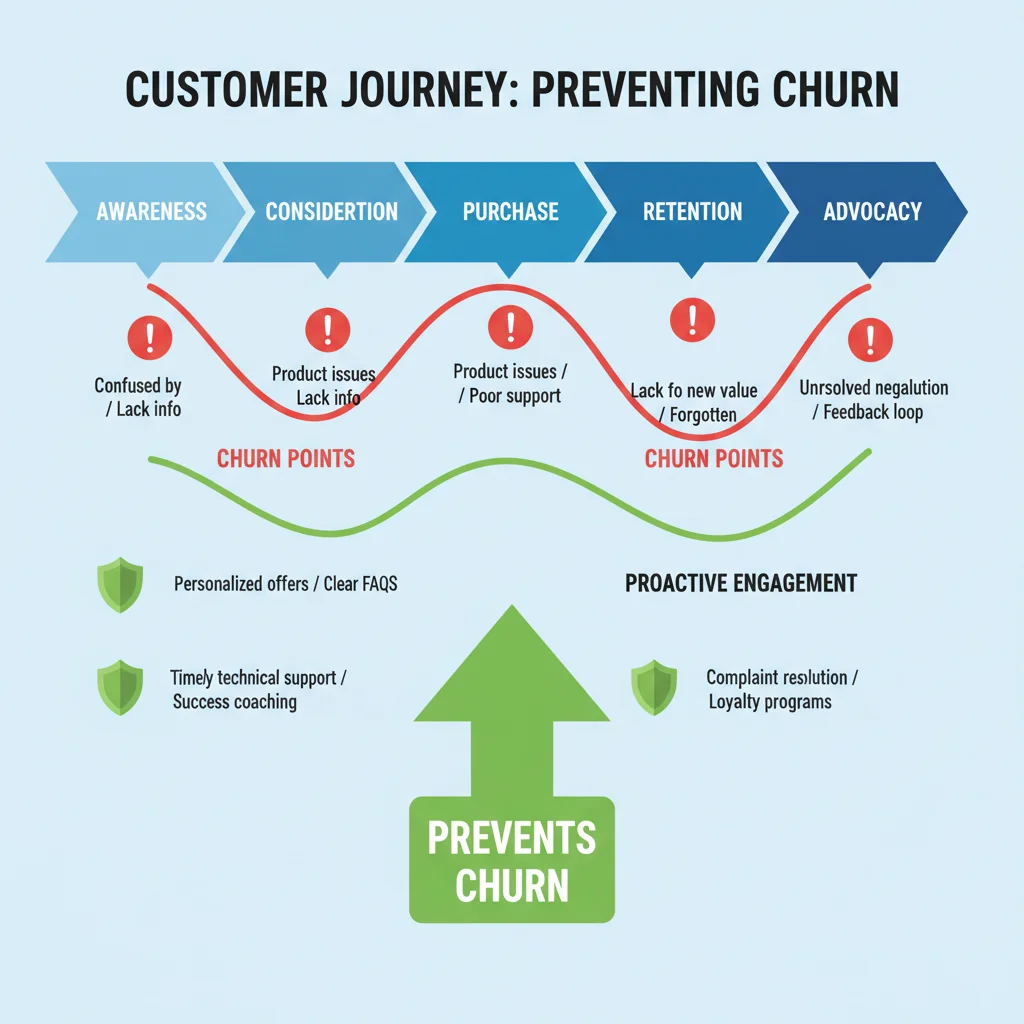
A frictionless customer journey is essential. Any point of friction, from website navigation to checkout, can lead to frustration and churn. Map out your entire customer journey, from initial discovery to post-purchase support, and identify pain points.
- Intuitive Website Navigation: Ensure products are easy to find and categories are logical.
- Simplified Checkout Process: Reduce the number of steps, offer guest checkout, and provide multiple payment options.
- Mobile Optimization: A significant portion of e-commerce traffic comes from mobile devices; ensure a seamless mobile experience.
- Clear Communication: Provide timely updates on order status, shipping, and delivery.
By removing obstacles, you enhance satisfaction and reduce the likelihood of customers abandoning their journey with your brand.
6. Exceptional Customer Support
Customer service is often the last line of defense against churn. A positive support experience can turn a frustrated customer into a loyal one. Focus on:
- Omnichannel Support: Offer support through various channels (live chat, email, phone, social media) and ensure consistent service across all.
- Fast Response Times: Customers expect quick resolutions. Implement chatbots for instant answers to common queries and prioritize urgent issues.
- Empathetic and Knowledgeable Agents: Train your team to not only solve problems but also to show empathy and understand customer needs.
- Self-Service Options: Provide comprehensive FAQs, knowledge bases, and tutorials to empower customers to find solutions independently.
A robust support system is a cornerstone of effective e-commerce churn reduction.
Phase 3: Building Loyalty and Sustained Engagement
Beyond initial satisfaction, long-term retention hinges on building lasting relationships and continuously engaging your customers.
7. Implement or Optimize Loyalty Programs
Loyalty programs incentivize repeat purchases and foster a sense of belonging. They are powerful tools for e-commerce churn reduction. Effective loyalty programs often include:
- Tiered Rewards: Offer increasing benefits as customers spend more, encouraging progression.
- Exclusive Access: Provide early access to sales, new products, or exclusive content.
- Points Systems: Allow customers to earn points for purchases, reviews, or referrals, redeemable for discounts or free products.
- Personalized Perks: Tailor rewards based on individual preferences and purchase history.
Ensure your loyalty program is easy to understand, provides clear value, and is well-promoted across all channels.
8. Proactive Engagement and Re-engagement Campaigns
Don’t wait for customers to churn before taking action. Proactive engagement can prevent desertion, while targeted re-engagement can win back those who have already started to disengage.
- Onboarding Sequences: For new customers, send a series of welcome emails that guide them through product usage, highlight key benefits, and offer initial support.
- Post-Purchase Follow-ups: Check in after a purchase to ensure satisfaction, offer related products, or solicit reviews.
- Win-Back Campaigns: For dormant customers identified by your predictive models, send personalized offers, surveys asking for feedback, or highlight new products they might like.
- Community Building: Create online communities (e.g., social media groups, forums) where customers can connect, share experiences, and receive support, fostering a sense of belonging.
These campaigns should be highly segmented and personalized for maximum impact on e-commerce churn reduction.
9. Gather and Act on Customer Feedback
Listening to your customers is non-negotiable. Feedback provides invaluable insights into what’s working, what’s not, and what improvements are needed. Implement various feedback mechanisms:
- Surveys: Use Net Promoter Score (NPS), Customer Satisfaction (CSAT), and Customer Effort Score (CES) surveys at key touchpoints (post-purchase, after support interaction, periodically).
- Reviews and Ratings: Encourage product reviews and website ratings. Respond to all feedback, positive or negative.
- Social Media Monitoring: Track mentions of your brand to understand public sentiment and address issues promptly.
- User Testing: Conduct usability tests on your website and app to identify friction points.
Crucially, don’t just collect feedback; act on it. Communicate changes made based on customer suggestions to show that their voice is valued. This transparency builds trust and loyalty.

Phase 4: Continuous Optimization and Measurement
Achieving an 8% e-commerce churn reduction by 2026 is an ongoing process, not a one-time project. It requires continuous monitoring, testing, and adaptation.
10. A/B Testing and Experimentation
Regularly test different approaches to your retention strategies. A/B test email subject lines, personalized offer variations, website content, and even customer service scripts. Analyze the results to identify what resonates best with your audience and drives the desired behavior. Continuous experimentation ensures your strategies remain effective and optimized.
11. Monitor Key Performance Indicators (KPIs)
Beyond the churn rate itself, track a suite of KPIs to gauge the effectiveness of your e-commerce churn reduction efforts:
- Customer Lifetime Value (CLTV): Measures the total revenue a customer is expected to generate over their relationship with your business.
- Repeat Purchase Rate: The percentage of customers who make more than one purchase.
- Average Order Value (AOV): Indicates how much customers spend per transaction.
- Customer Acquisition Cost (CAC): Compare this to CLTV to ensure profitability.
- Net Promoter Score (NPS): Measures customer loyalty and willingness to recommend.
- Customer Satisfaction (CSAT): Gauges satisfaction with specific interactions or products.
- Engagement Metrics: Email open rates, click-through rates, time spent on site.
Regularly review these metrics to identify trends, pinpoint areas for improvement, and demonstrate the ROI of your retention initiatives.
12. Foster a Customer-Centric Culture
Ultimately, successful e-commerce churn reduction is a company-wide effort. Every department, from marketing and sales to product development and customer service, must be aligned around a customer-centric philosophy. This means:
- Training and Empowerment: Equip all employees with the knowledge and tools to deliver excellent customer experiences.
- Shared Goals: Integrate churn reduction and customer satisfaction metrics into departmental and individual goals.
- Leadership Buy-in: Ensure senior leadership champions customer retention as a core business priority.
- Internal Communication: Regularly share customer feedback and success stories across the organization.
When customer satisfaction becomes ingrained in the company culture, it naturally leads to better experiences and higher retention rates.
Challenges and Considerations for US E-commerce
While the strategies outlined are universally applicable, US e-commerce businesses face specific challenges and considerations:
- Intense Competition: The US market is highly saturated, with countless e-commerce players. Differentiation through exceptional service is key.
- Shipping and Logistics: High customer expectations for fast, free shipping can impact profitability and satisfaction if not managed well. Transparent communication about shipping is crucial.
- Data Privacy Regulations: Navigating evolving data privacy laws (e.g., CCPA) while still leveraging customer data for personalization requires careful consideration and compliance.
- Economic Fluctuations: Economic downturns can impact consumer spending, making retention even more vital as customer acquisition becomes harder. Offering flexible payment options or value-driven loyalty programs can help.
- Returns Management: A smooth and customer-friendly returns process is essential. Hassle-free returns can prevent churn even when a product isn’t a perfect fit.
Addressing these challenges proactively will significantly bolster your e-commerce churn reduction efforts.
Conclusion: A Path to Sustainable Growth
Achieving an 8% e-commerce churn reduction by 2026 is an ambitious but entirely attainable goal for US e-commerce businesses willing to invest in a comprehensive, data-driven, and customer-centric strategy. It requires moving beyond reactive measures to proactive engagement, leveraging technology for personalization and prediction, and fostering a company culture that prioritizes customer loyalty.
By focusing on identifying churn indicators, segmenting your audience, enhancing customer experience through personalization and exceptional support, building robust loyalty programs, and continuously optimizing your strategies, your business can cultivate a deeply engaged and loyal customer base. This not only secures your revenue streams but also transforms your customers into powerful advocates, driving sustainable growth and ensuring your competitive edge in the dynamic US e-commerce landscape for years to come. The time to act is now; start implementing these actionable steps to secure your future success.