Feedback to Loyalty: Boosting US Customer CX by 5% in 2026
From Feedback to Loyalty: Converting 5% More US Customers with a Robust CX Loop in 2026
In the fiercely competitive US market, where choices abound and customer expectations are constantly escalating, the traditional methods of acquiring and retaining customers are no longer sufficient. Businesses are increasingly recognizing that the battle for market share is won not just through product innovation or aggressive marketing, but through the consistent delivery of exceptional customer experiences. The goal is clear: to convert 5% more US customers into loyal advocates by 2026. This ambitious target is achievable, but it demands a strategic and unwavering focus on building a robust customer experience loyalty loop.
Understanding the intricacies of customer experience loyalty is paramount. It’s not merely about satisfying customers; it’s about delighting them, understanding their evolving needs, and proactively addressing their pain points to foster deep, enduring relationships. This article will delve into the critical components of such a loop, offering actionable insights and strategies for businesses aiming to solidify their position in the US market by cultivating unparalleled customer loyalty.
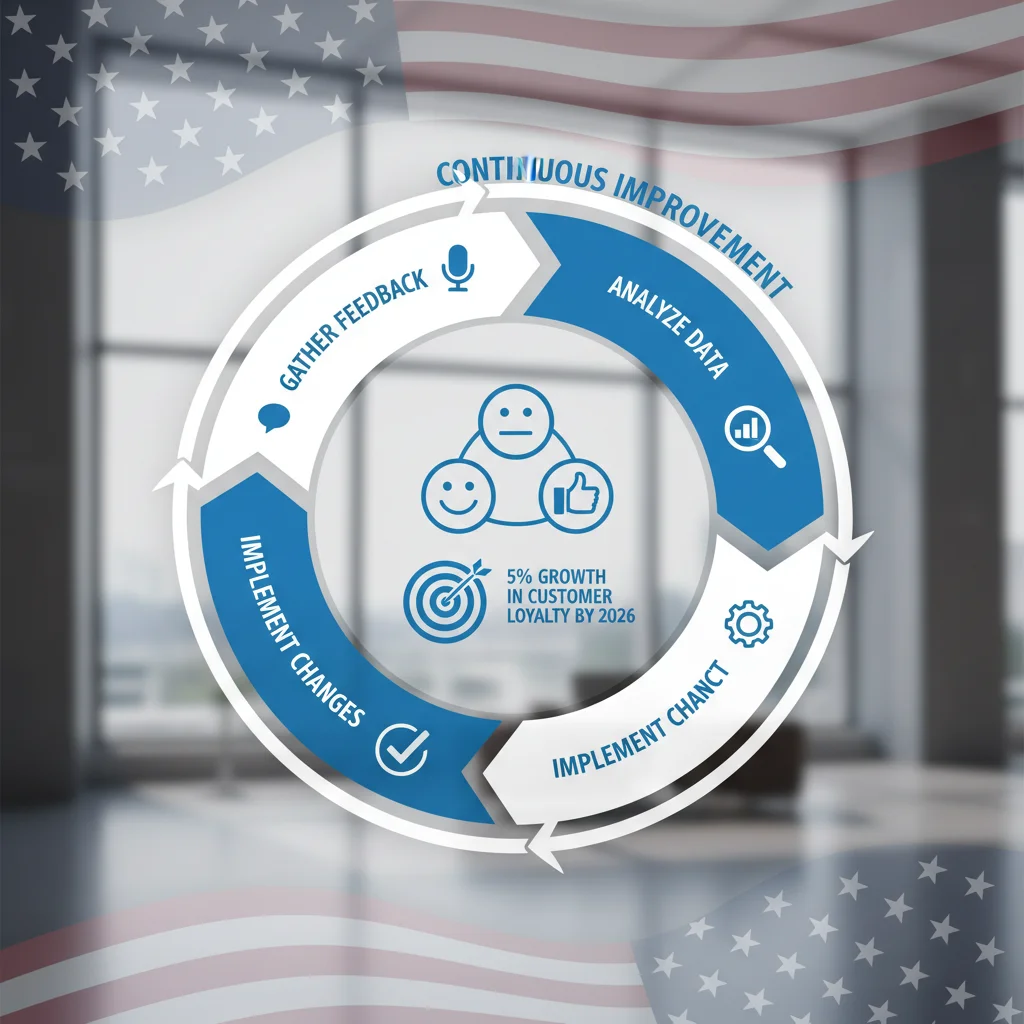
The journey from a first-time buyer to a loyal advocate is paved with numerous touchpoints, each an opportunity to either strengthen or weaken the customer relationship. A robust CX loop ensures that every interaction is optimized, every piece of feedback is heard, and every improvement is implemented with the customer at its heart. This isn’t a one-time project; it’s a continuous, iterative process that requires commitment, data-driven decisions, and a customer-centric culture.
The Imperative of a Robust CX Loop in the US Market
The US consumer landscape is dynamic and demanding. Customers are empowered with information, quick to share their experiences (both good and bad) across social media and review platforms, and increasingly willing to switch brands if their expectations aren’t met. In this environment, a strong customer experience loyalty strategy is not a luxury, but a fundamental necessity for survival and growth.
Consider the statistics: studies consistently show that acquiring a new customer can cost significantly more than retaining an existing one. Furthermore, loyal customers are more likely to make repeat purchases, spend more, and act as brand ambassadors, referring new business through word-of-mouth. For US businesses aiming for that crucial 5% increase in customer loyalty by 2026, investing in a robust CX loop is a non-negotiable step.
Why 5% More Loyalty? The Business Impact
A 5% increase in customer loyalty might seem modest, but its impact on a business’s bottom line can be transformational. This seemingly small percentage can translate into substantial revenue growth, reduced marketing costs, and enhanced brand reputation. Loyal customers are less price-sensitive, more forgiving of occasional missteps, and more likely to try new products or services offered by a trusted brand. They become a stable, predictable revenue stream, providing a strong foundation for sustainable growth.
Moreover, in the age of digital transparency, positive customer experiences are powerful marketing tools. Authentic testimonials and enthusiastic referrals from loyal customers carry far more weight than any advertising campaign. This organic growth mechanism is invaluable, particularly in a market as saturated and competitive as the United States.
Deconstructing the Robust CX Loop: Key Pillars for Success
Building a robust CX loop to foster customer experience loyalty involves several interconnected pillars. Each pillar plays a crucial role in ensuring that customer feedback is not just collected but actively used to drive continuous improvement and strengthen relationships.
1. Proactive Feedback Collection: Listening at Every Touchpoint
The foundation of any effective CX loop is a comprehensive and continuous feedback collection mechanism. This goes beyond annual surveys; it involves actively soliciting feedback at every significant customer touchpoint. This includes:
- Post-Purchase Surveys: Immediately after a transaction, a short survey can capture initial impressions and identify any immediate issues.
- In-App/Website Feedback: Integrating feedback options directly into digital platforms allows customers to report issues or suggest improvements in real-time.
- Customer Service Interactions: Training customer service representatives to document feedback and using post-interaction surveys (e.g., NPS, CSAT) are crucial.
- Social Media Monitoring: Actively listening to conversations about your brand on social media provides unfiltered insights into customer sentiment.
- Online Reviews: Monitoring and responding to reviews on platforms like Google, Yelp, and industry-specific sites offers valuable public feedback.
The key here is not just to collect data, but to collect the RIGHT data. This means asking relevant, open-ended questions that uncover both pain points and moments of delight. Utilizing various channels ensures a holistic view of the customer journey.
2. Data Analysis and Insight Generation: Turning Raw Data into Actionable Intelligence
Collecting feedback is only the first step. The real value lies in analyzing this data to identify trends, patterns, and root causes of customer dissatisfaction or delight. This requires robust analytics tools and a skilled team capable of interpreting complex datasets.
- Sentiment Analysis: Using AI-powered tools to gauge the emotional tone of customer feedback can quickly highlight areas needing attention.
- Root Cause Analysis: When an issue is identified, it’s crucial to delve deeper to understand why it occurred. Is it a product flaw, a process inefficiency, or a communication breakdown?
- Journey Mapping: Visualizing the customer journey and overlaying feedback data onto each touchpoint can reveal critical pain points and opportunities for improvement.
- Segmentation: Analyzing feedback by customer segments (e.g., new vs. loyal customers, high-value vs. low-value) can reveal segment-specific insights and allow for tailored interventions.
The goal is to move beyond simply knowing what happened to understanding why it happened, enabling businesses to make informed decisions that genuinely enhance customer experience loyalty.
3. Actionable Insights and Strategic Implementation: Closing the Loop
This is where the ‘loop’ truly closes. Once insights are generated, they must be translated into concrete actions. This requires a structured approach to problem-solving and improvement.
- Cross-Functional Collaboration: CX is not just the responsibility of one department. Marketing, sales, product development, and customer service must collaborate to address feedback effectively.
- Prioritization: Not all feedback can be acted upon immediately. Businesses must prioritize issues based on their impact on customer satisfaction and business goals.
- Pilot Programs and Testing: Before rolling out major changes, consider pilot programs to test the effectiveness of new solutions and gather additional feedback.
- Clear Ownership and Accountability: Assigning clear ownership for implementing changes ensures that initiatives are driven forward and outcomes are measured.
Without this critical step, feedback collection becomes a hollow exercise, leading to customer frustration and a breakdown of trust. Customers need to see that their input is valued and leads to tangible improvements.
4. Communication and Transparency: Showing Customers They Matter
Once improvements are implemented, it’s vital to communicate these changes back to the customers who provided the feedback. This act of transparency reinforces their value and strengthens their sense of customer experience loyalty.
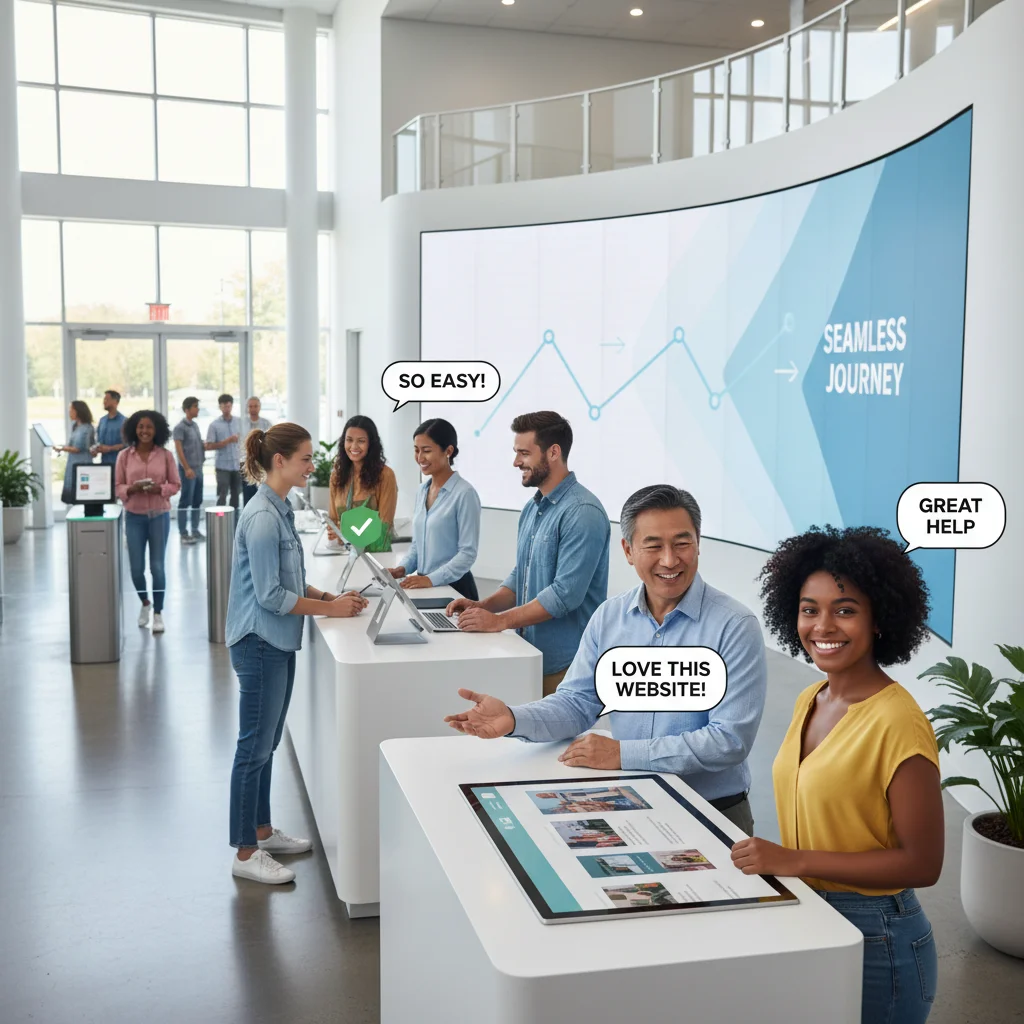
- Personalized Follow-Up: For specific feedback, a direct, personalized follow-up can be incredibly powerful.
- Public Announcements: For broader issues, communicate changes through newsletters, blog posts, social media, and in-app notifications.
- Showcasing Customer Stories: Highlight how customer feedback led to positive changes, demonstrating a commitment to continuous improvement.
This communication fosters trust and shows customers that their voice truly makes a difference, encouraging them to continue providing valuable input.
5. Continuous Monitoring and Iteration: The Perpetual Cycle of Improvement
The CX loop is not a linear process with a defined end; it’s a continuous cycle. Once changes are implemented and communicated, the process of monitoring their impact and collecting new feedback begins anew. This iterative approach ensures that businesses remain agile and responsive to evolving customer needs and market dynamics.
- Key Performance Indicators (KPIs): Continuously track relevant CX KPIs such as NPS, CSAT, Customer Effort Score (CES), churn rate, and repeat purchase rate to measure the effectiveness of your efforts.
- A/B Testing: Experiment with different approaches to customer interactions and measure which ones yield the best results.
- Regular Reviews: Schedule regular reviews of your CX strategy and feedback mechanisms to ensure they remain relevant and effective.
This commitment to continuous improvement is what ultimately differentiates leading brands and drives sustainable customer experience loyalty.
Strategies to Convert 5% More US Customers by 2026
Beyond the fundamental pillars of the CX loop, specific strategies can help businesses aggressively pursue the goal of converting 5% more US customers into loyal advocates by 2026.
Personalization at Scale
US consumers expect personalized experiences. Leveraging data to understand individual preferences, past behaviors, and communication styles allows businesses to tailor interactions, product recommendations, and offers. This goes beyond simply addressing a customer by name; it involves anticipating their needs and delivering relevant value at every turn. AI and machine learning are becoming indispensable tools for achieving personalization at scale.
Proactive Problem Resolution
Don’t wait for customers to complain. Utilize predictive analytics to identify potential issues before they escalate. For example, if a customer’s usage patterns suggest they might be encountering a problem, proactively reach out with support or solutions. This foresight significantly enhances customer experience loyalty and prevents churn.
Empowering Frontline Employees
Frontline employees are the face of your brand. Empower them with the training, tools, and authority to resolve customer issues quickly and effectively. When employees feel trusted and capable, they deliver better service, leading to more satisfied and loyal customers. Invest in ongoing training and development for your customer-facing teams.
Building Community and Belonging
Create opportunities for customers to connect with your brand and with each other. Online forums, social media groups, and exclusive events can foster a sense of community and belonging. When customers feel part of something larger, their loyalty deepens. This is particularly effective in the US market, where shared values and community engagement are highly prized.
Seamless Omnichannel Experience
US customers interact with brands across multiple channels – website, mobile app, social media, physical stores, call centers. A truly robust CX loop ensures a seamless, consistent experience across all these touchpoints. Customers should be able to switch between channels without losing context or having to repeat information. This reduces friction and enhances satisfaction, strengthening customer experience loyalty.
Rewarding Loyalty Programs
While an excellent CX should be its own reward, well-designed loyalty programs can further incentivize repeat business and advocacy. These programs should offer tangible value, be easy to understand, and provide exclusive benefits that make customers feel appreciated. Personalize rewards based on customer preferences and engagement levels.
Ethical Data Usage and Privacy
In the US, consumer concerns about data privacy are growing. Businesses must be transparent about how they collect and use customer data, ensuring compliance with regulations and respecting customer preferences. Building trust through ethical data practices is fundamental to long-term customer experience loyalty.
Measuring Success: KPIs for Your CX Loop
To ensure you’re on track to convert 5% more US customers into loyal advocates by 2026, it’s crucial to regularly monitor key performance indicators (KPIs).
- Net Promoter Score (NPS): Measures customer loyalty and willingness to recommend.
- Customer Satisfaction (CSAT): Assesses satisfaction with specific interactions or products.
- Customer Effort Score (CES): Gauges how easy it was for customers to resolve an issue or complete a task.
- Churn Rate: The percentage of customers who stop doing business with you over a given period. Reducing this is key to increasing loyalty.
- Repeat Purchase Rate: The percentage of customers who make more than one purchase.
- Customer Lifetime Value (CLTV): The total revenue a business can reasonably expect from a single customer account. A higher CLTV indicates stronger loyalty.
- Referral Rate: The percentage of new customers acquired through referrals from existing customers.
Regularly analyzing these metrics provides a clear picture of your CX loop’s effectiveness and guides further optimization efforts. Setting clear targets for each KPI, aligned with the 5% loyalty goal, will ensure focus and accountability.
Overcoming Challenges in Building a Robust CX Loop
Implementing a robust CX loop is not without its challenges. Businesses often face hurdles such as:
- Siloed Data: Customer data often resides in different departments, making a unified view difficult. Breaking down these silos through integrated CRM systems and data platforms is crucial.
- Lack of Executive Buy-in: CX initiatives require significant investment and organizational change. Securing strong executive sponsorship is vital for success.
- Resistance to Change: Employees may be resistant to new processes or technologies. Effective change management, training, and communication are essential.
- Measuring ROI: Demonstrating the return on investment (ROI) for CX initiatives can be challenging. Clearly linking CX improvements to business outcomes (e.g., revenue growth, reduced churn) is important.
- Evolving Customer Expectations: Customer expectations are a moving target. Businesses must remain agile and continuously adapt their CX strategies to stay ahead.
Addressing these challenges proactively will pave the way for a more effective and sustainable customer experience loyalty program.
The Future of Customer Experience Loyalty in the US by 2026
Looking ahead to 2026, the landscape of customer experience loyalty in the US will be shaped by several emerging trends. AI and machine learning will become even more sophisticated, enabling hyper-personalization and predictive service. Virtual and augmented reality might play a greater role in immersive brand experiences. The demand for ethical and sustainable business practices will continue to grow, influencing customer loyalty. Brands that authentically embody these values will gain a significant competitive advantage.
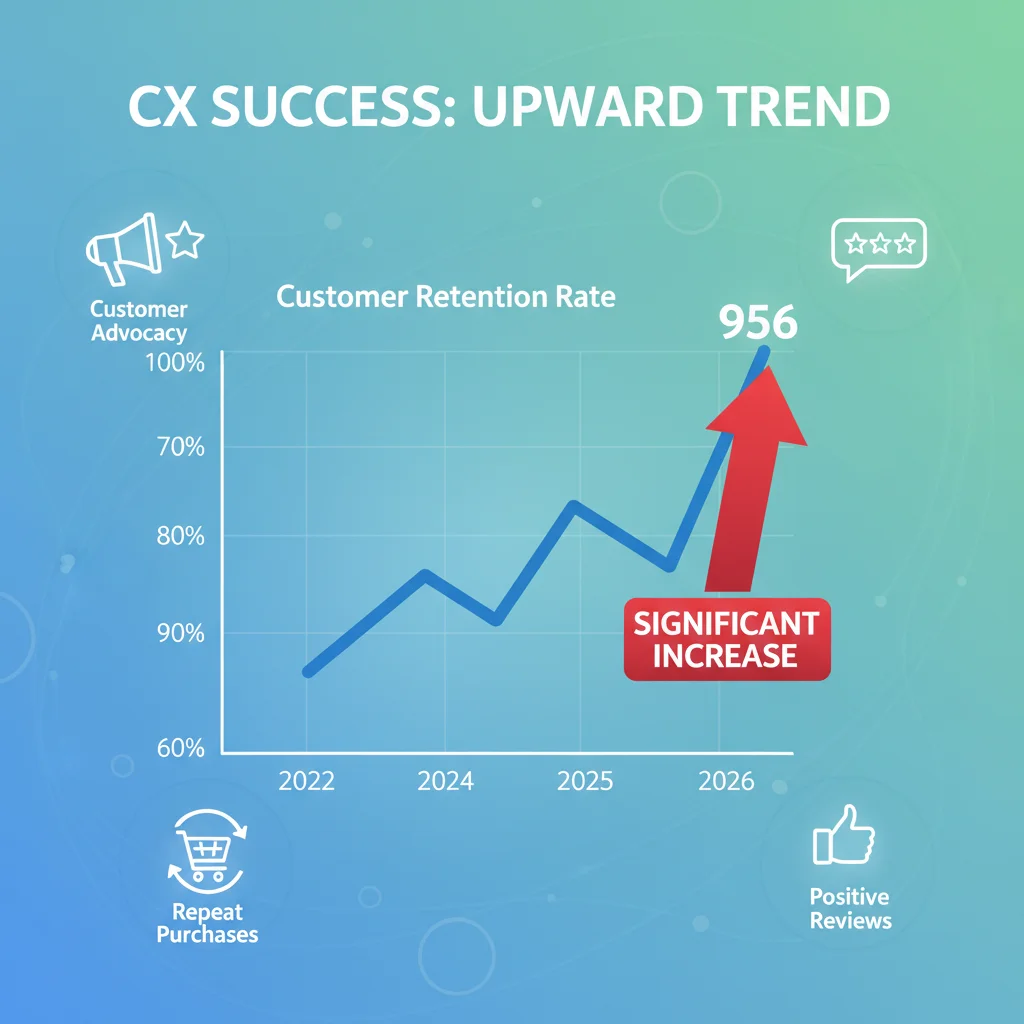
The businesses that embrace these changes, continuously refine their CX loops, and prioritize genuine customer relationships will be the ones that not only meet but exceed the goal of converting 5% more US customers into loyal advocates. The focus will shift even further from transactional interactions to building long-term, emotional connections with customers.
Conclusion
Converting 5% more US customers into loyal advocates by 2026 is an ambitious yet entirely achievable goal for businesses committed to excellence in customer experience. It requires a strategic, data-driven approach centered around a robust customer experience loyalty loop. By proactively collecting feedback, generating actionable insights, implementing strategic improvements, communicating transparently, and continuously monitoring performance, businesses can cultivate deep, enduring relationships with their customers.
In a market as competitive and discerning as the United States, a superior customer experience is no longer a differentiator; it is a fundamental expectation. Those who master the art and science of the CX loop will not only retain their existing customer base but will also attract new advocates, driving sustainable growth and securing a prosperous future. The time to invest in your customer experience loyalty strategy is now, ensuring that your business is well-positioned to thrive in 2026 and beyond.