Future of CX in US Digital Retail: 5 Trends Shaping 2026 and Beyond
The Future of CX in US Digital Retail: 5 Trends Shaping 2026 and Beyond
The United States digital retail landscape is a dynamic and ever-evolving ecosystem, constantly pushing the boundaries of what’s possible in customer engagement. As we look towards 2026 and beyond, the concept of Customer Experience (CX) is no longer just a buzzword; it’s the bedrock upon which successful retail strategies are built. In a market characterized by fierce competition and increasingly discerning consumers, understanding and anticipating the shifts in CX is paramount for any business aiming to thrive. This comprehensive exploration delves into five pivotal trends that will redefine the Future US Retail CX, offering insights into how businesses can adapt, innovate, and ultimately captivate their audience.
The digital transformation accelerated by recent global events has fundamentally reshaped consumer expectations. Shoppers today demand more than just products; they seek seamless, personalized, and ethically sound experiences that resonate with their values. This paradigm shift necessitates a proactive approach from retailers, moving beyond transactional interactions to foster genuine, long-lasting relationships. From the sophisticated algorithms driving hyper-personalization to the ethical considerations influencing purchasing decisions, each trend represents a significant opportunity – and a challenge – for those operating in the US digital retail space.
Navigating this complex terrain requires a deep understanding of technological advancements, consumer psychology, and market dynamics. By focusing on these emerging trends, retailers can not only meet but exceed customer expectations, building a resilient and future-proof business model. Let’s embark on a detailed journey to uncover the forces that will shape the Future US Retail CX, ensuring businesses are well-equipped to lead in this exciting new era.
1. Hyper-Personalization: The New Standard for Engagement
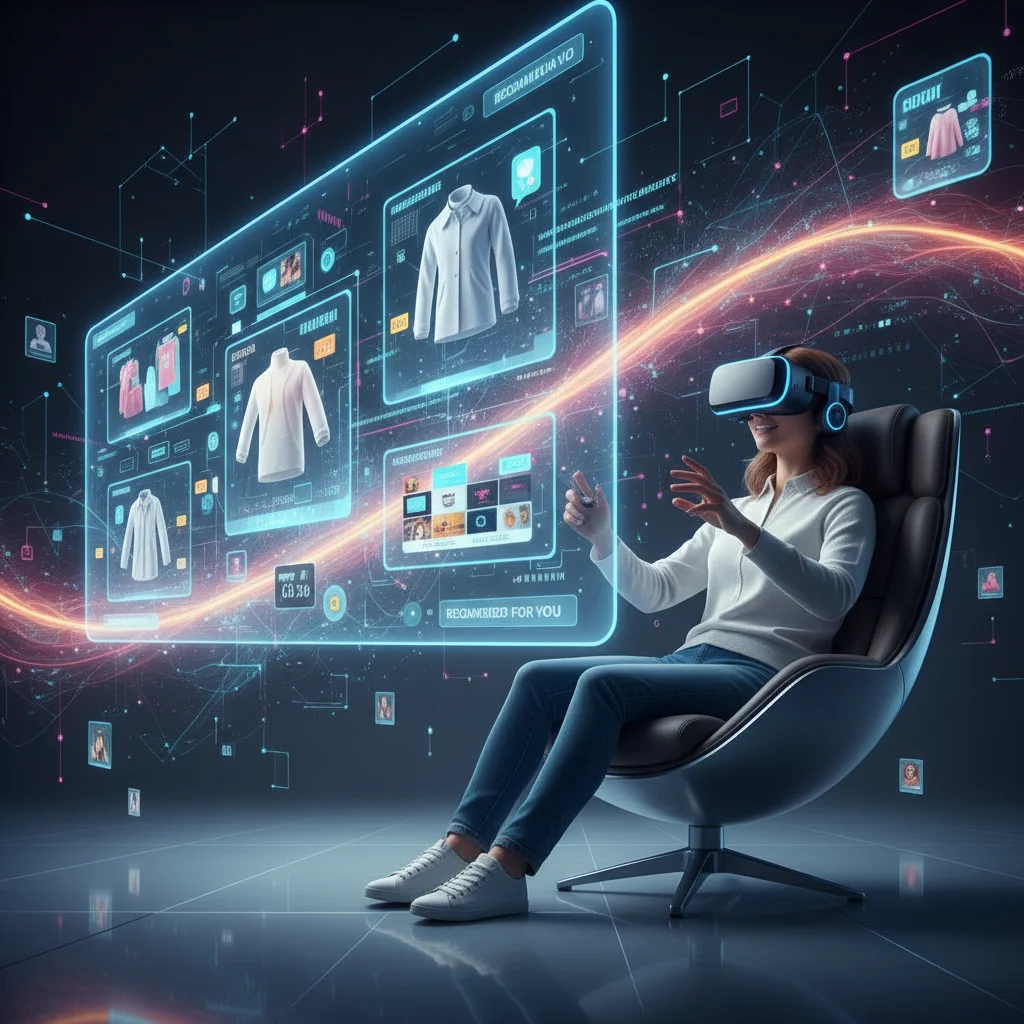
In the crowded digital marketplace, generic experiences are quickly becoming obsolete. The Future US Retail CX will be defined by an unprecedented level of hyper-personalization, moving beyond simple name recognition to anticipate and fulfill individual customer needs with remarkable precision. This isn’t just about recommending products based on past purchases; it’s about creating a truly bespoke journey for every single shopper, from the moment they land on a website to post-purchase support.
Hyper-personalization leverages vast amounts of data – browsing history, purchase patterns, demographic information, social media activity, and even real-time behavior – to craft highly relevant interactions. Imagine a scenario where a customer searching for running shoes is not only shown shoes in their size and preferred brand but also receives recommendations for apparel that matches their previous purchases, training plans tailored to their fitness goals, and even local running events. This level of detail transforms a simple transaction into a deeply engaging and valuable experience.
The Role of Data and AI
Achieving hyper-personalization at scale is impossible without sophisticated data analytics and Artificial Intelligence (AI). AI algorithms can process and interpret complex datasets far more efficiently than humans, identifying subtle patterns and predicting future behaviors. Machine learning models continuously refine their understanding of individual preferences, ensuring that recommendations and interactions become increasingly accurate over time. This continuous learning loop is crucial for maintaining relevance and preventing personalization efforts from feeling intrusive or repetitive.
For US digital retailers, investing in robust CRM systems, data lakes, and AI-driven personalization platforms will be essential. These tools enable the collection, organization, and activation of customer data, providing the foundation for truly individualized experiences. Furthermore, the ethical handling of this data will be paramount, building trust and ensuring compliance with evolving privacy regulations.
Beyond Product Recommendations
Hyper-personalization extends far beyond mere product suggestions. It encompasses personalized content, customized website layouts, tailored pricing and promotions, and even individualised customer service interactions. For instance, a returning customer might see a different homepage layout optimized for their shopping habits, or receive an email offering a discount on an item they abandoned in their cart, coupled with a personalized message addressing their specific interests. The goal is to make every interaction feel as if it were designed exclusively for them, fostering a sense of loyalty and appreciation.
The impact of hyper-personalization on the Future US Retail CX cannot be overstated. It leads to higher conversion rates, increased average order values, and significantly improved customer retention. As consumers become accustomed to these tailored experiences, retailers who fail to adopt hyper-personalization strategies will risk falling behind, seen as generic and out of touch.
2. AI and Automation: The Engine of Efficiency and Innovation
Artificial Intelligence (AI) and automation are not just supplementary tools; they are becoming the core engine driving efficiency, intelligence, and innovation in the Future US Retail CX. From powering intelligent chatbots to optimizing supply chains, AI’s applications are vast and transformative, enabling retailers to deliver superior experiences at scale while reducing operational costs.
One of the most visible applications of AI in CX is in customer service. AI-powered chatbots and virtual assistants are becoming increasingly sophisticated, capable of handling a wide range of inquiries, from basic FAQs and order tracking to complex troubleshooting and personalized recommendations. These intelligent agents provide instant support 24/7, reducing wait times and freeing up human agents to focus on more complex or sensitive customer issues. This blended approach – where AI handles routine tasks and human agents manage exceptions – ensures both efficiency and high-quality interactions.
Furthermore, AI can analyze customer interactions to identify sentiment, anticipate needs, and even suggest optimal responses to human agents, enhancing the overall quality and consistency of service. This predictive capability allows retailers to proactively address potential issues before they escalate, turning potential frustrations into positive experiences.
Optimizing Operations and Personalization
Beyond direct customer interaction, AI and automation are revolutionizing backend operations that indirectly impact CX. AI algorithms can optimize inventory management, predict demand fluctuations, and streamline logistics, ensuring products are available when and where customers want them. This efficiency directly translates into faster delivery times, fewer out-of-stock situations, and a more reliable shopping experience – all critical components of a positive CX.
Moreover, AI is integral to the hyper-personalization discussed earlier. It powers recommendation engines, dynamic pricing strategies, and tailored content delivery. By continually learning from customer behavior, AI ensures that personalization efforts remain relevant and effective, constantly adapting to changing preferences and market conditions. The ability of AI to process and synthesize vast amounts of data quickly allows for a level of responsiveness that was previously unimaginable, making the Future US Retail CX highly adaptive and intelligent.
Ethical AI and Trust
As AI becomes more pervasive, the ethical implications of its use in CX will come under greater scrutiny. Retailers must ensure their AI systems are transparent, fair, and unbiased. Explaining how AI is used and safeguarding customer data will be crucial for building and maintaining trust. The Future US Retail CX will demand a balance between leveraging AI’s power and upholding ethical responsibilities, ensuring that technology serves to enhance, rather than compromise, the human element of customer relationships.
3. Ethical and Sustainable CX: Values-Driven Consumption
The modern consumer, particularly in the US digital retail market, is increasingly values-driven. Beyond product quality and price, ethical considerations and sustainability practices are becoming significant factors influencing purchasing decisions. The Future US Retail CX will heavily emphasize transparency, social responsibility, and environmental stewardship, making these elements integral to brand identity and customer loyalty.
Transparency and Trust
Consumers want to know where their products come from, how they are made, and the impact their purchases have on the world. Retailers who can provide clear, verifiable information about their supply chains, labor practices, and environmental footprint will gain a significant competitive advantage. This transparency builds trust, a cornerstone of strong customer relationships. For instance, brands that clearly label products made with fair trade practices or using recycled materials will resonate more deeply with conscious consumers.
Ethical CX also extends to data privacy. With growing concerns about how personal data is collected and used, retailers must be transparent about their data practices, giving customers control over their information. A commitment to data security and ethical data usage will be non-negotiable for building trust in the digital age.
Sustainability as a Core Offering
Sustainability is no longer a niche concern; it’s a mainstream expectation. The Future US Retail CX will see consumers actively seeking out brands that demonstrate a genuine commitment to environmental protection. This includes everything from sustainable sourcing and production methods to eco-friendly packaging and efficient delivery options. Retailers who integrate sustainability into their core business model, rather than treating it as an afterthought, will attract and retain a growing segment of environmentally conscious shoppers.
Examples include offering carbon-neutral shipping, providing options for product recycling or upcycling, and clearly communicating the environmental benefits of certain products. Brands that empower customers to make more sustainable choices – for example, by offering subscription services for reusable products or promoting repair services – will foster deeper engagement and loyalty.
Social Responsibility and Brand Purpose
Beyond environmental concerns, social responsibility plays a crucial role. Consumers are increasingly drawn to brands that align with their social values, whether through charitable giving, fair labor practices, or supporting diverse communities. The Future US Retail CX will be shaped by a brand’s purpose and its active contribution to societal well-being. Retailers who authentically integrate social causes into their brand narrative and demonstrate measurable impact will build a powerful emotional connection with their customer base.
Communicating these ethical and sustainable practices effectively through digital channels is vital. Storytelling, visual content, and clear reporting can help convey a brand’s commitment and engage customers in a meaningful dialogue, transforming CX into a shared journey of positive impact.
4. Seamless Omnichannel Experiences: The Blurring Lines Between Digital and Physical
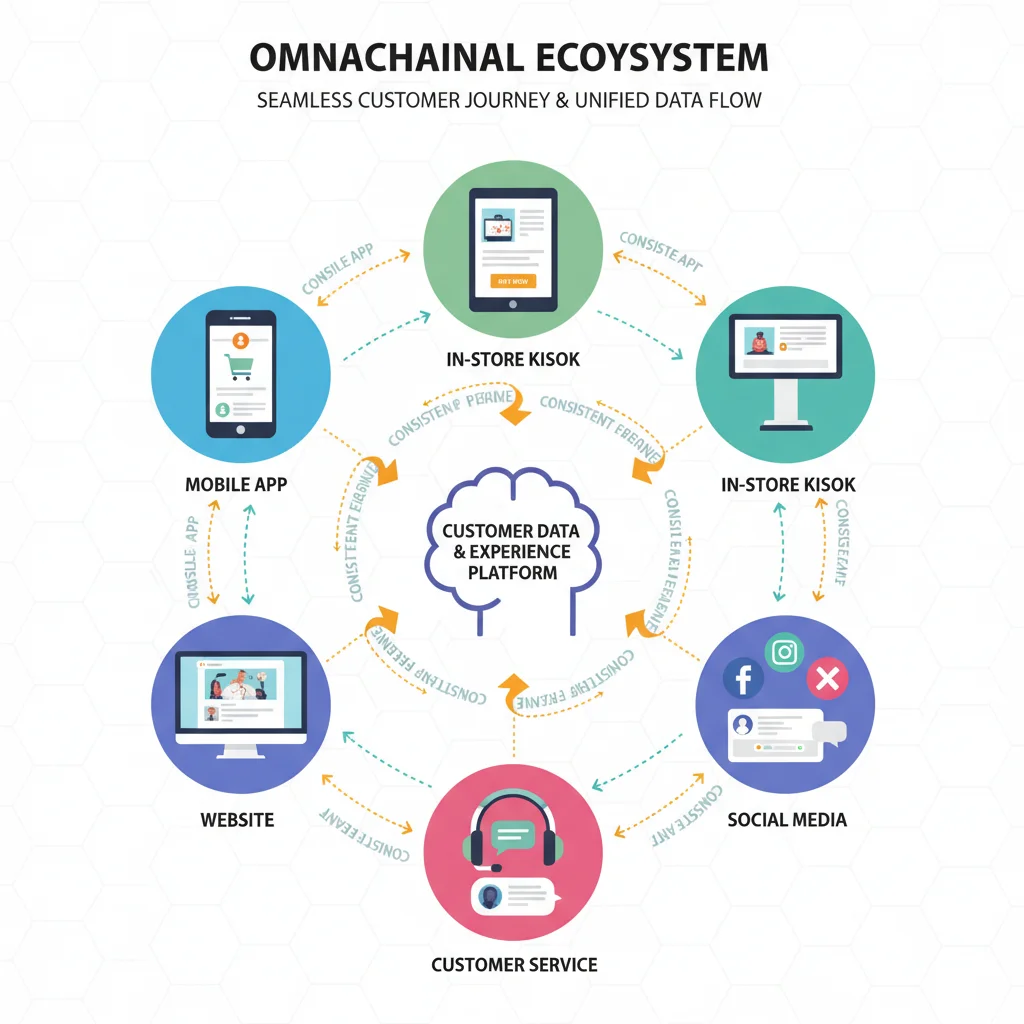
The distinction between online and offline shopping continues to blur, and the Future US Retail CX will be characterized by truly seamless omnichannel experiences. This means providing a consistent, integrated, and personalized journey for the customer, regardless of whether they are interacting with a brand through a website, mobile app, social media, email, or a physical store.
Unified Customer View
At the heart of a seamless omnichannel strategy is a unified customer view. Retailers must integrate data from all touchpoints to create a single, comprehensive profile for each customer. This allows for continuity in interactions: a customer who starts browsing for a product on their mobile app, adds it to their cart on a desktop, and then visits a physical store should experience a personalized interaction where store associates are aware of their online activity and preferences. This eliminates friction and frustration, making the shopping journey feel effortless and intuitive.
For US digital retail, this integration is crucial. It means that customer service representatives can access a complete history of interactions, whether they occurred online or offline, allowing them to provide more informed and efficient support. Marketing efforts can also be more targeted and relevant, as they are based on a holistic understanding of the customer’s journey and preferences across all channels.
Click-and-Collect and Beyond
Popular services like ‘buy online, pick up in-store’ (BOPIS) are just the beginning. The Future US Retail CX will see an expansion of such hybrid models. Imagine reserving an item online and trying it on in-store, with personalized recommendations from an associate based on your online browsing. Or, conversely, browsing products in a physical store, scanning QR codes for detailed information, and then having them delivered to your home.
Physical stores will evolve from mere transaction points into experiential hubs, offering services, product demonstrations, and personalized consultations that complement the digital experience. Digital tools like augmented reality (AR) apps can allow customers to virtually try on clothes or place furniture in their homes, bridging the gap between online visualization and real-world application, further enhancing the omnichannel flow.
Technology as the Connector
Achieving this seamless integration requires robust technological infrastructure. Cloud-based platforms, APIs, and real-time data synchronization are essential for connecting disparate systems and ensuring a consistent flow of information. Investing in these foundational technologies will be critical for retailers looking to provide the fluid, channel-agnostic experiences that customers will expect in 2026 and beyond. The goal is to make every interaction feel like a natural continuation of the previous one, regardless of the channel, solidifying the brand-customer relationship.
5. Experiential Commerce: Beyond the Transaction
The Future US Retail CX in the digital realm is moving beyond transactional interactions to embrace experiential commerce. This trend focuses on creating immersive, engaging, and memorable brand experiences that resonate deeply with customers, fostering emotional connections and loyalty far beyond the point of purchase. It’s about selling an experience, not just a product.
Immersive Technologies: AR, VR, and Metaverse
Immersive technologies like Augmented Reality (AR) and Virtual Reality (VR) will play a significant role in delivering these experiences. AR allows customers to visualize products in their own environment – trying on virtual clothes, seeing how furniture looks in their living room, or test-driving a car from their driveway. VR can transport customers to virtual showrooms, allowing them to explore products in a highly interactive and engaging 3D environment, offering a level of detail and immersion that traditional 2D images cannot match.
As the metaverse evolves, retailers will explore creating persistent virtual spaces where customers can interact with brands, attend virtual events, and even purchase digital and physical goods. These metaverse experiences will offer new avenues for brand building and customer engagement, turning shopping into a form of entertainment and social interaction. For US digital retail, early adoption and experimentation with these technologies will be key to staying ahead.
Community Building and Co-Creation
Experiential commerce also involves fostering a sense of community around a brand. This can be achieved through online forums, social media groups, and virtual events where customers can connect with each other and with the brand. Empowering customers to be part of the brand’s narrative, through user-generated content, product reviews, or even co-creation initiatives, builds a powerful sense of ownership and loyalty.
Imagine a brand hosting live online workshops where customers can learn how to use their products, or creating a platform where they can submit ideas for new product features. These interactive experiences transform customers from passive consumers into active participants, deepening their connection to the brand and its values.
Personalized Content and Storytelling
Storytelling is a potent tool for creating experiential CX. Retailers can use personalized content – videos, interactive guides, blogs, and social media campaigns – to share their brand’s story, highlight the craftsmanship behind their products, and showcase the impact of their sustainable and ethical practices. This narrative approach helps customers feel a personal connection to the brand, making their purchases feel more meaningful.
The shift towards experiential commerce signifies a move from transactional exchanges to relationship building. By focusing on creating memorable, engaging, and emotionally resonant experiences, US digital retailers can differentiate themselves, cultivate strong brand advocates, and secure a loyal customer base in the competitive landscape of the Future US Retail CX.
Conclusion: Navigating the Evolving Landscape of Future US Retail CX
The journey towards 2026 and beyond in US digital retail is paved with innovation, evolving consumer expectations, and a relentless pursuit of exceptional Customer Experience. The five trends discussed – hyper-personalization, AI and automation, ethical and sustainable CX, seamless omnichannel experiences, and experiential commerce – are not isolated phenomena but interconnected forces shaping a new paradigm of retail.
For retailers, the key to success lies in understanding these trends not as fleeting fads but as fundamental shifts in how consumers interact with brands. Embracing hyper-personalization, powered by intelligent AI and automation, will enable businesses to deliver relevant and efficient interactions. Integrating ethical practices and sustainability into the core of CX will resonate with a growing segment of values-driven consumers, building trust and fostering loyalty.
Furthermore, breaking down the silos between digital and physical channels to create truly seamless omnichannel journeys will be paramount, offering convenience and consistency at every touchpoint. Finally, moving beyond mere transactions to cultivate rich, immersive, and community-driven experiential commerce will forge deeper emotional connections, transforming casual shoppers into ardent brand advocates.
The Future US Retail CX is bright for those willing to adapt, innovate, and prioritize the customer at every turn. It demands a holistic approach, where technology, ethics, and human connection converge to create truly unforgettable shopping experiences. By proactively investing in these areas, US digital retailers can not only survive but thrive, setting new benchmarks for customer satisfaction and loyalty in the years to come.