Decoding Gen Z’s 2026 U.S. Online Shopping Behavior: 5 Trends Shaping Future E-commerce
In the dynamic landscape of modern retail, understanding the habits and preferences of Generation Z is paramount for any business aiming for sustained success. This demographic, born roughly between 1997 and 2012, represents the first true digital natives, having grown up in an always-online world. Their approach to consumption is fundamentally different from previous generations, heavily influenced by technology, social media, and a strong sense of personal values. As we look towards 2026, the influence of Gen Z online shopping in the U.S. is poised to reach new heights, dictating the evolution of e-commerce and forcing brands to adapt or risk obsolescence.
This comprehensive article delves into the five most impactful trends that will define Gen Z’s online shopping behavior in the coming years. From their interaction with social commerce to their demand for authenticity and sustainability, we’ll explore the nuances that drive their purchasing decisions. For retailers, marketers, and product developers, grasping these insights isn’t just about staying relevant; it’s about proactively shaping strategies to resonate with a generation that will soon command significant buying power.
The sheer scale of Gen Z’s economic influence cannot be overstated. By 2026, many will be well into their careers, increasing their disposable income and solidifying their position as a dominant consumer group. Their digital fluency means they navigate online spaces with unparalleled ease, making e-commerce their preferred arena for discovery, research, and purchase. However, their expectations are high. They demand seamless experiences, personalized interactions, and brands that align with their ethical compass. Ignoring these demands is not an option.
Let’s embark on a journey to decode the intricate world of Gen Z online shopping, preparing businesses for the e-commerce landscape of tomorrow.
1. The Rise of Social Commerce and Shoppable Content
For Gen Z, social media isn’t just for connecting with friends; it’s a primary shopping mall. This generation spends an exorbitant amount of time on platforms like TikTok, Instagram, and YouTube, where discovery and purchase are increasingly intertwined. By 2026, the lines between social interaction and commerce will be virtually indistinguishable, with social commerce becoming a dominant force in Gen Z online shopping.
Seamless Integration of Discovery and Purchase
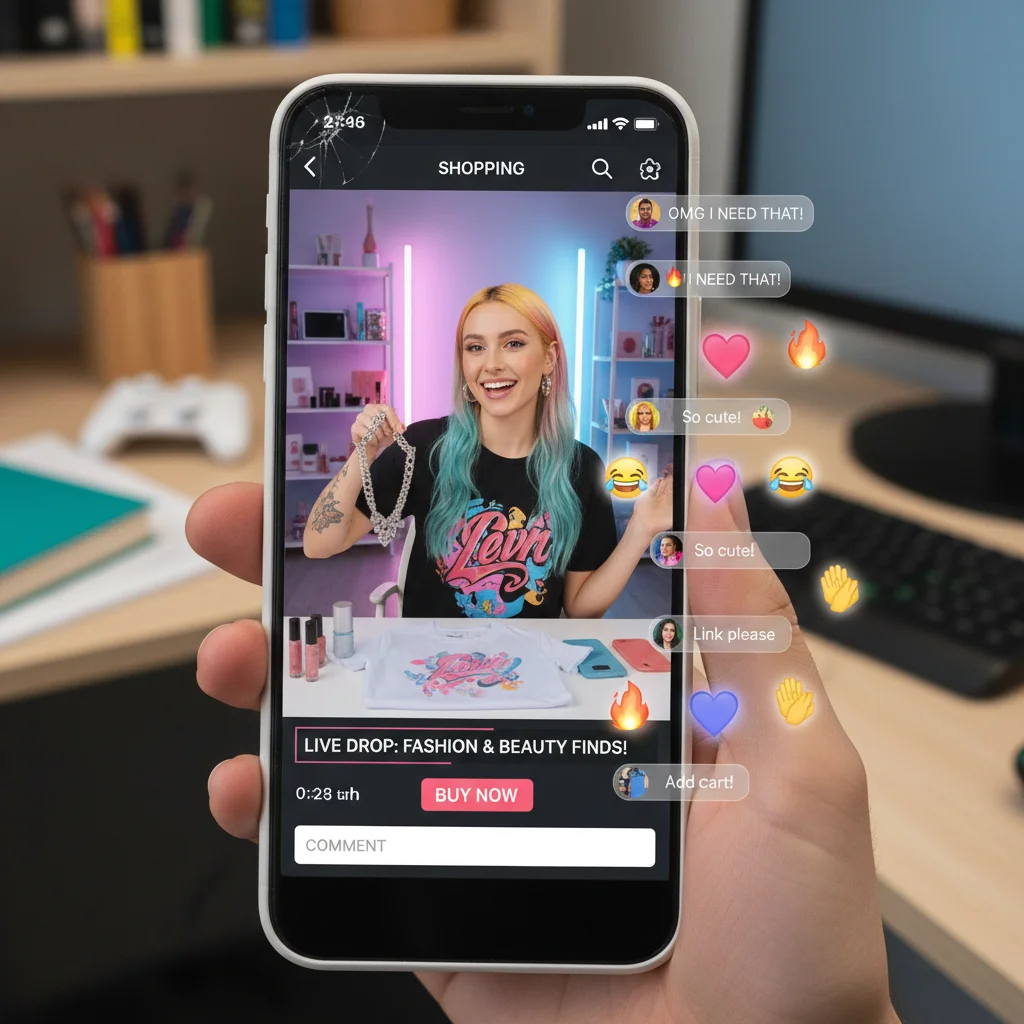
Gen Z expects to discover products organically within their social feeds and make a purchase without ever leaving the app. This means brands need to invest heavily in shoppable posts, in-app checkout features, and live shopping events. The journey from seeing a product to owning it must be frictionless. For instance, a Gen Zer scrolling through TikTok might see an influencer unboxing a new gadget, click a ‘Shop Now’ button embedded in the video, and complete the purchase within seconds, all without disrupting their social browsing experience.
Influencer Marketing 2.0: Authenticity Over Aspiration
While influencer marketing has been around for some time, Gen Z approaches it with a critical eye. They value authenticity and relatability over polished, aspirational content. Micro and nano-influencers, who often have more engaged and niche audiences, will become increasingly powerful. These influencers are seen as trusted peers rather than distant celebrities, and their recommendations carry significant weight. Brands looking to capture the Gen Z online shopping market must forge genuine partnerships with creators who truly align with their values and products, allowing for organic, unscripted content that resonates.
Live Shopping: Entertainment Meets E-commerce
Live shopping, a phenomenon that has taken off in Asia, is rapidly gaining traction in the U.S. and will be a cornerstone of Gen Z’s online experience by 2026. These interactive, real-time events combine entertainment, product demonstrations, and instant purchasing opportunities. Gen Z enjoys the dynamic nature of live streams, the ability to ask questions in real-time, and the sense of community. Brands can leverage live shopping to launch new products, offer exclusive deals, and build direct relationships with their audience, transforming shopping into an engaging and communal experience.
The key takeaway here is that social media is no longer just a marketing channel; it’s a direct sales platform for Gen Z. Brands must integrate commerce seamlessly into their social strategies, fostering authentic connections and providing engaging, shoppable content to thrive in this evolving landscape.
2. The Demand for Hyper-Personalization and Experiential E-commerce
Gen Z has grown up in an era of personalized algorithms and on-demand content. They expect the same level of tailored experience in their online shopping journeys. Generic advertisements and one-size-fits-all approaches simply won’t cut it. By 2026, hyper-personalization and experiential e-commerce will be non-negotiable for effectively engaging with Gen Z online shopping.
AI-Driven Recommendations and Tailored Experiences
Advanced AI and machine learning will power increasingly sophisticated recommendation engines, not just suggesting products based on past purchases, but anticipating future needs and preferences. This extends beyond product recommendations to personalized website layouts, customized content, and even unique pricing or promotional offers. Gen Z appreciates when brands ‘get’ them, and data-driven personalization is how this connection is forged. Imagine a Gen Zer logging onto a fashion site and seeing a homepage curated specifically for their style, recent searches, and even their current mood, complete with virtual try-on options for selected outfits.
Augmented Reality (AR) and Virtual Try-Ons
Experiential e-commerce, particularly through augmented reality (AR), is a game-changer for Gen Z. The ability to virtually ‘try on’ clothes, see how furniture looks in their room, or test makeup shades before buying eliminates much of the uncertainty associated with online shopping. AR enhances confidence in purchases, reduces returns, and provides an engaging, interactive experience that traditional static product images cannot. Brands that invest in robust AR capabilities will significantly differentiate themselves in the competitive Gen Z online shopping market.
Co-Creation and Customization
Gen Z values individuality and self-expression. They are not content with mass-produced items; they want products that reflect their unique identity. This drives a strong demand for customization and co-creation opportunities. Brands that allow Gen Zers to design their own sneakers, personalize their accessories, or even provide input on product development will foster deeper loyalty. This sense of ownership and personal touch transforms a transactional purchase into a meaningful experience, aligning perfectly with Gen Z’s desire for unique self-expression.
Ultimately, to succeed with Gen Z, brands must move beyond simply selling products and instead offer highly personalized, interactive, and engaging experiences that make the shopper feel seen and valued.
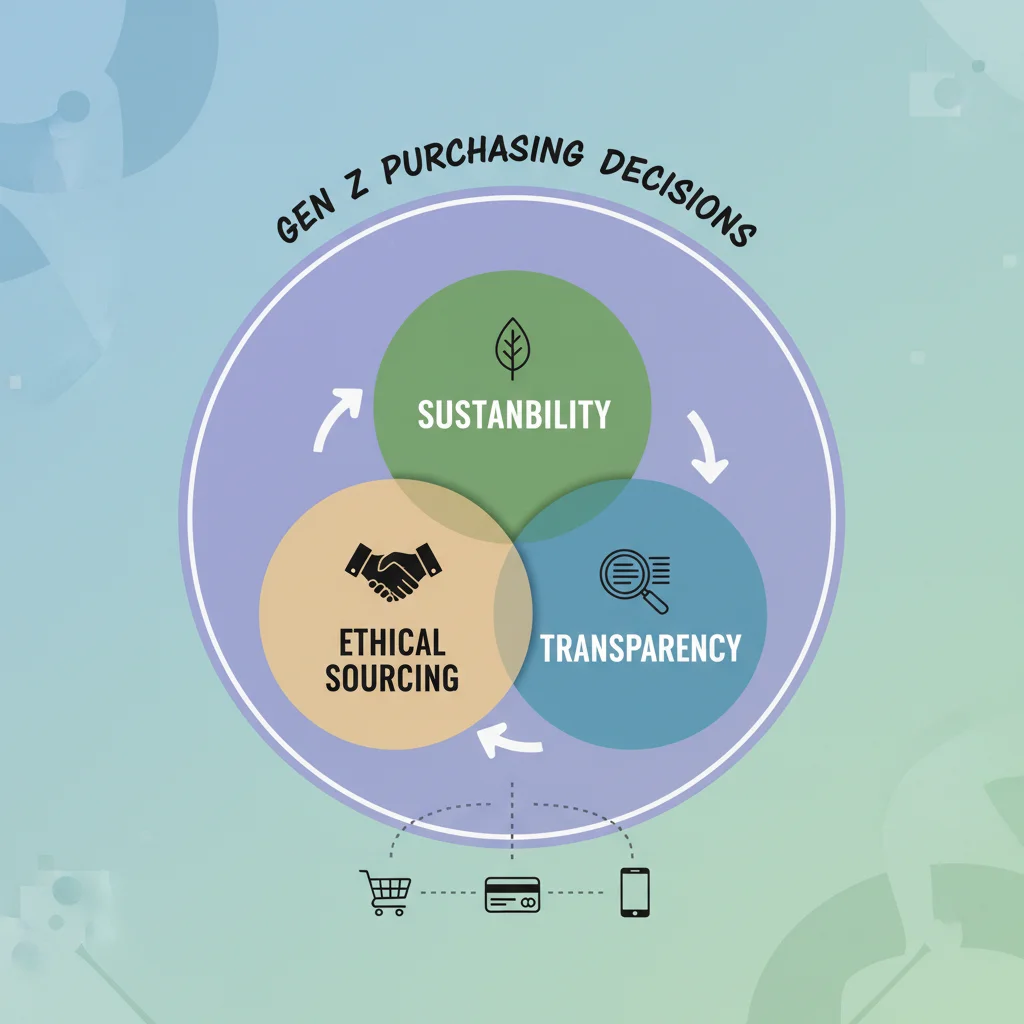
3. Values-Driven Consumption: Sustainability, Ethics, and Transparency
More than any previous generation, Gen Z’s purchasing decisions are deeply intertwined with their values. They are acutely aware of social and environmental issues and expect the brands they support to share their commitment to making a positive impact. By 2026, sustainability, ethical practices, and radical transparency will not just be buzzwords but fundamental expectations for any brand hoping to capture Gen Z online shopping dollars.
Sustainability as a Baseline Expectation
For Gen Z, sustainability is not a luxury; it’s a necessity. They are concerned about climate change, waste, and resource depletion, and they actively seek out brands that demonstrate a genuine commitment to environmental responsibility. This includes everything from sustainable sourcing and eco-friendly manufacturing processes to recyclable packaging and carbon-neutral shipping. Brands that greenwash or make superficial claims will be quickly exposed and rejected. Authenticity in sustainability efforts is crucial, and Gen Z will do their research to verify claims.
Ethical Sourcing and Fair Labor Practices
Beyond environmental concerns, Gen Z cares deeply about the human impact of their purchases. They want to know that products are made ethically, without exploitation or unfair labor practices. This includes fair wages, safe working conditions, and respect for human rights throughout the supply chain. Brands that can demonstrate a clear commitment to ethical sourcing and provide transparent information about their production processes will earn the trust and loyalty of this discerning demographic. For Gen Z online shopping, a product’s story is as important as the product itself.
Radical Transparency and Corporate Responsibility
Gen Z demands transparency from brands, not just in their products but in their corporate practices. They want to know about a company’s stance on social issues, its diversity and inclusion initiatives, and how it contributes to the community. Brands that are open about their challenges, actively seek to improve, and communicate their journey honestly will resonate more deeply. This generation is quick to call out perceived hypocrisy, making genuine corporate social responsibility a critical component of their purchasing calculus.
To win over Gen Z, businesses must embed their values into their core identity and operations, communicating these commitments clearly and authentically across all touchpoints, especially in their online presence.
4. The Power of Convenience and Instant Gratification
Having grown up with instant access to information and on-demand services, Gen Z has a low tolerance for friction and delay. Their expectation for convenience and instant gratification will profoundly shape Gen Z online shopping experiences by 2026. Brands must optimize every aspect of the online journey for speed, ease, and efficiency.
Seamless Checkout and Payment Options
A complicated or lengthy checkout process is a surefire way to lose a Gen Z customer. They expect one-click purchasing, integration with digital wallets (like Apple Pay, Google Pay, and PayPal), and potentially even biometric authentication. The fewer steps between ‘add to cart’ and ‘purchase confirmed,’ the better. Guest checkout options are also crucial, as many Gen Zers are wary of creating accounts unless absolutely necessary. The concept of ‘frictionless commerce’ is paramount.
Fast Shipping and Flexible Delivery Options
Next-day or even same-day delivery is becoming the new standard. Gen Z is willing to pay a premium for speed when they need an item quickly. Beyond speed, flexibility is key. This includes options for scheduled deliveries, delivery to lockers or pick-up points, and easy returns. The ability to track orders in real-time and receive proactive updates further enhances the convenience factor. Brands that can offer a variety of reliable and fast shipping solutions will gain a significant competitive edge in the Gen Z online shopping arena.
Mobile-First Design and Experience
Given that Gen Z primarily interacts with the internet via their smartphones, a mobile-first design is non-negotiable. Websites and apps must be optimized for small screens, intuitive navigation, and fast loading times. Any lag or clunkiness on mobile will lead to immediate abandonment. The entire shopping journey, from discovery to post-purchase support, needs to be flawlessly executed on mobile devices. This includes responsive design, large clickable elements, and minimal text entry.
To cater to Gen Z’s need for instant gratification, brands must prioritize efficiency and ease at every touchpoint, ensuring a smooth, fast, and convenient online shopping experience.
5. The Blurring Lines Between Physical and Digital Retail (Phygital Experiences)
While Gen Z is undeniably digital-native, they also appreciate the tangible aspects of physical retail. However, their expectation is that these two worlds should not be separate but seamlessly integrated. By 2026, ‘phygital’ experiences, where the physical and digital realms converge, will be a defining characteristic of Gen Z online shopping and retail engagement.
Click-and-Collect and In-Store Returns
The convenience of online ordering combined with the immediacy of in-store pickup (BOPIS – Buy Online, Pick Up In Store) is highly attractive to Gen Z. It eliminates shipping fees and waiting times while providing a tangible touchpoint. Similarly, easy in-store returns for online purchases simplify the post-purchase process, reducing friction. These hybrid models leverage the strengths of both channels to create a superior customer experience.
In-Store Technology and Interactive Displays
Physical stores that incorporate digital elements will appeal strongly to Gen Z. This could include interactive touchscreens providing product information, virtual try-on mirrors, QR codes that link to online reviews or social media content, and personalized recommendations based on in-store browsing. The goal is to make the physical shopping experience as dynamic and informative as the online one, providing an engaging environment that encourages exploration and discovery.
Community Hubs and Experiential Spaces
For Gen Z, physical stores can evolve beyond mere transaction points into community hubs or experiential spaces. Think pop-up shops with unique events, stores that offer workshops or classes related to their products, or spaces designed for social gathering and content creation. These experiences foster a deeper emotional connection with the brand, making the physical store an extension of their digital community. This approach aligns with Gen Z’s desire for connection and shared experiences, turning shopping into a social activity.
The future of retail for Gen Z is not purely online or purely offline, but a fluid blend of both. Brands that can master this ‘phygital’ integration will create holistic, engaging experiences that meet Gen Z wherever they are, digitally or physically.
Conclusion: Adapting to the Gen Z E-commerce Revolution
The landscape of e-commerce is undergoing a profound transformation, driven primarily by the evolving expectations and behaviors of Generation Z. By 2026, the five trends outlined above – the dominance of social commerce, the demand for hyper-personalization, values-driven consumption, the imperative for convenience, and the seamless integration of physical and digital experiences – will be the bedrock of successful engagement with Gen Z online shopping in the U.S.
For businesses, this isn’t merely about tweaking existing strategies; it requires a fundamental re-evaluation of how they approach product development, marketing, sales, and customer service. Brands must become more agile, more authentic, and more customer-centric than ever before. Investing in robust technological infrastructure, fostering genuine relationships with influencers, embedding sustainability into core operations, optimizing for mobile-first experiences, and creating innovative phygital touchpoints are no longer optional but essential for survival and growth.
The Gen Z consumer is discerning, digitally savvy, and socially conscious. They are not just buying products; they are investing in brands that reflect their identity and values. Those who understand and cater to these intricate demands will not only capture a significant share of the future market but will also forge lasting relationships with a generation that values connection and purpose above all else. The time to prepare for the 2026 Gen Z online shopping revolution is now.
Embrace these trends, innovate relentlessly, and you’ll be well-positioned to thrive in the exciting and challenging e-commerce future shaped by Generation Z.