Hyper-Personalization 2026: Boost US Customer Engagement by 15% with Data
Leveraging Customer Data for Hyper-Personalization: A 2026 US Strategy to Increase Engagement by 15%
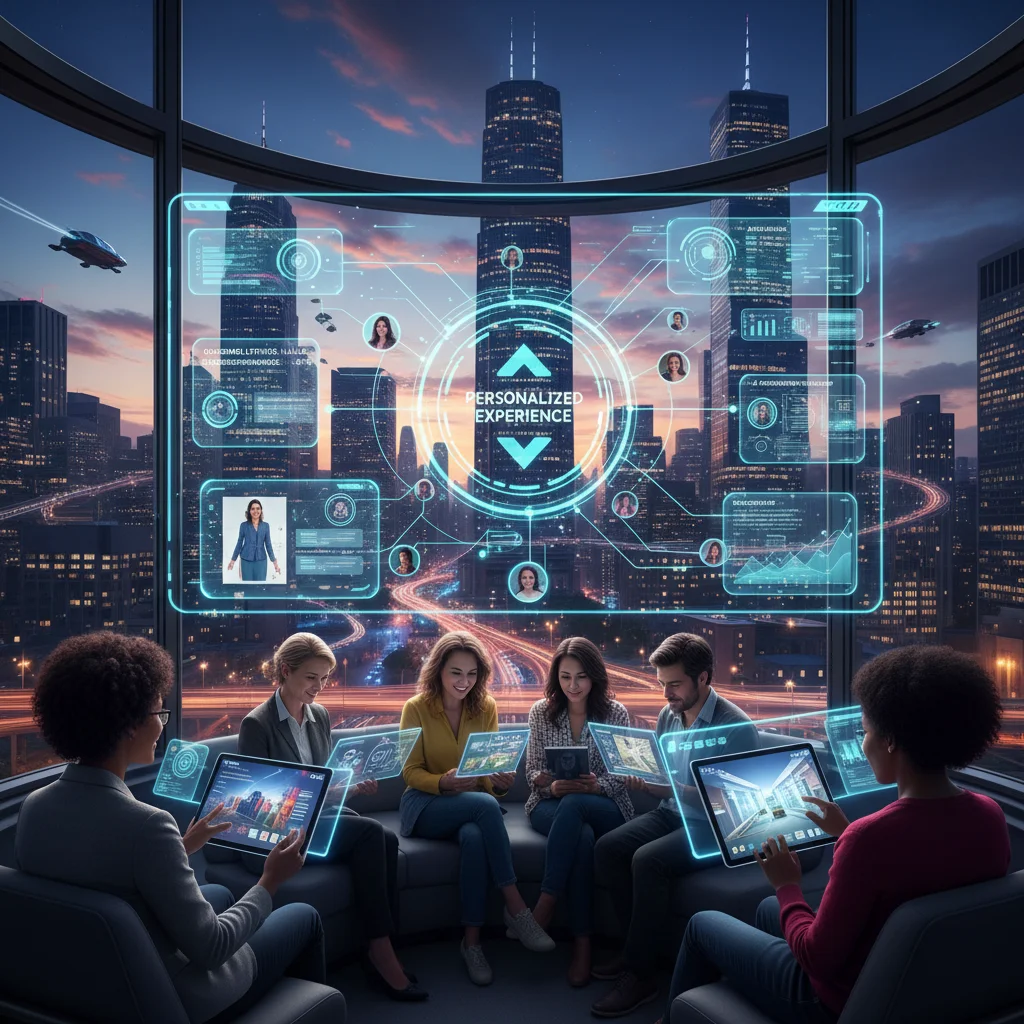
In today’s fiercely competitive digital landscape, generic marketing messages are rapidly becoming obsolete. Consumers, particularly in the sophisticated US market, expect and demand experiences that are not just personalized, but hyper-personalized. They seek interactions that anticipate their needs, reflect their unique preferences, and seamlessly integrate into their daily lives. For businesses aiming to thrive and achieve significant growth, embracing a robust hyper-personalization strategy US-wide is no longer an option but a critical imperative. Our goal, and the focus of this extensive guide, is to outline how US businesses can strategically leverage customer data to achieve an ambitious 15% increase in customer engagement by 2026.
The journey towards hyper-personalization is complex, requiring a deep understanding of data, advanced technological capabilities, and a customer-centric organizational culture. It’s about moving beyond basic segmentation to truly understanding the individual at a granular level. This article will delve into the core components of such a strategy, from data collection and ethical considerations to the implementation of AI and machine learning, and the continuous optimization required to stay ahead in the dynamic US market.
The Evolution from Personalization to Hyper-Personalization
To truly grasp the power of a hyper-personalization strategy US businesses need to understand its distinction from traditional personalization. Personalization, in its classic sense, involves tailoring content or experiences based on broad segments or basic user data like name or location. Think of an email greeting you by name or recommending products based on your past purchases within a general category.
Hyper-personalization, however, takes this several steps further. It’s about leveraging real-time data, behavioral analytics, artificial intelligence (AI), and machine learning (ML) to deliver highly individualized, contextually relevant, and predictive experiences. This means understanding not just what a customer bought, but why they bought it, their current emotional state (inferred from behavior), their immediate needs, and even predicting their future actions. For instance, instead of just recommending ‘shoes,’ a hyper-personalized approach might recommend ‘waterproof hiking boots with ankle support, size 9, in blue, at a local store with current stock, because you just browsed camping gear and it’s raining in your area.’
The stakes are high. A recent study indicated that 71% of consumers expect personalization, and 76% get frustrated when it doesn’t happen. In the US, where consumers are exposed to a vast array of choices daily, an undifferentiated experience is a forgettable one. By 2026, those businesses that fail to adopt a sophisticated hyper-personalization strategy US-wide will find themselves lagging significantly in customer engagement and loyalty.
The Data Foundation: Fueling Your Hyper-Personalization Strategy US
The bedrock of any successful hyper-personalization initiative is robust, accurate, and ethically sourced customer data. Without the right data, even the most advanced AI algorithms are rendered ineffective. For a hyper-personalization strategy US companies must focus on collecting a diverse range of data points, both explicit and implicit.
Types of Data Essential for Hyper-Personalization:
- Demographic Data: Age, gender, location, income, education. While basic, these provide foundational context.
- Behavioral Data: Website clicks, search history, purchase history, time spent on pages, app usage, email opens, video views, abandoned carts. This is crucial for understanding intent and preferences.
- Transactional Data: Purchase frequency, average order value, product categories bought, returns. Helps in understanding customer lifetime value and churn risk.
- Preference Data: Explicitly stated preferences from surveys, preference centers, wishlists, or implicit preferences derived from interactions.
- Attitudinal Data: Customer feedback, reviews, survey responses, social media sentiment. Provides insights into motivations and satisfaction.
- Contextual Data: Device type, operating system, time of day, weather, current location (if consented), referral source. Enables real-time, in-the-moment personalization.
Data Collection and Integration:
Collecting this data isn’t enough; it must be integrated into a unified customer profile. Customer Data Platforms (CDPs) are becoming indispensable tools for this. A CDP consolidates data from various sources (CRM, ERP, marketing automation, website analytics, mobile apps, POS systems) into a single, comprehensive view of each customer. This ‘single source of truth’ is vital for powering a consistent and effective hyper-personalization strategy US-wide.
Ethical Data Sourcing and Privacy Compliance:
As data collection becomes more sophisticated, so does the scrutiny around privacy. In the US, various state-level regulations (like CCPA in California, with more emerging) and evolving consumer expectations demand a transparent and ethical approach to data handling. Businesses must:
- Obtain explicit consent: Be clear about what data is being collected and why.
- Ensure data security: Protect customer data from breaches and unauthorized access.
- Provide data control: Allow customers to access, modify, or delete their data.
- Be transparent: Clearly communicate privacy policies and data usage practices.
Building trust through ethical data practices is paramount. A privacy breach or a perceived misuse of data can severely damage brand reputation and erode the very engagement your hyper-personalization strategy US aims to build.
Technology Stack for Advanced Hyper-Personalization
Implementing a successful hyper-personalization strategy US requires a robust technology infrastructure. This isn’t just about one tool; it’s an ecosystem of integrated platforms working in concert.
Key Technological Components:
- Customer Data Platform (CDP): As mentioned, the CDP is the central nervous system, unifying all customer data. It cleans, normalizes, and activates data for various marketing and sales channels.
- Artificial Intelligence (AI) and Machine Learning (ML): These are the engines of hyper-personalization. AI/ML algorithms analyze vast datasets to identify patterns, predict behavior, recommend products, personalize content, and optimize timing.
- Marketing Automation Platforms: Tools that automate personalized communication across email, SMS, push notifications, and social media, triggered by customer actions or predefined rules.
- Content Management Systems (CMS) with Personalization Capabilities: Modern CMS platforms allow dynamic content delivery, showing different website elements, product recommendations, or calls to action based on the individual visitor’s profile.
- Analytics and Business Intelligence (BI) Tools: Essential for measuring the effectiveness of personalization efforts, identifying trends, and providing actionable insights for continuous improvement.
- A/B Testing and Optimization Tools: To constantly test different personalized experiences and iterate based on performance.
AI and ML in Action:
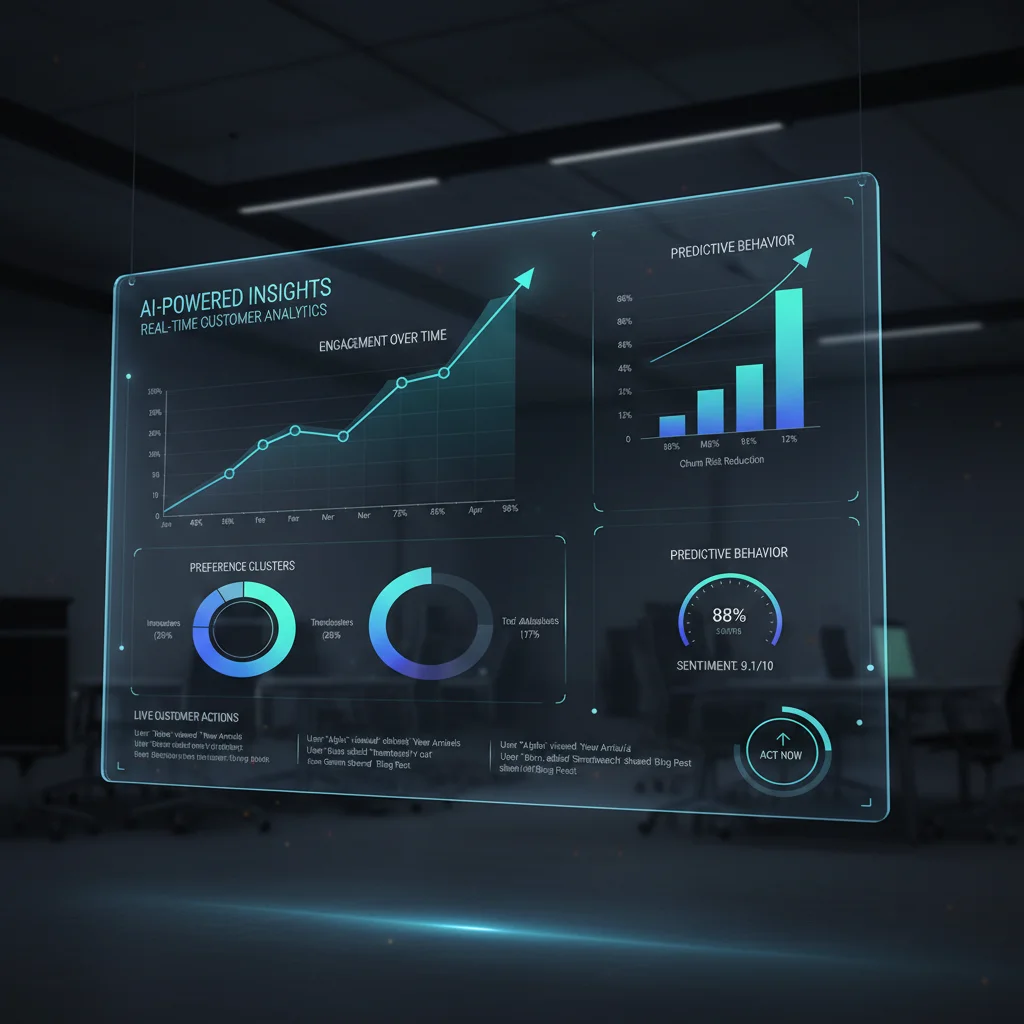
- Recommendation Engines: Powering product suggestions on e-commerce sites, content recommendations on streaming platforms, or related articles on news sites.
- Predictive Analytics: Forecasting customer churn, predicting future purchases, identifying high-value customers, and anticipating needs before they arise.
- Dynamic Content Optimization: Automatically adjusting website layouts, ad creatives, or email subject lines based on individual user profiles and real-time context.
- Natural Language Processing (NLP): Used in chatbots and virtual assistants to understand customer queries and provide personalized responses, enhancing the conversational experience.
- Sentiment Analysis: Analyzing customer feedback and social media mentions to gauge sentiment and respond appropriately, personalizing service interactions.
Investing in the right technology stack is a significant undertaking, but it’s a non-negotiable step for any US business serious about implementing a cutting-edge hyper-personalization strategy US-wide and achieving that 15% engagement increase.
Crafting the Hyper-Personalized Customer Journey
A truly effective hyper-personalization strategy US focuses on delivering personalized experiences at every touchpoint of the customer journey, from initial awareness to post-purchase support and retention.
Awareness Stage:
- Personalized Advertising: Using programmatic advertising to show highly relevant ads based on browsing history, demographics, and inferred interests.
- Content Personalization: Tailoring landing pages or blog content based on the user’s search query or referral source.
Consideration Stage:
- Dynamic Website Content: Displaying personalized product categories, promotions, or testimonials based on past interactions or profile data.
- Personalized Email Campaigns: Sending targeted emails with product recommendations, guides, or case studies relevant to the user’s expressed interests.
- Chatbot Assistance: Providing instant, personalized answers to questions, guiding users through product selection based on their needs.
Purchase Stage:
- Personalized Product Recommendations: Offering ‘customers also bought’ or ‘you might like’ suggestions at critical points in the buying process.
- Customized Offers: Presenting unique discounts or bundles based on the customer’s purchase history or loyalty status.
- Seamless Checkout: Pre-filling information where possible, offering preferred payment methods, and providing clear shipping options.
Post-Purchase and Retention:
- Personalized Order Updates: Providing proactive, specific shipping and delivery information.
- Tailored Onboarding: Guiding new customers through product features relevant to their usage patterns.
- Proactive Customer Service: Anticipating potential issues and reaching out with solutions before the customer contacts support.
- Loyalty Programs: Offering personalized rewards, exclusive access, or early previews based on loyalty and preferences.
- Win-back Campaigns: Crafting highly personalized offers and messages for at-risk or churned customers, addressing their specific reasons for disengagement.
Each interaction, no matter how small, presents an opportunity to reinforce the personalized experience and strengthen the customer relationship. This holistic approach is key to an impactful hyper-personalization strategy US businesses can adopt.
Measuring Success: KPIs for 15% Engagement Increase by 2026
To confirm that your hyper-personalization strategy US is on track to achieve a 15% engagement increase by 2026, it’s crucial to define and track relevant Key Performance Indicators (KPIs). Engagement is a multifaceted concept, and its measurement should reflect that.
Key Engagement Metrics to Track:
- Conversion Rates: This is often the ultimate goal. Measure how personalized experiences impact conversion rates across different channels (website, email, app).
- Click-Through Rates (CTR): For personalized emails, ads, and website content. Higher CTR indicates greater relevance.
- Time Spent on Site/App: Increased time on site or in app suggests users are finding content more engaging and relevant.
- Bounce Rate: A decrease in bounce rate for personalized landing pages or content indicates better initial engagement.
- Repeat Purchase Rate/Customer Lifetime Value (CLTV): Hyper-personalization should foster loyalty, leading to more repeat business and higher CLTV.
- Customer Satisfaction (CSAT) & Net Promoter Score (NPS): Directly measure how customers feel about their personalized experiences. Higher scores indicate greater satisfaction and willingness to recommend.
- Reduced Churn Rate: By anticipating needs and providing relevant solutions, hyper-personalization can significantly reduce customer attrition.
- Interaction Rate (e.g., chat, support tickets): While some interactions might decrease due to proactive solutions, an increase in positive, self-service interactions (e.g., using personalized FAQs) can be a good sign.
- Social Media Engagement: Shares, likes, comments on personalized content or campaigns.

Setting Baselines and Targets:
Before implementing your hyper-personalization strategy US-wide, establish clear baselines for all relevant KPIs. This allows you to accurately measure the impact of your efforts. Set realistic yet ambitious targets for improvement, aiming for that 15% overall engagement uplift by 2026. Regular reporting and analysis are vital for identifying what’s working and what needs adjustment.
Challenges and Considerations for US Businesses
While the benefits of a hyper-personalization strategy US are clear, businesses must also be prepared to address several challenges:
1. Data Quality and Silos:
Poor data quality (inaccurate, incomplete, or outdated data) can lead to irrelevant or even off-putting personalization. Data silos, where information is trapped in different departments or systems, prevent a unified customer view. Investing in data governance and a CDP is crucial.
2. Privacy Concerns and Regulations:
Navigating the complex and evolving landscape of US data privacy laws (CCPA, CPRA, and potential federal regulations) requires ongoing vigilance and robust compliance frameworks. Missteps can lead to significant fines and reputational damage.
3. Technical Complexity and Integration:
Integrating various technologies (CDP, AI/ML, marketing automation, CMS) can be technically challenging and resource-intensive. A clear roadmap and skilled technical teams are essential.
4. Avoiding the ‘Creepy’ Factor:
There’s a fine line between helpful personalization and intrusive behavior. Overly specific or seemingly clairvoyant personalization can make customers uncomfortable. Transparency about data usage and focusing on value-add are key to avoiding this ‘creepy’ factor.
5. Organizational Alignment and Skill Gaps:
Successfully implementing a hyper-personalization strategy US requires buy-in from across the organization – marketing, sales, IT, and customer service. There may also be a need to upskill existing teams or hire new talent with expertise in data science, AI, and customer experience design.
6. Scalability:
As a business grows, its personalization efforts must scale. The chosen technology and strategy should be capable of handling increasing volumes of data and customer interactions without compromising performance.
Future Trends in Hyper-Personalization for the US Market
Looking towards 2026 and beyond, several trends will further shape the hyper-personalization strategy US businesses employ:
1. AI-Powered Predictive Personalization:
The ability of AI to not just react to past behavior but to predict future needs and desires will become even more sophisticated, leading to truly anticipatory experiences.
2. Voice and Conversational AI:
As voice assistants and chatbots become more prevalent, personalized conversational experiences will be critical. AI will enable these interfaces to understand context, sentiment, and individual preferences for more natural and helpful interactions.
3. Augmented Reality (AR) and Virtual Reality (VR) Personalization:
Immersive technologies will offer new frontiers for personalization, from virtual try-ons of clothing tailored to individual body types to personalized virtual shopping environments.
4. Hyper-Personalization in the Metaverse:
As the metaverse evolves, businesses will explore ways to create personalized avatars, virtual spaces, and experiences within these digital worlds, catering to individual user identities and preferences.
5. Ethical AI and Explainable AI (XAI):
With increased reliance on AI, there will be a greater demand for ethical AI frameworks and ‘explainable AI’ that can articulate why certain recommendations or decisions were made, fostering greater trust with consumers.
6. Real-time, Event-Driven Personalization:
The ability to trigger personalized interactions based on micro-moments and real-time events (e.g., location changes, weather shifts, news events) will become standard, offering unparalleled contextual relevance.
Building a Roadmap for Success by 2026
Achieving a 15% increase in customer engagement through a hyper-personalization strategy US-wide by 2026 requires a phased, strategic approach:
- Audit Current Capabilities: Assess your existing data, technology, and team skills. Identify gaps that need to be addressed.
- Define Clear Objectives and KPIs: Beyond the 15% engagement goal, break down what that means for different departments and channels.
- Invest in a CDP: This is a foundational step for data unification and activation.
- Start Small, Iterate, and Scale: Begin with a pilot project in a specific area (e.g., personalized email recommendations) to learn and optimize before scaling across the entire customer journey.
- Focus on Data Governance & Privacy: Implement robust policies and procedures from day one to ensure compliance and build trust.
- Foster Cross-Functional Collaboration: Break down internal silos between marketing, sales, product, and IT to ensure a cohesive customer experience.
- Continuous Learning and Optimization: The hyper-personalization landscape is constantly evolving. Regularly analyze data, run A/B tests, gather feedback, and adapt your strategy accordingly.
Conclusion
The future of customer engagement in the US market is undeniably hyper-personalized. Businesses that embrace this paradigm shift, strategically leveraging customer data with advanced AI and ML technologies, will be the ones that not only meet but exceed customer expectations. The target of a 15% increase in engagement by 2026 is ambitious but entirely achievable for organizations committed to building a robust hyper-personalization strategy US-wide.
By focusing on ethical data collection, intelligent technology integration, a holistic customer journey approach, and continuous optimization, US businesses can unlock unprecedented levels of customer loyalty, satisfaction, and ultimately, sustainable growth. The time to invest in hyper-personalization is now, ensuring your brand remains relevant, resonant, and remarkably engaging in the years to come.