Negative Feedback to Sales Boost: 2026 CX Playbook

In the dynamic landscape of modern business, customer feedback is often hailed as a goldmine of insights. Yet, many organizations shy away from its most potent form: negative feedback. It’s uncomfortable, it can be critical, and it often highlights areas where we fall short. However, what if we told you that embracing and strategically acting upon negative feedback could be the key to unlocking a significant sales boost, perhaps even a 5% increase by 2026? This isn’t just wishful thinking; it’s a strategic imperative. Welcome to the 2026 CX Playbook, designed to help you transform negative feedback into a tangible financial advantage.
The conventional wisdom often pushes for positive reviews and testimonials, and while these are undeniably valuable, they rarely offer the granular, actionable insights that negative feedback provides. Think of negative feedback not as a problem, but as a free consultation from your most engaged (and often most frustrated) customers. They are telling you exactly where your product, service, or process is failing to meet their expectations. And in that failure lies the opportunity for unparalleled improvement and, consequently, increased sales.
This comprehensive guide will delve deep into the ‘how-to’ of leveraging negative feedback. We’ll explore the financial impact, providing concrete examples and methodologies to quantify the return on investment of a robust customer experience (CX) strategy. More importantly, we’ll offer practical solutions, a step-by-step playbook that you can implement within your organization to not just mitigate customer dissatisfaction but to actively convert it into a powerful engine for growth. The goal is clear: a 5% sales increase by 2026, driven by a CX strategy that courageously confronts and resolves customer pain points. Let’s begin this transformative journey.
The Hidden Goldmine: Understanding the Value of Negative Feedback
Many businesses view negative feedback as something to be avoided or, at best, managed. This perspective fundamentally misunderstands its strategic value. Negative feedback is a direct indicator of unmet customer needs, friction points in the customer journey, or deficiencies in your product or service. When customers take the time to complain, they are, in essence, offering free market research. They are highlighting areas for improvement that, if addressed, can lead to increased customer satisfaction, loyalty, and ultimately, higher sales.
Consider the alternative: customers who are dissatisfied but don’t voice their concerns. These ‘silent churners’ simply take their business elsewhere, leaving you unaware of the underlying issues. Negative feedback, therefore, acts as an early warning system, providing an opportunity to intervene, rectify the situation, and prevent churn. It’s a chance to turn a potentially lost customer into a loyal advocate, or at the very least, a satisfied one.
The financial implications are significant. Studies consistently show that acquiring a new customer can be five to twenty-five times more expensive than retaining an existing one. By actively addressing negative feedback, you are investing in customer retention, which directly impacts your bottom line. Furthermore, a customer whose issue has been successfully resolved often becomes more loyal than a customer who never experienced a problem in the first place. This phenomenon, known as the ‘service recovery paradox,’ underscores the immense power of turning a negative experience into a positive one. This is how harnessing negative feedback sales can become a powerful growth engine.
Quantifying the Financial Impact of CX Improvements
To truly appreciate the power of negative feedback, we must quantify its financial impact. This isn’t about vague promises; it’s about connecting CX improvements directly to revenue generation. Here’s how to approach it:
- Reduced Churn Rate: Calculate the cost of customer churn. By resolving issues highlighted by negative feedback, you reduce the likelihood of customers leaving. Even a small reduction in churn can translate into significant savings and increased lifetime value.
- Increased Customer Lifetime Value (CLTV): Satisfied customers tend to spend more over time, make repeat purchases, and are more open to trying new products or services. Addressing negative feedback directly contributes to higher CLTV.
- Improved Word-of-Mouth Marketing: A customer whose problem has been resolved effectively is highly likely to share their positive experience with others. This organic, authentic marketing is invaluable and far more credible than traditional advertising.
- Higher Conversion Rates: By refining your products and services based on feedback, you create offerings that better meet market needs, leading to higher conversion rates for new prospects.
- Reduced Support Costs: Proactively addressing common issues identified through negative feedback can reduce the volume of support tickets and calls, leading to lower operational costs.
For instance, if your average customer spends $500 annually and your churn rate is 15%, reducing it by just 1% through effective feedback management can save you a substantial amount, directly adding to your revenue. If you aim for a 5% sales increase, understanding these metrics is paramount.
The 2026 CX Playbook: Practical Solutions for a 5% Sales Boost
Achieving a 5% sales boost by 2026 through negative feedback requires a structured, multi-faceted approach. This playbook outlines the key strategies and practical solutions to make this a reality.
Step 1: Implement Robust Feedback Collection Mechanisms
You can’t act on negative feedback if you don’t collect it effectively. This goes beyond a simple ‘contact us’ form. You need diverse, accessible channels that encourage customers to share their experiences.
- Multi-Channel Approach: Offer various avenues for feedback, including surveys (NPS, CSAT, CES), social media monitoring, direct email, in-app feedback forms, customer service interactions (call transcripts, chat logs), and online review sites.
- Proactive Solicitation: Don’t wait for customers to come to you. Proactively solicit feedback at key touchpoints in the customer journey – after a purchase, after a support interaction, or after using a specific feature.
- Make it Easy: Ensure the feedback process is quick, intuitive, and respects the customer’s time. Long, complex surveys often lead to abandonment.
- Anonymity Options: For sensitive feedback, offer anonymous submission options to encourage honesty.
Step 2: Centralize and Analyze Feedback Data
Collecting feedback is only the first step. The real power lies in centralizing, analyzing, and deriving actionable insights from the data. This is where many companies falter, drowning in a sea of unstructured comments.
- Unified Feedback Platform: Implement a system that aggregates feedback from all channels into a single repository. This could be a CRM, a dedicated CX platform, or a robust data analytics tool.
- Sentiment Analysis: Utilize AI-powered sentiment analysis tools to quickly identify the emotional tone and key themes within large volumes of text-based feedback.
- Root Cause Analysis: Go beyond surface-level complaints. Employ techniques like the ‘5 Whys’ to uncover the underlying root causes of customer dissatisfaction. Is it a product flaw, a process inefficiency, or a communication breakdown?
- Categorization and Tagging: Develop a consistent taxonomy for tagging feedback by topic, product, service, customer segment, and severity. This allows for easier trend identification.
- Identify Trends and Patterns: Look for recurring issues. A single complaint might be an anomaly, but multiple complaints about the same issue signal a systemic problem that needs addressing.
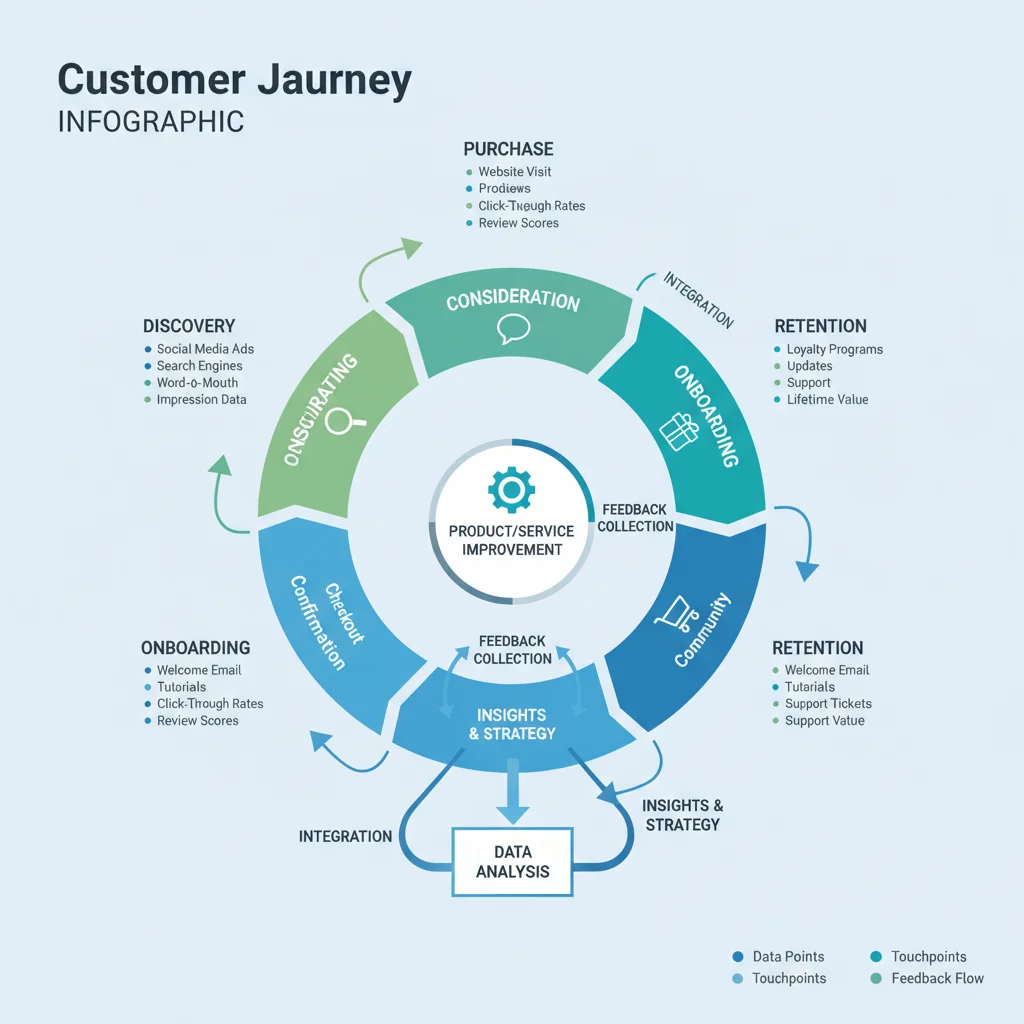
Step 3: Actively Respond and Communicate
Ignoring negative feedback is a surefire way to alienate customers. A timely, empathetic, and effective response can de-escalate situations and even turn detractors into advocates.
- Prompt Acknowledgment: Respond quickly to all feedback, especially negative comments. Even if you don’t have an immediate solution, acknowledging receipt and assuring the customer that their feedback is being reviewed is crucial.
- Empathy and Apology: Express genuine empathy for the customer’s experience. A sincere apology, even if you don’t agree with the premise of the complaint, can go a long way in diffusing tension.
- Offer Solutions and Resolutions: Whenever possible, offer a concrete solution or a path to resolution. This might involve a refund, a replacement, a discount, or a detailed explanation of what steps you’re taking.
- Close the Loop: Inform the customer once their issue has been resolved or if their feedback has led to a product or service improvement. This demonstrates that their voice matters and reinforces trust.
- Internal Communication: Ensure that feedback, especially critical insights, is communicated across relevant departments (product, engineering, marketing, sales, support) to foster a culture of continuous improvement.
Step 4: Implement Changes and Iterate
This is where the rubber meets the road. Analyzing feedback and responding is good, but implementing actual changes based on those insights is what truly drives CX improvement and ultimately, sales.
- Prioritize Issues: Not all feedback can be acted upon immediately. Prioritize issues based on their severity, frequency, and potential impact on customer satisfaction and sales. Use a framework like RICE (Reach, Impact, Confidence, Effort) or ICE (Impact, Confidence, Ease).
- Cross-Functional Collaboration: CX improvement is not solely the responsibility of the customer service department. It requires collaboration across product development, marketing, sales, and operations. Establish clear lines of communication and ownership.
- Develop Action Plans: For each prioritized issue, create a clear action plan with assigned responsibilities, timelines, and measurable outcomes.
- Test and Measure: Implement changes on a smaller scale if possible, and then rigorously test their effectiveness. Monitor key metrics (e.g., CSAT, NPS, repeat purchases, sales conversion) to assess the impact of your changes.
- Continuous Improvement Loop: CX is not a one-time project; it’s an ongoing process. Establish a continuous feedback loop where new feedback informs further iterations and improvements.
Measuring the Impact: From Feedback to Financial Gains
To demonstrate the effectiveness of your negative feedback sales strategy, you must continuously measure its impact. This involves tracking both CX metrics and their correlation with financial outcomes.
Key Performance Indicators (KPIs) to Monitor:
- Net Promoter Score (NPS): Measures customer loyalty and willingness to recommend. Track changes over time, especially after implementing feedback-driven improvements.
- Customer Satisfaction (CSAT): Measures satisfaction with specific interactions or aspects of your product/service.
- Customer Effort Score (CES): Measures how much effort a customer had to exert to get an issue resolved or a request fulfilled. Lower effort usually correlates with higher satisfaction.
- Churn Rate: Monitor reductions in customer attrition.
- Repeat Purchase Rate: An increase indicates improved loyalty and satisfaction.
- Average Order Value (AOV) / Customer Lifetime Value (CLTV): Track increases in customer spending over time.
- Sales Conversion Rates: Observe improvements in converting leads into customers, especially if feedback led to product enhancements.
- Support Ticket Volume/Resolution Time: Reductions can indicate that common pain points are being addressed proactively.
By regularly correlating these CX metrics with your sales data, you can build a compelling business case for the ongoing investment in feedback management. For example, if you observe a 10% increase in CSAT scores after addressing a common product complaint, and this correlates with a 2% rise in repeat purchases, you can directly attribute financial gains to your CX efforts. This data-driven approach is critical for achieving and demonstrating that 5% sales boost by 2026.
Building a CX-Centric Culture
Transforming negative feedback into a sales advantage isn’t just about tools and processes; it’s about fostering a company-wide culture that values customer input at every level. This means empowering employees, promoting empathy, and ensuring that every department understands its role in the customer experience.
Empowering Frontline Employees
Your customer-facing teams are often the first to hear negative feedback. Empower them with the training, tools, and authority to resolve issues quickly and effectively. This includes:
- Decision-Making Authority: Give them the ability to offer refunds, discounts, or other solutions without excessive bureaucratic hurdles.
- Comprehensive Training: Equip them with deep product knowledge, empathy training, and conflict resolution skills.
- Feedback Loops: Establish clear channels for frontline staff to escalate recurring issues and contribute their insights to product and process improvements. They are often the closest to the customer pain points.
Leadership Buy-in and Communication
A successful CX strategy starts at the top. Leadership must champion the importance of customer feedback and actively participate in its review and resolution. Regular communication about CX initiatives, successes, and ongoing challenges reinforces its strategic importance across the organization.
Integrating Feedback into Product Development
Negative feedback often points to areas where your product or service is falling short. Integrating this feedback directly into your product development lifecycle is crucial. This means:
- Dedicated Feedback Sprints: Allocate specific development sprints or resources to address high-priority issues identified through customer feedback.
- User Story Creation: Translate customer complaints into user stories that guide development, ensuring that new features or fixes directly address user pain points.
- Beta Testing with Affected Customers: Involve customers who provided negative feedback in beta testing of new solutions. This not only validates your improvements but also rebuilds trust.
Overcoming Challenges in Feedback Management
While the benefits are clear, managing negative feedback effectively isn’t without its challenges. Organizations must be prepared to overcome common hurdles.
Volume and Noise
High volumes of feedback can be overwhelming. The key is to leverage technology (AI, sentiment analysis) to filter noise, identify critical issues, and prioritize effectively.
Emotional Labor
Dealing with unhappy customers can be emotionally taxing for employees. Provide adequate training, support, and recognition for your customer-facing teams to prevent burnout.
Siloed Data and Departments
Feedback data often resides in disparate systems, and departments may operate in silos. Invest in integrated platforms and foster cross-functional collaboration to break down these barriers.
Resistance to Change
Some employees or departments may resist changes based on negative feedback, especially if it challenges existing processes or pride in their work. Emphasize the collective benefit – increased sales and customer loyalty – and involve them in the solution-finding process.
The Future of CX: Proactive Problem Solving
As we look towards 2026 and beyond, the most successful companies will move beyond reactive feedback management to proactive problem-solving. This involves using predictive analytics to anticipate customer issues before they even arise.
- Predictive Analytics: Analyze historical data (purchase patterns, website behavior, past interactions) to identify customers who are at risk of churn or likely to encounter problems.
- Personalized Interventions: Offer proactive support or personalized recommendations to prevent negative experiences.
- Self-Service Empowerment: Provide robust self-service options (knowledge bases, FAQs, chatbots) that allow customers to find solutions independently, reducing the need for direct support and preventing frustration.
This proactive approach not only minimizes negative feedback but also builds a reputation for exceptional customer care, further solidifying your path to a 5% sales increase.
Conclusion: Your Path to a 5% Sales Boost by 2026
The journey to transforming negative feedback into a 5% sales boost by 2026 is not a sprint, but a marathon. It requires commitment, a strategic mindset, and a willingness to confront uncomfortable truths about your business. However, the rewards – increased customer loyalty, reduced churn, enhanced brand reputation, and significant revenue growth – are well worth the effort. By implementing the strategies outlined in this 2026 CX Playbook, you’re not just fixing problems; you’re actively building a more resilient, customer-centric, and profitable organization.
Embrace negative feedback. See it for what it truly is: a roadmap to improvement and a powerful catalyst for sales growth. Your customers are telling you how to make your business better; all you have to do is listen, act, and watch your sales figures climb. The future of your business hinges on your ability to convert critique into cash, and with this playbook, you have the tools to achieve just that. Start your transformation today and secure your competitive edge by 2026.