Personalized Buyer Journeys: 2026 Sales Enablement Tactics for U.S. Customer Retention

In the rapidly evolving landscape of B2B and B2C sales, the traditional one-size-fits-all approach is no longer sufficient. As we look towards 2026, the imperative for U.S. businesses to adopt highly personalized buyer journeys has become undeniably clear. The goal? To not only attract new customers but, more critically, to significantly enhance customer retention. Our target: a 10% increase in U.S. customer retention through strategic sales enablement. This article delves into the core principles, advanced tactics, and technological integrations required to master personalized buyer journeys and achieve this ambitious goal.
The modern customer is empowered, informed, and expects experiences tailored to their unique needs and preferences. Generic marketing messages and sales pitches often fall flat, leading to disengagement and, ultimately, churn. Sales enablement, when strategically focused on individual buyer journeys, transforms the sales process from a transactional exchange into a value-driven relationship. This shift is not merely a trend; it’s a fundamental recalibration of how businesses interact with their customers, particularly in the competitive U.S. market.
Retaining existing customers is often more cost-effective than acquiring new ones. A 5% increase in customer retention can lead to a 25% to 95% increase in profits, according to research by Frederick Reichheld of Bain & Company. This statistic alone underscores the immense value of focusing on retention. By 2026, companies that have successfully implemented personalized buyer journeys will be the ones leading the charge in customer loyalty and sustained growth.
Understanding the Personalized Buyer Journey in 2026
A personalized buyer journey is not just about addressing a customer by their first name. It’s about understanding their specific pain points, aspirations, industry context, and preferred communication channels at every stage of their interaction with your brand. It’s about delivering the right content, to the right person, at the right time, in the right format. By 2026, this level of personalization will be powered by sophisticated data analytics, artificial intelligence (AI), and a deeply integrated sales and marketing tech stack.
The Evolution from Generic to Hyper-Personalized
Historically, buyer journeys were often linear and generalized. Marketing would generate leads, sales would qualify and close. The content was broad, and the outreach was largely uniform. Today, and increasingly by 2026, the journey is dynamic, non-linear, and deeply individualized. Customers might jump between stages, revisit content, or engage with different touchpoints in unexpected sequences. Sales enablement must adapt to this fluid reality, providing sales teams with the tools and insights to navigate these complex paths effectively.
Key Components of a 2026 Personalized Buyer Journey
- Data-Driven Insights: Leveraging vast amounts of customer data – behavioral, demographic, psychographic, and firmographic – to create rich, dynamic buyer personas.
- AI and Machine Learning: Utilizing AI for predictive analytics, content recommendations, lead scoring, and automated personalized outreach.
- Omnichannel Engagement: Ensuring a seamless and consistent experience across all customer touchpoints, whether it’s email, social media, web, or direct sales interactions.
- Dynamic Content Personalization: Delivering content that adapts in real-time based on the buyer’s actions, preferences, and journey stage.
- Sales Rep Empowerment: Providing sales teams with readily accessible, personalized insights and tools to guide their interactions.
Strategic Sales Enablement Tactics for 2026
Achieving a 10% increase in U.S. customer retention requires a multi-faceted approach to sales enablement, deeply rooted in personalization. Here are the key tactics:
1. Advanced Data Analytics and Unified Customer Profiles
The foundation of any successful personalized strategy is data. By 2026, businesses must move beyond siloed data sources to create a unified, 360-degree view of each customer. This involves integrating CRM, marketing automation, customer service platforms, website analytics, and third-party data sources.
- Customer Data Platforms (CDPs): Investing in CDPs will be crucial. These platforms consolidate customer data from various sources into a single, comprehensive profile, enabling a much deeper understanding of individual buyer behavior and preferences.
- Behavioral Tracking: Beyond basic page views, understanding click paths, content consumption patterns, time spent on specific resources, and interaction with chatbots or virtual assistants provides invaluable clues for personalization.
- Predictive Analytics for Churn: Leveraging AI-powered predictive models to identify customers at risk of churning. This allows sales teams to proactively engage with tailored solutions before the customer decides to leave.
2. AI-Powered Content Personalization and Recommendation Engines
Content is king, but personalized content is paramount. Sales enablement platforms in 2026 will heavily rely on AI to recommend and even generate personalized content for sales reps to use.
- Dynamic Content Generation: AI tools can help sales reps quickly assemble personalized proposals, presentations, and email sequences by pulling relevant case studies, product features, and testimonials based on the specific buyer’s industry, company size, and stated needs.
- Intelligent Content Hubs: Centralized content repositories that use AI to tag, categorize, and recommend content based on buyer persona, stage in the journey, and specific interaction history. This ensures sales reps always have the most relevant and effective materials at their fingertips.
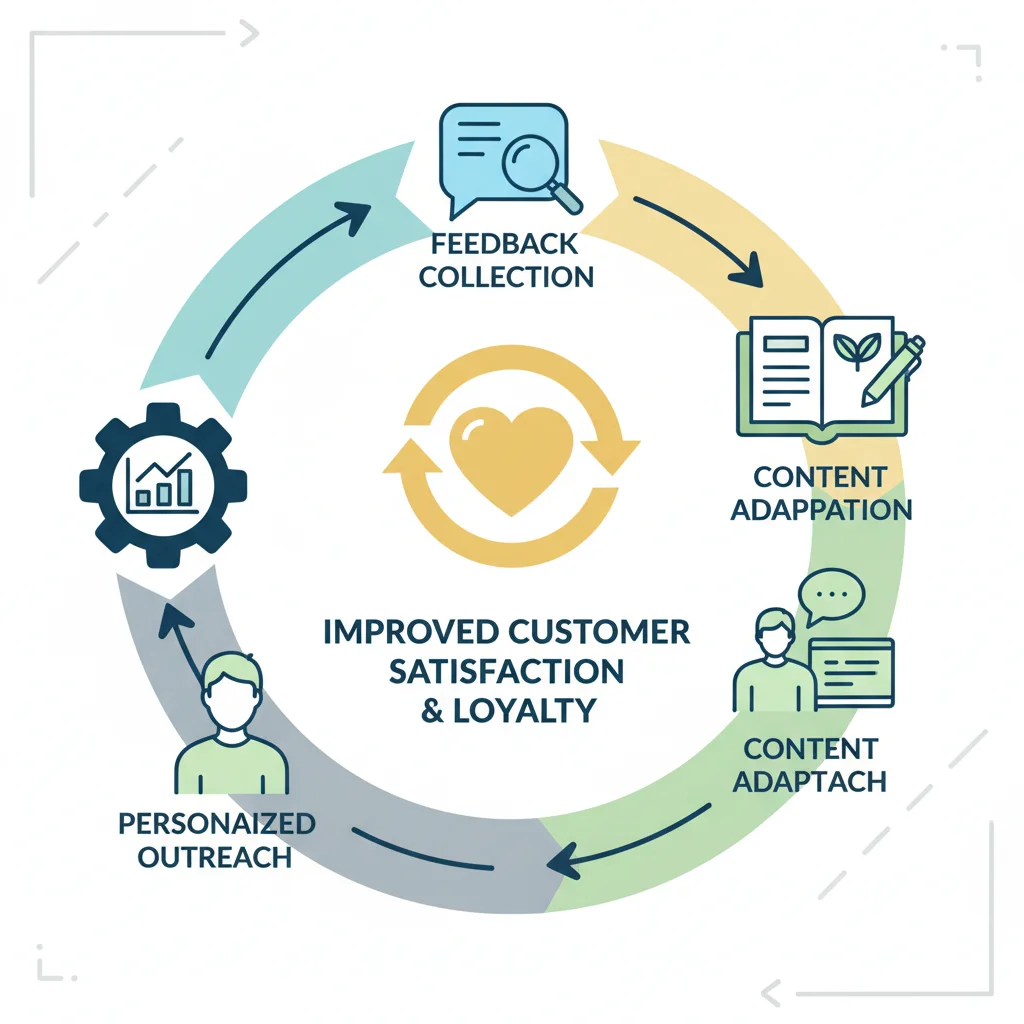
- Personalized Learning Paths: Beyond sales content, AI can personalize learning paths for customers post-purchase, ensuring they get the most out of your product or service, thereby reducing frustration and increasing satisfaction.
3. Proactive Engagement with Predictive Insights
The shift is from reactive problem-solving to proactive value creation. Sales teams, empowered by predictive insights, can anticipate customer needs and challenges.
- Early Warning Systems: AI can flag changes in customer behavior (e.g., decreased product usage, fewer support tickets, less engagement with updates) that indicate potential dissatisfaction or a competitor evaluation.
- Personalized Outreach Triggers: Automate triggers for sales reps to reach out with specific, value-added content or offers based on customer milestones, product usage patterns, or external market events relevant to their business.
- Customer Health Scores: Developing and continuously updating customer health scores that combine various data points (usage, support interactions, sentiment analysis) to provide a real-time view of customer satisfaction and loyalty.
4. Hyper-Targeted Account-Based Sales Enablement (ABSE)
For B2B organizations, Account-Based Marketing (ABM) has been a significant trend. By 2026, this will evolve into Account-Based Sales Enablement (ABSE), where sales enablement resources are hyper-focused on specific, high-value accounts.
- Dedicated Account Resources: Providing sales teams with bespoke content, case studies, and competitive intelligence tailored to the specific strategic accounts they are managing.
- Collaborative Selling Playbooks: Developing dynamic playbooks that guide sales teams through complex account strategies, incorporating insights from all customer-facing departments (sales, marketing, success).
- Executive-Level Engagement Strategies: Crafting personalized engagement strategies for C-suite executives within target accounts, focusing on their specific business challenges and strategic objectives.

Technology Stack for 2026 Personalized Buyer Journeys
The successful implementation of these tactics hinges on a robust and integrated technology stack. Here are the essential components:
1. CRM Systems with Advanced AI Capabilities
CRM platforms like Salesforce, HubSpot, and Microsoft Dynamics will continue to evolve, integrating deeper AI capabilities for predictive lead scoring, opportunity insights, and personalized communication recommendations. These systems will be the central hub for managing customer relationships and enabling sales teams.
2. Customer Data Platforms (CDPs)
As mentioned, CDPs are critical for unifying customer data from disparate sources, providing a single source of truth for every customer. This unified profile fuels all personalization efforts.
3. Sales Engagement Platforms (SEPs)
SEPs (e.g., Salesloft, Outreach) will integrate more deeply with CRMs and CDPs, allowing for highly personalized and automated outreach sequences. They will leverage AI to optimize send times, content, and channels for maximum impact.
4. Content Management Systems (CMS) and Digital Asset Management (DAM)
These systems will not only store content but also use AI to tag, categorize, and recommend the most effective sales assets based on the buyer’s context. Dynamic content assembly tools will become standard.
5. Conversational AI and Chatbots
Advanced chatbots and virtual assistants will provide 24/7 personalized support, answer common questions, and even qualify leads, freeing up sales reps to focus on more complex, high-value interactions. They will be integrated with the CRM to ensure continuity of the customer journey.
6. Analytics and Business Intelligence Tools
Robust analytics platforms are essential for measuring the effectiveness of personalization efforts, identifying trends, and continuously optimizing strategies. Dashboards will provide real-time insights into customer engagement, retention rates, and the ROI of sales enablement initiatives.
Measuring Success: Metrics for a 10% Retention Increase
To achieve and validate a 10% increase in U.S. customer retention, specific metrics must be tracked diligently. These metrics go beyond traditional sales KPIs and focus on customer lifetime value and loyalty.
1. Customer Retention Rate (CRR)
This is the primary metric. Track CRR monthly, quarterly, and annually, comparing it against previous periods and industry benchmarks. The goal is a clear upward trend towards the 10% target.
CRR = ((Customers at End of Period - New Customers Acquired During Period) / Customers at Start of Period) * 100
2. Churn Rate
The inverse of retention, churn rate measures the percentage of customers who stopped using your product or service. A decreasing churn rate directly contributes to increased retention.
3. Customer Lifetime Value (CLTV)
Personalized journeys should not only retain customers but also increase their value over time. Monitor CLTV to see if personalized engagement leads to higher average revenue per user, more upsells, and cross-sells.
4. Net Promoter Score (NPS) and Customer Satisfaction (CSAT)
These metrics provide qualitative insights into customer sentiment. Higher NPS and CSAT scores are strong indicators of customer loyalty and a reduced likelihood of churn. Implement regular surveys and feedback mechanisms to track these.
5. Product Usage and Engagement
For software or service-based businesses, tracking product usage frequency, feature adoption, and overall engagement can predict retention. Personalized onboarding and ongoing support driven by sales enablement can significantly impact these metrics.
6. Sales Cycle Length and Win Rates for Existing Customers
When selling additional products or services to existing customers, personalized approaches should lead to shorter sales cycles and higher win rates, reflecting a deeper understanding of their needs and existing trust.
Overcoming Challenges in Implementing Personalized Buyer Journeys
While the benefits are clear, implementing truly personalized buyer journeys at scale presents several challenges:
1. Data Silos and Integration Complexity
Many organizations struggle with disparate data systems. Overcoming this requires significant investment in integration technologies and a strategic approach to data governance.
2. Building a Data-Literate Sales Team
Sales reps need training not just on new tools, but on how to interpret and act upon data insights. Sales enablement must include comprehensive data literacy programs.
3. Maintaining Personalization at Scale
As customer bases grow, maintaining a high level of personalization becomes challenging. This is where AI and automation become indispensable, automating repetitive tasks while empowering reps to focus on high-value, human interactions.
4. Ensuring Data Privacy and Compliance
With increased data collection comes greater responsibility. Businesses must ensure strict adherence to data privacy regulations (e.g., CCPA, state-specific laws in the U.S.) and build customer trust through transparent data practices.
5. Organizational Alignment
Personalized buyer journeys require close collaboration between sales, marketing, customer success, and product teams. Breaking down departmental silos and fostering a shared vision is critical.
The Role of Sales Leaders and Enablement Teams
Sales leaders and enablement teams are pivotal in driving this transformation. Their responsibilities include:
- Strategic Vision: Defining the strategy for personalized buyer journeys and securing executive buy-in.
- Technology Adoption: Evaluating, implementing, and integrating the necessary technology stack.
- Training and Development: Providing ongoing training for sales reps on new tools, data interpretation, and personalized selling techniques.
- Content Strategy: Collaborating with marketing to ensure a steady supply of high-quality, personalized content assets.
- Performance Monitoring: Tracking key metrics, identifying areas for improvement, and iterating on strategies.
- Fostering a Customer-Centric Culture: Championing a mindset across the sales organization where every interaction is viewed through the lens of customer value and personalization.
Case Studies and Best Practices (Hypothetical for 2026)
Imagine a scenario in 2026 where a U.S.-based SaaS company, ‘InnovateTech,’ successfully implemented personalized buyer journeys. They started by investing in a sophisticated CDP, unifying data from their CRM, marketing automation, and product usage analytics. Their sales enablement team then leveraged AI to create dynamic customer profiles, identifying key pain points and growth opportunities for each client.
When a client, ‘Global Logistics Inc.’, showed a slight decrease in engagement with a specific product module, InnovateTech’s system automatically flagged it. The sales rep received an alert with a personalized content recommendation – a case study showing how another logistics company used that module to solve a similar challenge, along with an invitation to a personalized webinar. This proactive, data-driven outreach led to Global Logistics Inc. not only renewing their subscription but also upgrading to a higher tier, contributing significantly to InnovateTech’s retention goals.
Another example: ‘EcoSolutions’, a sustainable energy provider, used personalized buyer journeys to onboard new commercial clients. Instead of generic welcome emails, new clients received a tailored onboarding plan, including video tutorials specific to their energy consumption patterns and a direct line to a dedicated account manager who understood their specific regulatory environment. This bespoke approach reduced initial churn by 15% in the first six months.
Future Trends and Considerations
Looking beyond 2026, the evolution of personalized buyer journeys will likely include:
- Even Deeper AI Integration: AI will not just recommend content but potentially draft entire personalized communications, requiring human oversight but significantly boosting efficiency.
- Virtual and Augmented Reality (VR/AR) in Sales: Immersive experiences for product demonstrations and personalized consultations could become more common, especially for complex B2B solutions.
- Ethical AI and Data Privacy: As personalization becomes more sophisticated, ethical considerations around data usage and privacy will become even more paramount. Companies will need to be transparent and build trust.
- Emotional AI: Technologies that can gauge customer sentiment and emotion from voice or text will allow for even more nuanced and empathetic personalized interactions.
Conclusion
The journey to achieving a 10% increase in U.S. customer retention by 2026 through personalized buyer journeys is challenging but immensely rewarding. It demands a strategic vision, significant investment in technology, a commitment to data-driven decision-making, and a sales force empowered with the right tools and training. By focusing on understanding each customer as an individual, leveraging advanced AI and analytics, and fostering a culture of continuous personalization, businesses can not only meet but exceed their retention goals, securing long-term growth and market leadership in the competitive U.S. landscape. The future of sales enablement is personal, and the time to invest in this future is now.