Proactive Customer Service: Reduce Inquiries by 18%

In today’s hyper-competitive market, customer experience is no longer just a buzzword; it’s the bedrock of sustained business growth and brand loyalty. While reactive customer support has its place, the true differentiator lies in adopting a proactive customer service strategy. Imagine a world where your customers’ problems are solved before they even realize they have them, or at the very least, before they feel the need to contact you. This isn’t a futuristic fantasy; it’s an achievable goal that can lead to significant reductions in inbound inquiries, enhanced customer satisfaction, and a more efficient operation.
Our focus today is not just on the ‘what’ but on the ‘how’ – specifically, how you can leverage proactive customer service to decrease inbound inquiries by a remarkable 18% within the next six months. This isn’t an arbitrary number; it’s an ambitious yet attainable target that, if met, will transform your customer service landscape. We’ll delve into actionable strategies, best practices, and the underlying philosophy that makes proactive support so powerful.
Understanding the Shift: From Reactive to Proactive
For decades, customer service has largely been a reactive function. Customers encounter an issue, they reach out, and then the support team responds. While this model is necessary for certain situations, it inherently places the customer in a position of frustration or need before interaction begins. The goal of proactive customer service is to flip this script. Instead of waiting for problems to arise, businesses actively anticipate potential issues, identify common pain points, and provide solutions or information before the customer even has to ask.
The Hidden Costs of Reactive Support
Reactive support, while essential, comes with several hidden costs:
- Increased Inquiry Volume: Every unmet need or unaddressed question can turn into an inbound call, email, or chat.
- Higher Operational Costs: Handling a high volume of repetitive inquiries requires more staff, resources, and time.
- Lower Customer Satisfaction: Customers often feel frustrated when they have to initiate contact for an issue that could have been prevented or easily resolved on their own.
- Reduced Agent Morale: Dealing with a constant stream of frustrated customers can lead to burnout among support agents.
- Missed Opportunities: Time spent on reactive problem-solving is time not spent on value-added activities or deeper customer engagement.
The Benefits of Proactive Customer Service
Transitioning to a proactive customer service model unlocks a wealth of benefits:
- Reduced Inbound Inquiries: This is the primary goal we’re addressing. By preventing issues, you naturally reduce the need for customers to contact you.
- Enhanced Customer Satisfaction and Loyalty: Customers appreciate feeling understood and supported, even before they voice a concern. This builds trust and fosters loyalty.
- Improved Efficiency and Cost Savings: Fewer inquiries mean less strain on your support team, allowing them to focus on more complex issues or strategic initiatives. This translates to operational cost savings.
- Better Brand Reputation: A company known for anticipating needs and providing seamless experiences stands out in the market.
- Valuable Customer Insights: Identifying patterns in potential issues before they escalate provides valuable data for product or service improvement.
Setting the 18% Reduction Target: A Strategic Approach
Achieving an 18% reduction in inbound inquiries within six months requires a strategic, data-driven approach. It’s not about making arbitrary changes but about identifying key leverage points and implementing targeted solutions. Here’s how to lay the groundwork:
1. Baseline Assessment and Data Analysis
Before you can reduce inquiries, you need to understand their current state. Conduct a thorough audit of your existing inbound inquiry data:
- Categorize Inquiries: What are the most common reasons customers contact you? (e.g., password resets, billing questions, shipping status, product usage issues, technical glitches).
- Identify Peak Times and Channels: When and where do most inquiries occur?
- Analyze Resolution Times: How long does it take to resolve different types of inquiries?
- Track Customer Satisfaction (CSAT/NPS): How satisfied are customers who interact with support?
This data will be your baseline and will highlight the biggest opportunities for proactive intervention. Look for patterns, recurring questions, and areas where customers consistently struggle.
2. Define Key Performance Indicators (KPIs)
Beyond just inquiry volume, establish KPIs to measure the success of your proactive customer service initiatives. These might include:
- Overall inbound inquiry volume (the 18% target).
- Inquiry volume per category.
- Self-service portal usage rates.
- Knowledge base article views/engagement.
- Customer satisfaction scores (CSAT, NPS).
- First contact resolution rate for remaining inquiries.
Core Strategies for Implementing Proactive Customer Service
Now, let’s dive into the actionable strategies that will help you achieve your 18% reduction goal. These strategies often overlap and reinforce each other, creating a comprehensive proactive ecosystem.
1. Enhance Self-Service Options
The first line of defense against inbound inquiries is empowering customers to find answers themselves. A robust self-service platform is a cornerstone of proactive customer service.
- Comprehensive Knowledge Base/FAQ: Create a detailed, easy-to-search knowledge base with answers to frequently asked questions, how-to guides, and troubleshooting steps. Ensure it’s regularly updated and user-friendly.
- Interactive FAQs/Chatbots: Implement AI-powered chatbots that can answer common questions instantly or guide users to relevant knowledge base articles. These can handle a significant portion of routine inquiries without human intervention.
- Video Tutorials: For complex processes, video tutorials can be far more effective than text-based guides.
- Community Forums: Foster a community where customers can help each other, share tips, and find solutions.
2. Proactive Communication and Notifications
Many inquiries stem from a lack of information or uncertainty. By proactively communicating key information, you can prevent a cascade of questions.
- Status Updates: For services that might experience downtime or delays, proactively inform customers via email, SMS, or in-app notifications. (e.g., "We are experiencing a temporary service interruption, our team is working to resolve it.")
- Shipping and Delivery Notifications: Provide real-time tracking and updates on order status, delivery estimates, and potential delays.
- Billing Reminders and Alerts: Send friendly reminders for upcoming payments or notify customers of successful transactions, potential overages, or expiring subscriptions.
- Product Usage Tips and Best Practices: Educate customers on how to get the most out of your product or service, anticipating questions about features or optimal use cases.
- Onboarding and Welcome Sequences: Guide new users through the initial setup and usage, addressing common early-stage questions.
This is where understanding your customer journey is crucial. Identify moments of potential confusion or anxiety and inject proactive communication.
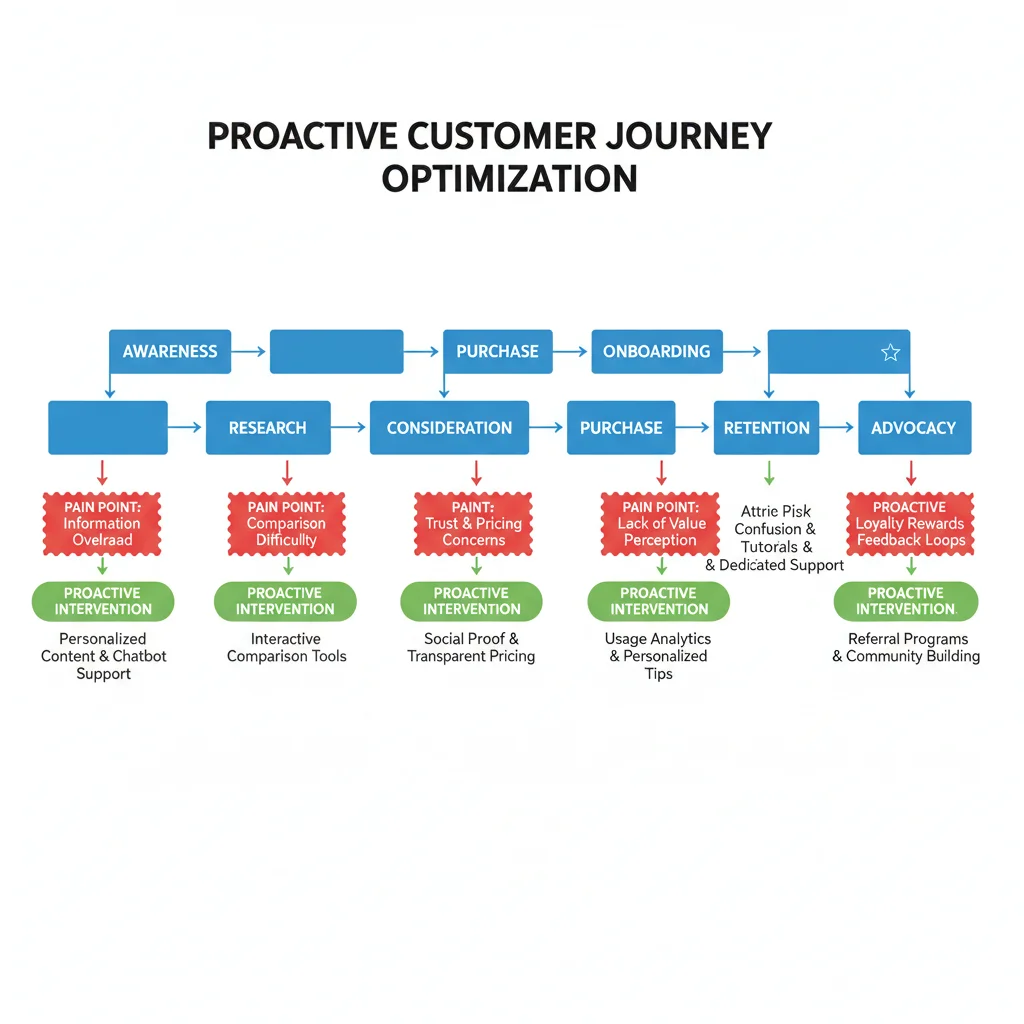
3. Predictive Analytics and Issue Prevention
Leveraging data to predict and prevent problems before they impact customers is the pinnacle of proactive customer service.
- Monitor Customer Behavior: Track usage patterns, common errors, or areas where customers drop off. If many users struggle with a specific feature, it might indicate a design flaw or a need for better in-app guidance.
- System Monitoring: For tech products, monitor system performance and identify potential outages or slowdowns before they become widespread.
- Customer Health Scores: Develop metrics to assess customer health and satisfaction. A declining health score could trigger a proactive outreach from your team.
- Personalized Recommendations: Based on usage data, recommend relevant features, articles, or services that can enhance their experience and prevent future issues.
4. Streamline Onboarding and Education
Many inquiries originate from new users who are still learning the ropes. A well-designed onboarding process is a powerful proactive customer service tool.
- Interactive Tutorials: Guide users step-by-step through initial setup and key functionalities.
- Contextual Help: Provide in-app tooltips, pop-ups, or help bubbles that explain features as the user encounters them.
- Personalized Onboarding Journeys: Tailor the onboarding experience based on user roles, goals, or initial survey responses.
- Webinars and Workshops: Offer live or recorded sessions to educate users on advanced features or common workflows.
5. Feedback Loops and Continuous Improvement
Proactive customer service isn’t a one-time setup; it’s an ongoing process of learning and refinement.
- Collect and Analyze Feedback: Actively solicit feedback from customers through surveys, reviews, and direct interactions. Pay close attention to themes and recurring issues.
- Agent Feedback: Your support agents are on the front lines. They have invaluable insights into common customer pain points. Empower them to provide feedback and suggest proactive solutions.
- Root Cause Analysis: When an inquiry does come in, don’t just solve it; investigate its root cause. Could this issue have been prevented? How?
- Iterate and Optimize: Regularly review your proactive strategies, measure their impact on inquiry volume, and make adjustments as needed.
Tools and Technologies to Support Proactive Customer Service
Implementing effective proactive customer service often relies on the right technological infrastructure.
- CRM (Customer Relationship Management) Systems: A robust CRM is essential for tracking customer interactions, preferences, and history, enabling personalized proactive outreach.
- Help Desk Software with Knowledge Base Functionality: Solutions like Zendesk, Freshdesk, or Salesforce Service Cloud offer integrated knowledge base, ticketing, and reporting features.
- AI-Powered Chatbots and Virtual Assistants: Tools like Intercom, Drift, or custom-built solutions can handle routine inquiries and guide customers to self-service resources.
- Marketing Automation Platforms: For sending targeted, proactive communications (emails, SMS) based on customer segments or behavior.
- Analytics and Business Intelligence Tools: To gather, analyze, and visualize data on inquiry trends, customer behavior, and system performance.
- Monitoring Tools: For website performance, application health, and network status to detect issues before customers do.
Measuring Success: Tracking Your 18% Reduction
Consistent monitoring and measurement are critical to ensure you’re on track to hit your 18% reduction target. Here’s how to approach it:
Monthly Review Cycle
Establish a monthly review cycle to assess progress. Compare current inquiry volumes against your baseline and track the performance of individual proactive initiatives. Are certain strategies yielding better results than others? Are there new patterns emerging?
Deep Dive into Specific Inquiry Categories
If overall inquiry volume isn’t decreasing as expected, conduct a deeper dive into the categories that are still generating high volumes. This will help you pinpoint areas where your proactive efforts might be falling short or where new issues are emerging.
A/B Testing Proactive Communications
Experiment with different types of proactive messages, timing, and channels. A/B test subject lines, content, and calls to action to optimize engagement and effectiveness in reducing inquiries.
Correlation with Customer Satisfaction
Monitor how your proactive customer service efforts correlate with changes in customer satisfaction scores. Ideally, as inquiries decrease due to proactive measures, CSAT and NPS should improve, indicating that customers are having a smoother, more positive experience.
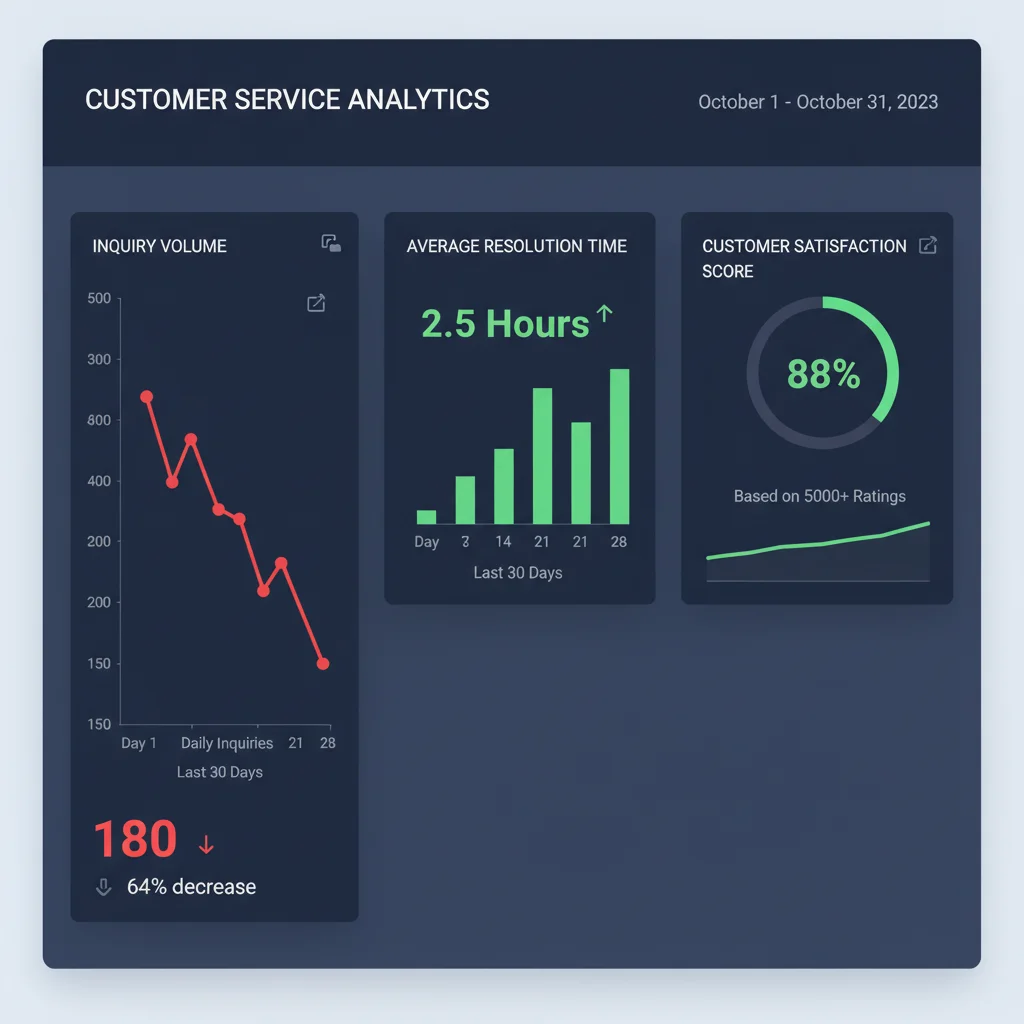
Overcoming Challenges in Proactive Implementation
While the benefits are clear, implementing proactive customer service isn’t without its challenges. Anticipating these can help you navigate them more effectively.
Data Silos and Integration Issues
Many organizations struggle with fragmented data across different systems. To be truly proactive, you need a unified view of the customer. Invest in integrating your CRM, help desk, marketing automation, and analytics platforms.
Resistance to Change
Employees, especially those accustomed to reactive support, might resist the shift. Emphasize the benefits for them – fewer repetitive queries, more time for complex and rewarding work, and higher job satisfaction. Provide adequate training and communicate the vision clearly.
Over-Communication vs. Under-Communication
Finding the right balance in proactive communication is key. Too much communication can annoy customers, while too little defeats the purpose. Segment your audience and personalize messages to ensure relevancy.
Initial Investment in Technology and Training
There will be an initial investment in new tools, training, and potentially new roles (e.g., data analysts focused on customer insights). Frame this as an investment in long-term efficiency and customer loyalty, with a clear ROI.
Case Study Snippets (Illustrative)
Consider a hypothetical e-commerce company that implemented proactive shipping notifications. Before, 15% of their inbound inquiries were "Where is my order?" After implementing real-time tracking and automated alerts for delays, this category of inquiry dropped by 70%, contributing significantly to an overall 10% reduction in total inquiries in the first three months. This demonstrates the power of targeted proactive customer service.
Another example could be a SaaS company that noticed a high volume of support tickets related to an advanced feature. By creating a series of in-app tutorials and a dedicated video guide, they saw a 40% reduction in inquiries about that specific feature, freeing up their technical support team to focus on more critical issues.
The Future of Customer Service is Proactive
The landscape of customer expectations is constantly evolving. Customers expect seamless, intuitive experiences and appreciate brands that anticipate their needs. Embracing proactive customer service is not just about reducing inquiry volume; it’s about building stronger relationships, fostering loyalty, and driving sustainable business growth.
The target of decreasing inbound inquiries by 18% in the next six months is ambitious, but entirely achievable with a well-planned, data-driven, and customer-centric approach. Start by understanding your current state, investing in the right tools, empowering your team, and continuously refining your strategies. The journey to exceptional customer experience is an ongoing one, and proactive support is your compass.
Ready to Transform Your Customer Experience?
Begin by auditing your current inquiry data and identifying the top three reasons customers contact you. These are your prime targets for proactive intervention. Develop a tangible plan for each, whether it’s enhancing your knowledge base, implementing automated notifications, or streamlining your onboarding process. Remember, every prevented inquiry is a step towards a more efficient operation and a more satisfied customer.
The time to shift from reactive firefighting to proactive problem prevention is now. Your customers, your team, and your bottom line will thank you for it. Embrace the power of proactive customer service and watch your business thrive.