Real-Time Sales Performance Tracking: 6 Digital Tools for US Sales Managers in 2026

In the dynamic landscape of 2026, where market shifts are instantaneous and customer expectations are higher than ever, the ability for US sales managers to track sales performance in real-time is not merely an advantage – it’s an absolute necessity. The days of relying on weekly or monthly reports to gauge team effectiveness are long gone. Today, instant insights are the bedrock of agile decision-making, enabling sales leaders to identify trends, address bottlenecks, and capitalize on opportunities before they dissipate. This comprehensive guide delves into the criticality of real-time sales tools and spotlights six cutting-edge digital solutions poised to redefine sales management for US professionals in the coming year.
The Imperative of Real-Time Sales Performance Tracking in 2026
The global business environment continues its relentless evolution, and sales operations are at the forefront of this transformation. For US sales managers, the pressure to hit targets, optimize resource allocation, and foster a high-performing sales culture is immense. Traditional reporting methods, often delayed by manual data compilation and analysis, simply cannot keep pace with the velocity of modern sales cycles. This is where real-time sales tools step in, offering an unparalleled view into the sales ecosystem as it unfolds.
Why Real-Time Data is a Game Changer for US Sales Managers
- Instant Course Correction: Imagine a sudden dip in conversion rates for a specific product line or a spike in lead generation from a new marketing campaign. With real-time data, managers can spot these shifts immediately and implement corrective actions or double down on successful strategies, rather than waiting until the opportunity or problem has escalated.
- Enhanced Coaching and Development: By observing individual salesperson performance in real-time, managers can identify areas for improvement or recognize successes as they happen. This allows for timely, targeted coaching that is far more impactful than retrospective feedback.
- Accurate Forecasting: The accuracy of sales forecasts significantly improves when based on the most current data. Real-time insights into pipeline health, deal progression, and historical trends lead to more reliable predictions, vital for resource planning and business strategy.
- Optimized Resource Allocation: Understanding which territories, products, or sales activities are yielding the best results in real-time allows managers to dynamically reallocate resources to maximize ROI.
- Competitive Advantage: In a fiercely competitive market, the ability to react faster than competitors can be the differentiating factor. Real-time sales tools provide the agility needed to stay ahead.
- Improved Sales Team Morale: Transparent, up-to-the-minute performance tracking can motivate sales teams, providing clear objectives and immediate recognition for achievements.
The year 2026 demands a proactive, data-driven approach, and the following digital tools are designed to equip US sales managers with precisely that.
Key Features to Look for in Real-Time Sales Tools
Before diving into specific platforms, it’s crucial to understand the foundational capabilities that define effective real-time sales tools. When evaluating options, US sales managers should prioritize solutions that offer:
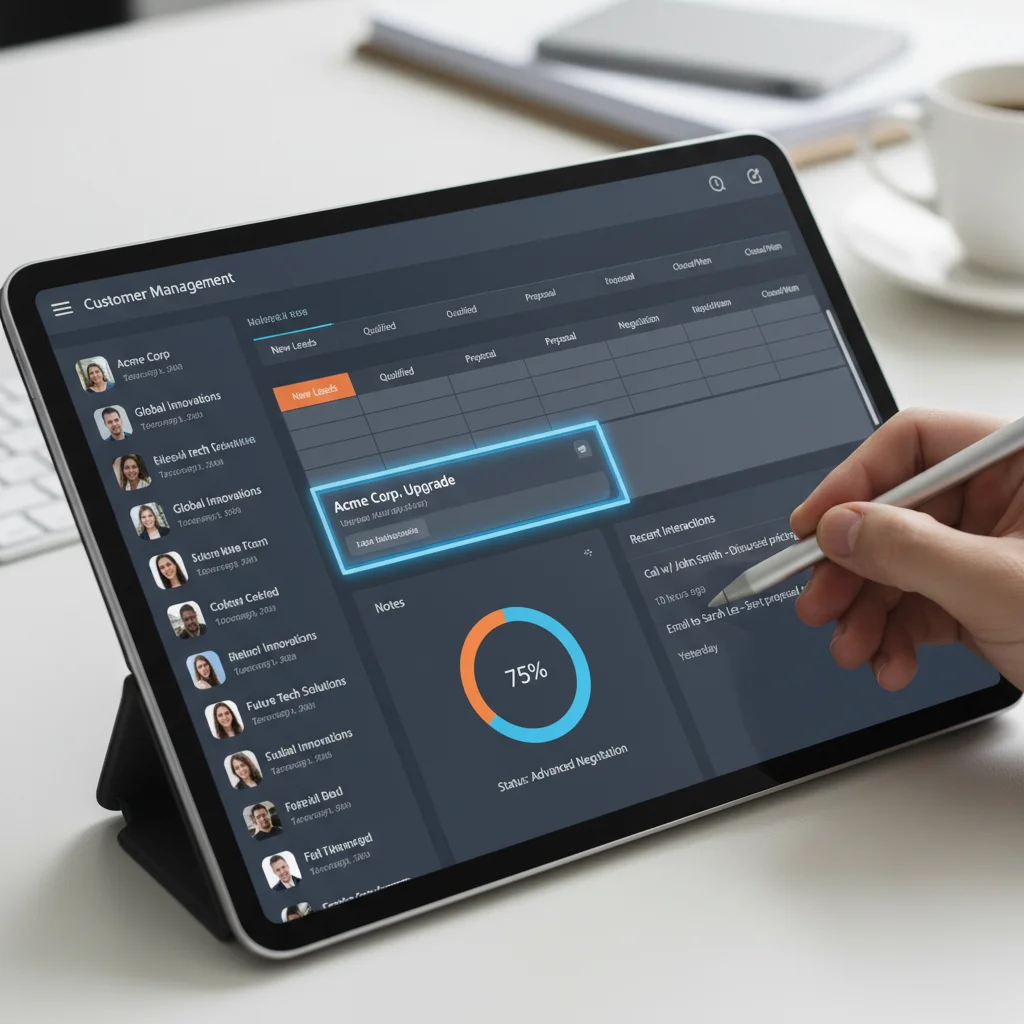
- Comprehensive Dashboards: Customizable dashboards that provide a holistic view of key performance indicators (KPIs) at a glance, including sales volume, pipeline value, conversion rates, activity metrics, and individual performance.
- Granular Reporting: The ability to drill down into specific data points, such as individual sales rep performance, specific product sales, regional contributions, and lead source effectiveness.
- Predictive Analytics: Leveraging AI and machine learning to forecast future sales trends, identify at-risk deals, and suggest optimal next steps for sales reps.
- Mobile Accessibility: Seamless access to real-time data and functionalities from any device, empowering managers and reps on the go.
- Integration Capabilities: The ability to integrate with existing CRM systems, marketing automation platforms, ERP software, and other business intelligence tools to create a unified data ecosystem.
- Alerts and Notifications: Automated alerts for significant changes in performance, potential issues, or achieved milestones, ensuring managers are always informed.
- User-Friendly Interface: Intuitive design that minimizes the learning curve and encourages adoption across the sales team.
- Security and Compliance: Robust data security measures and compliance with relevant regulations (e.g., GDPR, CCPA) are paramount.
Top 6 Digital Tools for Real-Time Sales Performance Tracking in 2026
1. Salesforce Sales Cloud with Einstein Analytics
Salesforce remains the undisputed leader in CRM, and its Sales Cloud, enhanced by Einstein Analytics (now part of Tableau CRM), offers unparalleled real-time sales tools. For US sales managers, this platform provides a 360-degree view of the customer journey, from lead inception to post-sale support. Einstein Analytics takes raw CRM data and transforms it into actionable insights, often predicting outcomes and recommending next best actions.
- Real-Time Capabilities: Live dashboards, dynamic reports, and immediate updates on deal progress, win rates, and activity metrics. Sales managers can see current pipeline health, individual rep performance, and forecast accuracy as changes occur.
- AI-Powered Insights: Einstein AI analyzes vast amounts of sales data to identify trends, predict potential roadblocks, and suggest personalized coaching opportunities for reps. It can pinpoint which deals are most likely to close and which require immediate attention.
- Customization and Scalability: Highly customizable to fit specific sales processes and scalable for businesses of all sizes, from small teams to large enterprises.
- Integration Ecosystem: Salesforce’s extensive AppExchange ensures seamless integration with virtually any other business application, creating a truly unified sales tech stack.
- Forecasting Accuracy: With AI-driven predictive forecasting, managers gain a more accurate understanding of future revenue, enabling better resource allocation and strategic planning.
2. HubSpot Sales Hub
HubSpot has cemented its position as a comprehensive platform for inbound marketing, sales, and customer service. Its Sales Hub is a powerful suite of real-time sales tools designed to streamline the sales process, improve efficiency, and provide managers with instant visibility into team performance. It’s particularly favored by SMBs and mid-market companies in the US looking for an all-in-one solution.
- Live Reporting Dashboards: Offers intuitive dashboards that update in real-time, displaying key metrics like sales activity, deal progress, revenue forecasting, and individual rep performance.
- Sales Automation: Automates many repetitive tasks, freeing up sales reps to focus on selling. This includes automated email sequences, meeting scheduling, and task management, all trackable in real-time.
- CRM Integration: Built on HubSpot’s free CRM, ensuring seamless data flow between sales, marketing, and service teams, providing a unified customer view.
- Call and Email Tracking: Monitors sales communications in real-time, providing insights into engagement levels, open rates, and call outcomes, helping managers identify effective communication strategies.
- Plays and Coaching Tools: Provides managers with tools to create standardized sales plays and offers real-time insights into rep adherence and effectiveness, facilitating targeted coaching.
3. Gong.io (Revenue Intelligence Platform)
Gong.io has revolutionized how sales teams understand their customer interactions, making it an indispensable tool for real-time sales performance tracking, especially for US sales managers focused on coaching and deal execution. It’s a revenue intelligence platform that captures, transcribes, and analyzes customer-facing interactions (calls, emails, web conferences).
- Conversation Intelligence: Records and analyzes every customer interaction in real-time, identifying key topics, sentiment, talk-to-listen ratios, and adherence to sales scripts.
- Deal and Pipeline Visibility: Provides real-time insights into deal health, identifying risks and opportunities based on actual conversations. Managers can see which deals are progressing, stalling, or at risk of being lost.
- Automated Coaching: Pinpoints specific moments in conversations where reps excelled or struggled, offering actionable feedback for managers to use in coaching sessions.
- Market Intelligence: Aggregates insights from customer conversations to identify market trends, competitive intelligence, and product feedback, informing broader sales and product strategies.
- Forecasting Accuracy: Improves forecast accuracy by providing a data-driven understanding of deal reality, reducing reliance on subjective rep updates.
4. Outreach.io (Sales Engagement Platform)
Outreach.io is a leading sales engagement platform that helps US sales teams execute and optimize their outreach strategies. While not a traditional CRM, its robust analytics and automation capabilities make it a critical component for real-time sales performance tracking, particularly concerning activity metrics and engagement effectiveness.
- Activity Tracking: Provides real-time visibility into all sales activities – emails sent, calls made, meetings booked, and responses received – allowing managers to monitor rep productivity and engagement levels.
- Sequence Performance: Offers detailed analytics on the effectiveness of sales sequences (multi-touch campaigns), showing open rates, reply rates, and conversion rates for each step and overall sequence.
- A/B Testing: Enables real-time A/B testing of email subject lines, body copy, and call scripts to identify what resonates best with prospects, allowing for immediate optimization.
- Integrations: Integrates seamlessly with major CRMs like Salesforce and HubSpot, ensuring that all engagement data flows back into the central customer record.
- Forecasting Contribution: While not a primary forecasting tool, its real-time activity and engagement data significantly contribute to more accurate pipeline health assessments.
5. Clari (Revenue Operations Platform)
Clari stands out as a dedicated Revenue Operations platform designed to provide a unified view of all revenue-generating activities. For US sales managers, it offers unparalleled real-time insights into pipeline inspection, forecasting, and deal execution, moving beyond traditional CRM limitations.
- AI-Powered Forecasting: Uses AI to analyze CRM data, email, calendar, and activity data to deliver highly accurate, real-time sales forecasts, often surpassing manual predictions.
- Pipeline Inspection: Provides a real-time, granular view of the entire sales pipeline, highlighting deal health, identifying at-risk opportunities, and suggesting actions to accelerate deals.
- Deal Management: Offers insights into individual deal progression, stakeholder engagement, and potential blockers, enabling managers to coach reps effectively on specific deals.
- Revenue Operations Analytics: Connects all revenue-critical data points, providing a holistic view of revenue generation, from marketing lead to closed-won deal, in real-time.
- Executive Visibility: Delivers clear, concise, and accurate real-time revenue insights for leadership, supporting strategic decision-making.
6. Zoho CRM
Zoho CRM offers a comprehensive and cost-effective solution for businesses seeking robust real-time sales tools. It’s particularly popular among SMBs and growing enterprises in the US due to its extensive features, ease of use, and competitive pricing. Zoho CRM provides a complete suite of functionalities from lead management to sales automation and analytics.
- Real-Time Dashboards and Reports: Customizable dashboards give sales managers an immediate overview of sales performance, including lead conversion rates, deal stages, revenue targets, and individual team member contributions.
- Sales Force Automation: Automates routine tasks like lead assignment, workflow rules, and follow-up reminders, ensuring that sales processes are efficient and data is updated in real-time.
- Gamification: Incorporates gamification features that allow managers to set up contests and track team performance in real-time, fostering a competitive and motivating environment.
- AI Assistant (Zia): Zoho’s AI-powered assistant, Zia, offers predictive analytics, recommends optimal times to contact leads, and provides real-time insights into deal health, enhancing decision-making.
- Omnichannel Communication: Integrates email, telephone, live chat, and social media, allowing managers to track all customer interactions in real-time and ensure consistent messaging.
- Mobile CRM: Provides a powerful mobile application for sales reps and managers to access and update data on the go, ensuring that real-time information is always available.
Implementing Real-Time Sales Tools: Best Practices for US Sales Managers
Adopting real-time sales tools is more than just purchasing software; it’s about integrating a new philosophy into your sales operations. To maximize the benefits, US sales managers should consider the following best practices:
1. Define Clear KPIs and Metrics
Before implementing any tool, clearly define what sales performance metrics are most critical to your organization. This includes not only lagging indicators (e.g., closed deals, revenue) but also leading indicators (e.g., number of calls, meetings booked, pipeline coverage). Knowing what to track will help you configure your real-time sales tools effectively and focus on the data that truly matters.
2. Ensure Data Accuracy and Hygiene
The reliability of real-time insights is directly proportional to the quality of the data entered into the system. Establish clear data entry protocols, conduct regular data audits, and leverage automation features to minimize manual input errors. Garbage in, garbage out applies rigorously to real-time analytics.
3. Foster a Culture of Data-Driven Decision-Making
Encourage your sales team to embrace the new tools and understand how real-time data benefits them individually and collectively. Train them not just on how to use the software, but on how to interpret the insights and adjust their strategies accordingly. Position the tools as enablers for success, not just monitoring devices.
4. Integrate with Existing Systems
For a truly unified view, ensure your chosen real-time sales tools integrate seamlessly with your existing CRM, marketing automation, customer service, and ERP systems. This eliminates data silos and provides a holistic understanding of the customer journey and sales performance.
5. Provide Ongoing Training and Support
Technology evolves rapidly, and so do sales processes. Offer continuous training to your sales team to ensure they are proficient with all features of the real-time tools. Provide accessible support channels to address any technical issues or usage questions promptly.
6. Start Small, Scale Smart
If you’re new to comprehensive real-time tracking, consider a phased implementation. Start with a pilot team or focus on a few critical metrics, gather feedback, and then gradually expand the scope. This approach allows for adjustments and ensures smoother adoption.
7. Leverage AI and Automation
Many modern real-time sales tools come with built-in AI capabilities. Actively utilize these features for predictive analytics, automated reporting, and intelligent recommendations. Automation can significantly reduce administrative burden and allow managers to focus on strategic coaching and decision-making.

The Future of Sales Management: Always On, Always Informed
As we navigate through 2026 and beyond, the expectation for sales managers to operate with precision and foresight will only intensify. The ability to access and interpret real-time sales performance data is no longer a luxury but a fundamental requirement for success. The tools highlighted in this article – Salesforce Sales Cloud, HubSpot Sales Hub, Gong.io, Outreach.io, Clari, and Zoho CRM – represent the vanguard of this technological evolution, each offering unique strengths to empower US sales managers.
Investing in the right real-time sales tools is an investment in the future of your sales organization. It enables proactive problem-solving, fosters a culture of continuous improvement, and ultimately drives sustainable revenue growth. By embracing these digital solutions, US sales managers can transform their teams from reactive responders to strategic market leaders, equipped with the instant insights needed to thrive in any economic climate.
The journey towards optimal sales performance is ongoing, but with these advanced tools, the path becomes clearer, the decisions smarter, and the results more impactful. Choose wisely, implement strategically, and watch your sales team achieve unprecedented levels of success in 2026 and the years to come.