Mastering Customer Loyalty: Insider Strategies to Reduce Churn by 10% This Quarter
In today’s hyper-competitive market, customer churn is a silent killer of business growth. Every lost customer represents not just a missed revenue opportunity but also a significant investment in acquisition gone awry. For businesses striving for sustained success, reducing customer churn isn’t just a goal; it’s an imperative. This article is your insider’s guide to achieving a tangible 10% reduction in customer churn this quarter by harnessing the power of personalized digital experiences and proactive engagement strategies.
The digital landscape has fundamentally reshaped customer expectations. Generic, one-size-fits-all approaches no longer suffice. Customers expect brands to understand their individual needs, anticipate their preferences, and deliver seamless, relevant interactions across every touchpoint. Failing to meet these expectations is a direct path to dissatisfaction and, ultimately, churn. By strategically implementing personalized digital experiences, businesses can forge deeper connections, enhance customer satisfaction, and build unwavering loyalty.
Understanding the Root Causes of Customer Churn
Before we can effectively reduce customer churn, we must first understand why customers leave. Churn isn’t always about price; often, it’s a symptom of deeper issues related to product fit, customer service, or a lack of perceived value. Common reasons include:
- Poor Onboarding Experience: If customers struggle to understand or use your product/service from the outset, they’re likely to abandon it quickly.
- Lack of Perceived Value: Customers need to constantly see the benefit they gain from your offering. If this isn’t clear, or if competitors offer similar value at a lower cost or with a better experience, they’ll leave.
- Subpar Customer Service: Unresolved issues, slow responses, or unhelpful support staff can quickly erode trust and satisfaction.
- Lack of Engagement: If customers don’t feel connected to your brand or aren’t regularly interacting with your product/service, they’re more susceptible to churn.
- Product/Service Issues: Bugs, downtime, or features that don’t meet expectations can frustrate users.
- Competitive Offers: A strong competitor with a compelling alternative can always lure customers away, especially if your offering isn’t differentiated enough.
- Life Changes: Sometimes, churn is unavoidable, as customers’ needs or circumstances change. However, understanding these patterns can help in segmentation and targeting.
Identifying these root causes requires a robust data strategy, including analyzing customer feedback, usage patterns, and support interactions. This foundational understanding is crucial for developing targeted strategies to effectively reduce customer churn.
The Power of Personalized Digital Experiences in Churn Reduction
Personalization is no longer a luxury; it’s a fundamental expectation. A personalized digital experience makes customers feel understood, valued, and connected. It transforms a transactional relationship into a meaningful partnership. Here’s how it directly impacts your ability to reduce customer churn:
1. Tailored Onboarding Journeys
The first few interactions a customer has with your product or service are critical. A generic onboarding process can be overwhelming and lead to early churn. Instead, create tailored onboarding journeys based on customer segments, their stated goals, or their initial actions.
- Dynamic Welcome Flows: Use initial survey data or sign-up information to personalize welcome emails, in-app tutorials, and feature introductions. For example, if a user signs up for a project management tool and indicates they are part of a small team, guide them through team collaboration features first.
- Progress Tracking and Gamification: Show users their progress through the onboarding process and use small rewards or acknowledgments to encourage completion. This creates a sense of accomplishment and investment.
- Proactive Support: Monitor onboarding progress and offer proactive assistance via chat or email if a user seems stuck or inactive.
2. Content and Product Recommendations
Leverage data to provide relevant content and product recommendations. This keeps customers engaged and highlights the value they can derive from your offerings.
- Personalized Dashboards: For SaaS products, customize dashboards to display the most relevant metrics, tasks, or features based on user roles and past activity.
- Curated Content Feeds: For media or e-commerce platforms, recommend articles, products, or services that align with a user’s browsing history, purchase patterns, and stated preferences.
- Targeted Feature Announcements: Don’t blast all users with every new feature. Announce features that are specifically relevant to a user’s usage patterns or stated needs.
3. Personalized Communication and Support
Communication is key to maintaining a strong customer relationship. Personalization here means more than just using their first name.
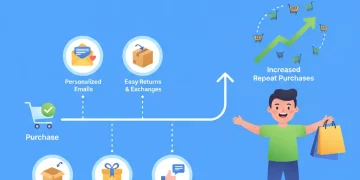
- Behavior-Triggered Emails: Send automated emails based on specific user actions or inactions. For example, a reminder email if a user abandons a cart, a ‘we miss you’ email after a period of inactivity, or a ‘how-to’ guide if they repeatedly use a certain feature.
- Segmented Messaging: Group customers based on their lifecycle stage, usage patterns, or demographics, and send them messages that resonate with their specific context.
- Personalized Support Channels: Offer support through channels customers prefer (e.g., in-app chat for tech-savvy users, phone support for complex issues). When they do reach out, ensure support agents have access to their history for a seamless, informed interaction.
Proactive Engagement Strategies to Reduce Customer Churn
Beyond personalization, proactive engagement is about anticipating customer needs and addressing potential issues before they escalate into churn. This requires a shift from reactive problem-solving to proactive value creation.
1. Early Warning Systems and Churn Prediction
Implement systems to identify at-risk customers before they disengage.
- Usage Analytics: Monitor key engagement metrics such as login frequency, feature adoption, time spent in-app, and completion rates of critical actions. A drop in these metrics can signal impending churn.
- Sentiment Analysis: Utilize AI tools to analyze customer feedback from surveys, social media, and support interactions to gauge sentiment and identify recurring pain points.
- Predictive Modeling: Employ machine learning algorithms to build churn prediction models based on historical data. These models can flag customers with a high probability of churning, allowing for targeted interventions.
2. Proactive Outreach and Value Reinforcement
Once at-risk customers are identified, initiate proactive outreach designed to re-engage and reinforce value.
- "We Miss You" Campaigns: For inactive users, send personalized emails or notifications highlighting new features, success stories, or exclusive offers to entice them back.
- Check-in Calls/Emails: For high-value customers, regular check-ins from an account manager can strengthen relationships and uncover potential issues.
- Educational Content: Proactively provide tutorials, webinars, or blog posts that help customers get more value from your product, especially if analytics show they aren’t fully utilizing key features.
- Highlighting ROI: Regularly communicate the return on investment (ROI) your product or service provides. This could be through personalized usage reports, case studies, or testimonials.
3. Feedback Loops and Continuous Improvement
A proactive approach means constantly listening to your customers and evolving your offerings.
- Regular Surveys: Implement Net Promoter Score (NPS), Customer Satisfaction (CSAT), and Customer Effort Score (CES) surveys at various touchpoints to gather feedback. Act on negative feedback swiftly.
- User Groups and Communities: Foster online communities where customers can interact, share tips, and provide feedback directly to your team. This builds a sense of belonging and allows for early identification of emerging issues.
- A/B Testing: Continuously test different aspects of your digital experience – from onboarding flows to feature layouts – to optimize for engagement and satisfaction.
Implementing a Data-Driven Approach to Reduce Customer Churn
Achieving a 10% reduction in customer churn requires more than just good intentions; it demands a robust, data-driven strategy. Data is the fuel that powers effective personalization and proactive engagement.
1. Centralized Customer Data Platform (CDP)
A CDP is crucial for unifying customer data from various sources (CRM, marketing automation, website analytics, support tickets, billing) into a single, comprehensive customer profile. This "single source of truth" enables truly personalized interactions and accurate churn prediction.
- 360-Degree Customer View: Empower your teams with a complete understanding of each customer’s history, preferences, and interactions.
- Improved Segmentation: Create highly granular customer segments based on behavior, demographics, and lifecycle stage.
- Real-time Personalization: Use real-time data to trigger personalized messages and experiences instantly.
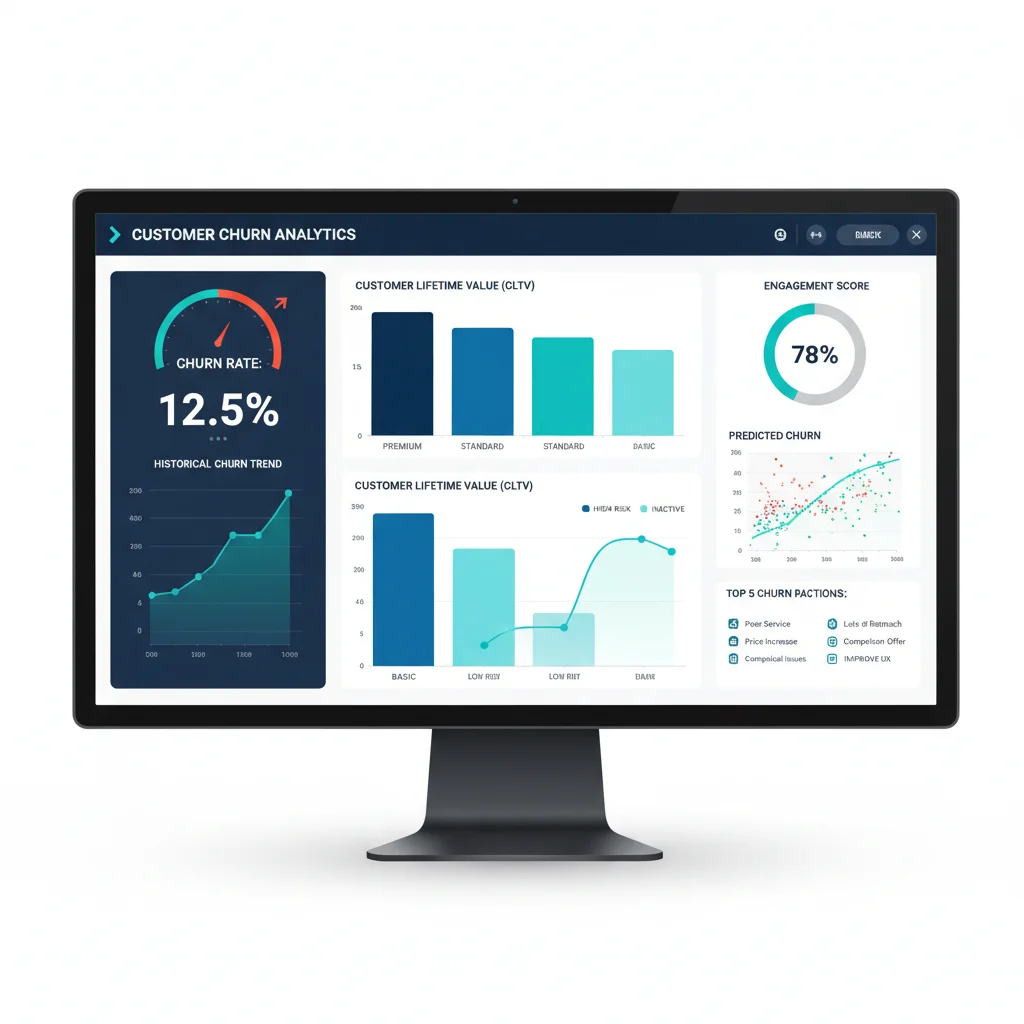
2. Key Metrics for Churn Reduction
Track the right metrics to measure your progress and identify areas for improvement:
- Customer Churn Rate: The percentage of customers who stopped using your service over a given period.
- Revenue Churn Rate: The percentage of recurring revenue lost from existing customers over a given period.
- Customer Lifetime Value (CLTV): The predicted total revenue a business can expect from a customer throughout their relationship. Reducing churn directly increases CLTV.
- Customer Engagement Score: A composite score based on various interaction metrics (e.g., login frequency, feature usage, content consumption).
- Net Promoter Score (NPS): Measures customer loyalty and willingness to recommend your product/service.
3. A/B Testing and Iteration
The journey to reduce customer churn is continuous. What works for one segment or at one time might not work for another. Embrace a culture of continuous testing and iteration.
- Test Personalization Elements: Experiment with different types of personalized content, recommendations, and communication channels.
- Optimize Onboarding Flows: A/B test different welcome sequences, tutorial formats, and success milestones.
- Refine Proactive Outreach: Test different messaging, timing, and offers for at-risk customers.
Building a Culture of Customer Centricity
Ultimately, achieving a significant reduction in customer churn – and sustaining it – requires a fundamental shift towards a customer-centric culture across your entire organization. Every department, from product development to marketing and sales, must understand their role in delivering exceptional customer experiences.
1. Aligning Teams Around Customer Success
Break down silos between departments. Customer success isn’t solely the responsibility of the customer success team; it’s a collective effort.
- Shared KPIs: Ensure that customer-centric metrics like churn rate, CLTV, and NPS are shared KPIs across relevant teams.
- Cross-Functional Collaboration: Encourage regular communication and collaboration between product, marketing, sales, and support teams to address customer pain points and opportunities.
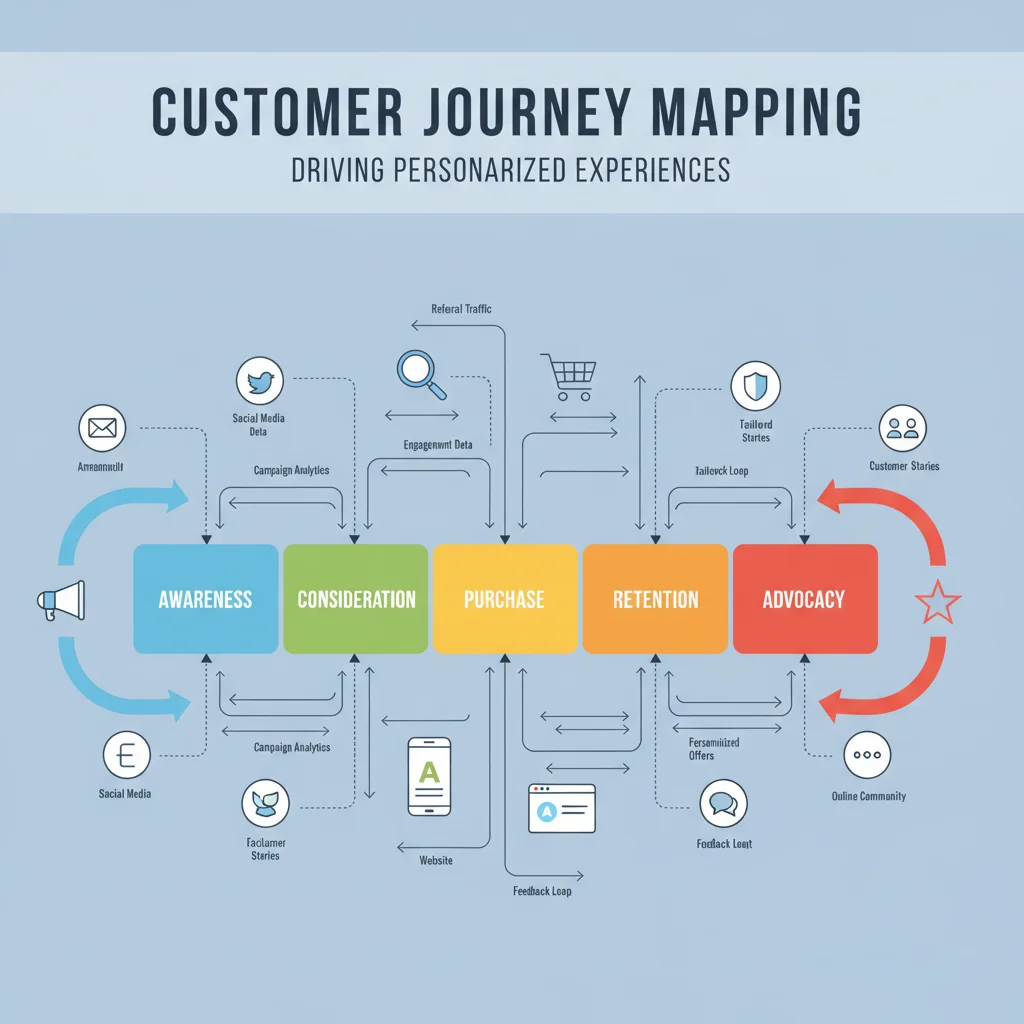
- Customer Journey Mapping Workshops: Conduct workshops where teams collaboratively map out the customer journey, identify friction points, and brainstorm solutions.
2. Empowering Frontline Employees
Your frontline employees – those directly interacting with customers – are your eyes and ears on the ground. Empower them to deliver exceptional service and gather valuable insights.
- Comprehensive Training: Provide extensive training on product knowledge, communication skills, and empathy.
- Autonomy to Resolve Issues: Give employees the authority and resources to resolve customer issues quickly and effectively, minimizing the need for escalations.
- Feedback Mechanisms: Establish clear channels for frontline staff to provide feedback on recurring customer issues, feature requests, and process improvements.
3. Leadership Buy-in and Investment
Customer churn reduction initiatives require resources and strategic investment. Leadership buy-in is paramount.
- Championing the Customer: Leaders must consistently champion the importance of the customer and demonstrate a commitment to customer success.
- Resource Allocation: Allocate sufficient budget and personnel to customer success tools, training, and data analytics platforms.
- Celebrating Success: Recognize and celebrate achievements in churn reduction and customer satisfaction to reinforce positive behaviors and motivate teams.
Case Studies and Success Stories
While specific company names can’t be mentioned without permission, the principles outlined above have been successfully applied across various industries:
- SaaS Company: Implemented personalized onboarding paths, leading to a 15% increase in feature adoption and a 7% decrease in early-stage churn within two quarters. They used AI-driven content recommendations to keep users engaged with relevant tutorials and advanced feature guides.
- E-commerce Retailer: Utilized predictive analytics to identify customers at risk of not renewing subscription boxes. Proactive personalized offers and exclusive content for these segments resulted in an 11% improvement in retention for this cohort. Their strategy involved analyzing browsing behavior, purchase history, and engagement with marketing emails.
- Fintech Startup: Enhanced their in-app support with a personalized chatbot that could access user account history and provide instant, relevant solutions. This reduced support ticket volume by 20% and improved customer satisfaction scores, contributing to a 9% reduction in churn. They also implemented behavior-triggered educational content about financial planning.
These examples underscore the tangible impact of combining personalized digital experiences with proactive engagement and a data-driven approach. The common thread is a deep understanding of the customer and a commitment to delivering value at every stage of their journey.
Overcoming Challenges in Churn Reduction Efforts
Implementing these strategies is not without its challenges. Data silos, resistance to change, and the sheer volume of customer data can be daunting. However, these obstacles are surmountable with a clear strategy and consistent effort.
- Data Integration: Start by identifying critical data sources and invest in tools (like CDPs) that can unify this information. Begin with a few key integrations and expand over time.
- Resource Constraints: Prioritize initiatives that promise the highest impact. Even small, targeted personalization efforts can yield significant results. Consider automation to scale efforts without proportionally increasing manual labor.
- Measuring ROI: Clearly define your churn reduction goals and the metrics you’ll use to track progress. Quantify the financial impact of every percentage point of churn reduction to secure ongoing investment.
- Maintaining Personalization at Scale: Leverage AI and machine learning to automate personalization efforts across millions of customer interactions. This allows for consistent and relevant experiences without overwhelming human teams.
Conclusion: Your Path to a 10% Churn Reduction
Reducing customer churn by 10% this quarter is an ambitious yet achievable goal. It requires a strategic blend of understanding your customers deeply, delivering highly personalized digital experiences, and engaging proactively to anticipate and address their needs. By investing in a robust data infrastructure, fostering a customer-centric culture, and continuously optimizing your strategies, you can transform your customer relationships from transactional to truly loyal.
The financial impact of reducing churn is profound – increased customer lifetime value, higher profitability, and a stronger brand reputation. Start today by analyzing your current churn drivers, identifying opportunities for personalization, and implementing proactive engagement tactics. The journey to unwavering customer loyalty begins with a single, data-driven step. Embrace these insider strategies, and watch your business thrive.