Sales Enablement for Remote Teams in 2026: Overcoming 3 Key Challenges

Sales Enablement for Remote Teams in 2026: Overcoming 3 Key Challenges (Practical Solutions)
The global shift to remote work has irrevocably transformed the sales landscape. As we look towards 2026, the challenges and opportunities for remote sales enablement are becoming clearer, demanding a proactive and strategic approach from organizations worldwide. Gone are the days when sales enablement was a ‘nice-to-have’; in today’s distributed world, it’s the bedrock of sustained success. Businesses that fail to adapt their sales enablement strategies to the unique demands of remote teams risk falling behind faster than ever before. This comprehensive guide will delve into the three most significant challenges facing remote sales enablement in 2026 and provide actionable, practical solutions to not only overcome them but to thrive.
Sales enablement, at its core, is about providing sales professionals with the resources, tools, content, and training they need to sell more effectively. When your sales force is geographically dispersed, this mission becomes significantly more complex. The informal interactions, spontaneous knowledge sharing, and direct oversight present in traditional office environments are largely absent. This necessitates a deliberate and technology-driven approach to ensure every remote salesperson feels connected, supported, and empowered to achieve their targets. The future of sales is decidedly remote, and mastering remote sales enablement is paramount for competitive advantage.
Understanding the evolving nature of the sales role itself is crucial. Salespeople are no longer just product pushers; they are trusted advisors, problem solvers, and relationship builders. In a remote setting, where face-to-face interactions are rare, the ability to build rapport, convey value, and close deals hinges heavily on the quality of their enablement. This includes everything from access to up-to-date market intelligence and compelling sales collateral to personalized coaching and advanced virtual selling techniques. Organizations that invest wisely in their remote sales enablement infrastructure will see a direct correlation with increased productivity, higher conversion rates, and improved customer satisfaction.
Challenge 1: Bridging the Communication and Collaboration Gap in Remote Sales Enablement
One of the most persistent hurdles in remote sales enablement is maintaining seamless communication and fostering a collaborative environment. In an office, a quick huddle or a casual chat by the coffee machine can resolve issues, share insights, and build camaraderie. For remote teams, these organic interactions are replaced by scheduled virtual meetings, instant messages, and emails, which can often feel disjointed and less effective. The lack of non-verbal cues and the potential for misinterpretation can lead to misunderstandings, reduced team cohesion, and ultimately, a dip in sales performance.
The communication gap isn’t just about internal team interactions; it also extends to how sales teams interact with marketing, product development, and customer success. In a remote setup, it’s easier for departments to operate in silos, leading to inconsistencies in messaging, outdated content, and missed opportunities for cross-functional collaboration. This directly impacts a salesperson’s ability to present a unified and compelling front to prospects and customers, hindering their remote sales enablement efforts.
Practical Solutions for Enhanced Communication and Collaboration:
1. Implement a Centralized Communication and Collaboration Hub:
Invest in robust platforms that go beyond basic video conferencing. Think integrated suites that offer persistent chat channels, document sharing, project management tools, and virtual whiteboards. Platforms like Slack, Microsoft Teams, or dedicated sales collaboration tools can create a ‘virtual office’ where information flows freely and synchronously. This hub should be the single source of truth for all sales-related communications, ensuring everyone is on the same page.
- Actionable Step: Designate specific channels for different topics (e.g., #product-updates, #competitor-intel, #deal-wins) to keep discussions organized and searchable.
- Benefit: Reduces information overload, improves knowledge sharing, and makes it easier for new hires to get up to speed.
2. Establish Clear Communication Protocols and Cadences:
Structure is key in a remote environment. Define expectations around response times for internal communications, preferred communication channels for different types of queries, and the frequency of team meetings. Regular, scheduled check-ins (daily stand-ups, weekly team meetings) are crucial, but also encourage informal ‘virtual coffee breaks’ to foster personal connections.
- Actionable Step: Implement a ‘two-touch’ rule for urgent messages: send a message and then follow up with a quick call if no response within a set timeframe.
- Benefit: Ensures critical information is received and acted upon promptly, reducing bottlenecks and improving responsiveness.
3. Leverage Asynchronous Communication for Efficiency:
Not all communication needs to be real-time. Utilize tools for asynchronous updates, such as shared documents for meeting agendas and notes, recorded training sessions, and internal podcasts. This allows team members in different time zones to consume information at their convenience and contribute thoughtfully without the pressure of immediate responses.
- Actionable Step: Encourage the use of Loom or similar tools for quick video explanations of complex topics or personalized feedback, rather than lengthy emails.
- Benefit: Saves time, provides more context than text-based communication, and supports flexible work schedules.
4. Cross-Functional Alignment Platforms:
To break down departmental silos, integrate sales enablement platforms with tools used by marketing (e.g., content management systems), product (e.g., knowledge bases), and customer success (e.g., CRM feedback loops). This ensures that sales teams have access to the latest product features, marketing materials, and customer insights instantly.
- Actionable Step: Schedule regular ‘sync’ meetings between sales leadership and heads of other departments to discuss priorities, challenges, and shared goals.
- Benefit: Fosters a unified approach to the customer journey, leading to more consistent messaging and better customer experiences.
Challenge 2: Equipping Remote Sales Teams with the Right Technology and Tools
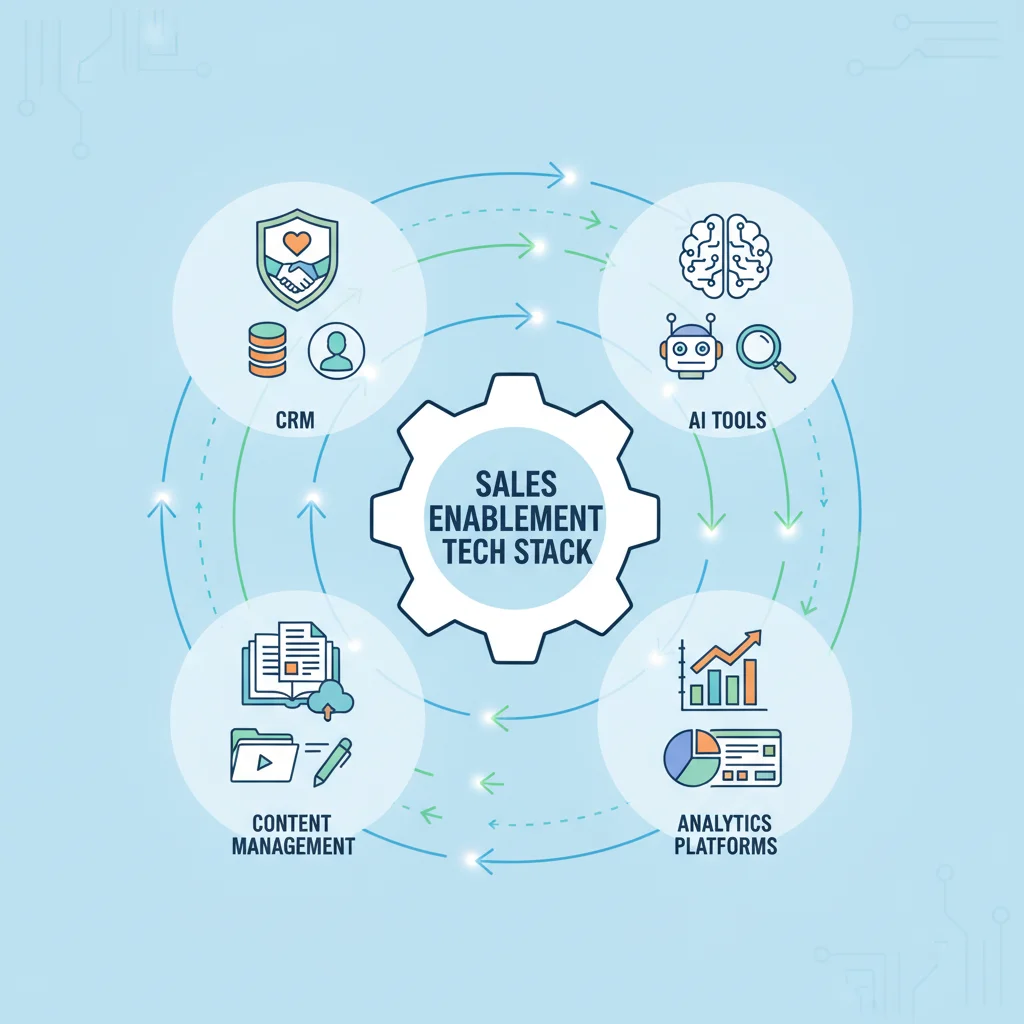
The second major challenge for remote sales enablement in 2026 revolves around providing and effectively integrating the right technology stack. In a remote setting, technology isn’t just a helper; it’s the primary conduit through which sales activities are conducted. From CRM systems and communication platforms to AI-powered sales intelligence and virtual selling tools, the sheer volume and complexity of available technologies can be overwhelming. The challenge lies not just in acquiring these tools, but in ensuring they are seamlessly integrated, user-friendly, and truly empower the sales team, rather than creating additional friction.
Many organizations struggle with a fragmented tech stack, where different tools don’t ‘talk’ to each other, leading to data silos, manual data entry, and inefficiencies. This directly undermines remote sales enablement by forcing salespeople to jump between multiple applications, wasting valuable selling time and increasing the likelihood of errors. Furthermore, without proper training and adoption strategies, even the most sophisticated tools can go underutilized, representing a significant investment with minimal return.
Practical Solutions for Optimizing Technology and Tools:
1. Develop a Cohesive Sales Enablement Tech Stack Strategy:
Before purchasing any new tool, conduct a thorough audit of your current tech stack. Identify redundancies, gaps, and integration possibilities. Aim for a unified platform approach where core sales enablement functions (CRM, content management, training, analytics) are either natively integrated or can communicate effectively via APIs. Prioritize tools that offer mobile accessibility, as many remote salespeople work on the go.
- Actionable Step: Create a visual map of your desired tech stack, outlining how each tool supports specific stages of the sales process and integrates with others.
- Benefit: Ensures a streamlined workflow, reduces data entry, and provides a holistic view of the sales pipeline.
2. Invest in AI-Powered Sales Enablement Tools:
Artificial Intelligence and Machine Learning are no longer futuristic concepts; they are essential for modern remote sales enablement. AI can automate repetitive tasks, provide personalized sales content recommendations, analyze sales calls for coaching opportunities, predict customer behavior, and even assist with lead scoring. These tools free up salespeople to focus on high-value activities like relationship building and strategic selling.
- Actionable Step: Explore AI-powered conversation intelligence tools that transcribe and analyze sales calls, identifying keywords, sentiment, and best practices.
- Benefit: Offers data-driven coaching insights, improves sales call effectiveness, and helps identify winning sales strategies.
3. Prioritize Virtual Selling Tools and Platforms:
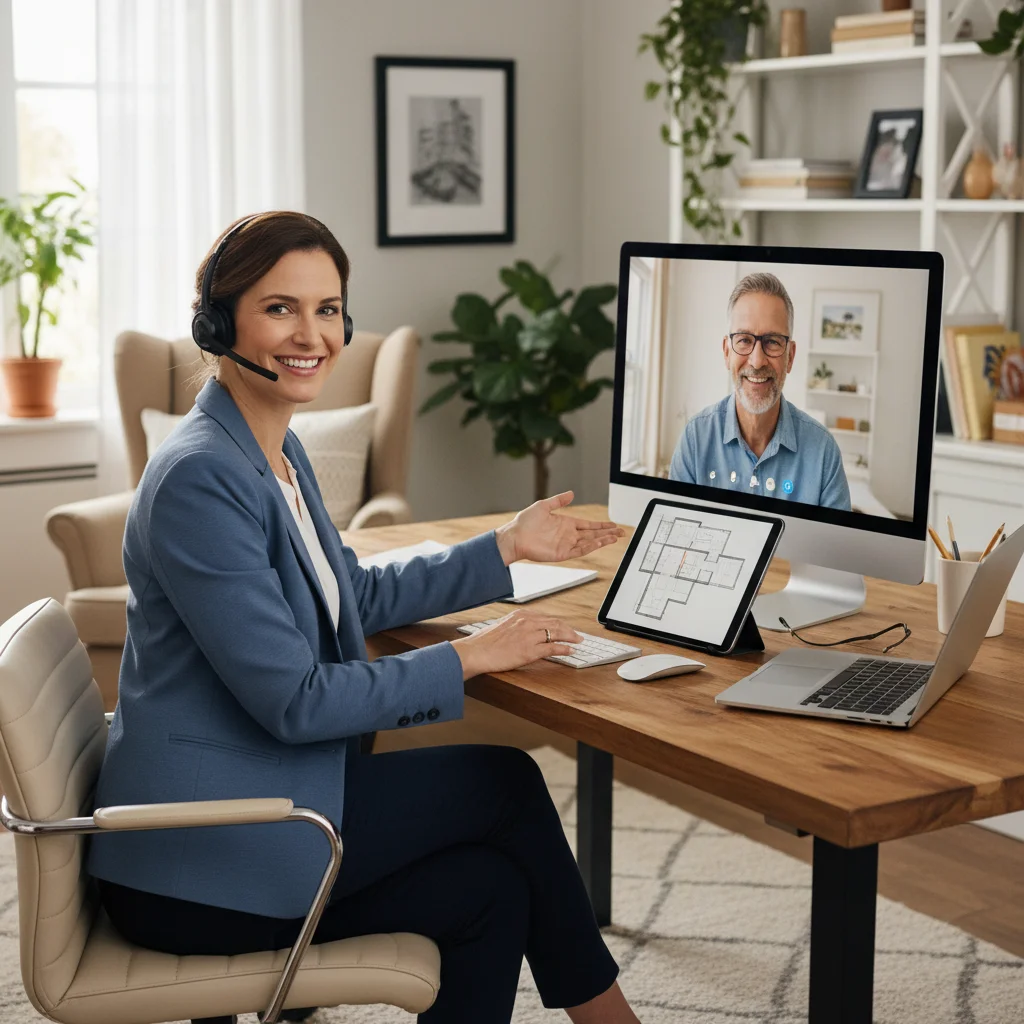
With remote selling becoming the norm, equipping your team with advanced virtual selling tools is critical. This includes high-quality video conferencing platforms with robust screen-sharing and interactive features, virtual presentation tools that allow for dynamic content delivery, and digital signature solutions for seamless contract closing. The goal is to replicate and even enhance the in-person selling experience digitally.
- Actionable Step: Provide all remote salespeople with professional-grade webcams, microphones, and lighting kits to ensure high-quality virtual interactions.
- Benefit: Enhances professionalism, builds trust with prospects, and improves the overall virtual sales experience.
4. Implement Robust Training and Adoption Programs:
Simply providing tools isn’t enough; your team needs to know how to use them effectively. Develop comprehensive training programs that cover not just the ‘how-to’ but also the ‘why’ behind each tool. Offer ongoing support, create internal champions, and encourage peer-to-peer learning. Track tool adoption rates and gather feedback to continuously refine your tech stack and training initiatives.
- Actionable Step: Create short, digestible video tutorials for each key feature of your sales tools, accessible on-demand within your sales enablement platform.
- Benefit: Increases user proficiency, maximizes ROI on technology investments, and reduces frustration among salespeople.
Challenge 3: Delivering Effective Training and Coaching in a Remote Environment
The third significant challenge for remote sales enablement is adapting traditional sales training and coaching methodologies to a distributed workforce. In-person training sessions allow for immediate feedback, role-playing, and hands-on demonstrations. Remote training, however, requires a different approach to maintain engagement, ensure knowledge retention, and facilitate skill development. The absence of direct observation makes it harder for managers to identify individual coaching needs, and the temptation to rely solely on self-paced online modules can lead to a less impactful learning experience.
Furthermore, onboarding new remote sales hires presents its own set of complexities. Without the ability to shadow experienced colleagues or participate in informal team discussions, new reps can feel isolated and struggle to quickly grasp company culture, product knowledge, and sales processes. This can extend their ramp-up time and negatively impact their early performance, posing a substantial challenge to effective remote sales enablement.
Practical Solutions for Remote Training and Coaching:
1. Embrace a Blended Learning Approach:
Move beyond purely self-paced online courses. Combine asynchronous learning modules (e.g., video lessons, quizzes, digital playbooks) with synchronous virtual workshops, live Q&A sessions, and interactive group exercises. This blended approach caters to different learning styles and keeps participants engaged.
- Actionable Step: Design virtual role-playing scenarios using breakout rooms in video conferencing tools, allowing reps to practice pitches and handle objections in a safe environment.
- Benefit: Enhances practical skill development, increases knowledge retention, and fosters peer learning.
2. Implement Personalized, Data-Driven Coaching:
Leverage sales enablement platforms with analytics capabilities to track individual salesperson performance, identify areas for improvement, and provide targeted coaching. Use call recording and conversation intelligence tools to review sales interactions, offering specific, actionable feedback rather than generic advice. Regular 1:1 virtual coaching sessions are non-negotiable.
- Actionable Step: Schedule weekly 30-minute coaching sessions with each salesperson, focusing on 1-2 specific areas for improvement identified through data analysis.
- Benefit: Tailors coaching to individual needs, accelerates skill development, and directly impacts performance.
3. Create Dynamic and Accessible Sales Playbooks:
A digital, interactive sales playbook is indispensable for remote sales enablement. This should be a living document, easily searchable and constantly updated, containing everything a salesperson needs: buyer personas, competitor analysis, product information, objection handling guides, email templates, and case studies. Integrate it with your CRM and content management system for easy access during sales calls.
- Actionable Step: Use a platform that allows for easy content updates and version control, ensuring all remote reps always have access to the most current information.
- Benefit: Provides consistent messaging, empowers reps with instant access to information, and reduces reliance on memory.
4. Foster a Culture of Continuous Learning and Peer Support:
Encourage a growth mindset within your remote sales team. Create opportunities for peer-to-peer learning through virtual mentorship programs, internal forums for sharing best practices, and ‘lunch and learn’ sessions. Celebrate successes publicly to motivate and inspire the team. Continuous learning is vital for keeping pace with evolving market conditions and product offerings.
- Actionable Step: Implement a ‘Sales Tip of the Week’ initiative where different team members share a successful strategy or tool they’ve found effective.
- Benefit: Builds a supportive team culture, promotes knowledge sharing, and keeps enablement fresh and relevant.
The Future of Remote Sales Enablement in 2026 and Beyond
As we navigate towards 2026, the landscape of remote sales enablement will continue to evolve at a rapid pace. The challenges we’ve outlined – communication gaps, technology integration, and effective training – are not static. They will demand continuous adaptation, innovation, and strategic investment. Organizations that view sales enablement as an ongoing journey, rather than a one-time project, will be best positioned for success.
The role of the sales enablement professional itself will become even more strategic. They will need to be adept at technology evaluation, instructional design, data analysis, and change management. Their ability to act as a bridge between sales, marketing, and product will be crucial in ensuring a cohesive and effective go-to-market strategy for remote teams.
Furthermore, the emphasis on personalization will intensify. Remote sales enablement will increasingly leverage AI to deliver hyper-personalized content, training, and coaching based on individual salesperson performance, customer segments, and deal stages. This level of customization will empower each salesperson to operate at their peak potential, regardless of their physical location.
Finally, fostering a strong company culture that prioritizes trust, autonomy, and continuous improvement will be the invisible glue holding successful remote sales teams together. Technology and processes are vital, but without a foundation of psychological safety and shared purpose, even the best enablement strategies will falter. Investing in team-building activities, recognizing achievements, and promoting work-life balance will be just as important as the latest CRM update.
Conclusion: Mastering Remote Sales Enablement for Future Success
The transition to remote work has permanently reshaped the sales profession. For businesses aiming for sustainable growth and competitive advantage in 2026, mastering remote sales enablement is not just an option, it’s an imperative. By proactively addressing the challenges of communication and collaboration, strategically deploying the right technology and tools, and delivering effective, personalized training and coaching, organizations can empower their remote sales teams to exceed expectations.
The solutions presented here are not one-size-fits-all, but rather a framework for building a robust and adaptable remote sales enablement strategy. The key is to embrace continuous improvement, listen to the needs of your sales force, and harness the power of technology to create an environment where every remote salesperson feels supported, connected, and equipped to succeed. The future of sales is remote, and the future of sales success belongs to those who enable it best.