Sales Gamification Tools 2026: Boost Rep Motivation by 22% in US Organizations

Sales Gamification Tools 2026: Boosting Rep Motivation by 22% in US Sales Organizations
In the dynamic and often challenging world of sales, maintaining high levels of motivation and engagement among sales representatives is paramount. As we look towards 2026, the landscape of sales strategies is evolving rapidly, with technology playing an increasingly pivotal role. One of the most impactful and innovative approaches gaining significant traction is the strategic implementation of sales gamification tools. These tools are not just a passing trend; they are becoming essential for US sales organizations aiming to significantly boost rep motivation, improve performance, and ultimately drive revenue growth.
Recent projections indicate that companies leveraging advanced sales gamification tools can expect to see an average increase of 22% in rep motivation by 2026. This isn’t just about adding a layer of fun to daily tasks; it’s about fundamentally reshaping how sales teams interact with their work, their goals, and each other. By incorporating game-like elements into non-game contexts, gamification taps into intrinsic human desires for achievement, recognition, competition, and collaboration. This comprehensive guide will delve into what’s new in sales gamification tools, explore their profound benefits, and provide insights into how US sales organizations can effectively integrate them to achieve remarkable results.
The Evolution of Sales Gamification: Beyond Basic Leaderboards
Early iterations of sales gamification often relied on simple leaderboards or basic point systems. While these had some success, modern sales gamification tools are far more sophisticated and nuanced. They are designed to create immersive, personalized, and highly engaging experiences that cater to diverse motivational drivers within a sales team. The evolution has been driven by advancements in data analytics, AI, and behavioral psychology, allowing for more intelligent and adaptive gamified solutions.
Personalized Challenges and Goal Setting
One of the most significant advancements in sales gamification tools for 2026 is the move towards highly personalized challenges. Instead of one-size-fits-all targets, these tools leverage AI to analyze individual sales rep performance, strengths, weaknesses, and even personality types. Based on this data, personalized goals and challenges are automatically generated. For example, a new rep might focus on mastering product knowledge through interactive quizzes, while a seasoned veteran might be challenged to mentor junior colleagues or close high-value accounts.
This personalization ensures that challenges are always relevant and achievable, preventing discouragement and fostering a continuous growth mindset. It transforms generic KPIs into exciting, tailored missions, making each sales rep feel uniquely valued and understood. The psychological impact of having a clear, personalized path to success, reinforced by immediate feedback and rewards, is immeasurable for sustained motivation.
Real-time Feedback and Progress Tracking
Gone are the days of weekly or monthly performance reviews being the sole source of feedback. Contemporary sales gamification tools provide real-time feedback that is crucial for immediate course correction and continuous improvement. As a rep makes calls, sends emails, or closes deals, their progress is instantly updated on their personal dashboard, showing them how close they are to earning badges, unlocking new levels, or achieving their daily targets.
This instant gratification and clear visibility into progress are powerful motivators. It allows reps to understand the direct impact of their efforts and adjust their strategies on the fly. Real-time data also empowers sales managers with immediate insights into team performance, enabling them to offer timely coaching and support, further enhancing the effectiveness of the gamified system.
Diverse Reward Systems and Recognition
While monetary incentives remain important, modern sales gamification tools emphasize a broader spectrum of rewards, recognizing that different people are motivated by different things. These systems include:
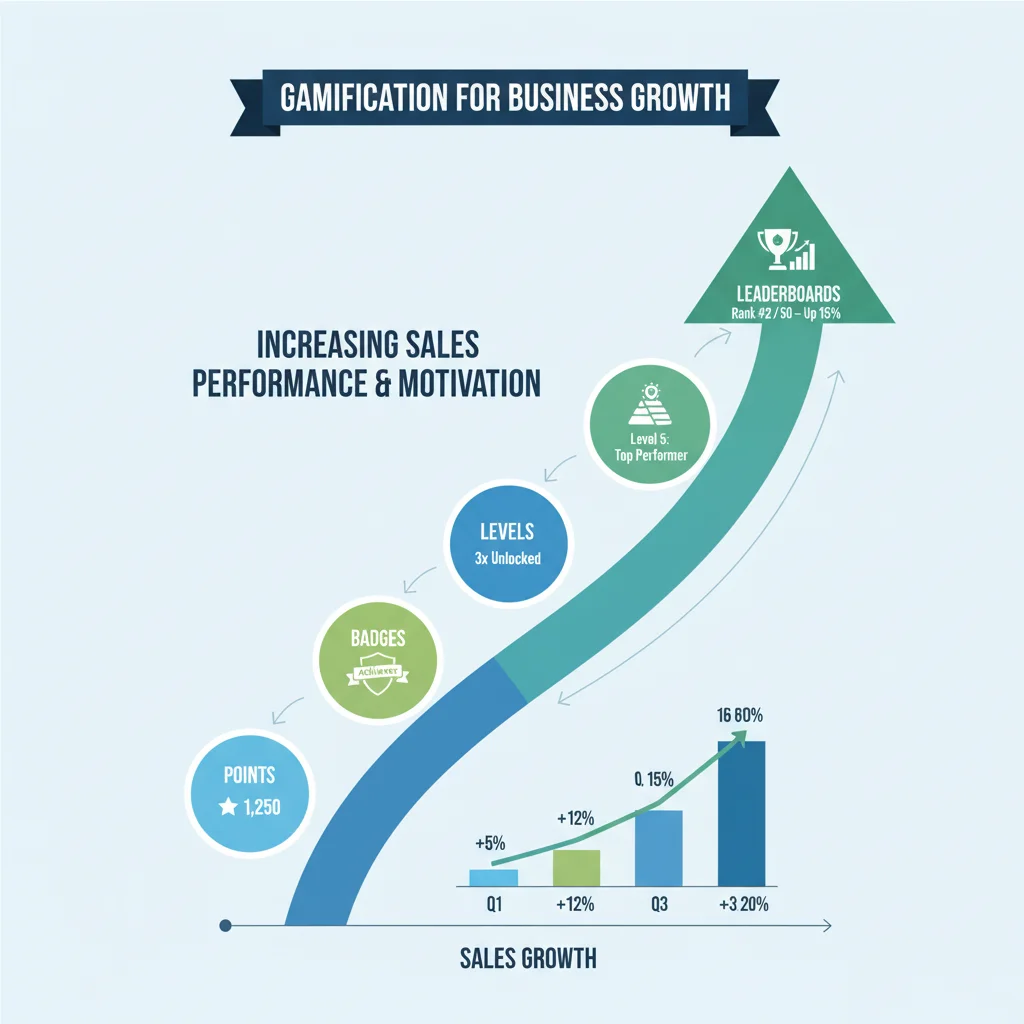
- Badges and Trophies: Digital accolades for specific achievements, often publicly displayed.
- Points and Levels: A clear progression system that signifies skill development and experience.
- Virtual Currency: Redeemable for real-world prizes, extra PTO, professional development courses, or even charitable donations.
- Social Recognition: Public shout-outs, features on company newsletters, or dedicated ‘hall of fame’ sections within the platform.
- Privileges and Status: Access to exclusive training, mentorship opportunities, or input on strategic decisions.
By offering a diverse array of rewards, these tools cater to various motivational profiles, ensuring that every rep finds something to strive for. The emphasis on recognition, particularly public recognition, plays a significant role in fostering a positive and competitive (yet collaborative) team culture.
Key Features of Leading Sales Gamification Tools in 2026
As we head into 2026, the market for sales gamification tools is robust, offering a wide array of features designed to maximize engagement and performance. Here are some of the standout capabilities:
AI-Powered Analytics and Predictive Insights
The integration of Artificial Intelligence (AI) is transforming sales gamification tools. AI algorithms analyze vast amounts of sales data to identify patterns, predict future performance, and suggest optimal gamified interventions. For instance, AI can predict which reps might be at risk of burnout and recommend specific, less intense challenges, or identify successful sales strategies to be gamified and shared across the team.
This predictive capability allows organizations to be proactive rather than reactive, addressing motivational dips before they become significant problems. AI can also personalize learning paths, recommending specific training modules based on a rep’s performance gaps identified through gamified tasks.
Seamless CRM Integration
Effective sales gamification tools are not standalone applications. They seamlessly integrate with existing Customer Relationship Management (CRM) systems (e.g., Salesforce, HubSpot). This integration ensures that all sales activities – calls logged, emails sent, meetings booked, deals closed – automatically feed into the gamification platform, updating scores, progress bars, and leaderboards in real-time. This eliminates manual data entry, reduces administrative burden, and ensures accuracy.
The smooth flow of data between CRM and gamification platforms is critical for providing accurate, timely feedback and for making the gamified experience feel like a natural extension of the sales workflow, rather than an additional task.
Collaborative Gamification and Team Challenges
While individual competition is a powerful motivator, modern sales gamification tools also emphasize collaborative elements. Team-based challenges, where groups of reps work together to achieve a collective goal, foster camaraderie, encourage peer coaching, and build a stronger team culture. These challenges might involve hitting a collective sales target, cross-selling a new product, or even training new hires.
Collaborative gamification can break down silos within sales departments and encourage knowledge sharing. When the entire team is working towards a shared, gamified objective, individual successes contribute to group victories, reinforcing a sense of belonging and shared purpose.
Mobile Accessibility and User Experience (UX)
Sales reps are often on the go, making mobile accessibility a non-negotiable feature for any effective sales gamification tool. Top platforms offer intuitive mobile apps that allow reps to check their progress, view leaderboards, receive notifications, and engage with challenges from anywhere, at any time. A clean, user-friendly interface is crucial for adoption and sustained engagement.
Excellent UX ensures that the gamified experience is enjoyable and effortless, not a chore. This includes customizable dashboards, clear visualizations of progress, and easy navigation, all contributing to a seamless and engaging user journey.
The Tangible Benefits: Why US Sales Organizations are Investing in Sales Gamification Tools
The projected 22% boost in rep motivation is just one indicator of the profound impact that sales gamification tools are having. The benefits extend across various facets of sales operations:
Increased Sales Productivity and Performance
Motivated reps are productive reps. By clearly defining goals, providing real-time feedback, and offering compelling rewards, gamification encourages reps to engage in high-value activities more consistently. This leads to more calls, more qualified leads, more closed deals, and ultimately, higher revenue.
The competitive aspect, when managed healthily, pushes reps to strive for excellence, constantly improving their techniques and output. The immediate feedback loop helps them quickly identify and rectify underperforming strategies, leading to faster skill development and improved efficiency.
Enhanced Employee Engagement and Job Satisfaction
Sales can be a demanding profession. Gamification injects an element of fun and purpose into the daily grind, making tasks feel less like work and more like a game to be won. This significantly increases employee engagement and job satisfaction. When reps feel challenged, recognized, and part of a winning team, their overall morale improves.
Higher job satisfaction naturally leads to lower turnover rates, which is a critical benefit in an industry known for its high churn. Retaining experienced sales talent not only saves recruitment and training costs but also maintains institutional knowledge and client relationships.
Improved Skill Development and Training
Sales gamification tools can be powerful platforms for continuous learning and skill development. By gamifying training modules, product knowledge quizzes, and role-playing scenarios, organizations can ensure reps are constantly honing their abilities. Badges can be awarded for completing training, achieving certifications, or demonstrating mastery in specific sales techniques.
This approach makes learning more interactive and less arduous, encouraging reps to proactively seek out opportunities to improve. The competitive element can also drive reps to outperform each other in knowledge tests, ensuring a higher level of overall competency within the team.
Better Data Insights and Strategic Decision Making
The data collected by sales gamification tools, especially when integrated with CRM systems, provides invaluable insights into individual and team performance. Managers can identify top performers, pinpoint areas where reps struggle, and understand which gamified elements are most effective.
This data-driven approach allows for more informed strategic decisions regarding sales processes, training programs, and incentive structures. It moves beyond anecdotal evidence, providing concrete metrics that can be used to optimize every aspect of the sales operation.
Fostering a Positive Sales Culture
A well-implemented gamification strategy can transform a sales environment into a vibrant, positive, and collaborative culture. Healthy competition, shared team goals, and consistent recognition build a sense of community and mutual support. Reps are more likely to share best practices, offer help to struggling colleagues, and celebrate each other’s successes.
This positive culture translates into a more resilient and adaptable sales force, better equipped to handle the pressures of the job and to thrive in a competitive market.
Implementing Sales Gamification Tools: Best Practices for US Organizations
To fully realize the benefits of sales gamification tools, US organizations need to adopt a strategic and thoughtful implementation approach. It’s not enough to simply introduce a new platform; it requires careful planning and continuous optimization.
Define Clear Objectives and KPIs
Before selecting any tool, clearly define what you want to achieve. Are you aiming to increase call volume, improve conversion rates, boost product adoption, or reduce onboarding time? Link your gamified challenges directly to these specific Key Performance Indicators (KPIs). Vague objectives will lead to vague results.
Understand Your Sales Team’s Motivations
Not all reps are motivated by the same things. Conduct surveys or interviews to understand what truly drives your team. Some might thrive on public recognition, others on financial rewards, and some on skill development. A successful gamification strategy will offer a mix of motivators to cater to this diversity.
Start Small and Iterate
Don’t try to gamify everything at once. Begin with a pilot program focusing on a specific team or a few key metrics. Gather feedback, analyze results, and make adjustments. Gamification is an iterative process; continuous refinement based on data and user input is essential for long-term success.

Ensure Fair Play and Transparency
The rules of the game must be clear, fair, and transparent. Everyone needs to understand how points are earned, how progress is tracked, and how rewards are distributed. Any perception of unfairness can quickly undermine trust and engagement. Public leaderboards should be carefully managed to foster healthy competition, not demoralization.
Provide Training and Ongoing Support
Even the most intuitive sales gamification tools require proper introduction and training. Ensure reps understand how to use the platform, how to interpret their progress, and how the gamified activities align with their overall goals. Ongoing support and regular communication about the gamification program are crucial for sustained engagement.
Celebrate Successes and Recognize Effort
Regularly celebrate individual and team achievements. This reinforces positive behavior and motivates others. Recognition doesn’t always have to be grand; a simple shout-out in a team meeting or a personalized message can go a long way. Acknowledge effort, not just outcomes, to encourage persistence.
The Future of Sales Gamification Tools: Trends for 2026 and Beyond
The field of sales gamification tools is continuously evolving. Looking ahead to 2026 and beyond, several key trends are set to shape its future:
Advanced Behavioral Psychology Integration
Future tools will delve even deeper into behavioral psychology, using more sophisticated models to understand and influence rep behavior. This could include personalized nudge theory, habit-forming mechanics, and advanced cognitive biases to create even more compelling and effective gamified experiences.
Virtual and Augmented Reality (VR/AR) Gamification
Imagine sales training in a VR environment, where reps practice pitches with virtual clients and receive real-time gamified feedback on their performance. Or AR overlays on CRM dashboards, providing interactive performance visualizations. VR and AR have the potential to make gamification even more immersive and engaging, particularly for complex sales scenarios or product demonstrations.
Increased Emphasis on Wellness and Work-Life Balance
As organizations increasingly prioritize employee well-being, future sales gamification tools will likely incorporate elements that promote work-life balance. This could include challenges related to taking breaks, achieving wellness goals, or even gamified incentives for disconnecting after hours. The goal will be to create sustainable motivation, preventing burnout.
Hyper-Personalization at Scale
While personalization is already a feature, hyper-personalization will take it to the next level. Leveraging even more granular data and advanced AI, gamified experiences will adapt in real-time to a rep’s mood, energy levels, and even external factors, offering challenges and rewards that are optimally motivating at any given moment.
Blockchain for Transparent Rewards and Incentives
Blockchain technology could be used to create highly transparent and secure reward systems. This could involve verifiable digital badges, secure tracking of virtual currency, or even tokenized incentives that reps can use across various platforms or convert into real-world assets with greater trust and efficiency.
Conclusion: Unleashing the Full Potential of Your Sales Force with Gamification
The strategic adoption of advanced sales gamification tools is no longer a luxury but a necessity for US sales organizations aiming to stay competitive and foster a high-performing, motivated sales force. By 2026, the projected 22% increase in rep motivation underscores the transformative power of these platforms.
From personalized challenges and real-time feedback to AI-powered insights and seamless CRM integration, modern gamification solutions offer a comprehensive approach to boosting productivity, enhancing engagement, and driving revenue. The key to success lies in thoughtful implementation, continuous optimization, and a deep understanding of your team’s unique motivational drivers.
As technology continues to evolve, the future of sales gamification promises even more immersive, intelligent, and impactful experiences. By embracing these innovative tools today, US sales organizations can empower their reps, cultivate a thriving sales culture, and unlock unprecedented levels of success in the years to come. Invest in the right sales gamification tools, and watch your sales team not just meet, but consistently exceed their targets, fueled by a renewed sense of purpose and excitement.