Sales Onboarding 2026: Modern Enablement Programs for Faster Ramp-Up
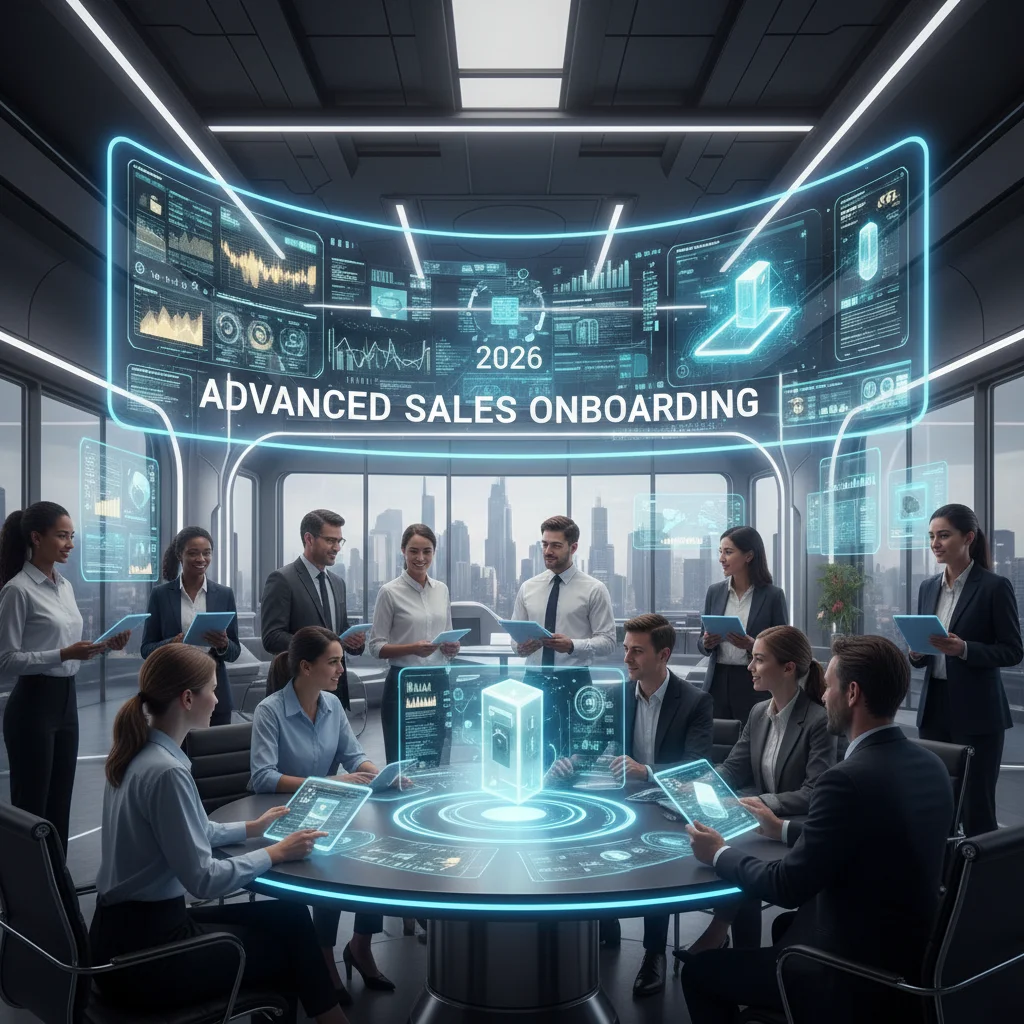
Sales Onboarding in 2026: Reducing Ramp-Up Time by 20% with Modern Enablement Programs
The sales landscape is in a perpetual state of evolution. What worked yesterday might be obsolete tomorrow. As we look towards 2026, the imperative to optimize every facet of the sales cycle becomes more pronounced than ever. A critical area demanding immediate attention and strategic overhaul is sales onboarding. The traditional, often haphazard approach to bringing new sales talent up to speed is no longer sustainable. In an increasingly competitive and dynamic market, the ability to rapidly transform new hires into productive, quota-carrying members of the team is a significant competitive advantage. Our goal, and the focus of this comprehensive guide, is to demonstrate how modern enablement programs can reduce sales ramp-up time by a remarkable 20% by 2026.
The concept of sales onboarding 2026 is not merely about providing product knowledge and sales scripts; it’s about creating an immersive, data-driven, and continuously evolving ecosystem that fosters rapid skill development, deep market understanding, and unwavering confidence. This isn’t just a wishful projection; it’s a strategic necessity driven by technological advancements, evolving buyer behaviors, and the increasing cost of talent acquisition and retention. Companies that embrace a forward-thinking approach to sales onboarding will not only see a direct impact on revenue but also experience higher sales rep satisfaction, lower attrition rates, and a more robust sales culture.
This article will delve into the core components of modern sales enablement, exploring how technology, personalized learning paths, continuous coaching, and a focus on measurable outcomes will redefine sales onboarding. We will examine the critical shifts required in mindset and methodology to achieve this ambitious 20% reduction in ramp-up time, ensuring that your sales force is not just ready for the future, but actively shaping it.
The Current State of Sales Onboarding: Challenges and Opportunities
Before we can project into the future of sales onboarding 2026, it’s essential to understand the present landscape. Many organizations still struggle with inefficient onboarding processes that lead to extended ramp-up times, high new-hire attrition, and significant lost revenue opportunities. The average ramp-up time for a new sales rep can range from three to nine months, sometimes even longer depending on the complexity of the product or service. This lengthy period represents a substantial investment of resources with delayed returns.
Key Challenges in Traditional Sales Onboarding:
- Inconsistent Training: Lack of standardized content and delivery often leads to varying levels of preparedness among new hires.
- Information Overload: Bombarding new reps with too much information too quickly, without proper context or prioritization, can be overwhelming and ineffective.
- Lack of Personalization: A one-size-fits-all approach fails to address individual learning styles, prior experience, and specific skill gaps.
- Insufficient Coaching and Feedback: New reps often lack consistent, structured coaching and timely feedback, hindering their ability to adapt and improve.
- Disconnection from Real-World Scenarios: Training often occurs in a vacuum, failing to adequately prepare reps for the complexities and nuances of actual sales interactions.
- Poor Technology Integration: Underutilization or improper integration of sales technology tools during onboarding can create a steep learning curve later on.
- Measuring Effectiveness: Many companies struggle to accurately measure the ROI of their onboarding programs, making it difficult to identify areas for improvement.
These challenges highlight a significant opportunity for improvement. By addressing these pain points with modern sales enablement strategies, organizations can not only reduce ramp-up time but also build a more resilient, effective, and engaged sales team. The goal for sales onboarding 2026 is to transform these challenges into strategic advantages, leveraging innovation to accelerate sales readiness.
Defining Modern Sales Enablement for 2026
Modern sales enablement is far more than just a collection of tools or a training department; it’s a strategic, cross-functional discipline designed to equip sales professionals with the content, training, and coaching they need to engage buyers effectively throughout the sales process. For sales onboarding 2026, enablement will be the cornerstone, orchestrating a seamless and accelerated transition for new hires.
Pillars of Modern Sales Enablement:
- Strategic Content Management: Providing easy access to relevant, high-quality, and up-to-date sales collateral, presentations, case studies, and competitive intelligence. This content should be easily discoverable and tailored to specific buyer personas and sales stages.
- Dynamic Training & Learning: Moving beyond static presentations to interactive, personalized, and on-demand learning experiences. This includes microlearning modules, gamification, virtual reality (VR) simulations, and AI-powered learning paths.
- Personalized Coaching & Feedback: Implementing structured coaching programs that leverage data analytics and AI to provide targeted, actionable feedback. This shifts coaching from reactive to proactive, focusing on skill development and performance improvement.
- Technology Integration & Optimization: Ensuring that sales tools (CRM, sales engagement platforms, conversational intelligence, etc.) are fully integrated into the onboarding process, allowing new reps to become proficient users quickly and efficiently.
- Performance Analytics & Measurement: Establishing clear metrics and leveraging data to continuously monitor the effectiveness of enablement programs, identify bottlenecks, and drive continuous improvement.
- Cross-Functional Collaboration: Aligning sales enablement with marketing, product, and customer success teams to ensure a consistent message, shared goals, and a holistic customer experience.
By integrating these pillars, organizations can create a robust framework for sales onboarding 2026 that is not only efficient but also highly effective in preparing reps for success in a rapidly changing market. This holistic approach ensures that every aspect of a new rep’s journey is optimized for speed and impact.
Key Strategies to Reduce Ramp-Up Time by 20%
Achieving a 20% reduction in sales ramp-up time by 2026 requires a deliberate, multi-faceted strategy. It’s not about cutting corners but about optimizing processes, leveraging technology, and empowering new hires with the right resources at the right time. Here are the core strategies:
1. Pre-boarding and Accelerated First Weeks
The onboarding process should begin even before the new hire’s first day. Pre-boarding activities can include sending welcome kits, providing access to introductory videos about company culture and product basics, and setting up initial administrative tasks. The first few weeks should be intensely structured, focusing on foundational knowledge and early wins.
- Digital Welcome Packet: Share company values, culture videos, organizational charts, and basic product overviews before day one.
- Buddy System/Mentor Program: Pair new hires with experienced reps who can provide informal guidance and support, helping them navigate the company culture and initial challenges.
- Structured First-Week Curriculum: Focus on essential tools, basic product knowledge, and understanding the sales process. Avoid overwhelming them with excessive detail.
- Early Customer Interaction: Where appropriate, allow new reps to shadow calls or participate in low-stakes customer interactions early on to gain real-world exposure.
2. Personalized Learning Paths with AI
One of the most significant advancements for sales onboarding 2026 will be the widespread adoption of AI-driven personalized learning. Instead of a generic training program, AI can assess a new rep’s existing skills, learning style, and role requirements to create a customized development plan.
- Skill Gap Analysis: AI tools can identify specific areas where a new rep needs improvement based on pre-assessments, role requirements, and even simulated sales scenarios.
- Adaptive Learning Modules: Content delivery adjusts based on the rep’s progress, focusing on areas of weakness and accelerating through known competencies.
- Microlearning & Gamification: Break down complex topics into bite-sized, engaging modules. Incorporate gamified elements like leaderboards, badges, and challenges to boost engagement and retention.
- Virtual Reality (VR) & Augmented Reality (AR) Simulations: Immerse new reps in realistic sales scenarios, allowing them to practice pitches, handle objections, and navigate complex conversations in a safe, controlled environment. This provides invaluable experiential learning before engaging real prospects.
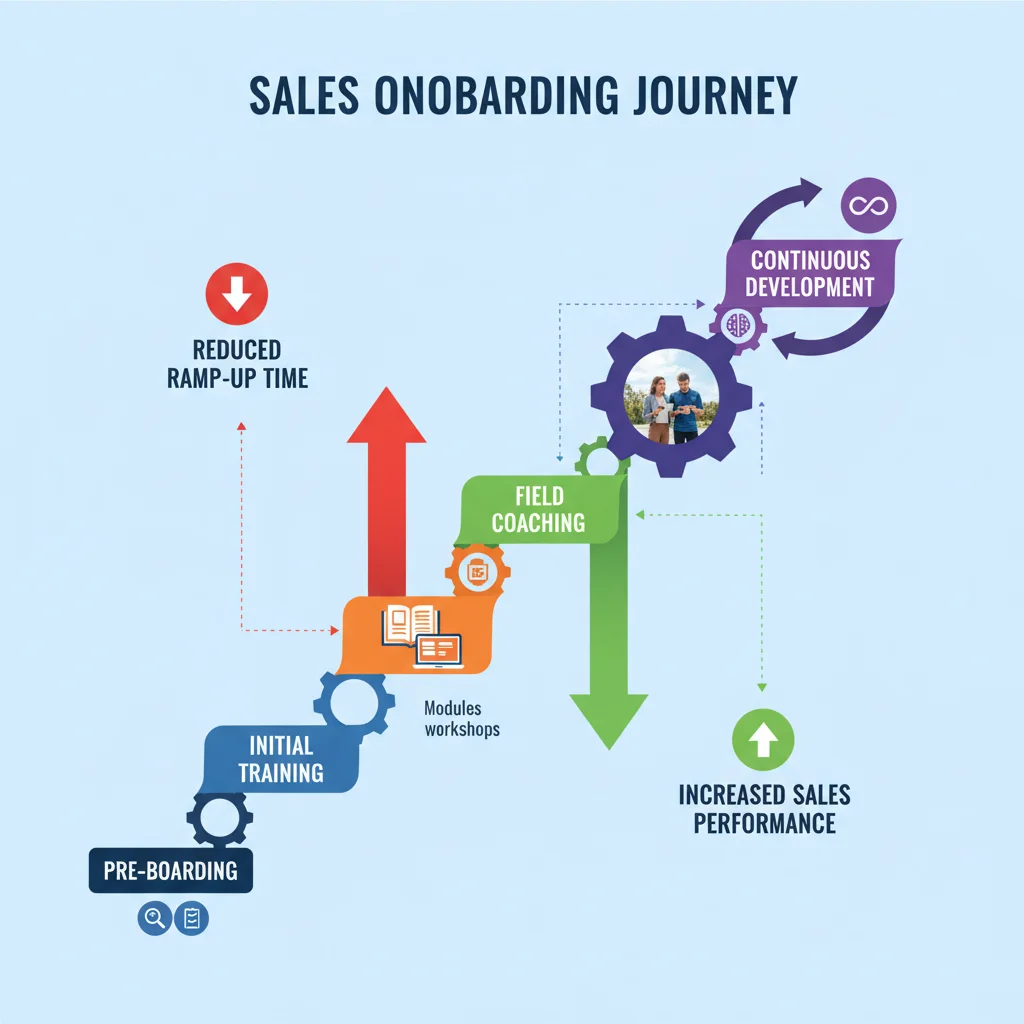
3. Data-Driven Coaching and Feedback
Effective coaching is paramount for accelerating skill development. For sales onboarding 2026, coaching will be highly data-driven, providing precise and actionable insights.
- Conversational Intelligence (CI): Tools that analyze sales calls and meetings can identify patterns, highlight effective communication techniques, and pinpoint areas where reps struggle (e.g., handling objections, discovery questions, closing).
- Automated Feedback: AI can provide immediate, objective feedback on practice pitches, email drafts, and CRM entries, guiding reps toward best practices.
- Peer-to-Peer Learning Platforms: Create forums where reps can share best practices, ask questions, and learn from each other’s experiences, fostering a collaborative learning environment.
- Structured Coaching Cadences: Implement regular 1:1 coaching sessions with clear objectives, performance reviews, and goal setting, ensuring consistent support and accountability.
4. Integrated Sales Technology Stack
Proficiency with sales tools is non-negotiable. Onboarding must seamlessly integrate training on the full sales technology stack.
- CRM Mastery: Ensure new reps understand how to effectively use the CRM for lead management, opportunity tracking, forecasting, and reporting from day one.
- Sales Engagement Platforms: Train reps on using tools for automated outreach, sequence management, and personalized communication.
- Content Management Systems: Show reps how to quickly find and utilize the right content for every stage of the sales cycle.
- Virtual Selling Tools: Proficiency in video conferencing platforms, virtual presentation tools, and digital collaboration spaces is crucial in a hybrid sales environment.
5. Continuous Learning and Development
Onboarding doesn’t end after the first few months. The most successful sales organizations in 2026 will embed a culture of continuous learning.
- Ongoing Certification Programs: Regular modules and certifications to ensure reps stay updated on product changes, market trends, and new sales methodologies.
- Knowledge Base & Resource Hub: A centralized, easily searchable repository of all sales-related information, accessible anytime, anywhere.
- Feedback Loops: Regularly collect feedback from new hires and their managers to continuously refine and improve the onboarding program.
- Performance Analytics Dashboards: Provide reps and managers with clear dashboards to track individual and team performance against key metrics, fostering self-improvement and accountability.
The Role of AI and Automation in Sales Onboarding 2026
Artificial Intelligence (AI) and automation will be transformative forces in sales onboarding 2026, enabling the ambitious goal of a 20% reduction in ramp-up time. These technologies move onboarding from a static event to a dynamic, personalized, and continuously optimized process.
1. AI-Powered Content Curation and Delivery
Imagine an onboarding system that intelligently recommends the next learning module or piece of content based on a rep’s current performance, role, and even their interactions with prospects. AI can analyze vast amounts of data to deliver hyper-relevant content:
- Personalized Learning Paths: As mentioned, AI will create custom curricula, adapting to a rep’s progress and identifying areas needing more focus.
- Smart Content Recommendations: Based on the sales stage, buyer persona, and even the rep’s previous successful interactions, AI can suggest the most effective content to use.
- Automated Knowledge Checks: AI can generate quizzes, simulations, and interactive exercises to test comprehension and retention, providing immediate feedback.
2. Conversational Intelligence for Rapid Skill Development
Conversational Intelligence (CI) platforms, powered by AI, are already making significant inroads into sales coaching, and their role will only expand by 2026.
- Real-time Coaching: CI can listen to live sales calls and provide real-time prompts, suggesting talking points, objection handling techniques, or follow-up questions.
- Post-Call Analysis: After a call, CI can generate detailed reports on talk-to-listen ratio, sentiment analysis, adherence to scripts, and identification of key moments, providing objective feedback for self-correction and manager coaching.
- Best Practice Identification: By analyzing thousands of successful sales calls, AI can identify the precise language, tone, and strategies used by top performers, making these insights available for new hires to learn from.
3. Predictive Analytics for Onboarding Success
AI can go beyond current performance and predict future success, allowing for proactive interventions.
- Early Warning Systems: AI can analyze onboarding data (quiz scores, activity levels, simulation performance) to identify reps who might be struggling before it impacts their sales performance.
- Tailored Interventions: Once a potential struggle is identified, AI can suggest specific coaching interventions, additional training modules, or peer mentorship.
- Optimizing Onboarding Duration: By analyzing the correlation between onboarding activities and time-to-first-deal or time-to-quota, AI can help refine the ideal duration and intensity of various onboarding stages.
4. Automation of Administrative Tasks
Automation frees up valuable time for both new hires and their managers.
- Automated Provisioning: Setting up access to all necessary tools, software, and systems can be largely automated, ensuring new reps hit the ground running.
- Automated Follow-ups: Sending reminders for training modules, scheduling check-ins, and distributing relevant updates can be automated, ensuring consistency.
- Reporting & Analytics: Automated dashboards and reports can provide real-time insights into onboarding progress and effectiveness, reducing manual data compilation.
The integration of AI and automation into sales onboarding 2026 will create a highly efficient, adaptive, and personalized experience, directly contributing to the goal of reducing ramp-up time by 20% and fostering a more capable and confident sales force.

Measuring the Impact: KPIs for 20% Ramp-Up Reduction
To claim a 20% reduction in ramp-up time, organizations need robust measurement strategies. Effective KPIs will not only track progress but also provide insights for continuous optimization of the sales onboarding 2026 program.
Key Performance Indicators (KPIs):
- Time to First Deal/First Revenue: This is a direct measure of how quickly a new rep closes their first sale or generates revenue. A 20% reduction in this metric is a clear indicator of success.
- Time to Quota Attainment: How long does it take a new rep to consistently hit their assigned sales quota? This is perhaps the most critical metric for long-term productivity.
- Average Deal Size/Win Rate (New Hires vs. Experienced): Compare the average deal size and win rate of new hires to tenured reps. The goal is to see these metrics converge more quickly.
- Productivity Metrics (Calls, Emails, Demos): Track activity levels and the effectiveness of those activities. Are new reps reaching out to enough prospects? Are their demos converting?
- Training Completion & Proficiency Scores: Monitor the completion rates of training modules and scores on assessments. This indicates engagement and comprehension.
- CRM Adoption & Data Quality: Ensure new reps are effectively using the CRM and maintaining high data quality, which impacts forecasting and pipeline visibility.
- New Hire Attrition Rate: A well-designed onboarding program should lead to lower attrition rates among new sales hires, as they feel better supported and more successful.
- Manager Satisfaction with New Hires: Survey sales managers on their satisfaction with the preparedness and performance of new hires.
- New Hire Satisfaction & Confidence: Anonymous surveys can gauge how confident and satisfied new reps feel with their onboarding experience and readiness to perform.
By consistently tracking and analyzing these KPIs, organizations can gain a clear understanding of the effectiveness of their sales onboarding 2026 initiatives. This data-driven approach allows for agile adjustments, ensuring the program remains optimized for maximum impact and achieves the desired 20% reduction in ramp-up time.
Implementing a Modern Sales Onboarding Program: A Roadmap to 2026
Transitioning to a modern, high-impact sales onboarding program requires a strategic roadmap. It’s not an overnight change but a phased approach that builds on successes and adapts to evolving needs.
Phase 1: Assessment and Planning (Now – 2024)
- Audit Current State: Thoroughly evaluate your existing onboarding process. Identify pain points, bottlenecks, and areas of inefficiency. Gather feedback from current and past new hires, sales managers, and top performers.
- Define Success Metrics: Clearly establish the KPIs you will use to measure success, including your baseline ramp-up time and the target 20% reduction.
- Stakeholder Alignment: Gain buy-in from sales leadership, HR, marketing, and product teams. Emphasize the strategic importance of optimized onboarding.
- Technology Stack Review: Assess your current sales tech stack. Identify gaps and opportunities for new tools (e.g., CI, AI-powered learning platforms, VR simulations).
- Pilot Program Design: Outline a pilot program for a small group of new hires to test new methodologies and technologies.
Phase 2: Development and Initial Rollout (2024 – 2025)
- Content Creation & Curation: Develop or refine onboarding content, ensuring it’s modular, engaging, and aligned with personalized learning paths. Focus on microlearning.
- Technology Integration: Implement and integrate new sales enablement tools. Ensure seamless data flow between systems (e.g., CRM and learning platforms).
- Trainer & Coach Development: Train sales managers and designated coaches on new methodologies, AI tools, and effective feedback techniques.
- Pilot Program Execution: Launch the pilot program. Collect continuous feedback and iterate rapidly.
- Iterative Refinement: Based on pilot results, make necessary adjustments to content, processes, and technology.
Phase 3: Scaling and Optimization (2025 – 2026 and Beyond)
- Full Program Rollout: Implement the refined modern sales onboarding program across the entire sales organization.
- Continuous Monitoring & Analysis: Consistently track all defined KPIs. Use data analytics to identify trends, successes, and areas needing further improvement.
- AI & Automation Enhancement: Further leverage AI for deeper personalization, more sophisticated predictive analytics, and increased automation of administrative tasks.
- Culture of Continuous Learning: Embed ongoing learning and development as a core component of the sales culture, extending beyond the initial onboarding period.
- Regular Review & Adaptation: Annually (or more frequently) review the entire onboarding program against market changes, product updates, and evolving buyer behaviors. Stay agile and adapt.
By following this roadmap, organizations can systematically transform their onboarding process, ensuring that by 2026, they are not only meeting but exceeding the goal of a 20% reduction in sales ramp-up time. This strategic investment will yield significant returns in productivity, revenue, and overall sales force effectiveness.
The Future is Now: Embracing Sales Onboarding 2026
The journey to optimize sales onboarding 2026 is not a distant vision but an immediate necessity. The competitive pressures, the speed of market change, and the increasing demand for highly effective sales professionals mean that organizations can no longer afford to rely on outdated, inefficient onboarding practices. The goal of reducing ramp-up time by 20% is ambitious, but entirely achievable through a strategic commitment to modern sales enablement.
By embracing personalized learning paths powered by AI, leveraging data-driven coaching and conversational intelligence, integrating a robust sales technology stack, and fostering a culture of continuous learning, companies can transform their new hires into productive, quota-carrying reps faster than ever before. This isn’t just about efficiency; it’s about building a sustainable competitive advantage, driving higher revenue, and creating a more engaged and successful sales team.
The organizations that proactively invest in these modern enablement programs will be the ones that thrive in the sales landscape of 2026 and beyond. They will not only attract top talent but also empower them to reach their full potential, ultimately leading to stronger market positions and sustained growth. The time to revolutionize your sales onboarding is now.