Social Commerce Shift: Are US Retailers Ready for 2026?

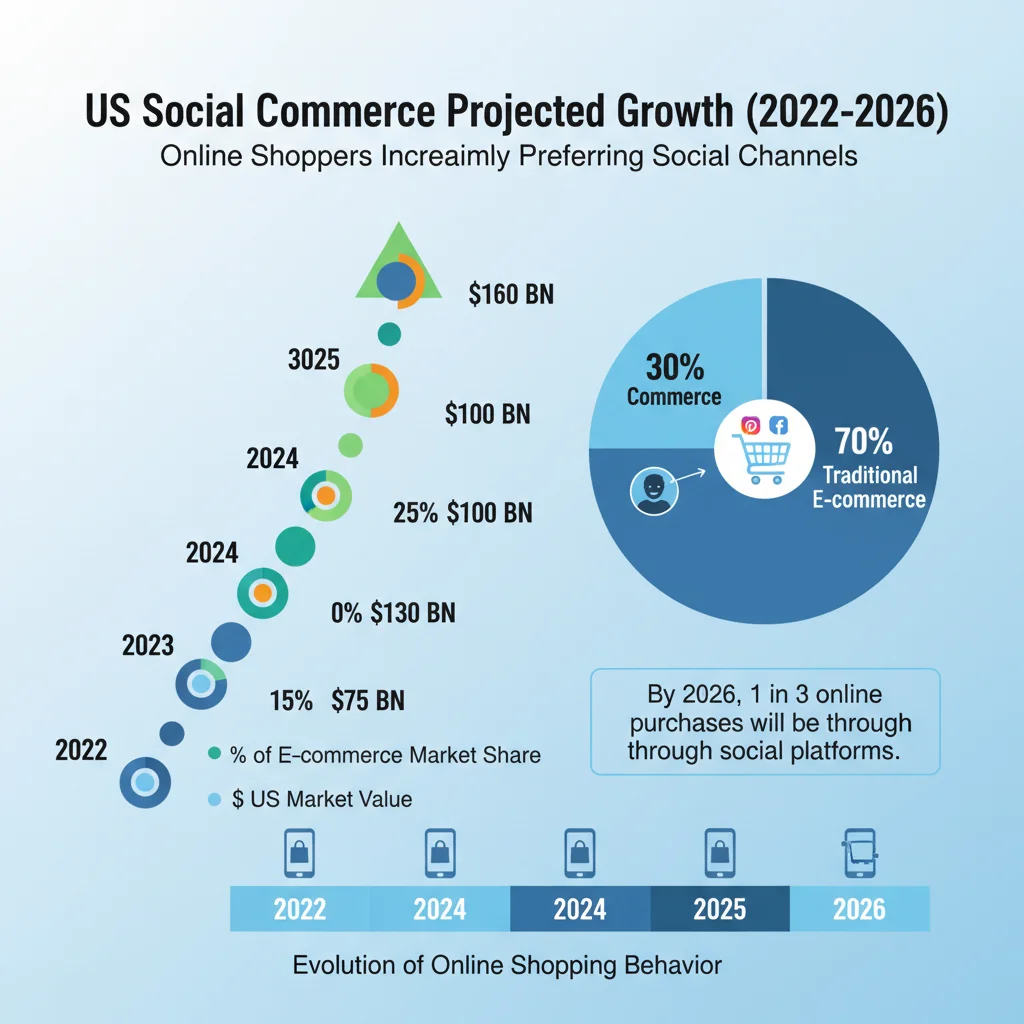
The digital retail landscape is in a constant state of flux, always evolving, always presenting new opportunities and challenges for businesses. For years, traditional e-commerce platforms reigned supreme, offering a structured, often solitary, shopping experience. However, a significant social commerce shift is underway, poised to redefine how consumers interact with brands and make purchasing decisions. Recent data indicates a monumental change: by 2026, a staggering 20% of US online shoppers are projected to prefer making purchases directly through social media platforms. This isn’t just a trend; it’s a fundamental market shift that demands immediate attention and strategic adaptation from every retailer, big or small.
This article delves deep into the implications of this impending social commerce shift. We’ll explore why social commerce is gaining such rapid traction, what it means for your existing e-commerce strategy, and most importantly, how you can prepare your business to not only survive but thrive in this new, socially-driven retail environment. The clock is ticking, and businesses that fail to acknowledge and act upon this shift risk being left behind in a fiercely competitive market.
Understanding the Social Commerce Shift: What is it, and Why Now?
Before we dissect the ‘how-to’ of adapting, let’s establish a clear understanding of what social commerce truly entails and the forces propelling its rapid growth. Social commerce is more than just advertising on social media; it’s the direct buying and selling of products and services within social media platforms. This means users can discover, research, and purchase items without ever leaving their favorite social app, creating a seamless and highly integrated shopping journey.
The Evolution from E-commerce to Social Commerce
Traditional e-commerce involves a customer discovering a product on social media, clicking a link, and being redirected to an external website to complete the purchase. This multi-step process, while effective for many years, introduces friction. Each click, each new page load, is an opportunity for the customer to abandon their cart. Social commerce eliminates many of these hurdles, streamlining the path to purchase.
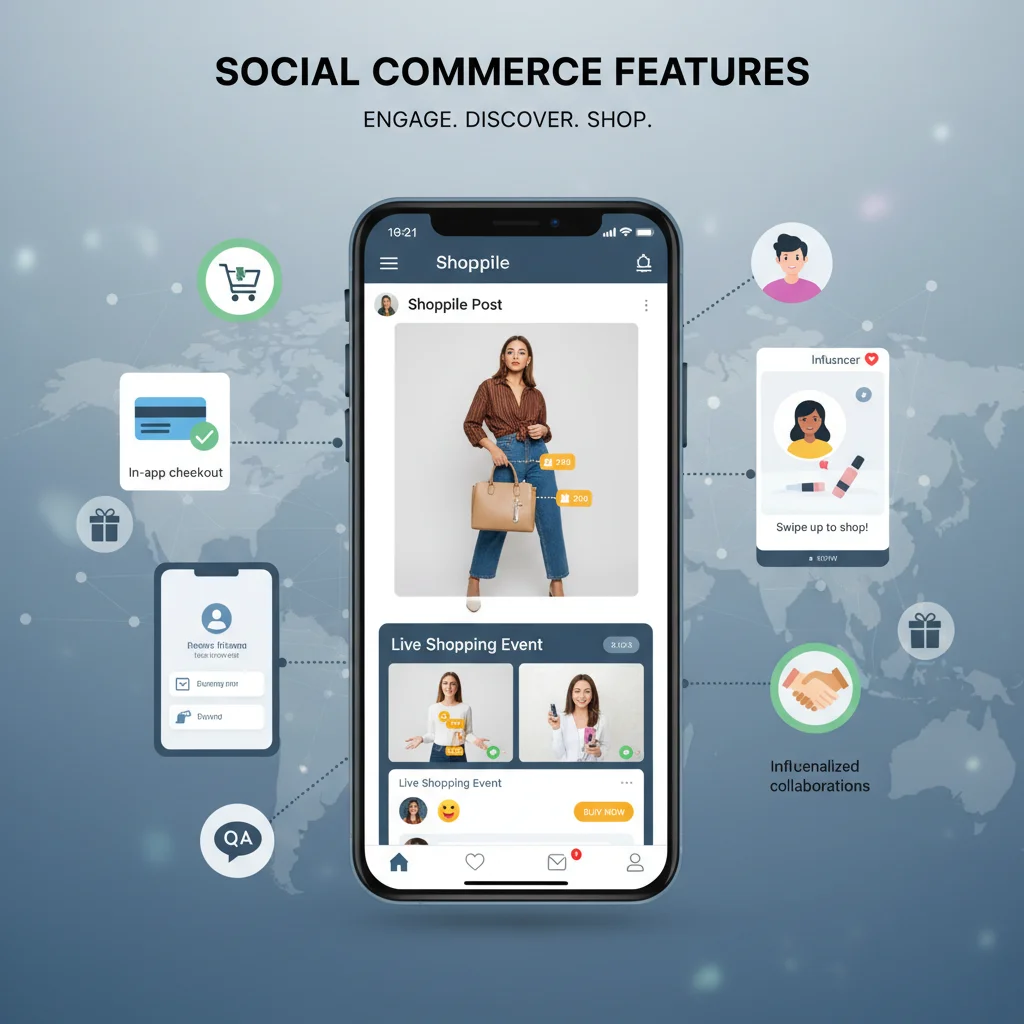
The rise of social media influencers, coupled with advancements in platform technology, has accelerated this social commerce shift. Platforms like Instagram, Facebook, TikTok, and Pinterest have invested heavily in features such as shoppable posts, in-app checkout, live shopping events, and integrated storefronts. These features are designed to capitalize on the inherent social nature of these platforms, turning casual browsing into immediate purchasing opportunities.
Key Drivers of the Social Commerce Boom
- Seamless User Experience: The ability to discover, research, and buy without leaving the social app reduces friction and enhances convenience. This seamless journey is a core reason for the social commerce shift.
- Authenticity and Trust: Consumers often trust recommendations from influencers, friends, and family on social media more than traditional advertisements. Social proof, reviews, and user-generated content play a massive role in purchase decisions.
- Discovery-Driven Shopping: Many social commerce purchases are impulsive or discovery-driven. Users aren’t necessarily looking for something specific but are inspired by content they encounter.
- Mobile-First Generation: A significant portion of online shoppers, especially younger demographics, spend a considerable amount of time on mobile devices and social apps. Social commerce caters directly to this mobile-first behavior.
- Interactive and Engaging Content: Live shopping events, augmented reality (AR) try-ons, and interactive polls make the shopping experience more engaging and entertaining, fostering a deeper connection between brands and consumers.
The 20% Benchmark: Why 2026 is a Critical Juncture
The projection that 20% of US online shoppers will prefer social commerce by 2026 is not an arbitrary number; it signifies a tipping point. This percentage represents a substantial segment of the market, large enough to significantly impact revenue streams and market share for businesses that are either prepared or unprepared. This isn’t just about early adopters anymore; it’s about mainstream consumer behavior.
For context, consider the scale: if the US online retail market continues its growth trajectory, 20% represents hundreds of billions of dollars in potential sales shifting to social platforms. Businesses that ignore this social commerce shift risk losing out on a substantial portion of their target audience and revenue.
Impact on Traditional E-commerce
This doesn’t necessarily mean the demise of traditional e-commerce websites. Instead, it signals a need for integration and diversification. Your e-commerce store will still serve as a crucial hub for detailed product information, customer service, and complex transactions. However, social platforms will increasingly become the primary discovery and initial purchase points, especially for certain product categories and demographics. The social commerce shift requires a holistic approach, where social channels feed into, and are fed by, your core e-commerce operations.
Is Your Store Ready? Assessing Your Current Social Commerce Capabilities
The critical question for every business owner is: Is your store ready for this impending social commerce shift? A thorough assessment of your current digital strategy is the first step towards effective preparation.
Audit Your Current Social Presence
Start by evaluating your existing social media presence. Are you merely posting promotional content, or are you actively engaging with your audience? Do your profiles offer direct links to products, or are they just brand awareness tools? Consider the following:
- Platform Suitability: Which social platforms are most relevant to your target audience and product type? (e.g., Instagram for fashion/beauty, TikTok for viral trends, Pinterest for inspiration/home goods, Facebook for broader reach).
- Content Strategy: Is your content engaging, visually appealing, and optimized for each platform? Does it encourage interaction and discovery?
- Engagement Metrics: Are you tracking likes, shares, comments, and saves? More importantly, are you responding to comments and direct messages promptly?
- Existing Shopping Features: Are you currently utilizing any shoppable features offered by platforms (e.g., Instagram Shopping, Facebook Shop, TikTok Shop)?
Technical Readiness and Integration
Social commerce isn’t just about pretty pictures; it requires robust technical integration. Your back-end systems need to be able to handle sales originating from diverse social channels. Key considerations include:
- Inventory Management: Can your inventory system seamlessly update across your website and all active social commerce channels? Stockouts on social platforms can lead to frustrated customers.
- Order Fulfillment: How will orders placed on social media be processed, packaged, and shipped? Is your fulfillment process integrated with these new sales channels?
- Customer Service: Can your customer service team handle inquiries, returns, and support requests originating from social media DMs and comments?
- Payment Processing: Are your payment gateways compatible with in-app checkout features?
- Data Analytics: Can you track sales, customer behavior, and ROI specifically from your social commerce efforts? This data is crucial for optimizing your strategy during the social commerce shift.
Strategies to Adapt and Capitalize on the Social Commerce Shift
Preparing for the social commerce shift requires a multi-faceted approach. Here are actionable strategies to help your business adapt and capitalize on this growing trend:
1. Embrace Shoppable Content Across Platforms
This is the cornerstone of social commerce. Don’t just post product images; make them shoppable. Utilize features like:
- Product Tags: On platforms like Instagram and Facebook, tag products directly in your posts and stories, allowing users to tap and view product details without leaving the app.
- In-App Storefronts: Set up a dedicated shop section on Facebook and Instagram, essentially creating a mini-e-commerce site within the social platform.
- Live Shopping: Host live streams where you showcase products, answer questions in real-time, and offer exclusive deals. Platforms like TikTok and Instagram are excellent for this. The immediacy and interactivity of live shopping are powerful drivers of the social commerce shift.
- Product Catalogs: Ensure your product catalog is uploaded and regularly updated on all relevant social platforms.
2. Invest in Influencer Marketing and User-Generated Content (UGC)
Authenticity is king in social commerce. Consumers trust peers and trusted personalities more than brand messaging. Leverage this by:
- Collaborating with Influencers: Partner with micro and macro-influencers whose audience aligns with your target demographic. Ensure they create engaging, authentic content that naturally integrates your products.
- Encouraging UGC: Run contests, create branded hashtags, and actively solicit reviews and photos from customers using your products. Reposting UGC not only provides social proof but also generates fresh content.
- Affiliate Programs: Implement affiliate programs for loyal customers and influencers, incentivizing them to drive sales through unique links or codes.
3. Optimize for Mobile and Visuals
Social commerce is inherently mobile-first and visually driven. Your content must be optimized accordingly:
- High-Quality Visuals: Use stunning photos and videos that grab attention and clearly showcase your products.
- Short-Form Video: Platforms like TikTok and Instagram Reels are dominated by short, engaging video content. Master this format for product demonstrations, behind-the-scenes glimpses, and trend participation.
- Mobile-First Design: Ensure any landing pages or external links you use are perfectly optimized for mobile viewing.
4. Prioritize Customer Service and Community Building
Social media is a two-way street. Excellent customer service and active community engagement are crucial for building trust and loyalty:
- Prompt Responses: Respond to comments, DMs, and mentions quickly and professionally. Social media users expect immediate gratification.
- Build a Community: Foster a sense of belonging around your brand. Engage in conversations, ask questions, and create polls. This helps solidify the social commerce shift towards relationship-based buying.
- Personalization: Use data to offer personalized recommendations and targeted content to your followers.
5. Integrate Your E-commerce and Social Platforms
The goal is not to abandon your e-commerce site but to integrate it seamlessly with your social commerce efforts. This means:
- Unified Product Catalogs: Use tools that synchronize your product catalog across your website and social media shops.
- CRM Integration: Connect your social media customer interactions with your CRM system to build a comprehensive customer profile.
- Analytics and Reporting: Implement robust analytics to track the entire customer journey, from social discovery to conversion, both on and off-platform. This allows you to understand the true impact of the social commerce shift on your business.
6. Experiment with Emerging Technologies
The social commerce landscape is constantly innovating. Stay ahead by experimenting with:
- Augmented Reality (AR): Allow customers to virtually ‘try on’ products (e.g., makeup, glasses, furniture) using AR filters on social media.
- Chatbots and AI: Implement AI-powered chatbots to handle common customer inquiries, provide product recommendations, and guide users through the purchase process directly within messaging apps.
- Virtual Reality (VR): While still nascent, VR shopping experiences may become more prevalent in the future. Keep an eye on these developments.
Overcoming Challenges in the Social Commerce Shift
While the opportunities are vast, the social commerce shift also presents its share of challenges. Proactive planning can help mitigate these risks.
Maintaining Brand Consistency
With multiple touchpoints, ensuring a consistent brand voice, visual identity, and customer experience across all social platforms and your e-commerce site can be challenging. Develop clear brand guidelines and train your team to adhere to them.
Data Privacy and Security Concerns
As more personal data is shared and transactions occur on social platforms, data privacy and security become paramount. Ensure compliance with all relevant regulations (e.g., GDPR, CCPA) and communicate your commitment to data protection to your customers.
Measuring ROI Effectively
Attributing sales directly to specific social commerce efforts can be complex. Implement advanced tracking tools, UTM parameters, and a clear attribution model to accurately measure the return on investment for your social commerce initiatives. This is crucial for justifying resource allocation in the context of the social commerce shift.
Platform Dependence and Algorithm Changes
Relying heavily on third-party social platforms means you are subject to their rules, policies, and algorithm changes. Diversify your social commerce efforts across multiple platforms and continue to nurture your owned channels (your website, email list) to mitigate risks associated with platform dependence.
Inventory Management Complexity
Managing inventory across multiple sales channels (your website, physical stores, various social platforms) requires robust systems and real-time updates to prevent overselling or stockouts. Invest in integrated inventory management software.
The Future of Retail is Social: A Call to Action
The social commerce shift is not a distant future; it’s happening now, and 2026 marks a pivotal moment for US retailers. The businesses that embrace this change, adapt their strategies, and invest in the necessary tools and talent will be the ones that capture market share and build lasting customer relationships.
Ignoring this trend is no longer an option. The modern consumer expects convenience, authenticity, and seamless experiences, and social commerce delivers on all fronts. By integrating social shopping into your broader retail strategy, you can unlock new avenues for customer engagement, drive sales, and future-proof your business in an increasingly digital world.
Start by auditing your current capabilities, identifying your target platforms, and incrementally implementing shoppable features. Experiment with content formats, engage actively with your community, and continuously analyze your performance. The journey to becoming a social commerce leader is ongoing, but the rewards for those who commit are substantial. Prepare your store for the social commerce shift now, and be ready to meet your customers where they are – on social media.
Key Takeaways for Businesses:
- The social commerce shift is a significant market trend, with 20% of US online shoppers preferring social commerce by 2026.
- Social commerce offers a seamless, authentic, and discovery-driven shopping experience.
- Businesses must audit their social presence, technical readiness, and content strategy.
- Actionable strategies include embracing shoppable content, leveraging influencer marketing, optimizing for mobile, prioritizing customer service, and integrating platforms.
- Challenges like brand consistency, data privacy, and ROI measurement need proactive solutions.
- Adaptation is crucial for future growth and competitive advantage in the evolving retail landscape.
Don’t wait until 2026 to react. The time to act on the social commerce shift is now. Your customers are already there; it’s time your store was too.