Streamlining Inventory Management: Digital Tools to Reduce Stockouts by 50% in 2026
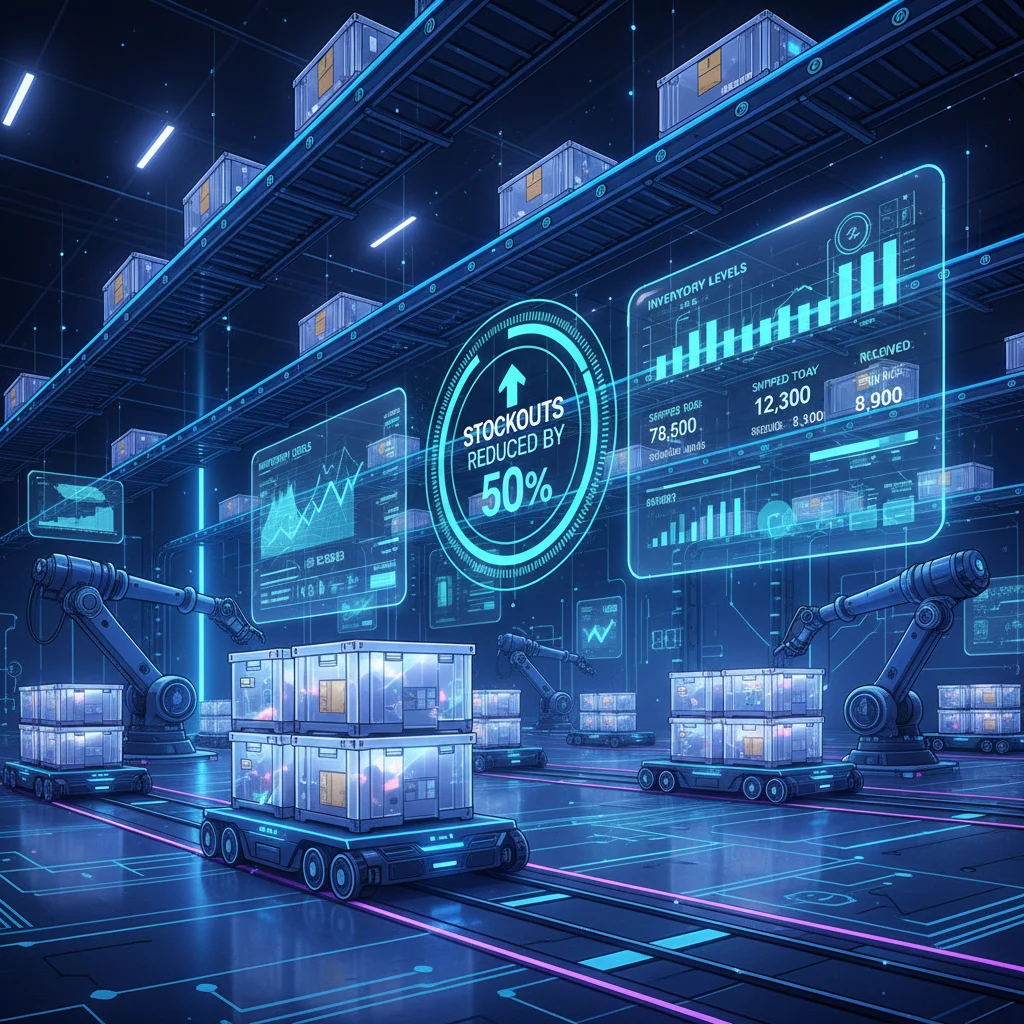
In the dynamic and often unpredictable world of supply chain management, stockouts remain a persistent and costly challenge for businesses of all sizes. The inability to meet customer demand due to insufficient inventory not only leads to lost sales and decreased customer satisfaction but can also damage brand reputation and erode market share. As we navigate towards 2026, the imperative to optimize inventory management has never been more critical. The good news is that a new generation of digital tools is emerging, offering unprecedented opportunities to not only reduce stockouts but to transform the entire inventory ecosystem.
This comprehensive guide delves into the transformative power of modern inventory management tools, exploring how they can help businesses achieve an ambitious goal: reducing stockouts by a staggering 50% by 2026. We will unpack the underlying causes of stockouts, examine the evolution of inventory management, and then dive deep into the specific digital solutions—from AI and machine learning to IoT and advanced analytics—that are revolutionizing how companies manage their stock. By embracing these technologies, businesses can move beyond reactive problem-solving to proactive, predictive, and highly efficient inventory control, ensuring product availability and sustained growth.
The Pervasive Problem of Stockouts: Understanding the Root Causes
Before we explore solutions, it’s crucial to understand why stockouts occur. They are rarely a single-point failure but rather the culmination of various interconnected issues within the supply chain. Traditionally, stockouts have been attributed to:
- Inaccurate Demand Forecasting: Relying on historical data alone, without accounting for market trends, seasonality, promotions, or external disruptions, often leads to overstocking or understocking.
- Poor Inventory Visibility: A lack of real-time insight into stock levels across different locations (warehouses, stores, in-transit) makes it impossible to make informed decisions.
- Inefficient Order Management: Manual processes, delays in placing orders, or errors in order quantities can quickly deplete safety stock.
- Supplier Issues: Delays in delivery, quality control problems, or unexpected shortages from suppliers directly impact inventory availability.
- Long Lead Times: Extended periods between placing an order and receiving goods increase the risk of running out of stock, especially for fast-moving items.
- Data Silos: Disconnected systems for sales, procurement, warehousing, and finance prevent a holistic view of inventory, leading to suboptimal decisions.
- Human Error: Manual data entry, miscounts, or incorrect stock placements contribute significantly to inventory discrepancies.
The financial implications of stockouts are substantial. Beyond immediate lost sales, businesses face expedited shipping costs to fulfill urgent orders, production line stoppages, customer churn, and a damaged brand image. The opportunity cost of not having a product available when a customer wants it can be far-reaching, impacting long-term loyalty and competitive positioning. This makes the investment in robust inventory management tools not just a cost, but a critical strategic imperative.
The Evolution of Inventory Management: From Manual to Digital
For decades, inventory management was a largely manual, reactive process. Stock clerks would physically count items, update ledgers, and place orders based on reorder points. The advent of personal computers brought spreadsheets, offering a slightly more organized approach, but still prone to human error and lacking real-time capabilities.
The late 20th and early 21st centuries saw the rise of Enterprise Resource Planning (ERP) systems, which integrated various business functions, including inventory. While a significant leap forward, many ERP inventory modules still struggled with real-time data, predictive capabilities, and the agility required by modern supply chains. The fragmented nature of data, coupled with complex global supply networks, demanded a more sophisticated approach.
Today, we are witnessing a paradigm shift. Digital transformation is not just an buzzword; it’s a fundamental reshaping of how inventory is managed. Cloud computing, big data analytics, artificial intelligence (AI), machine learning (ML), and the Internet of Things (IoT) are converging to create a new generation of inventory management tools that promise unprecedented levels of accuracy, efficiency, and foresight. These tools are designed to move businesses from simply tracking inventory to intelligently predicting, optimizing, and automating inventory processes, thereby drastically reducing the likelihood of stockouts.
Key Digital Tools for Drastically Reducing Stockouts by 2026
Achieving a 50% reduction in stockouts by 2026 requires a multi-faceted approach, leveraging the strengths of various digital technologies. Here are the core inventory management tools that will drive this transformation:
1. Advanced Demand Forecasting with AI and Machine Learning
One of the primary drivers of stockouts is inaccurate demand forecasting. Traditional statistical methods often fall short in complex, volatile markets. This is where AI and machine learning (ML) excel. These technologies can:
- Analyze Vast Datasets: AI algorithms can process immense amounts of historical sales data, promotional calendars, pricing strategies, and even external factors like weather patterns, economic indicators, social media trends, and competitor activities.
- Identify Complex Patterns: Unlike humans, ML models can uncover subtle, non-linear relationships and hidden patterns within data that influence demand.
- Adapt and Learn: ML models continuously learn from new data, improving their accuracy over time. They can quickly adapt to changing market conditions, seasonality shifts, and unforeseen events.
- Predict with Higher Accuracy: By incorporating multiple variables and learning from past deviations, AI-powered forecasting tools can generate significantly more accurate demand predictions, allowing for optimal inventory levels.
- Scenario Planning: AI can simulate various ‘what-if’ scenarios, helping businesses understand the potential impact of different decisions on inventory levels and stockout risks.
Implementing AI-driven forecasting means moving from reactive replenishment to proactive, intelligent stocking. This is a foundational step towards achieving significant stockout reduction.
2. Real-time Inventory Visibility through IoT and RFID
You can’t manage what you can’t see. Lack of real-time visibility is a major contributor to stockouts. The Internet of Things (IoT) and Radio-Frequency Identification (RFID) technologies are game-changers in this regard:
- IoT Sensors: Smart sensors can be deployed throughout warehouses, on shelves, and even on products themselves. These sensors can monitor stock levels, temperature, humidity, and even movement, providing a constant stream of data. For instance, weight-sensitive shelves can automatically trigger reorder alerts when stock falls below a certain threshold.
- RFID Tags: RFID tags attached to individual items or pallets allow for automated, rapid scanning and tracking of inventory as it moves through the supply chain. This eliminates manual scanning errors and provides precise location data.
- GPS and Telematics: For in-transit inventory, GPS tracking and telematics provide real-time location and status updates, allowing businesses to anticipate arrivals and manage delays proactively.
These technologies create a digital twin of your physical inventory, offering unparalleled insight into every item’s journey from supplier to customer. With real-time data, businesses can identify discrepancies immediately, locate misplaced items, and prevent stockouts by redistributing existing stock more effectively.
3. Warehouse Management Systems (WMS) with Automation and Robotics
A modern WMS is no longer just about managing storage; it’s about optimizing every aspect of warehouse operations. When integrated with automation and robotics, WMS becomes a powerful tool for preventing stockouts:
- Automated Picking and Packing: Robots and automated guided vehicles (AGVs) can pick and pack orders with incredible speed and accuracy, reducing human error and accelerating order fulfillment. This ensures that products are moved efficiently and are less likely to be misplaced.
- Optimized Storage: WMS algorithms can determine the most efficient storage locations for products based on demand, size, and other factors, minimizing retrieval times and improving space utilization.
- Cycle Counting and Auditing: Automated systems can perform continuous cycle counts, ensuring that physical inventory matches system records, thereby reducing discrepancies that lead to phantom stockouts.
- Cross-Docking and Put-Away Optimization: WMS can streamline the movement of goods, reducing handling time and ensuring products are available on shelves quicker.
By automating repetitive tasks and optimizing workflows, WMS reduces the operational bottlenecks that often contribute to stockouts, ensuring a smoother flow of goods.
4. Predictive Analytics and Business Intelligence
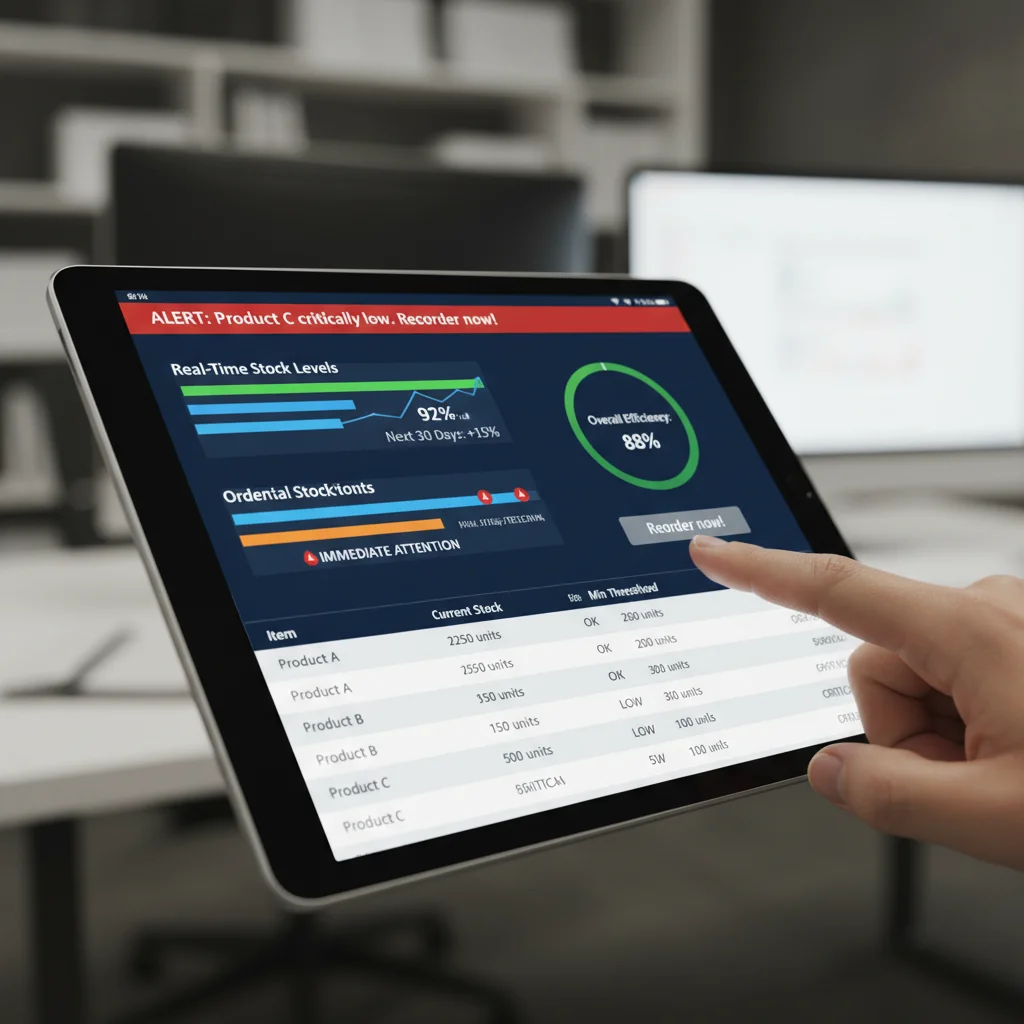
While AI focuses on forecasting, predictive analytics and business intelligence (BI) tools leverage that forecast to provide actionable insights. These inventory management tools help decision-makers understand not just what will happen, but why, and what actions to take:
- Early Warning Systems: Predictive analytics can flag potential stockout risks days or weeks in advance, based on forecasted demand, current stock levels, and expected lead times.
- Optimal Reorder Points: BI tools can dynamically adjust reorder points and safety stock levels based on real-time data and demand variability, optimizing inventory investments while minimizing stockout risk.
- Supplier Performance Analysis: Analytics can track supplier reliability, lead time adherence, and quality, helping businesses identify and mitigate risks associated with unreliable vendors.
- Inventory Optimization: These tools can identify slow-moving or obsolete inventory, allowing businesses to clear it out and free up capital and space for faster-moving, more profitable items, thereby preventing capital from being tied up in dead stock while critical items are missing.
- Root Cause Analysis: When stockouts do occur, BI tools can rapidly analyze the contributing factors, providing insights for continuous improvement.
Predictive analytics transforms inventory management from a guessing game into a data-driven science, enabling highly informed and timely decisions.
5. Integrated Supply Chain Planning (SCP) Platforms
True stockout reduction requires a holistic view of the entire supply chain, not just isolated inventory functions. Integrated SCP platforms connect various components of the supply chain:
- Demand Planning: Integrates AI-driven forecasting with sales, marketing, and customer data.
- Supply Planning: Optimizes procurement, production schedules, and supplier collaboration.
- Inventory Optimization: Balances service levels with inventory holding costs across the network.
- Sales & Operations Planning (S&OP): Facilitates cross-functional collaboration and alignment on demand and supply plans.
- Vendor-Managed Inventory (VMI): Allows suppliers to take responsibility for maintaining inventory levels, often through shared data and automated reordering, further reducing the burden and risk on the buyer.
By breaking down data silos and fostering seamless communication between different departments and external partners, SCP platforms ensure that every part of the supply chain works in concert to prevent stockouts.
6. Blockchain for Enhanced Supply Chain Transparency
While still emerging, blockchain technology holds immense promise for inventory management, particularly in enhancing transparency and traceability:
- Immutable Records: Blockchain creates a secure, unchangeable ledger of every transaction and movement of goods, from raw materials to finished products.
- End-to-End Traceability: This allows for precise tracking of provenance, quality, and chain of custody, which is vital for high-value goods, perishables, or regulated industries.
- Reduced Counterfeiting: By verifying the authenticity of products, blockchain can help prevent counterfeit goods from entering the supply chain, which can cause unexpected shortages of genuine products.
- Faster Dispute Resolution: Clear, verifiable records reduce disputes and delays, improving overall supply chain efficiency.
For businesses dealing with complex global supply chains, blockchain can provide an unprecedented level of trust and clarity, directly impacting inventory accuracy and stockout prevention.

Implementing Digital Inventory Management Tools: A Strategic Roadmap
Achieving a 50% reduction in stockouts by 2026 isn’t just about acquiring new software; it’s about a strategic transformation. Here’s a roadmap for successful implementation:
Phase 1: Assessment and Strategy (Year 1: 2024)
- Current State Analysis: Conduct a thorough audit of your existing inventory processes, technologies, and identify key pain points and stockout drivers. Quantify the costs of stockouts.
- Define Clear Objectives: Set specific, measurable, achievable, relevant, and time-bound (SMART) goals, such as a ‘50% reduction in stockouts for top 20% SKUs by Q4 2026’.
- Technology Stack Evaluation: Research and evaluate various inventory management tools, considering their compatibility with existing systems, scalability, and cost-effectiveness. Prioritize solutions that offer integration capabilities.
- Stakeholder Alignment: Gain buy-in from all relevant departments (sales, marketing, procurement, operations, IT, finance). Form a cross-functional project team.
- Data Readiness Assessment: Evaluate the quality, availability, and structure of your current data. Data cleansing and standardization will be crucial.
Phase 2: Pilot and Integration (Year 2: 2025)
- Pilot Program: Start with a pilot project for a specific product line, warehouse, or region. This allows for testing, refinement, and learning without disrupting the entire operation.
- System Integration: Focus on seamless integration between new inventory management tools (e.g., AI forecasting, WMS, IoT sensors) and existing ERP, CRM, and e-commerce platforms. APIs are critical here.
- Data Migration and Standardization: Carefully migrate historical data and establish robust data governance policies to ensure ongoing data quality.
- Training and Change Management: Provide comprehensive training to employees on new systems and processes. Address resistance to change proactively.
- Refinement and Optimization: Based on pilot results, fine-tune configurations, workflows, and algorithms.
Phase 3: Scalability and Continuous Improvement (Year 3: 2026 and Beyond)
- Phased Rollout: Gradually expand the implementation of new inventory management tools across the entire organization.
- Performance Monitoring: Continuously monitor key performance indicators (KPIs) related to stockouts, inventory turnover, order fulfillment rates, and carrying costs.
- Advanced Analytics & Reporting: Leverage BI dashboards to provide real-time insights and enable proactive decision-making.
- Supplier Collaboration: Extend digital integration to key suppliers, enabling shared visibility and automated reordering where appropriate.
- Emerging Technologies: Stay abreast of new advancements in AI, IoT, and blockchain, and continually evaluate opportunities for further optimization.
Benefits Beyond Stockout Reduction
While the primary goal is to reduce stockouts, the implementation of advanced inventory management tools yields a cascade of additional benefits:
- Reduced Carrying Costs: By optimizing inventory levels, businesses can significantly lower storage costs, insurance, and obsolescence risks.
- Improved Cash Flow: Less capital tied up in excess inventory means more liquidity for other investments.
- Enhanced Customer Satisfaction: Consistent product availability leads to happier, more loyal customers and positive brand perception.
- Increased Operational Efficiency: Automation and streamlined processes reduce manual labor, errors, and operational bottlenecks.
- Better Decision-Making: Data-driven insights empower managers to make more informed and strategic choices across the supply chain.
- Greater Agility and Resilience: A more transparent and responsive supply chain can better withstand disruptions and adapt to market changes.
- Sustainability Improvements: Optimized inventory reduces waste from obsolescence and potentially lowers transportation emissions by avoiding expedited shipping.
Challenges and Considerations
Despite the immense benefits, implementing advanced inventory management tools is not without its challenges:
- Data Quality: The effectiveness of AI and analytics heavily relies on clean, accurate, and comprehensive data.
- Integration Complexities: Integrating new systems with legacy ERPs can be technically challenging and time-consuming.
- Cost of Investment: Initial investment in technology, infrastructure, and training can be substantial.
- Talent Gap: A shortage of skilled professionals who can implement, manage, and interpret data from these advanced tools.
- Change Management: Overcoming employee resistance to new processes and technologies requires strong leadership and communication.
- Cybersecurity: Increased digital connectivity brings heightened cybersecurity risks that must be managed.
Addressing these challenges proactively through careful planning, phased implementation, and robust change management strategies is crucial for success.
Conclusion: A Future of Optimized Inventory
The vision of reducing stockouts by 50% by 2026 is ambitious, but entirely achievable with the strategic adoption of advanced inventory management tools. From the predictive power of AI and machine learning to the real-time visibility offered by IoT and RFID, and the operational efficiencies delivered by modern WMS, the technological landscape is ripe for transformation.
Businesses that embrace these digital innovations will not only mitigate the significant financial and reputational risks associated with stockouts but will also unlock new levels of operational efficiency, customer satisfaction, and competitive advantage. The journey requires commitment, investment, and a willingness to adapt, but the rewards—a leaner, more resilient, and customer-centric supply chain—are well worth the effort. The future of inventory management is intelligent, integrated, and incredibly effective at keeping products in stock and customers happy.