US Data Privacy Laws 2026: Sales Enablement Impact & Updates
The landscape of data privacy is in constant flux, and for businesses operating within the United States, the year 2026 promises significant shifts. With new legislation and amendments continually emerging, understanding the profound impact of these US data privacy laws on sales enablement is no longer optional – it’s imperative for survival and sustained growth. This comprehensive guide delves into the recent updates, explores their implications for sales processes, and outlines actionable strategies to ensure your sales enablement efforts remain compliant, effective, and customer-centric.
Sales enablement, at its core, is about providing sales teams with the resources, tools, and training they need to sell more effectively. This often involves leveraging vast amounts of customer data, from initial contact information to detailed behavioral analytics. However, as privacy regulations tighten, the methods by which this data is collected, stored, processed, and utilized are under increasing scrutiny. Non-compliance can lead to hefty fines, reputational damage, and a significant erosion of customer trust. Therefore, proactive adaptation to these evolving US data privacy laws is crucial for any forward-thinking organization.
The objective of this article is to equip sales leaders, enablement professionals, and business owners with the knowledge and insights necessary to navigate the complex terrain of data privacy in the coming years. We will examine the key legislative developments, dissect their practical implications for sales strategies, and offer expert recommendations on how to integrate privacy-by-design principles into your sales enablement framework. By the end of this read, you will have a clearer roadmap for transforming potential privacy challenges into competitive advantages.
The Evolving Landscape of US Data Privacy Laws: What’s New for 2026?
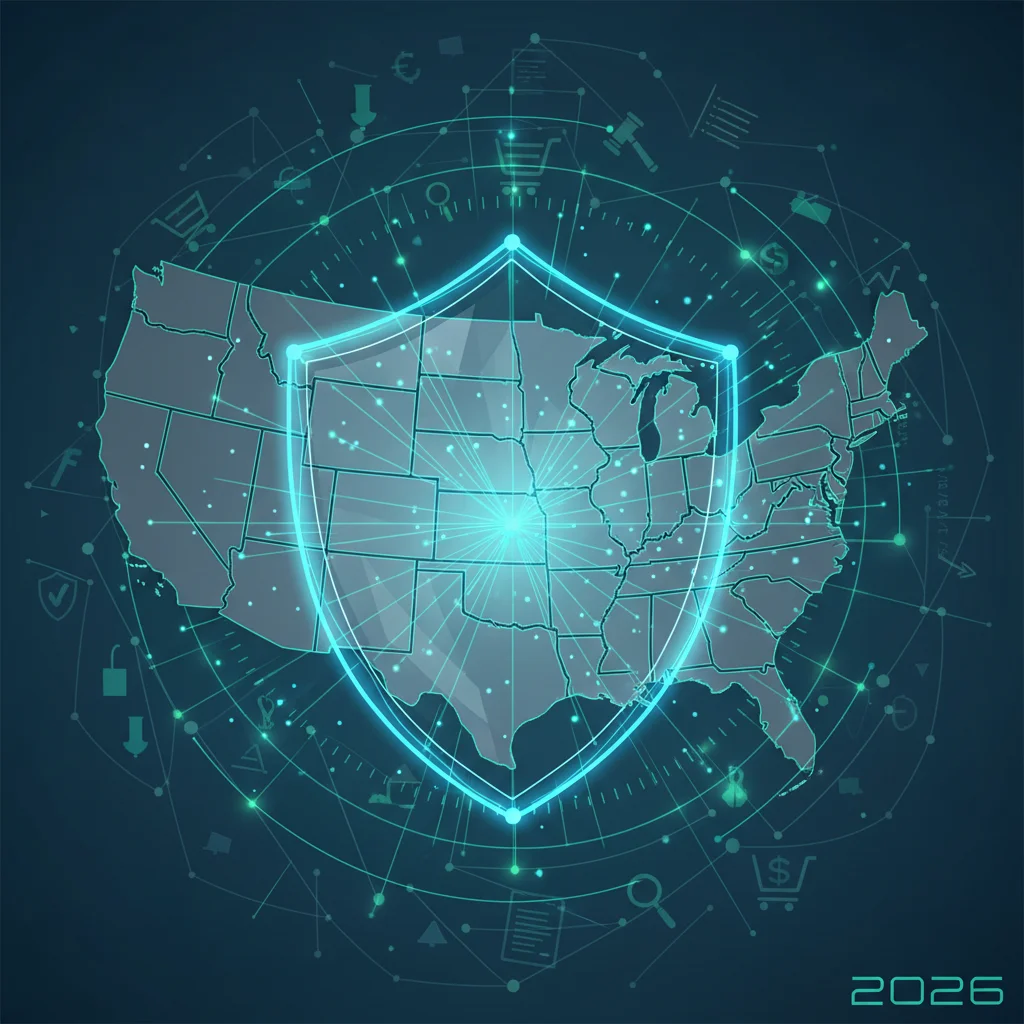
While the United States does not have a single, overarching federal data privacy law akin to Europe’s GDPR, the trend towards more stringent state-level regulations is undeniable and accelerating. By 2026, we anticipate a patchwork of robust state laws that collectively impose significant obligations on businesses handling consumer data. Understanding these individual state laws is paramount, as their extraterritorial reach often affects businesses far beyond their state borders.
Key State-Level Data Privacy Legislation
The California Consumer Privacy Act (CCPA), amended by the California Privacy Rights Act (CPRA), set a precedent for comprehensive privacy rights in the US. The CPRA, fully effective in 2023, introduced new concepts such as the California Privacy Protection Agency (CPPA) and expanded consumer rights, including the right to correct inaccurate personal information and the right to limit the use and disclosure of sensitive personal information. Its influence continues to ripple across the nation, inspiring similar legislation.
Following California’s lead, states like Virginia (Virginia Consumer Data Protection Act – VCDPA), Colorado (Colorado Privacy Act – CPA), Utah (Utah Consumer Privacy Act – UCPA), and Connecticut (Connecticut Data Privacy Act – CTDPA) have enacted their own comprehensive privacy laws. While sharing common principles like consumer rights to access, delete, and opt-out of the sale of personal data, each law has unique nuances regarding scope, definitions, and enforcement mechanisms. For instance, some laws apply to a wider range of businesses or have different thresholds for applicability, while others grant more expansive rights to consumers.
Looking ahead to 2026, we expect to see more states introducing or strengthening their own privacy legislation. This continuous evolution means that a static approach to compliance is insufficient. Businesses must adopt an agile strategy, constantly monitoring legislative developments and updating their data handling practices accordingly. The implications for sales enablement are direct: every piece of customer data, from lead generation to post-sale follow-up, must be handled with explicit consideration for these diverse and sometimes conflicting state regulations.
Potential Federal Data Privacy Legislation
Despite the proliferation of state laws, discussions around a potential federal data privacy law persist. A unified federal framework could simplify compliance for businesses operating across state lines, but reaching a consensus among lawmakers has proven challenging. However, the increasing complexity of state-by-state compliance might eventually compel federal action. Should a federal law emerge by 2026, it would undoubtedly supersede many state provisions, creating a new baseline for data privacy nationwide. This could either streamline compliance or introduce an entirely new set of requirements, depending on its scope and stringency.
Regardless of whether a federal law materializes, the underlying principle remains the same: consumer control over personal data is gaining momentum. Sales enablement strategies must pivot from a data-acquisition-at-all-costs mindset to one that prioritizes consent, transparency, and data minimization. This shift is not merely about avoiding penalties; it’s about building trust and fostering long-term customer relationships in an increasingly privacy-conscious world. The proactive integration of privacy considerations into every aspect of sales enablement will distinguish leading organizations from their less adaptable counterparts.
Impact on Sales Enablement: Key Areas Affected by US Data Privacy Laws
The ripple effect of these US data privacy laws extends throughout the entire sales enablement ecosystem. From how sales teams identify and engage prospects to the tools they use and the metrics they track, nearly every facet of the sales process is subject to re-evaluation and potential adjustment. Ignoring these changes is not an option; embracing them can lead to more ethical, efficient, and ultimately, more successful sales operations.
Lead Generation and Prospecting
Traditional lead generation methods, particularly those involving third-party data acquisition or broad-brush cold outreach, are among the most significantly impacted areas. Under new privacy laws, obtaining explicit consent for data collection and processing becomes paramount. This means:
- Consent Mechanisms: Sales teams must ensure that all data collected directly from prospects (e.g., via website forms, webinars, events) includes clear, unambiguous consent mechanisms. Pre-checked boxes or vague privacy policies are increasingly non-compliant.
- Third-Party Data: The purchase or use of third-party lead lists must be scrutinized. Businesses need to verify that the data was collected lawfully and that the individuals have consented to their data being shared for marketing and sales purposes. This often requires contractual assurances from data providers.
- Opt-Out Rights: Prospects must have an easy and clear way to opt out of communications and have their data deleted. Sales enablement platforms must integrate robust opt-out management features.
This shift necessitates a move towards more inbound, permission-based marketing and sales strategies. Content marketing, SEO, and personalized outreach that genuinely adds value become even more critical for attracting and engaging prospects who are willing to share their information voluntarily. Salespeople will need training on how to articulate the value proposition in a way that encourages consent and builds trust from the initial interaction.
Customer Relationship Management (CRM) and Data Management
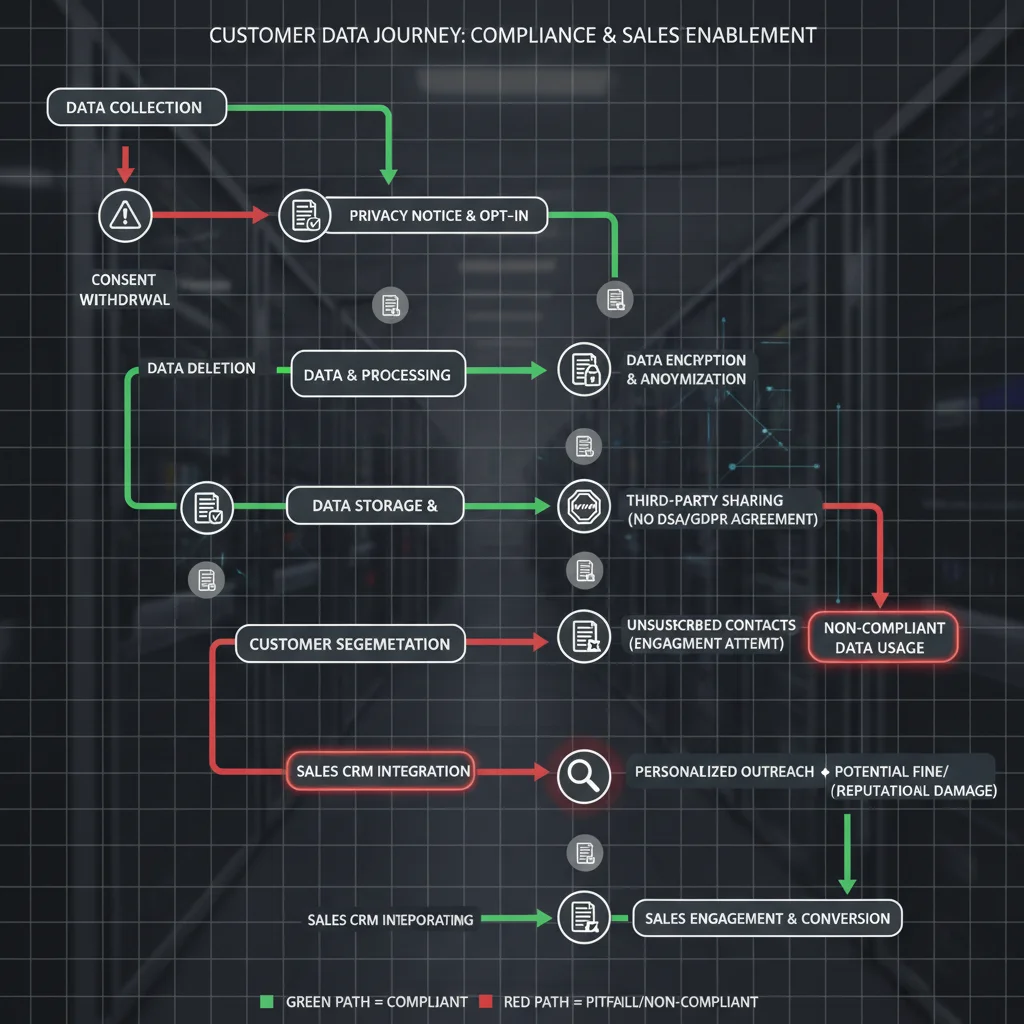
CRM systems are the backbone of most sales operations, housing vast amounts of personal and sensitive customer data. Compliance with US data privacy laws requires a thorough audit and potential overhaul of CRM practices:
- Data Minimization: Only collect and retain data that is truly necessary for legitimate business purposes. Regularly review and purge redundant or irrelevant data.
- Data Access and Deletion: CRMs must be configured to easily facilitate consumer requests for data access, correction, and deletion. This includes developing clear internal processes for handling such requests within defined legal timeframes.
- Data Security: Enhanced security measures are required to protect customer data from breaches. This involves encryption, access controls, regular security audits, and employee training on data protection best practices.
- Vendor Management: Any third-party tools or integrations used with your CRM (e.g., sales engagement platforms, analytics tools) must also be privacy-compliant. Due diligence on vendor privacy policies and data processing agreements is essential.
Sales enablement teams play a crucial role in educating sales professionals on proper data entry, usage, and security within the CRM. They must also work closely with IT and legal departments to ensure the CRM infrastructure and its associated processes meet all regulatory requirements.
Sales Communication and Engagement
The way sales teams communicate with prospects and customers is also directly affected. Personalized outreach, while still effective, must be executed within privacy boundaries:
- Email and Messaging: Adherence to opt-in preferences is critical. Sales emails must include clear unsubscribe options, and automated sequences should respect consent levels. The use of personal data for highly targeted messaging must align with the permissions granted by the individual.
- Call Recordings: Many states have specific laws regarding the recording of phone calls. Sales teams must be aware of and comply with these one-party or two-party consent rules, informing individuals when calls are being recorded and obtaining consent where required.
- Profiling and Personalization: While personalization enhances the customer experience, excessive profiling or the use of sensitive personal information without explicit consent can be non-compliant. Sales enablement teams need to guide sales reps on ethical and legal boundaries for using data to personalize interactions.
Training sales teams on compliant communication practices is a significant sales enablement responsibility. This includes not just the technical aspects of using tools correctly but also the soft skills of transparent communication and respecting individual privacy choices.
Sales Analytics and Performance Measurement
Data-driven sales analytics are vital for optimizing performance, but privacy laws introduce new considerations:
- Anonymization and Aggregation: To mitigate privacy risks, sales analytics should prioritize aggregated and anonymized data whenever possible. This allows for trend analysis without identifying individual consumers.
- Transparency in Tracking: If individual-level tracking is necessary for sales effectiveness (e.g., tracking email opens, website visits), clear disclosure and consent are often required.
- GDPR and CCPA Metrics: Sales enablement dashboards might need to incorporate compliance metrics, such as the number of data access requests handled, opt-out rates, or data retention compliance, alongside traditional sales KPIs.
The shift means sales enablement professionals must work with data scientists and legal teams to develop privacy-preserving analytics models that still provide actionable insights for sales performance improvement. This ensures that the pursuit of efficiency does not come at the expense of compliance or customer trust.
Strategies for Sales Enablement Compliance in 2026
Navigating the complex world of US data privacy laws requires a strategic and multifaceted approach to sales enablement. It’s not just about avoiding penalties; it’s about building a sustainable, trustworthy, and efficient sales operation that respects customer rights while achieving business objectives.
1. Conduct a Comprehensive Data Audit and Mapping
The first step towards compliance is understanding what data you collect, where it comes from, where it’s stored, who has access to it, and how it’s used. A thorough data audit should cover:
- Data Inventory: Catalog all personal data collected across all sales and marketing touchpoints (website forms, CRM, email platforms, sales engagement tools, social media).
- Data Flows: Map how data moves within your organization and with third-party vendors. Identify all data ingress and egress points.
- Legal Basis for Processing: For each type of data, determine the legal basis for its collection and processing (e.g., explicit consent, legitimate interest, contractual necessity). This is critical for demonstrating compliance.
- Retention Policies: Define and implement clear data retention schedules, ensuring data is not kept longer than necessary.
This audit provides a foundational understanding of your current data practices and highlights areas of non-compliance or high risk regarding US data privacy laws. Sales enablement teams should collaborate closely with legal, IT, and marketing departments on this exercise.
2. Implement Data Privacy by Design in Sales Processes
Privacy by Design is a proactive approach that integrates privacy considerations into the design and operation of information systems and business practices from the outset. For sales enablement, this means:
- Privacy-First Lead Forms: Design website and landing page forms with clear consent language, granular opt-in options, and links to transparent privacy policies.
- CRM Configuration: Configure CRM systems to support privacy requirements, such as fields for recording consent status, automating data deletion requests, and restricting access to sensitive data.
- Sales Tool Vetting: Before adopting new sales enablement tools (e.g., sales automation, intent data platforms), conduct thorough privacy impact assessments. Ensure vendors are compliant and offer data processing agreements that protect your interests.
- Data Minimization in Workflows: Design sales workflows to collect only the essential data needed at each stage of the sales funnel. Avoid collecting data that serves no immediate, legitimate purpose.
Embedding privacy into the design of sales processes helps prevent compliance issues rather than reacting to them after they occur. It also fosters a culture of privacy awareness within the sales organization.
3. Comprehensive Training and Awareness Programs
Even the most robust privacy policies are ineffective without proper training for your sales teams. Sales enablement is uniquely positioned to deliver this critical education:
- Regular Training Sessions: Conduct mandatory training for all sales personnel on relevant US data privacy laws, company policies, and best practices for data handling.
- Practical Scenarios: Use real-world sales scenarios to illustrate how privacy laws apply to everyday interactions, such as cold calling, email outreach, social selling, and handling customer data requests.
- Role-Specific Guidance: Tailor training content to different sales roles (e.g., SDRs, AEs, Sales Managers) as their data interactions and responsibilities may vary.
- Continuous Updates: Given the evolving nature of privacy laws, training should be ongoing, with regular refreshers and updates on new regulations or internal policy changes.
Empowering sales teams with knowledge transforms them from potential compliance risks into privacy advocates, building trust with prospects and customers.

4. Enhance Transparency and Communication
Transparency is a cornerstone of modern data privacy. Sales enablement strategies should reflect this commitment:
- Clear Privacy Policies: Ensure your company’s privacy policy is easily accessible, written in plain language, and accurately reflects your data practices, especially concerning sales and marketing activities.
- Consent at Every Touchpoint: Make it easy for prospects and customers to understand what data is being collected, why, and how it will be used, offering clear consent options for different types of communication.
- Empower Sales Reps: Train sales reps to confidently answer basic privacy-related questions from prospects and to direct more complex inquiries to the appropriate internal teams (e.g., legal, data protection officer).
Open and honest communication about data practices not only fosters trust but also demonstrates a commitment to ethical data stewardship, which can be a significant differentiator in a competitive market.
5. Leverage Technology for Compliance
Technology can be a powerful ally in achieving and maintaining compliance with US data privacy laws:
- Consent Management Platforms (CMPs): Implement CMPs to manage cookie consent on your website and track user preferences for data processing.
- Data Subject Access Request (DSAR) Tools: Utilize tools that streamline the process of handling consumer requests for data access, correction, and deletion, ensuring timely and compliant responses.
- Automated Data Governance: Explore solutions that automate data retention, anonymization, and deletion processes within your CRM and other data repositories.
- Secure Communication Platforms: Use encrypted and secure communication tools for sensitive customer interactions.
While technology can automate many compliance tasks, it’s crucial to remember that it’s a tool, not a complete solution. Human oversight, policy enforcement, and ongoing training remain indispensable.
6. Establish Cross-Functional Collaboration
Data privacy is not solely a legal or IT concern; it’s a company-wide responsibility. Effective compliance, especially within sales enablement, requires strong collaboration across departments:
- Legal Team: Work closely with legal counsel to interpret privacy laws, develop compliant policies, and review sales enablement materials.
- IT/Security Team: Partner with IT to ensure data security measures are robust, systems are configured for privacy, and data access controls are properly implemented.
- Marketing Team: Align on lead generation strategies, consent collection, and data usage to ensure a consistent and compliant approach from initial contact through sales.
- Product Development: If your company offers products or services that collect customer data, ensure privacy is built into the product design from the outset.
Sales enablement can act as a bridge between these departments, translating legal requirements into practical, actionable guidance for the sales force, thereby ensuring a unified approach to privacy compliance.
The Future of Sales Enablement in a Privacy-First World
The evolution of US data privacy laws presents not just challenges but also significant opportunities for sales enablement. Companies that proactively embrace these changes can gain a competitive edge by fostering deeper customer trust, improving data quality, and refining their sales processes.
Building Trust as a Competitive Advantage
In an era where data breaches and privacy violations are common headlines, businesses that demonstrate a genuine commitment to protecting customer data will stand out. Sales teams equipped with privacy-compliant processes and transparent communication can use data privacy as a trust-building tool. When prospects know their data is handled responsibly, they are more likely to engage, leading to higher conversion rates and stronger, longer-lasting customer relationships. This fundamental shift from a transactional to a trust-based interaction model becomes a core component of effective sales enablement.
Improved Data Quality and Relevance
The emphasis on consent and data minimization naturally leads to better data quality. When customers explicitly opt-in and understand how their data will be used, the data collected is more likely to be accurate, relevant, and actionable. Sales teams spend less time chasing unqualified leads or engaging with individuals who have no interest in their offerings. This focus on quality over quantity, driven by privacy regulations, ultimately makes sales enablement efforts more efficient and effective, reducing wasted resources and improving ROI.
Ethical Selling and Brand Reputation
Adhering to US data privacy laws reinforces ethical selling practices. This not only protects the company from legal repercussions but also enhances its brand reputation. A company known for respecting customer privacy is seen as more reputable and trustworthy, which can attract both customers and top talent. Sales enablement plays a vital role in embedding these ethical principles into the sales culture, ensuring that every sales interaction reflects the company’s commitment to responsible data stewardship.
Innovation in Sales Technology
The demand for privacy-compliant solutions is spurring innovation in sales technology. We can expect to see more sophisticated tools for consent management, anonymized analytics, and secure data handling. Sales enablement professionals will need to stay abreast of these technological advancements, evaluating and integrating solutions that help their teams remain compliant while still leveraging data for strategic advantage. This will involve a continuous learning curve and a willingness to adapt to new platforms and methodologies.
Conclusion: Proactive Adaptation is Key to Sales Enablement Success
The future of sales enablement in the United States is inextricably linked to the evolving landscape of US data privacy laws. The year 2026 will undoubtedly bring further clarity and, in some cases, increased complexity to how businesses manage and leverage customer data for sales. However, by adopting a proactive, privacy-by-design approach, organizations can transform these regulatory challenges into strategic opportunities.
Key takeaways for sales enablement leaders include:
- Stay Informed: Continuously monitor new state and potential federal privacy legislation.
- Audit and Map Data: Understand your data footprint to identify and mitigate risks.
- Integrate Privacy: Embed privacy principles into every sales process and tool.
- Prioritize Training: Educate sales teams on compliance requirements and ethical data handling.
- Foster Transparency: Be open and honest with prospects and customers about data practices.
- Leverage Technology: Utilize tools that streamline compliance and enhance data security.
- Collaborate Cross-Functionally: Ensure a unified approach to privacy across the organization.
Ultimately, the goal is not just to comply with the letter of the law but to embrace the spirit of data privacy. By putting customer trust and data protection at the forefront of sales enablement strategies, businesses can not only avoid penalties but also build stronger relationships, enhance brand reputation, and achieve sustainable growth in an increasingly privacy-conscious marketplace. The time to adapt is now, ensuring your sales enablement efforts are future-proofed for the privacy demands of 2026 and beyond.