Navigating US Privacy Regulations: Impact on Digital Sales Tools by 2026
The digital sales landscape is on the brink of a significant transformation. With the looming deadline of January 2026, new US privacy regulations are poised to reshape how businesses interact with customer data, influencing everything from lead generation to customer relationship management. For any organization leveraging digital sales tools, understanding and adapting to these changes is not merely an option, but a critical imperative for continued success and avoiding hefty penalties. The era of unfettered data collection and usage is steadily drawing to a close, giving way to a more regulated, privacy-centric approach.
This comprehensive guide will delve into the anticipated impact of these new privacy regulations on digital sales tools, outlining the key compliance requirements and offering actionable strategies to ensure your business is not just compliant, but thrives in this evolving environment. Our focus will be on achieving robust US Privacy Compliance 2026, ensuring your digital sales operations remain effective and ethical.
The Evolving Landscape of US Privacy Regulations
While the European Union’s GDPR has long set a global benchmark for data privacy, the United States has been developing its own patchwork of state-level regulations. However, the trend is moving towards a more harmonized, albeit still complex, federal approach. The January 2026 deadline signals a potential maturation of these regulations, possibly indicating a broader federal framework or a consolidation of existing state laws that will significantly impact interstate commerce and digital transactions.
A Glimpse at Current US Privacy Laws
To understand the future, it’s crucial to grasp the present. Currently, the US privacy landscape is characterized by a mix of sector-specific laws and comprehensive state statutes:
- California Consumer Privacy Act (CCPA) and California Privacy Rights Act (CPRA): Often considered the most stringent in the US, these laws grant consumers extensive rights over their personal information, including the right to know, delete, and opt-out of the sale or sharing of their data. They also introduce specific requirements for data processors and businesses collecting personal information.
- Virginia Consumer Data Protection Act (VCDPA): Similar to CCPA/CPRA, VCDPA provides consumers with rights regarding their personal data and imposes obligations on businesses that process such data.
- Colorado Privacy Act (CPA): Another comprehensive state law, the CPA, grants consumers rights and places duties on controllers and processors of personal data.
- Utah Consumer Privacy Act (UCPA) and Connecticut Data Privacy Act (CTDPA): These laws continue the trend of granting consumers more control over their data, with nuances in their scope and enforcement.
The challenge for businesses operating nationally has been navigating these disparate requirements. The January 2026 timeframe suggests a move towards either a federal standard or a further maturation of state-level interoperability, making US Privacy Compliance 2026 a multifaceted endeavor.
What to Expect by January 2026
While the exact contours of the 2026 regulations are still taking shape, several key themes are likely to emerge or intensify:
- Expanded Definition of Personal Data: Expect a broader interpretation of what constitutes ‘personal data,’ potentially including IP addresses, device identifiers, and even certain types of inferred data that can be linked to an individual.
- Enhanced Consumer Rights: Consumers will likely gain stronger rights to access, correct, delete, and port their data. The right to opt-out of targeted advertising and profiling will also become more prevalent.
- Increased Transparency Requirements: Businesses will need to be more explicit about what data they collect, why they collect it, and with whom they share it. Privacy policies will need to be easily understandable and accessible.
- Greater Accountability for Data Processors: Third-party vendors and service providers that handle personal data on behalf of businesses will face increased scrutiny and direct compliance obligations.
- Stricter Consent Mechanisms: Implied consent will diminish. Explicit, informed consent will be required for many data processing activities, particularly for sensitive data or cross-context behavioral advertising.
- Data Minimization Principles: The principle of collecting only the data necessary for a specific, stated purpose will become more central.
- Data Protection Impact Assessments (DPIAs): Businesses engaging in high-risk data processing activities may be required to conduct DPIAs to identify and mitigate privacy risks.
These anticipated changes underscore the urgency for businesses to proactively review and revise their data handling practices in preparation for US Privacy Compliance 2026.
Impact on Digital Sales Tools and Strategies
Digital sales tools are the backbone of modern commerce, from CRM systems and marketing automation platforms to analytics dashboards and lead generation software. The new privacy regulations will inevitably touch every aspect of these tools and the strategies they support.
CRM Systems and Customer Data Management
CRM platforms are repositories of vast amounts of customer data. Compliance in this area will demand:
- Granular Consent Management: CRMs will need robust features to record and manage customer consent for different types of data processing (e.g., marketing emails, personalized offers, data sharing). Sales teams must be able to quickly verify consent status before initiating contact or using data for specific purposes.
- Data Access and Deletion Requests: The ability to easily fulfill customer requests for data access, correction, and deletion will be paramount. This means having clear workflows and integrated tools within the CRM to locate, retrieve, and expunge customer data efficiently.
- Data Minimization and Retention Policies: Businesses will need to implement and enforce strict data minimization policies within their CRM, ensuring only necessary data is collected and retained for specified periods. Automated data purging features might become standard.
- Role-Based Access Control (RBAC): Stricter RBAC within CRMs will be essential to limit who can access what data, based on their job function and legitimate business need.
Marketing Automation and Lead Generation
Marketing automation tools rely heavily on tracking and profiling user behavior. The new regulations will necessitate:
- Opt-in for Marketing Communications: A clear shift towards explicit opt-in consent for email marketing, SMS, and other direct marketing channels. Pre-checked boxes or vague consent forms will likely be non-compliant.
- Transparent Tracking and Profiling: Any use of cookies, tracking pixels, or other technologies for profiling and targeted advertising must be clearly disclosed, and mechanisms for users to easily opt-out must be provided. This will impact retargeting campaigns and personalized ad delivery.
- Ethical Lead Sourcing: Businesses must verify that leads obtained from third-party sources have been collected with appropriate consent and in compliance with privacy regulations.
- Anonymization and Pseudonymization: Where possible, marketing analytics should rely on anonymized or pseudonymized data to reduce privacy risks.
Sales Enablement Tools and Analytics
Tools that support sales teams, such as proposal generators, communication platforms, and sales analytics, will also be affected:
- Secure Communication: Ensuring that all communication channels used by sales teams (email, chat, video conferencing) are secure and compliant with data transmission standards.
- Privacy by Design in Sales Processes: Integrating privacy considerations into the design of sales processes, from initial contact to deal closure. This includes training sales teams on privacy best practices.
- Compliant Analytics: Sales performance analytics that rely on personal data must ensure that the data is processed lawfully, with proper consent or another legal basis. Aggregated and anonymized data will be preferred for broader insights.
Website and E-commerce Platforms
The digital storefront itself is a major point of data collection:
- Cookie Consent Banners: More robust and user-friendly cookie consent banners that allow granular control over different cookie types (essential, analytical, marketing).
- Clear Privacy Policies: Easily accessible, comprehensive, and understandable privacy policies that detail data collection, usage, and sharing practices.
- Secure Data Transmission: Ensuring all data transmitted through the website (e.g., payment information, personal details) is encrypted and secure.
Strategies for Achieving Robust US Privacy Compliance 2026
Proactive preparation is key to navigating the new privacy landscape successfully. Here are actionable strategies to ensure your business achieves robust US Privacy Compliance 2026:
1. Conduct a Comprehensive Data Audit
Before you can comply, you need to know what you’re dealing with. A thorough data audit should:
- Identify All Data Collected: Catalog every piece of personal data your organization collects, processes, and stores.
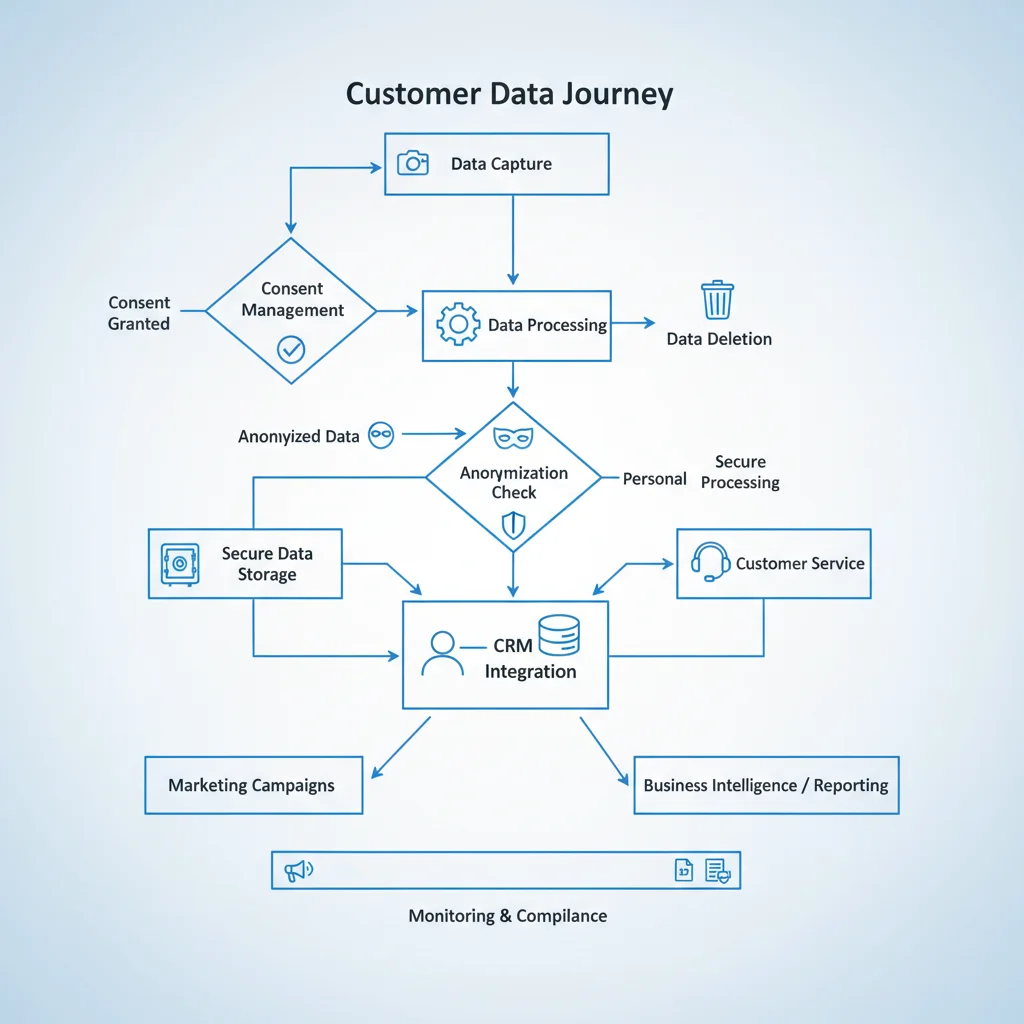
- Map Data Flows: Understand where data comes from, where it goes, who has access to it, and where it is stored (both internally and with third-party vendors).
- Assess Legal Basis for Processing: For each type of data, determine the legal basis for its collection and processing (e.g., consent, legitimate interest, contractual necessity).
- Review Data Retention Policies: Ensure data is not kept longer than necessary for its stated purpose.
This audit will provide a baseline for identifying gaps and developing a compliance roadmap.
2. Implement Strong Consent Management Systems
Consent will be a cornerstone of US Privacy Compliance 2026. Invest in systems that allow you to:
- Obtain Explicit Consent: Ensure consent is freely given, specific, informed, and unambiguous for each data processing activity.
- Record and Manage Consent: Maintain detailed records of when and how consent was obtained, what information was provided to the individual, and when consent was withdrawn.
- Facilitate Withdrawal of Consent: Make it as easy for individuals to withdraw consent as it was to give it.
- Integrate Across Platforms: Ensure your consent management system integrates seamlessly with your CRM, marketing automation, and website platforms.
3. Update Privacy Policies and Notices
Your privacy policy is your promise to your customers. It needs to be:
- Transparent and Clear: Written in plain language, avoiding legal jargon, so users can easily understand how their data is handled.
- Comprehensive: Detail what data is collected, the purposes of processing, the legal basis, who data is shared with, data retention periods, and consumer rights.
- Accessible: Easy to find on your website and within your digital tools.
- Up-to-Date: Regularly reviewed and updated to reflect any changes in data processing practices or regulatory requirements.
4. Enhance Data Security Measures
Privacy and security are inextricably linked. Robust security measures are fundamental for US Privacy Compliance 2026:
- Encryption: Encrypt personal data both in transit and at rest.
- Access Controls: Implement strict role-based access controls to ensure only authorized personnel can access sensitive data.
- Regular Security Audits: Conduct frequent security assessments, penetration testing, and vulnerability scans.
- Incident Response Plan: Develop and regularly test a data breach incident response plan.
- Vendor Security Assessments: Vet all third-party vendors and ensure they meet your security and privacy standards.
5. Train Your Teams
Your employees are your first line of defense. Comprehensive training is vital:
- Privacy Awareness: Educate all employees on the importance of data privacy and the company’s privacy policies.
- Specific Training for Sales and Marketing: Provide specialized training for sales and marketing teams on compliant data collection, consent management, and ethical customer engagement.
- Data Subject Rights Handling: Train relevant teams on how to effectively respond to data access, deletion, and other consumer rights requests.
6. Embrace Privacy by Design and Default
Integrate privacy considerations into the very core of your business operations and technology development:
- Proactive Approach: Anticipate and prevent privacy risks before they arise, rather than reacting to them.
- Default Privacy Settings: Ensure that the default settings for all new products, services, and digital sales tools are the most privacy-friendly possible.
- Data Minimization: Only collect and process the minimum amount of personal data necessary to achieve a specific purpose.

Leveraging Technology for Compliance
The good news is that technology can be a powerful ally in achieving US Privacy Compliance 2026. A new generation of tools and platforms is emerging to help businesses manage their privacy obligations effectively.
Consent Management Platforms (CMPs)
CMPs are becoming indispensable. They automate the process of collecting, managing, and documenting user consent for cookies and other tracking technologies. A robust CMP can integrate with your website, CRM, and marketing automation tools, providing a centralized record of consent preferences.
Data Discovery and Classification Tools
These tools use AI and machine learning to automatically discover, classify, and tag personal data across your IT infrastructure. This helps in understanding where sensitive data resides, making the data audit process more efficient and accurate.
Data Subject Access Request (DSAR) Management Software
Responding to DSARs (requests for access, deletion, or correction) can be complex and time-consuming. DSAR management software streamlines this process by automating workflows, verifying identities, and ensuring timely and compliant responses.
Privacy Impact Assessment (PIA) and Data Protection Impact Assessment (DPIA) Tools
These tools guide businesses through the process of conducting PIAs and DPIAs, helping to identify and mitigate privacy risks associated with new projects, systems, or data processing activities.
Secure Data Collaboration Platforms
For businesses that collaborate with multiple partners or vendors, secure data collaboration platforms can ensure that data sharing adheres to privacy regulations, offering features like anonymization, access controls, and audit trails.
The Benefits of Proactive Compliance Beyond Avoiding Penalties
While avoiding fines and legal repercussions is a primary motivator for US Privacy Compliance 2026, the benefits extend far beyond mere risk mitigation:
- Enhanced Customer Trust: In an era of increasing data breaches and privacy concerns, businesses that demonstrate a strong commitment to data protection will earn and retain customer trust. This trust translates into greater loyalty and willingness to engage with your brand.
- Improved Brand Reputation: A reputation for ethical data handling can be a significant competitive differentiator, attracting new customers and talent.
- Better Data Quality: Focusing on data minimization and explicit consent often leads to collecting higher-quality, more relevant data. This can improve the effectiveness of sales and marketing efforts.
- Streamlined Operations: Implementing clear data governance policies and automated compliance tools can lead to more efficient internal processes and reduced operational overhead in the long run.
- Competitive Advantage: Businesses that embrace privacy as a core value will be better positioned to adapt to future regulatory changes and innovate responsibly.
- Reduced Risk of Data Breaches: Stricter security measures and data handling practices inherently reduce the likelihood and impact of data breaches.
Challenges and Considerations
Achieving US Privacy Compliance 2026 will not be without its challenges:
- Complexity of Evolving Laws: The US regulatory landscape is still fragmented. Businesses must stay abreast of federal developments and any new state-specific laws that may arise.
- Integration of Legacy Systems: Older digital sales tools and CRM systems may not be designed with modern privacy regulations in mind, requiring significant updates or replacements.
- Cost of Compliance: Implementing new systems, conducting audits, and training staff can incur substantial costs.
- Balancing Personalization and Privacy: Finding the right balance between delivering personalized customer experiences and respecting individual privacy preferences will be a continuous challenge for sales and marketing teams.
- Third-Party Vendor Management: Ensuring all third-party vendors and partners are also compliant adds another layer of complexity.
Conclusion: A Future of Ethical Digital Sales
The impending January 2026 deadline for new US privacy regulations represents a pivotal moment for digital sales. It signals a shift towards a more transparent, accountable, and customer-centric approach to data handling. While the journey to full US Privacy Compliance 2026 may seem daunting, viewing it as an opportunity rather than just a burden can transform your business.
By proactively auditing your data practices, investing in robust consent management, bolstering security, and fostering a culture of privacy, businesses can not only mitigate risks but also build stronger customer relationships and gain a significant competitive edge. The future of digital sales is not just about making sales; it’s about making them ethically, responsibly, and with unwavering respect for customer privacy. Start your compliance journey today to ensure your digital sales tools are ready for tomorrow’s regulatory demands.